Shower Head Too Much Pressure? A Flow Restrictor Can Tame It
A harsh, stinging spray usually means too much flow. A cheap flow restrictor in the shower head softens it in minutes.
By Jamilur Rahman Updated November 5, 2026 · 6 min read
- Time
- 10 min
- Cost
- Under $20
- Difficulty
- Easy
In this guide
Quick answer
A shower head with too much pressure is usually fixed with a flow restrictor, a small disk that fits inside the head and cuts the flow, so the spray feels softer. Rule out high house pressure first with a gauge on an outdoor spigot. Above about 80 psi, the house supply needs a pressure regulator, and a restrictor only masks the problem.
Free fix vs. permanent fix
Turn it down at the handle
- Turn the shower handle partway toward closed
- Switch the head to a wider, gentler spray setting
- Clean mineral scale that makes the spray shoot out in hard streams
- Check whether the head has a flow lever that is stuck wide open
How long it lasts: It works until the next shower. You have to find the same spot every time, and some valves run too hot or too cold when half open.
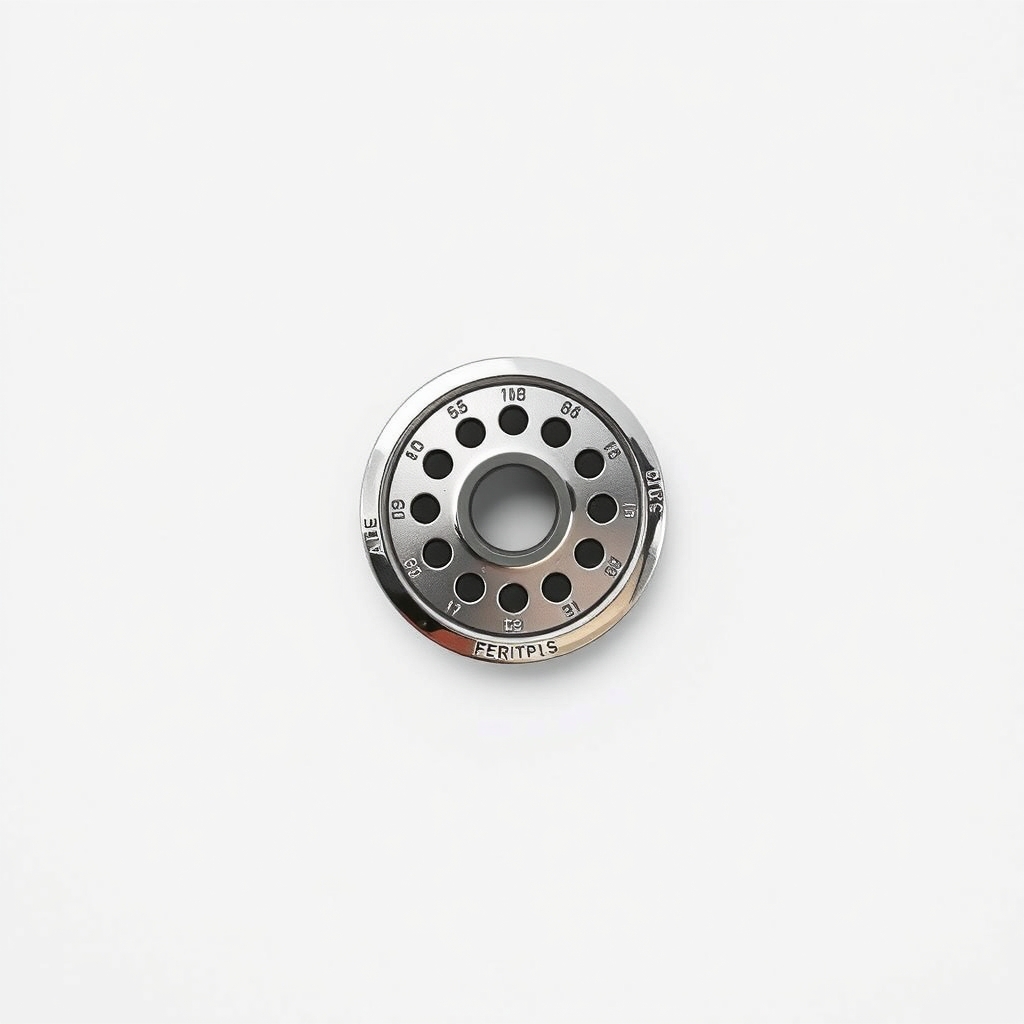
A shower head flow restrictor
A restrictor is a small disk with a narrow hole that limits how much water passes through. Less flow means a softer, steadier spray every time, without tuning the handle. It costs very little and goes in with a few minutes of work.
What to get: Shower head flow restrictor
How long it lasts: Years. It stays in the head and limits the flow the same way every shower.
As an Amazon Associate I earn from qualifying purchases.
What you'll need
-
Pliers and a rag
The rag keeps the pliers from scratching the finish
You have it -
White vinegar and an old toothbrush
To clear scale from the nozzles
You have it - Our pick Illustration
Shower head flow restrictor
Pick a rated flow lower than your current one
- Illustration
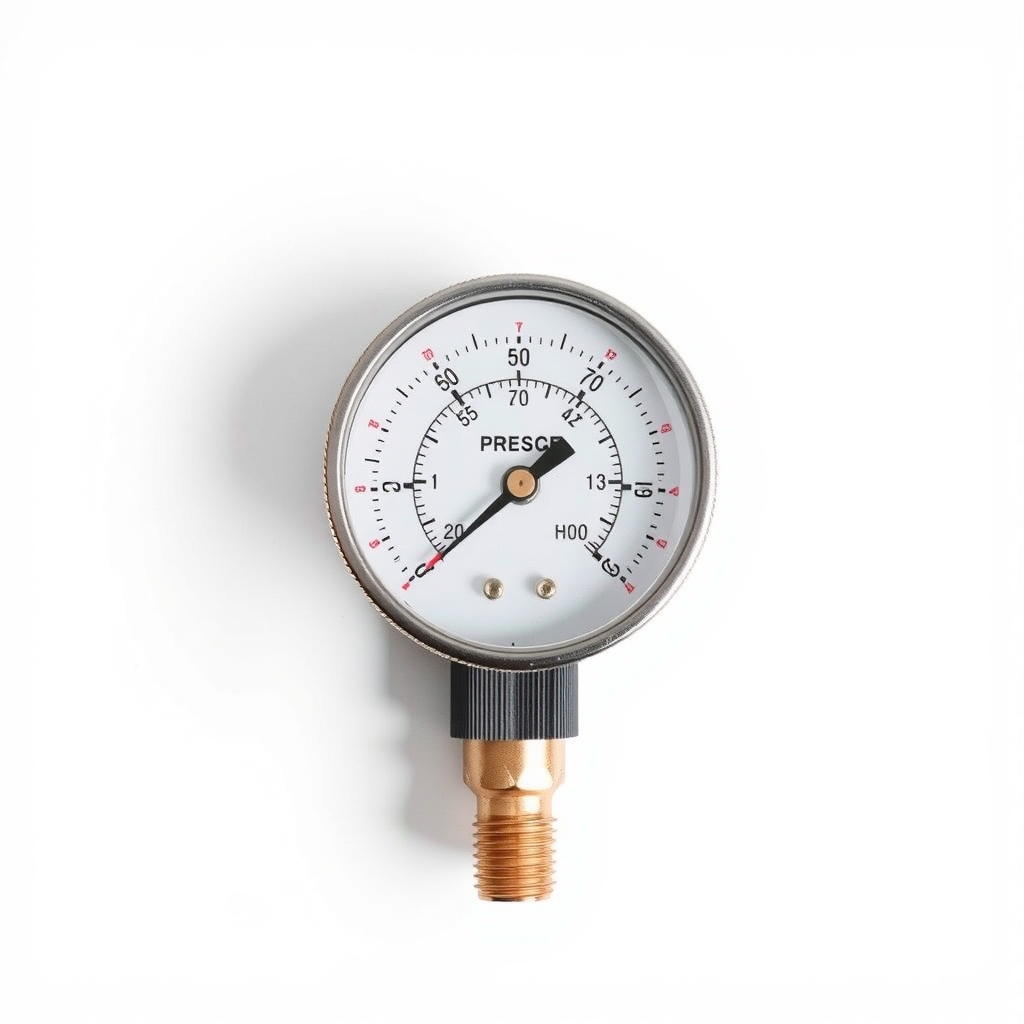
Water pressure gauge
Screws onto an outdoor spigot to read your house pressure
- Illustration

PTFE plumber's tape
Seals the threads of the shower arm
Why it happens
High water pressure in the house
Homes low on a hill or close to the water main can get high pressure. Plumbing codes treat about 80 psi as the upper limit, and typical homes run around 40 to 60 psi. High pressure makes every fixture harsh and strains hoses and appliances.
A head with no flow limit, or a removed restrictor
Federal rules cap new shower heads at 2.5 gallons per minute at 80 psi. Older or modified heads can flow more, and some owners pull the restrictor out. Without one, the spray comes out fast and hard.
A narrow spray pattern or blocked nozzles
A pinpoint jet setting, or nozzles half clogged with mineral scale, push water out in thin, hard streams that feel stronger than they are.
Try this first (free)
Do these in order, starting with the simplest.
-
1. Check the head's settings
Many heads have spray modes. Switch from jet or massage to a wide rain or mist setting. If there is a flow lever or a pause button, make sure it is not stuck at full.
-
2. Descale the nozzles
Tool used: White vinegar and an old toothbrushSoak the head in white vinegar in a bag for about an hour, then rub the nozzles with an old toothbrush. Check the maker's care notes first, because vinegar can dull some finishes.
-
3. Ease the handle
Turn the shower handle a little toward closed for a softer flow, and check that the temperature stays steady.
-
4. Test your house pressure
Tool used: Water pressure gaugeTurn off all indoor taps and appliances, screw the gauge onto an outdoor spigot and open it. Typical readings are 40 to 60 psi. Above 80 psi is too high.
IllustrationCheck price on AmazonTool for this step
Water pressure gauge · Screws onto an outdoor spigot to read your house pressure
-
5. Install a flow restrictor
Tool used: Shower head flow restrictorUnscrew the head by hand, or with pliers wrapped in a rag. Look inside for an existing restrictor at the inlet. Seat the new disk flat against the washer, wrap three turns of tape clockwise around the arm threads and screw the head back on hand-tight.
IllustrationCheck price on AmazonTool for this step
Shower head flow restrictor · Pick a rated flow lower than your current one
When free fixes aren't enough
If the gauge reads above 80 psi, a restrictor only hides the problem. Every faucet, hose and appliance in the house is under strain, and a pressure-reducing valve at the main is the real fix. That is a plumber's job in most homes. If a new restrictor makes the shower too weak, you can remove it or choose one with a higher rating. If the head leaks at the arm after you reinstall it, add tape to the threads or fit a fresh washer.
Buy the fix
Still stuck after the free fixes? These are the products we would look at.
| Pick | Product | Fixes | Who it's for | Buy |
|---|---|---|---|---|
| Best pick | Shower head flow restrictor | a harsh, stinging spray and wasted water | Anyone whose head sprays hard and whose house pressure checks out as normal. | Check price |
| Upgrade pick | Water pressure gauge for a hose spigot | guessing. It shows whether your supply is too high | Anyone who wants to know before spending money on a regulator. | Check price |
Shower head flow restrictor
Fixes: a harsh, stinging spray and wasted water
Look for: A listed flow rate, so you know how much it cuts (a lower number gives a softer spray); A size that fits the inlet of a standard shower head; Rubber or silicone that seals against the washer.
- Who it's for
- Anyone whose head sprays hard and whose house pressure checks out as normal.
- Honest downside
- Your house pressure is over 80 psi. A restrictor treats the symptom and not the supply.
Water pressure gauge for a hose spigot
Fixes: guessing. It shows whether your supply is too high
Look for: A female garden-hose thread that screws onto an outdoor spigot; A dial that reads to at least 100 psi; A brass or metal body that holds up to water.
- Who it's for
- Anyone who wants to know before spending money on a regulator.
- Honest downside
- You have already measured it, or have no outdoor spigot or hose-thread faucet to attach it to.
As an Amazon Associate I earn from qualifying purchases. We don't show prices because they change, so use the button to see today's price.
How we picked: How we picked: this page is based on plumbing guides on water pressure, federal shower head flow standards, parts descriptions from shower head makers and the problems and fixes people report in owner reviews. We do not test products by hand.
Pressure vs flow: why the difference matters
Pressure is the force behind the water in your pipes. Flow is how much comes out each minute. A restrictor cuts flow, so the head turns less water into the spray and it feels softer. It is a good fix for a harsh shower and not a cure for high pressure in the house.
What to skip
High-pressure shower heads and drilling out the nozzles
Heads sold as high pressure or turbo narrow the spray to make it feel stronger, so they make this problem worse. Poking holes in a head to change the flow can also damage it and void any warranty.
Frequently asked questions
How do I reduce water pressure in my shower?
Can a flow restrictor damage my shower head?
What is normal water pressure for a house?
Does a flow restrictor lower the pressure or the flow?
Related problems
 Free fix inside
Bathroom · Shower Head
Low Shower Water Pressure? Descale First, Then Try a New Head
Read the fix Free fix inside
Bathroom · Shower Head
Shower Head Leaking at the Connection? The 2-Minute Tape Fix
Read the fix Free fix inside
Bathroom · Shower Head
Shower Head Not Unscrewing? Loosen It Without Scratching the Finish
Read the fix Free fix inside
Bathroom · Shower Head
Shower Head Whistling? Why It Squeals and How to Quiet It
Read the fixAs an Amazon Associate I earn from qualifying purchases. Affiliate disclosure