Shower Head Not Unscrewing? Loosen It Without Scratching the Finish
A stuck shower head is almost always mineral glue. Soak the joint, then grip it with something that will not scar the finish.
By Jamilur Rahman Updated November 5, 2026 · 6 min read
- Time
- 30 min
- Cost
- Under $20
- Difficulty
- Medium
In this guide
Quick answer
A shower head not unscrewing is usually stuck on mineral buildup in the threads. Wrap the joint in a vinegar-soaked rag for 30 minutes, then turn the head counterclockwise while you hold the shower arm still. A strap wrench grips the collar without leaving marks, which makes it the safest way to break a stubborn one loose.
Free fix vs. permanent fix
Vinegar rag, cloth and pliers
- Wrap the joint in a vinegar-soaked rag for 30 minutes
- Wrap the collar in a thick cloth before you grip it
- Hold the shower arm still with your other hand
- Turn counterclockwise with steady pressure
How long it lasts: Often enough to get it off. But pliers can still scuff a polished finish, even through a cloth, and a very stuck head may not budge.
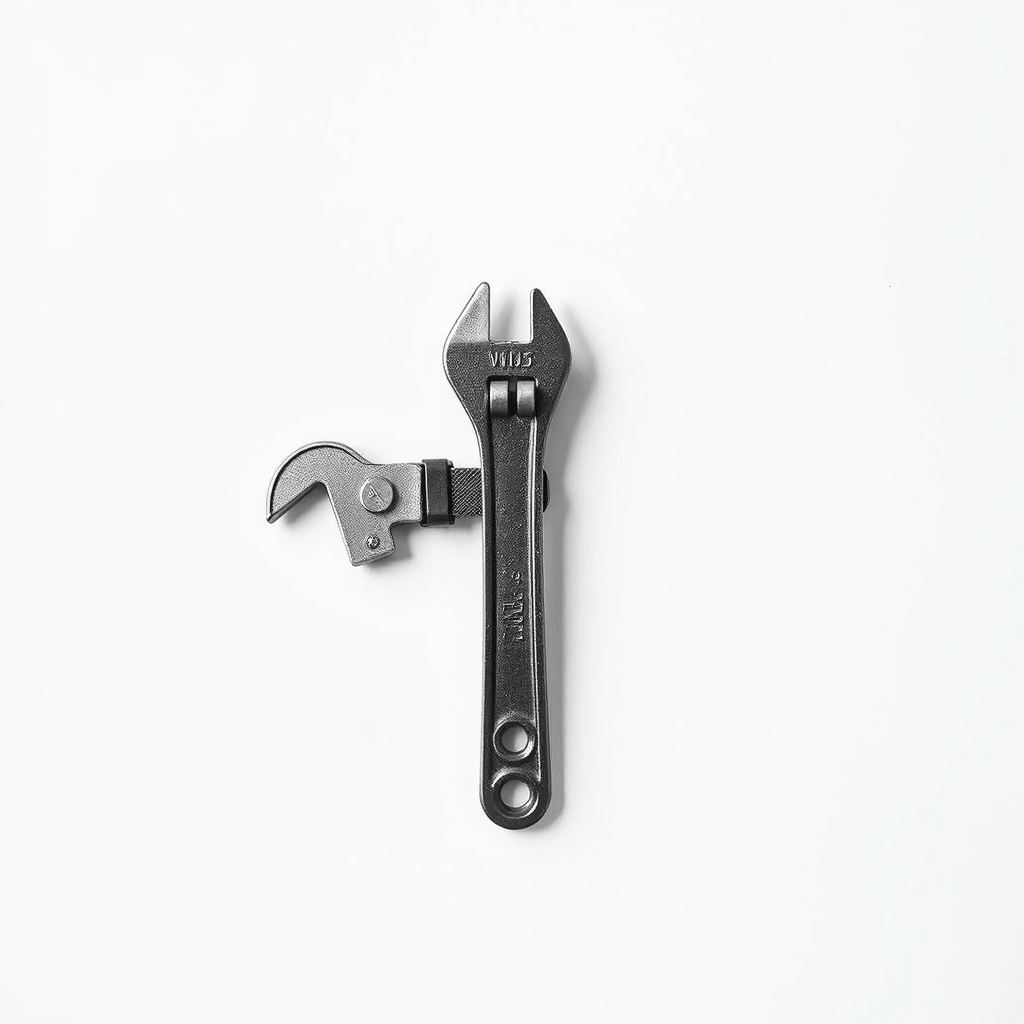
A strap wrench
A strap wrench grips a round fitting with a rubber or nylon strap instead of metal teeth, so it spreads the force and leaves chrome, nickel or bronze finishes alone. It holds more turning force than your hands, and nothing digs in.
What to get: Strap wrench for plumbing
How long it lasts: Years. It also works on jar lids, filters and other round fittings around the house.
As an Amazon Associate I earn from qualifying purchases.
What you'll need
-
Old towel or thick cloth
Protects the finish and catches dropped parts
You have it -
White vinegar and a rag
For the soak that loosens mineral buildup
You have it -
Slip-joint pliers
For the cloth-and-pliers method
You have it - Our pick Illustration
Strap wrench
Grips the collar with no marks
- Illustration
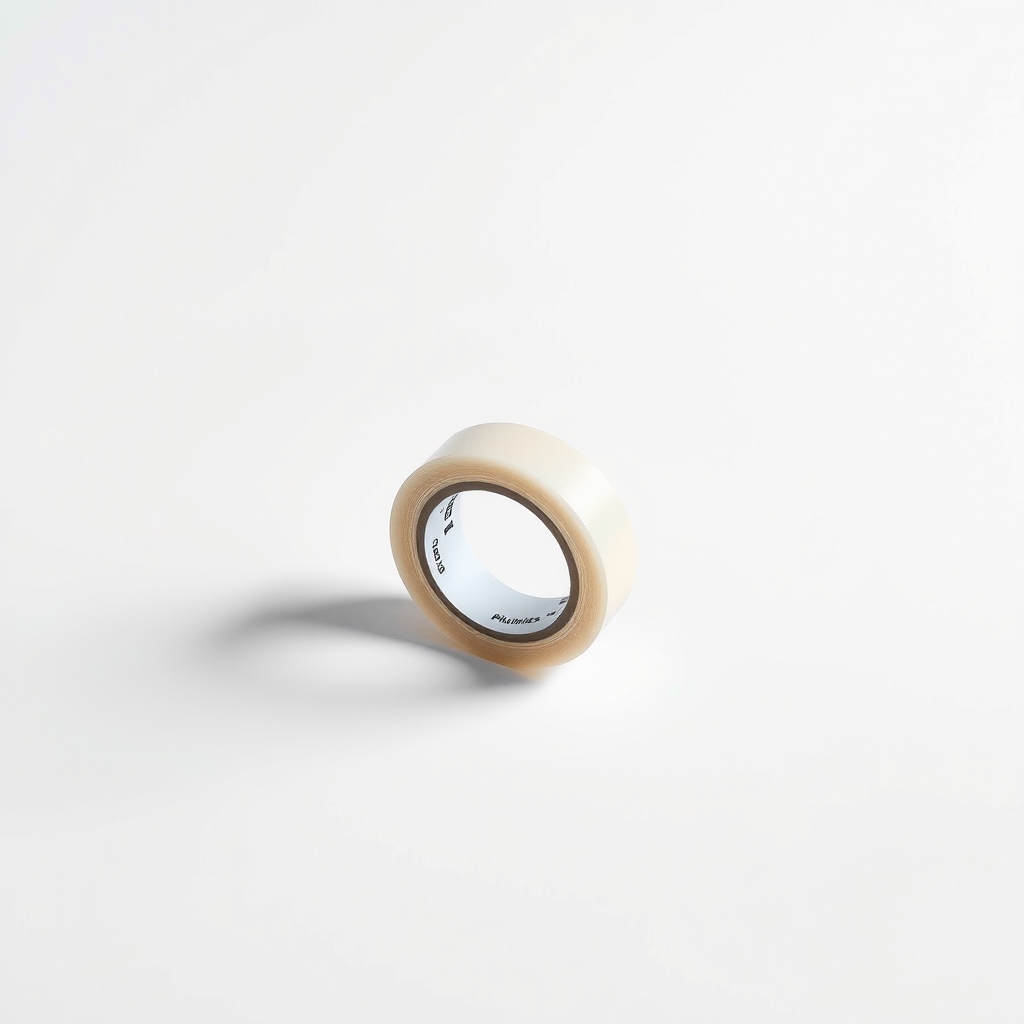
PTFE plumber's tape
Wrap it on the clean threads so the next removal is easy
Why it happens
Mineral buildup in the threads
Hard water leaves a crust of limescale. Over time it glues the threads together like a weak cement.
Overtightening at the last install
A head tightened with pliers or a wrench compresses the washer and the threads. By hand, it will not budge.
No thread tape, or old tape
Bare metal-to-metal threads can bind. Old, dried tape can stick too.
Corrosion at the joint
Two different metals touching in a wet joint corrode over the years and seize.
Try this first (free)
Do these in order, starting with the simplest.
-
Lay a towel in the tub
Tool used: Old towel or thick clothProtect the tub and catch any parts you drop. Make sure the shower is off.
-
Soak the joint in vinegar
Tool used: White vinegar and a ragSoak a rag in white vinegar, wrap it around the joint and seal it with a plastic bag or a rubber band. Leave it for 30 minutes, then rinse. Some finishes dull if the vinegar sits longer.
-
Wrap the collar and grip it
Tool used: Slip-joint pliersWrap the shower head collar in a thick cloth and grip it with slip-joint pliers. The cloth takes the scratches.
-
Hold the arm steady and turn
Hold the shower arm with your other hand so it does not twist inside the wall. Turn the head counterclockwise with steady pressure, not jerks.
-
Use a strap wrench if it will not budge
Tool used: Strap wrenchWrap the strap around the collar, pull it snug and turn counterclockwise. The strap grips harder as you pull and does not mark the finish.
-
Clean the threads and re-tape them
Tool used: PTFE plumber's tapeScrub the old threads clean. Wrap PTFE tape three or four times clockwise, then tighten by hand plus a quarter turn.
IllustrationCheck price on AmazonTool for this step
PTFE plumber's tape · Wrap it on the clean threads so the next removal is easy
When free fixes aren't enough
If the head will not turn after a soak and steady pressure, do not add more force to the arm. If the shower arm starts to turn in the wall, wobbles, or water leaks at the wall, stop and call a plumber, since twisting the arm can damage the pipe behind the wall. A strap wrench gives a far better grip than a cloth and pliers, and owners report it frees heads that pliers cannot hold without scuffing. Do not use a torch or flame.
Buy the fix
Still stuck after the free fixes? These are the products we would look at.
Strap wrench for plumbing
Fixes: a stuck shower head you cannot turn without scratching it
Look for: A rubber or nylon strap with no metal teeth; A handle long enough to give leverage; A strap long enough to wrap around the collar; A non-marring grip that suits chrome and nickel.
- Who it's for
- Anyone with a chrome, nickel or bronze finish they want to keep scratch-free.
- Honest downside
- The collar has no room to wrap a strap, or the stuck part is the shower arm at the wall. Do not force the arm. Call a plumber.
As an Amazon Associate I earn from qualifying purchases. We don't show prices because they change, so use the button to see today's price.
How we picked: How we picked: this page is based on plumbing guides on removing and fitting shower heads, finish care advice from fixture makers, and what owners report in reviews of strap wrenches. We do not test products by hand.
Shower head not coming off even after soaking? Try this
- Warm the collar for a couple of minutes with a hair dryer. Never use a flame.
- Wrap the vinegar rag around again for another 30 minutes.
- Tap the collar lightly with a rubber mallet or a wooden handle to crack the crust.
- Use a strap wrench, pulling steadily, with your other hand on the shower arm.
- If the arm moves, wobbles or leaks, stop and call a plumber.
Put it back so it comes off easily next time
Clean the old threads with a toothbrush and vinegar, and let them dry. Wrap PTFE tape around the threads three or four times in the same direction you tighten, clockwise. Screw the head on by hand, then add a quarter turn with a wrench and a cloth. Tight enough to seal is enough. Overtightening is what made this one stick.
What to skip
Torches, long levers and strong chemicals
A flame can melt plastic parts and damage the wall behind the arm. A long lever on the shower arm can twist or crack the pipe inside the wall, a far bigger repair than a stuck head. Harsh limescale removers can damage some finishes. A 30-minute vinegar soak is enough.
Frequently asked questions
Why won't my shower head unscrew?
Which way do you turn a shower head to remove it?
Can vinegar damage my shower head finish?
Do I need to shut off the water first?
Related problems
 Free fix inside
Bathroom · Shower Head
Shower Head Leaking at the Connection? The 2-Minute Tape Fix
Read the fix Free fix inside
Bathroom · Shower Head
Low Shower Water Pressure? Descale First, Then Try a New Head
Read the fix Free fix inside
Bathroom · Shower Head
Shower Head Too Low? The Extender Arm That Adds Real Height
Read the fix Free fix inside
Bathroom · Shower Head
Shower Head Whistling? Why It Squeals and How to Quiet It
Read the fixAs an Amazon Associate I earn from qualifying purchases. Affiliate disclosure