Shower Head Too Low? The Extender Arm That Adds Real Height
A low shower head makes tall people duck. A shower arm extender lifts the head and screws on in minutes, with no plumber and no new fixture.
By Jamilur Rahman Updated November 5, 2026 · 6 min read
- Time
- 20 min
- Cost
- Under $20
- Difficulty
- Easy
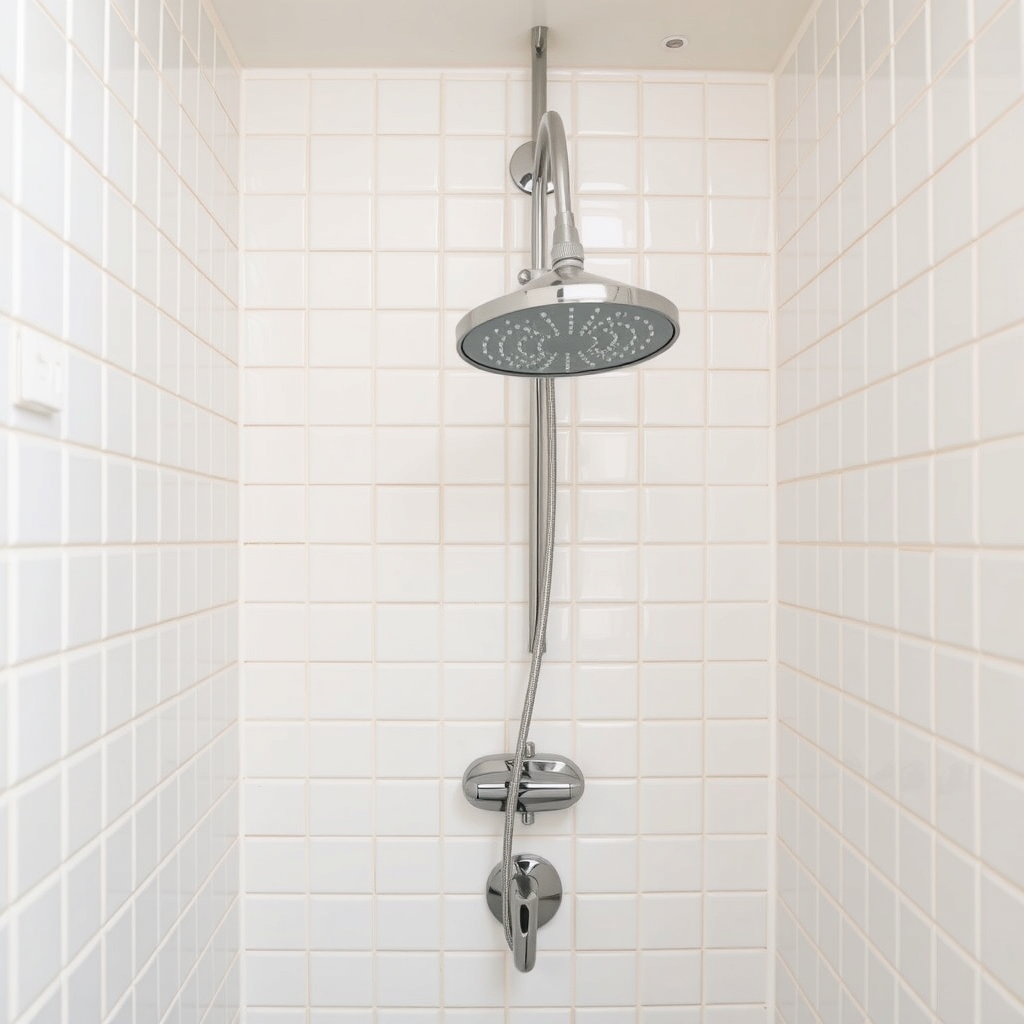
In this guide
Quick answer
The height of a shower head is set by the plumbing, so there is little free fix. Tilting the head up gains an inch or two at best. The lasting fix is a shower arm extender. It screws between the arm and the head and lifts the head higher or pushes it further out. Measure first, choose an upward-angled one for height and wrap the threads with tape.
Free fix vs. permanent fix
Re-angle and re-measure
- Loosen the swivel joint and tilt the head upward
- Measure from the shower floor to the head and compare it with the tallest user
- Check whether the head sits on a short arm that angles downward
- Decide whether you need more height or more reach
How long it lasts: Gains an inch or two at most. It helps when the head is only slightly low, and little for a tall person in a standard stall.
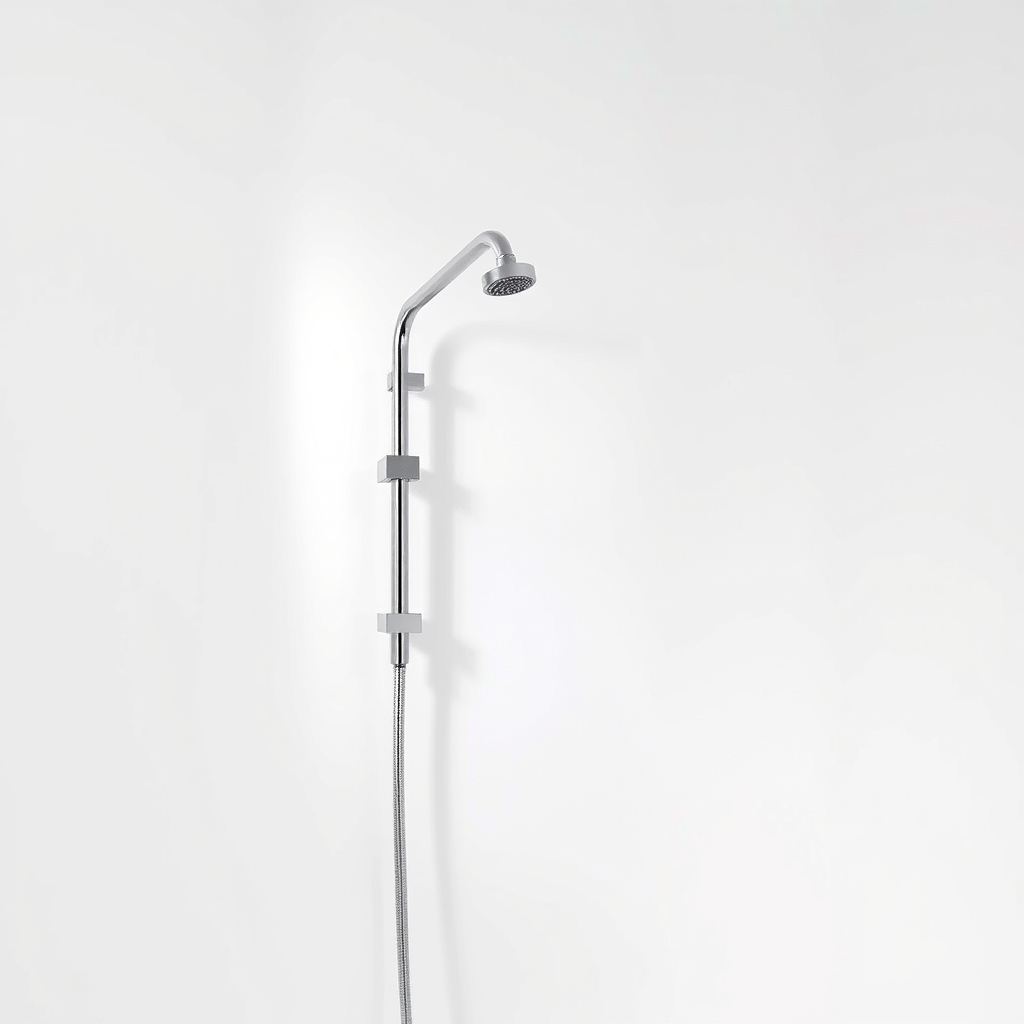
An upward-angled shower arm extender
An extender adds length and, if it angles upward, adds height. With the head higher, the spray starts above the tallest user's head and nobody has to duck. It threads onto the existing arm, so there is no cutting and no work inside the wall.
What to get: Upward-angled shower arm extender
How long it lasts: Permanent, once installed. It stays until you remove it.
As an Amazon Associate I earn from qualifying purchases.
What you'll need
-
Tape measure
To find how much lift you need
You have it -
Soft cloth or old towel
Protects the finish when you grip the head or the arm
You have it -
Adjustable wrench or pliers
For the final snug turn
You have it - Illustration

PTFE plumber's tape
Seals the new joints so they do not drip
- Our pick Illustration
Shower arm extender
Check the rise, not just the length
- Illustration
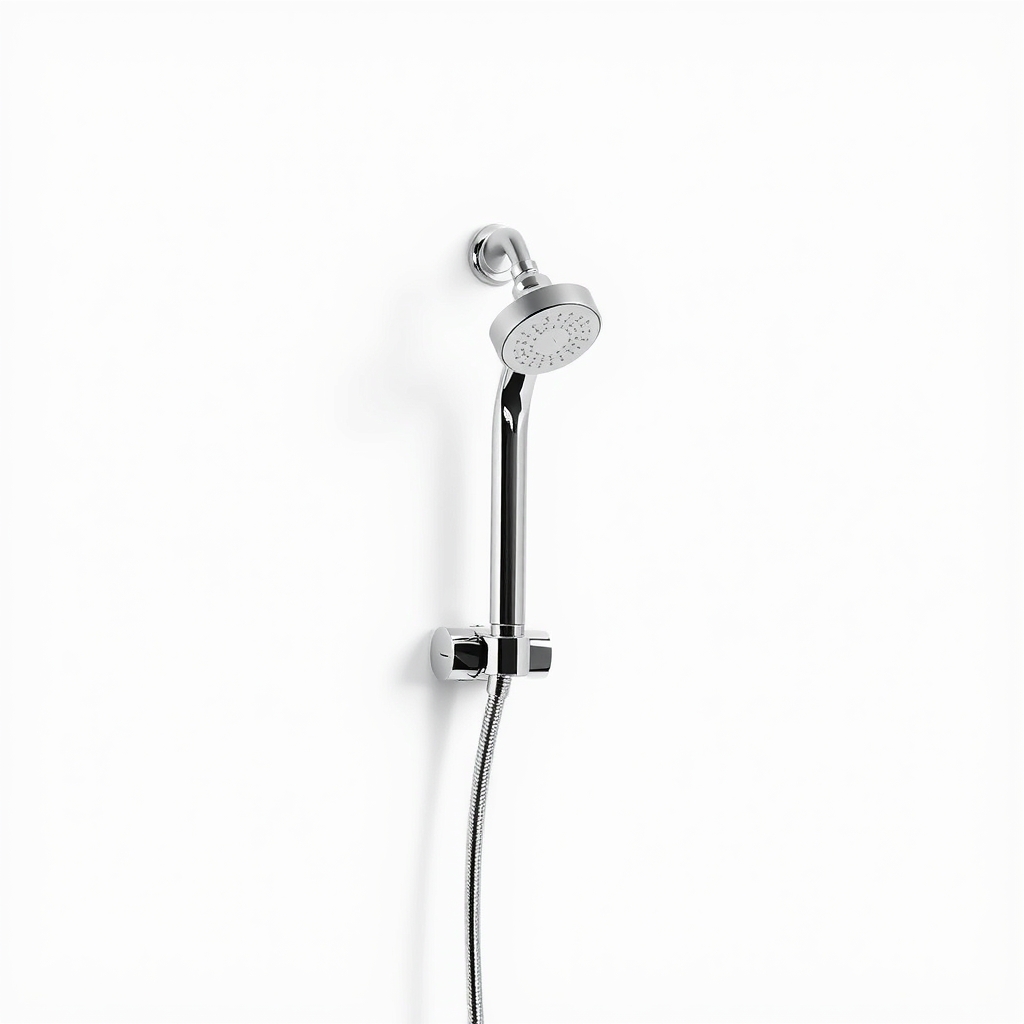
Hand shower with slide bar
For a household with very different heights
Why it happens
Plumbing set once for everyone
Shower arms are often fitted at roughly the same height in every home. People well above average height, or anyone under a downward-angled arm, find the head too low.
A short arm that points down
Many basic arms are short and curve downward, so the head hangs low and sits close to the wall. A longer or upward-angled arm changes both.
A heavy head or a loose joint
A heavy head on a loose swivel joint can slowly tilt downward, so it ends up lower than when it was installed.
Try this first (free)
Do these in order, starting with the simplest.
-
Measure the gap
Tool used: Tape measureMeasure from the shower floor to the center of the head, then measure the tallest person in the home. The spray should start a few inches above their head. The difference is how much lift you need.
-
Test the swivel joint
Loosen the ball joint, tilt the head up and tighten it again. If the head is now high enough, you are done. If it gained only an inch or so, move on.
-
Unscrew the head
Tool used: Soft cloth or old towelTurn the shower off. Wrap the head in a cloth and unscrew it counterclockwise. Hold the arm near the wall with your other hand so the pipe in the wall does not twist. Check that the washer is still inside the head.
-
Wrap the arm and fit the extender
Tool used: PTFE plumber's tapeWrap the arm's threads with tape, clockwise, 3 to 4 turns. Screw the extender on by hand, then add a quarter turn with a cloth-wrapped wrench. Point the angle upward.
IllustrationCheck price on AmazonTool for this step
PTFE plumber's tape · Seals the new joints so they do not drip
-
Fit the head and test for leaks
Tool used: Adjustable wrench or pliersWrap tape on the extender's end thread, screw the head on and snug it. Run the water and press a dry paper towel against both joints. If either weeps, tighten a small turn or re-wrap.
When free fixes aren't enough
Free tilting rarely adds more than an inch or two, so most people end up needing an extender. It works when your arm has standard threads and you want more lift or reach. Extenders come in different lengths and rises, so check the listed rise. If the household has very different heights, an extender suits only one setting. A hand shower on a slide bar lets everyone choose. If the arm is loose in the wall, bent or leaking, call a plumber before you add weight to it.
Buy the fix
Still stuck after the free fixes? These are the products we would look at.
| Pick | Product | Fixes | Who it's for | Buy |
|---|---|---|---|---|
| Best pick | Upward-angled shower arm extender | a shower head that hangs too low for tall users | Anyone whose head is too low or too close to the wall, on a standard threaded arm. | Check price |
| Upgrade pick | Hand shower with a slide bar | a household where everyone needs a different head height | Families with a tall and a short user, or anyone who also wants a hand shower. | Check price |
Upward-angled shower arm extender
Fixes: a shower head that hangs too low for tall users
Look for: A listed rise, or height gain, not just a length; Solid brass or stainless steel, not thin plastic; Standard half-inch threads that match your arm and head; A finish that matches your fixtures.
- Who it's for
- Anyone whose head is too low or too close to the wall, on a standard threaded arm.
- Honest downside
- Your arm is loose in the wall or leaking, or your shower is a built-in system with no visible threads. Check first.
Hand shower with a slide bar
Fixes: a household where everyone needs a different head height
Look for: A bar long enough to give a wide height range; A mount or diverter that fits your arm; A holder that locks at any height; A hose long enough to reach the whole stall.
- Who it's for
- Families with a tall and a short user, or anyone who also wants a hand shower.
- Honest downside
- You do not want a hose in the shower. A simple extender is easier and costs less.
As an Amazon Associate I earn from qualifying purchases. We don't show prices because they change, so use the button to see today's price.
How we picked: How we picked: this page is based on plumbing and installation guides, fitting instructions from shower hardware makers, and the problems and fixes people report in owner reviews. We do not test products by hand.
Too low vs too short: two different fixes
- Too low: the spray starts below the top of your head. Choose an upward-angled extender and check the rise.
- Too short: the spray lands near the wall instead of where you stand. Choose a straight or gently curved extender and check the reach.
- Both: an angled extender with extra length. Measure the stall so the head does not aim at the curtain.
Check the thread before you buy
Most shower arms and heads use standard half-inch threads, but some built-in or older systems differ. Look at the arm, take a photo if that helps, and check that the extender lists the same thread size on both ends. If the listing is unclear, pick another.
What to skip
Stacking short adapters or bending the arm
Stacking adapters puts several extra joints in a line, and each one can leak. Bending the arm weakens the metal and can twist the pipe in the wall. Use one extender that gives the height you need.
Frequently asked questions
How high should a shower head be?
Will an extender lower my water pressure?
Do I need a plumber to fit one?
My shower head is too short, not too low. What do I buy?
Related problems

As an Amazon Associate I earn from qualifying purchases. Affiliate disclosure