Shower Head Whistling? Why It Squeals and How to Quiet It
A whistling or squealing shower head means water is squeezing through a narrowed opening. Clean it, reseal the threads, and replace the head if it still sings.
By Jamilur Rahman Updated November 5, 2026 · 7 min read
- Time
- 45 min
- Cost
- $20-$50
- Difficulty
- Easy
In this guide
Quick answer
Why does my shower head whistle? Water is being forced through a space that has gotten too narrow, usually mineral scale in the nozzles, a worn rubber washer or a loose connection at the shower arm. Soak the head in vinegar, check the washer and wrap the threads with plumber's tape. If it still whistles, a new shower head is a quick, low-cost swap. If it squeals with the head off, the noise is in the valve.
Free fix vs. permanent fix
Clean it, reseat it and test
- Unscrew the head and check the washer inside
- Soak it in white vinegar to dissolve scale
- Wrap the arm threads with tape and refit it
- Run the water and listen
How long it lasts: Months if scale was the cause. If the head is old or the washer is worn, the noise can return.
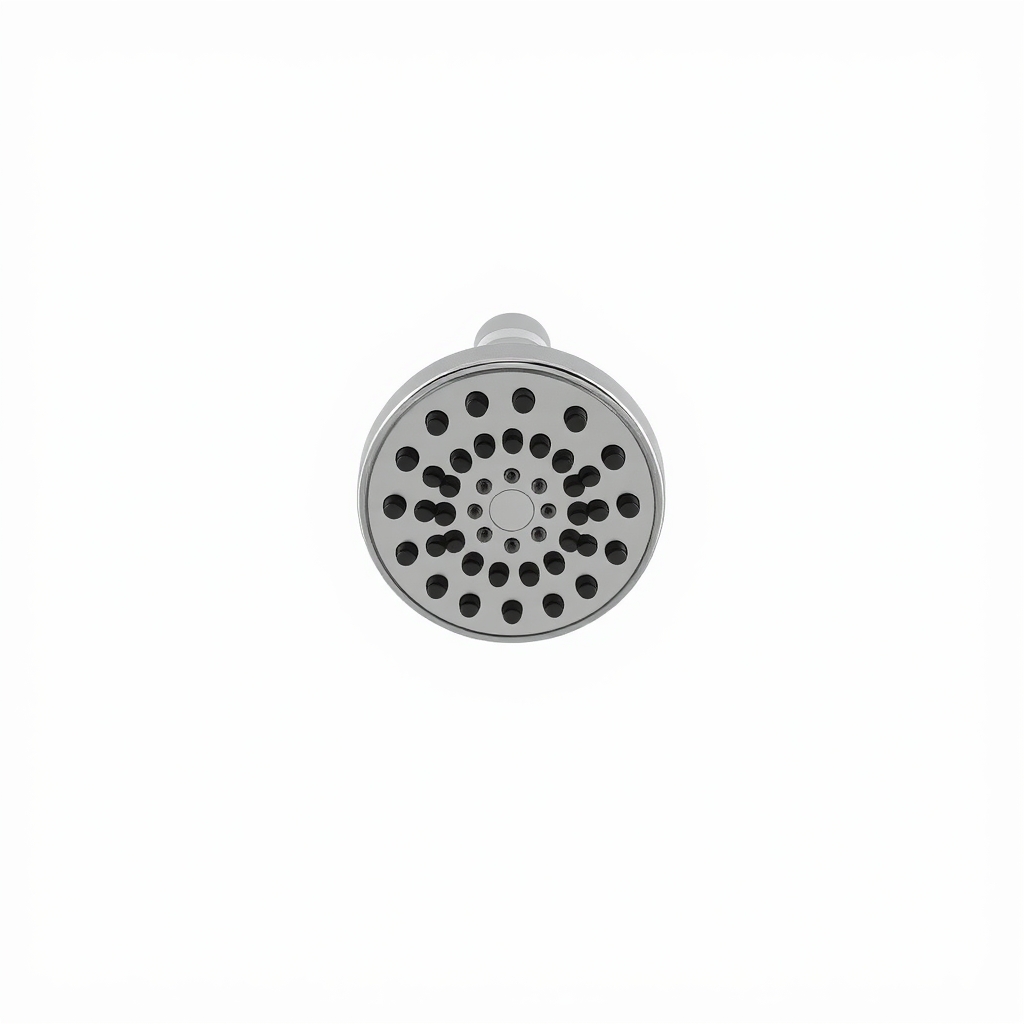
A new fixed shower head with rubber nozzles
An old head can be partly clogged inside where you cannot reach, or have a worn washer and warped parts. Cleaning helps for a while, but a new head with clean passages and a fresh seal ends the whistle for good, and it costs less than most plumbing calls.
What to get: Fixed replacement shower head with rubber nozzles
How long it lasts: Years. A fresh head has clear openings and a new washer, and rubber nozzles rub clean when scale forms.
As an Amazon Associate I earn from qualifying purchases.
What you'll need
-
Adjustable wrench and soft cloth
The cloth protects the finish from scratches
You have it -
White vinegar
Dissolves mineral scale
You have it -
Old toothbrush
Scrubs the nozzle holes
You have it - Illustration

PTFE plumber's tape
Seals the threads on the shower arm
- Our pick Illustration
Replacement shower head
For a head that is old, clogged or still noisy
Why it happens
Mineral scale in the nozzles
Hard water leaves limescale in the spray holes and inside the head. Water speeds up as it squeezes past, and that creates a whistle.
A worn or misplaced rubber washer
A small rubber washer sits inside the connection. If it is cracked, flat or missing, water can leak or vibrate past the seal and squeal.
A flow restrictor
Many heads and arms have a small plastic restrictor disc. A restrictor that is partly blocked or sits crooked can whistle.
Loose or misaligned threads
If the head is cross-threaded or not tight, water can vibrate through the gap. Old tape or missing tape makes it worse.
High pressure or a worn valve
Very high water pressure can make a head sing. A squeal that continues with the head off points to the valve cartridge or washers behind the wall.
Try this first (free)
Do these in order, starting with the simplest.
-
Take the head off and test with it off
Tool used: Adjustable wrench and soft clothUnscrew it by hand. If it is stuck, wrap a cloth around the connector and turn it with a wrench. Briefly run the water into a bucket. If the noise stops, the head is the source. If it continues, see the valve section below.
-
Check the washer and the restrictor
Look inside the connector. Replace a cracked or flat washer. A small plastic disc is the flow restrictor. Leave it in for now, since it limits water use.
-
Soak the head in vinegar
Tool used: White vinegarSubmerge the head in white vinegar for 30 minutes to an hour. For brass, nickel or plated finishes, stop at 30 minutes and check the maker's advice, since acid can dull some finishes. Scrub the holes with a toothbrush and rinse.
-
Wrap the threads with tape and refit
Tool used: PTFE plumber's tapeWind plumber's tape three times clockwise around the shower arm threads. Screw the head on by hand, then snug it a quarter turn with the wrench and cloth. Do not overtighten.
IllustrationCheck price on AmazonTool for this step
PTFE plumber's tape · Seals the threads on the shower arm
-
Run the water and listen
Tool used: Replacement shower headIf it is quiet, you are done. If it still whistles, replace the head. If it whistles without the head fitted, call a plumber.
IllustrationCheck price on AmazonTool for this step
Replacement shower head · For a head that is old, clogged or still noisy
When free fixes aren't enough
If you have soaked the head, replaced the washer and resealed the threads and it still whistles, the head is worn or clogged where you cannot clean it. A new one is the fix. If the noise stays with the head removed, or the whole house squeals and bangs when you use water, the cause is in the valve or the plumbing, and a plumber should look at it. Never force a stuck connection with a tool that could crack the pipe in the wall.
Buy the fix
Still stuck after the free fixes? These are the products we would look at.
| Pick | Product | Fixes | Who it's for | Buy |
|---|---|---|---|---|
| Best pick | Fixed replacement shower head with rubber nozzles | a worn or clogged head that whistles or squeals | Anyone whose head is old, has stubborn scale or kept whistling after cleaning. | Check price |
| Budget pick | PTFE plumber's tape | a loose or leaking connection that vibrates and whistles | People whose head is fine but whistles where it joins the arm. | Check price |
Fixed replacement shower head with rubber nozzles
Fixes: a worn or clogged head that whistles or squeals
Look for: A standard half-inch connection that fits most shower arms; Soft rubber or silicone nozzles you can rub clean of scale; A listed flow rate that suits your water pressure, with many US heads between 1.5 and 2.5 gpm; A rubber washer in the box.
- Who it's for
- Anyone whose head is old, has stubborn scale or kept whistling after cleaning.
- Honest downside
- The noise continues with the head removed. A new head will not fix a valve problem.
PTFE plumber's tape
Fixes: a loose or leaking connection that vibrates and whistles
Look for: White PTFE tape made for water pipe threads; Half-inch width, which suits most shower arms; A small roll that is easy to handle.
- Who it's for
- People whose head is fine but whistles where it joins the arm.
- Honest downside
- The head is clogged or the arm threads are damaged. Tape will not fix either.
As an Amazon Associate I earn from qualifying purchases. We don't show prices because they change, so use the button to see today's price.
How we picked: How we picked: this page is based on plumbing-repair guidance for shower heads and valves, shower-head maker care notes and what owners report in reviews. We do not test products by hand.
Why is my shower head whistling, squealing or screaming? Find where it starts
Squeal, whistle and scream mostly mean the same thing, water forced through a gap that is too narrow. The test is simple. Unscrew the head and run the water briefly into a bucket. Quiet: the head or its washer is the source. Still noisy: the cause is behind the wall, usually the valve cartridge, or pressure that is too high.
How to stop a shower head from squealing or whistling
- Remove the head and check the washer.
- Soak it in vinegar and scrub the holes.
- Tape the arm threads and refit by hand.
- Test. If it still whistles, replace the head.
What to skip
Pulling out the flow restrictor first
Removing the restrictor can make a shower head quieter, but it also raises water use, and it can void the head's warranty. Clean the head first, since scale is the usual cause. If you do take it out, keep the disc in case you want to refit it.
Frequently asked questions
Why does my shower squeal or scream when I turn it on?
Why is my shower whistling only when the handle is half open?
How do I stop a shower head from squealing or whistling?
Is high water pressure making my shower head whistle?
Related problems
 Free fix inside
Bathroom · Shower Head
Shower Head Leaking at the Connection? The 2-Minute Tape Fix
Read the fix Free fix inside
Bathroom · Shower Head
Low Shower Water Pressure? Descale First, Then Try a New Head
Read the fix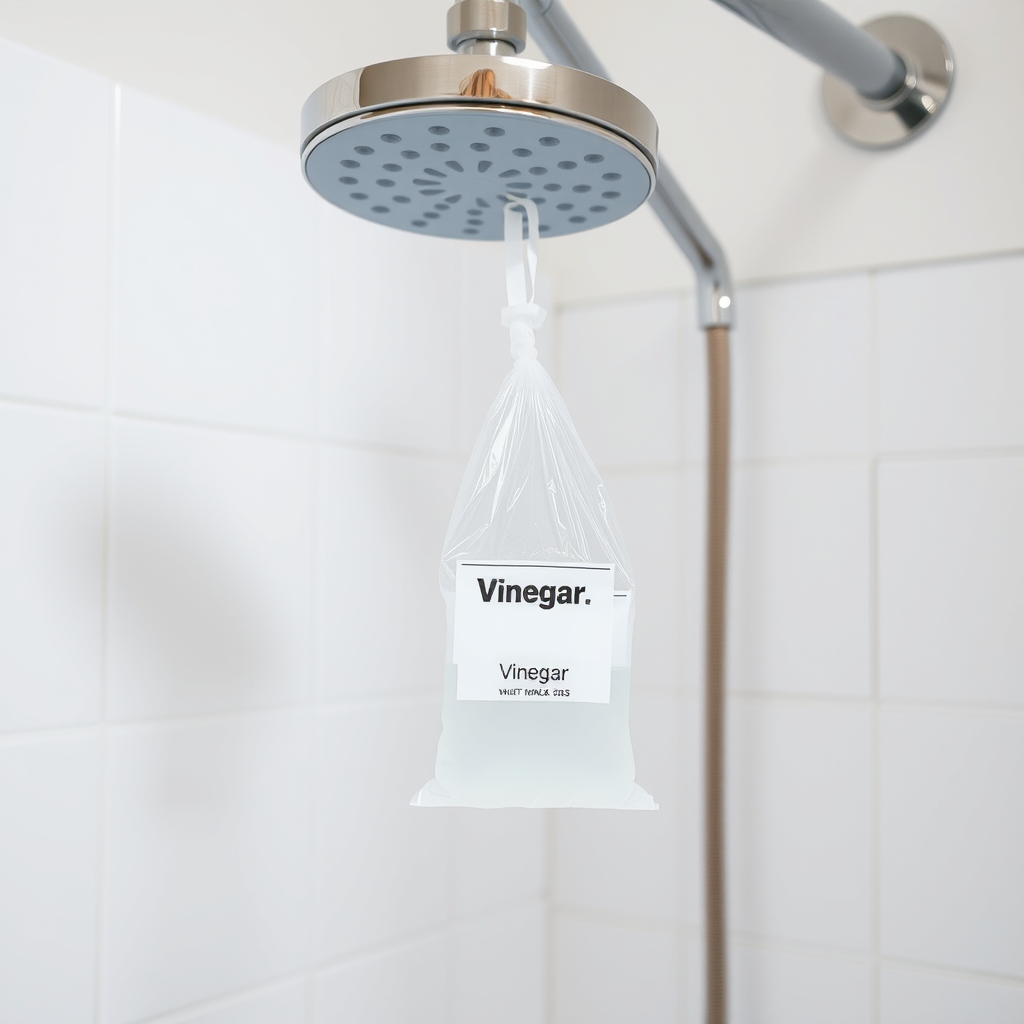 Free fix inside
Bathroom · Shower Head Care
Shower Head Smells Like Mildew? Soak It Clean, or Replace It
Read the fix Free fix inside
Bathroom · Shower Head Care
Shower Head Too Much Pressure? A Flow Restrictor Can Tame It
Read the fixAs an Amazon Associate I earn from qualifying purchases. Affiliate disclosure