Water Heater Popping or Rumbling? Sediment Flush Steps and a Kit
Popping is steam bubbles escaping through sediment at the tank bottom. A yearly flush usually quiets it, and a flush kit makes the job easier.
By Jamilur Rahman Updated November 5, 2026 · 7 min read
- Time
- 1-2 hours
- Cost
- Under $20
- Difficulty
- Medium
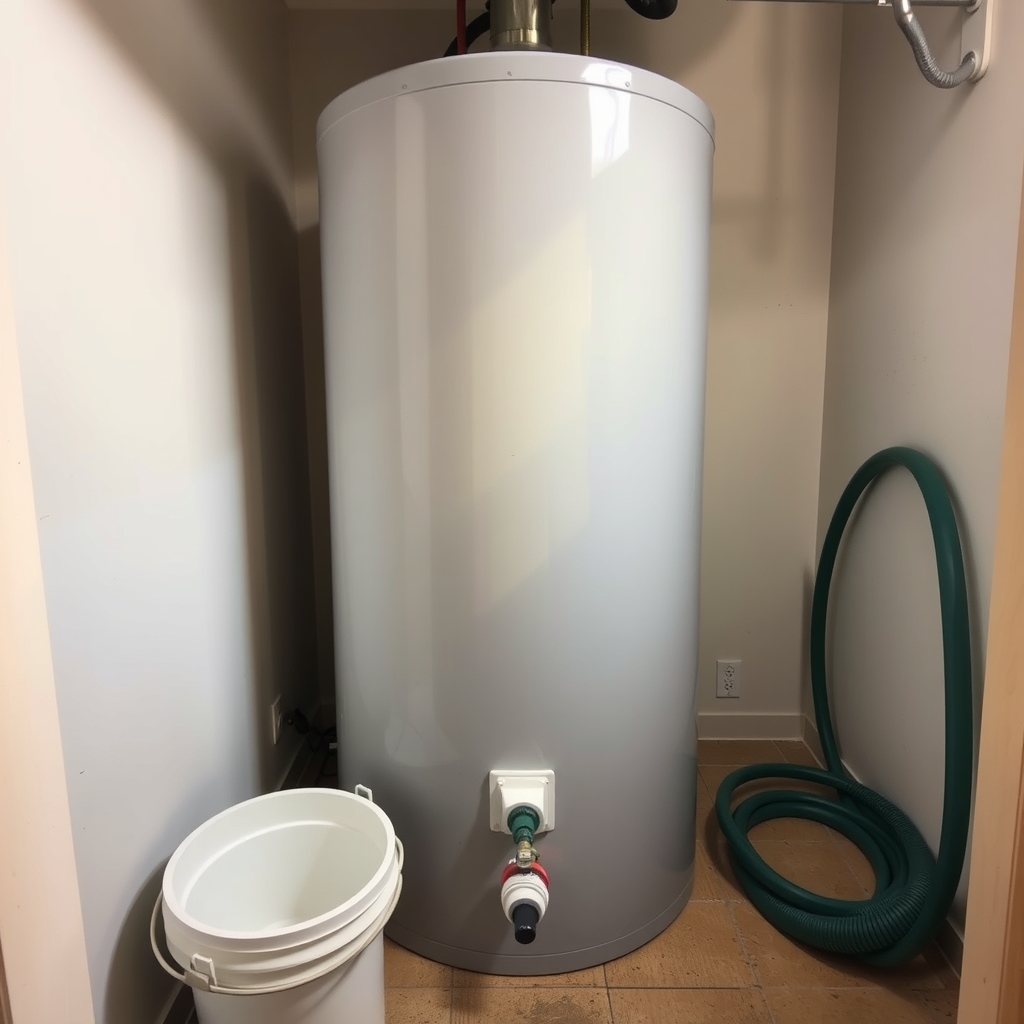
In this guide
Quick answer
To stop a water heater from popping, flush the tank. Popping and rumbling come from sediment on the bottom: water trapped under it overheats and bursts through as steam bubbles. Turn off the power or gas, connect a hose to the drain valve and drain until the water runs clear. A flush kit gives you the fittings and tools to do it cleanly each year.
Free fix vs. permanent fix
Drain and flush with a garden hose
- Turn off power or set gas to pilot, then shut the cold supply
- Let the water cool for a few hours
- Run a hose from the drain valve to a floor drain or outside
- Open a hot tap upstairs and drain until the water runs clear
How long it lasts: A year or more in soft water. Hard water builds sediment faster.
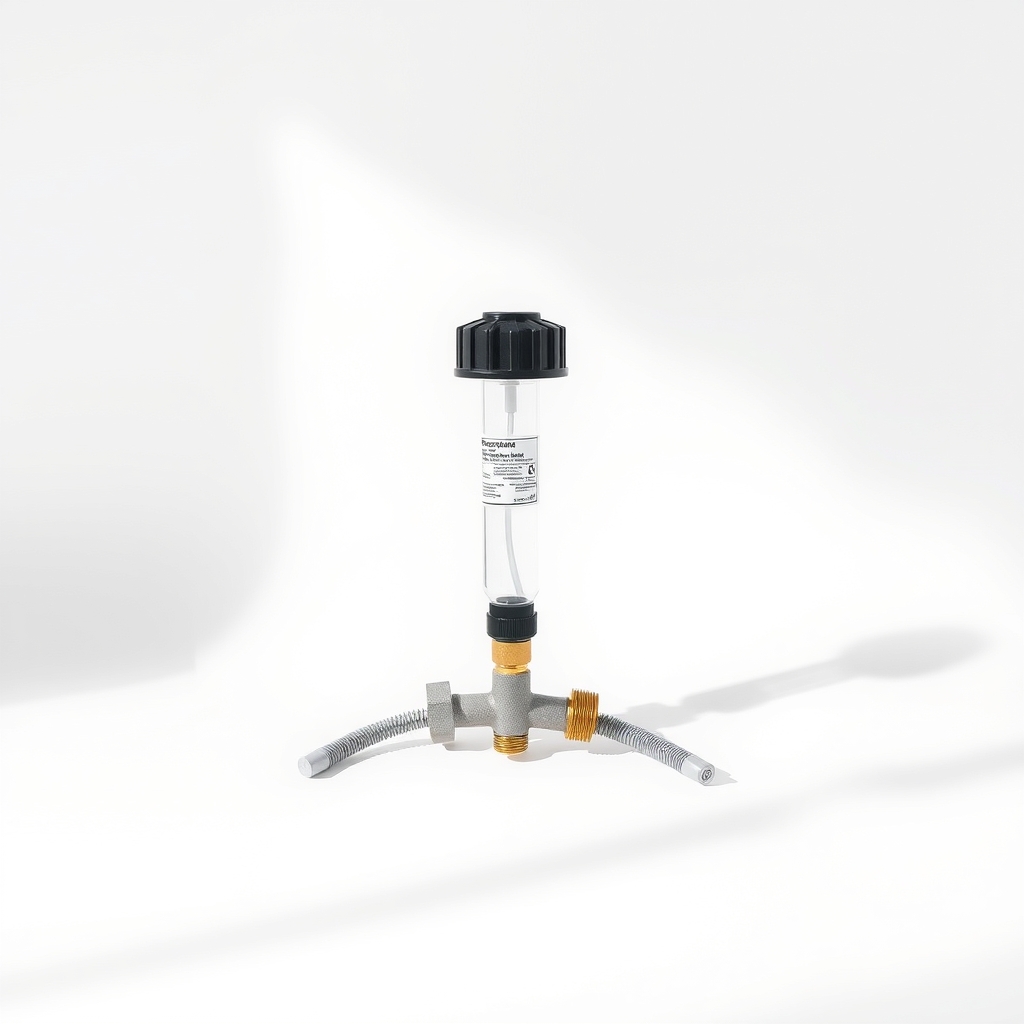
A water heater flush kit
Sediment keeps coming back, so flushing is a yearly job. A kit puts the right hose fitting and tools in one box, and many kits add a nozzle that stirs packed sediment or a brass drain valve. That is easier than improvising with what is in the garage.
What to get: Water heater flush kit
How long it lasts: Reusable every year. It makes each flush faster, so you actually do it.
As an Amazon Associate I earn from qualifying purchases.
What you'll need
-
Garden hose
Long enough to reach a floor drain or the yard
You have it -
Bucket
To check the water color as it drains
You have it -
Work gloves and safety glasses
Hot water and sediment can splash
You have it -
Flathead screwdriver
Some drain valves open with a screwdriver slot
You have it - Our pick Illustration
Water heater flush kit
Hose adapter and a nozzle to stir the sediment
- Illustration
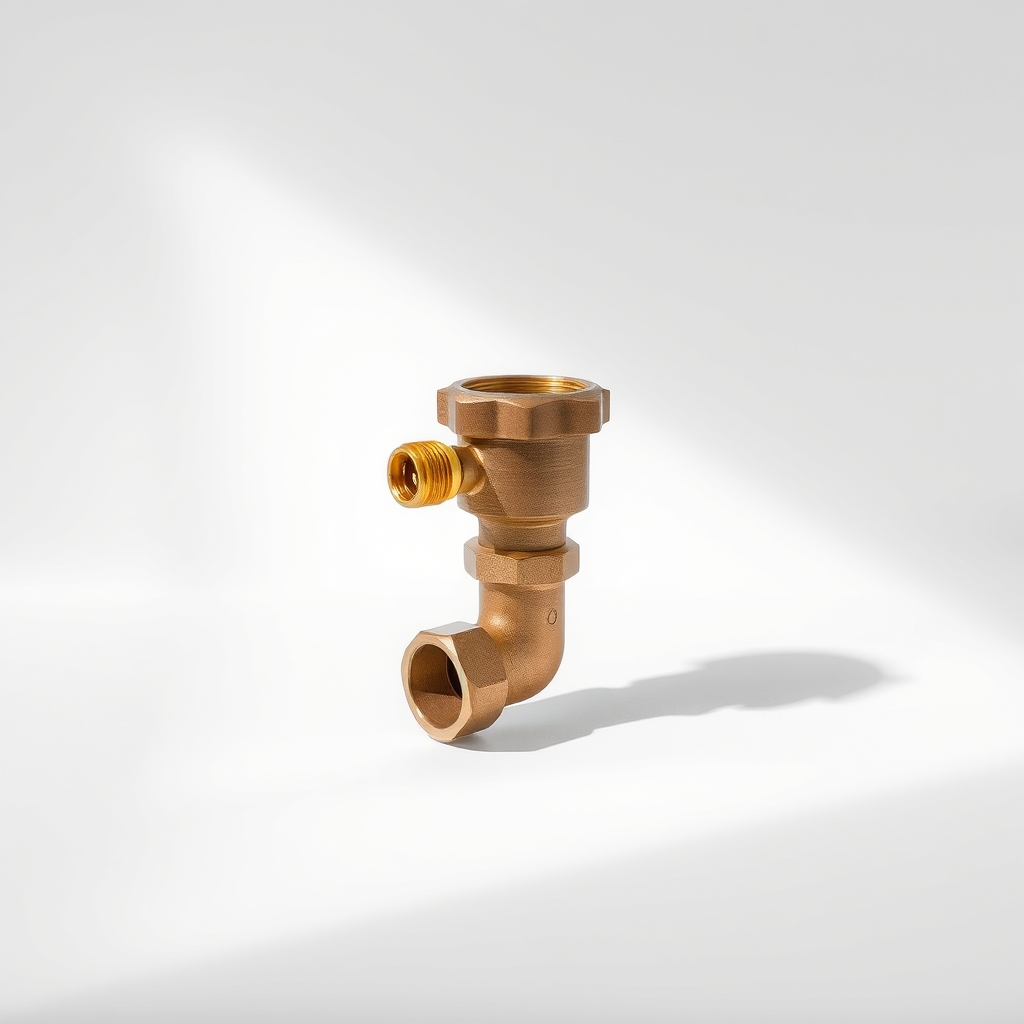
Brass full-port drain valve
Only if your plastic drain valve clogs or drips
Why it happens
Sediment on the tank bottom
Calcium and magnesium in the water settle in layers. Water trapped under that layer overheats and boils, and the bubbles pop up through it. That is the popping and rumbling you hear.
Hard water
The harder your water, the faster the sediment grows. Homes on well water or hard city water see it sooner.
Years without a flush
A tank that has never been drained builds layers that harden into scale. The older the layer, the louder the noise and the harder it is to clear.
Noises that are not sediment
Ticking is usually pipes expanding as they heat. Banging when a tap closes is water hammer. A high whine often means scale on an element or a half-closed valve.
An aging tank or tired element
Tanks past 10 to 15 years often get noisy and less efficient. Scale on an electric element can add its own sizzle.
Try this first (free)
Do these in order, starting with the simplest.
-
Read the manual and switch off the heat
Check the tank size and the maker's flush directions. For an electric heater, switch off the breaker. For gas, turn the control to pilot or off.
-
Shut the cold supply and let it cool
Tool used: Work gloves and safety glassesClose the cold water valve on top of the tank. Wait a few hours, because a hot tank can scald. Put on gloves and glasses before the next step.
-
Attach the hose
Tool used: Garden hoseScrew a garden hose onto the drain valve near the bottom of the tank. Run the other end to a floor drain or outdoors, lower than the tank.
-
Open a hot tap, then the drain valve
Tool used: BucketOpen a hot faucet upstairs to let air in. Then open the drain valve with your hand or a screwdriver. Catch a little water in the bucket to see the color.
-
Stir the sediment and drain until clear
Tool used: Water heater flush kitBriefly open the cold supply valve to stir up bottom sediment while the drain is open. Repeat until the water runs clear. A quick flush drains a few gallons, and a deep flush empties the whole tank. A kit nozzle helps the stirring.
IllustrationCheck price on AmazonTool for this step
Water heater flush kit · Hose adapter and a nozzle to stir the sediment
-
Refill before turning the heat on
Close the drain valve and remove the hose. Open the cold valve with a hot tap still open and wait until water flows steadily, with no air bursts. Only then restore power or gas as the manual says. Never turn on an electric heater with an empty tank.
When free fixes aren't enough
If water barely dribbles or stops, the drain valve is clogged with sediment. A brass full-port valve is the usual fix. If the heater is more than 10 to 15 years old and has never been flushed, the sediment is packed hard, and a first flush may not clear it or may make an old drain valve leak. Call a plumber if the popping continues after a flush, if there is water around the base, or if the pressure-relief valve is discharging. If you smell gas, leave the house and call your gas company from outside.
Buy the fix
Still stuck after the free fixes? These are the products we would look at.
| Pick | Product | Fixes | Who it's for | Buy |
|---|---|---|---|---|
| Best pick | Water heater flush kit | sediment that causes popping and rumbling | Homeowners with a tank heater who have not flushed it in a year or more. | Check price |
| Upgrade pick | Brass full-port drain valve for water heaters | a plastic drain valve that clogs, drips or breaks | People whose valve dribbles during a flush or leaks afterward. | Check price |
Water heater flush kit
Fixes: sediment that causes popping and rumbling
Look for: A hose adapter that fits your drain valve thread; A nozzle or wand to stir packed sediment if you have hard water; Brass parts, not thin plastic, for any valve it includes.
- Who it's for
- Homeowners with a tank heater who have not flushed it in a year or more.
- Honest downside
- You have a tankless heater, which needs a descaling kit with a pump and vinegar. Also be careful with an old, never-flushed tank where the drain valve may leak after being opened.
Brass full-port drain valve for water heaters
Fixes: a plastic drain valve that clogs, drips or breaks
Look for: A thread that matches your tank's drain; A full-port brass ball valve that sediment cannot easily clog; A hose-thread outlet for flushing.
- Who it's for
- People whose valve dribbles during a flush or leaks afterward.
- Honest downside
- You are not comfortable draining the whole tank and sealing the new threads. Ask a plumber to fit it.
As an Amazon Associate I earn from qualifying purchases. We don't show prices because they change, so use the button to see today's price.
How we picked: How we picked: this page is based on water heater maker manuals and flushing guides, public safety advice on gas smells, and the fixes people report in reviews of flush kits. We do not test products by hand.
Which noise is it?
- Popping or rumbling: sediment. Flush the tank.
- Ticking: pipes expanding as they heat.
- Banging when a tap shuts: water hammer.
- High whine: a half-closed valve or scale on an element.
Tankless heaters: descale, do not flush
A tankless heater has no tank to drain, but its heat exchanger scales up in hard water. The maker's fix is a descaling cycle with a small pump and a vinegar solution. Check your manual for the right method.
What to skip
Turning down the thermostat to hush the noise
Lower heat may quiet the popping for a while, but the sediment stays and keeps insulating the water from the burner or element. Skip strong acid tank cleaners too, unless your manual allows them.
Frequently asked questions
Why does my water heater make a popping noise?
Why is my water heater making noise, and how do I stop it?
How much water should you drain from a hot water heater?
What tool do I need to clean a water heater?
How often should I flush my water heater?
Related problems
 Free fix inside
Bathroom · Shower Water Smell
Shower Smells Like Rotten Eggs? Check the Water Heater First
Read the fix Free fix inside
Bathroom · Shower Head
Low Shower Water Pressure? Descale First, Then Try a New Head
Read the fix Free fix inside
Bathroom · Bathroom Tile
Bathroom Tiles Turning White? That's Usually Hard Water Scale
Read the fix Free fix inside
Bathroom · Shower Head
Shower Head Whistling? Why It Squeals and How to Quiet It
Read the fixAs an Amazon Associate I earn from qualifying purchases. Affiliate disclosure