Shower Smells Like Rotten Eggs? Check the Water Heater First
A rotten egg smell on hot water only usually starts in the tank. Flush and treat it, then fit a powered anode rod if the smell keeps coming back.
By Jamilur Rahman Updated November 5, 2026 · 7 min read
- Time
- 1-2 hours
- Cost
- $150+
- Difficulty
- Medium
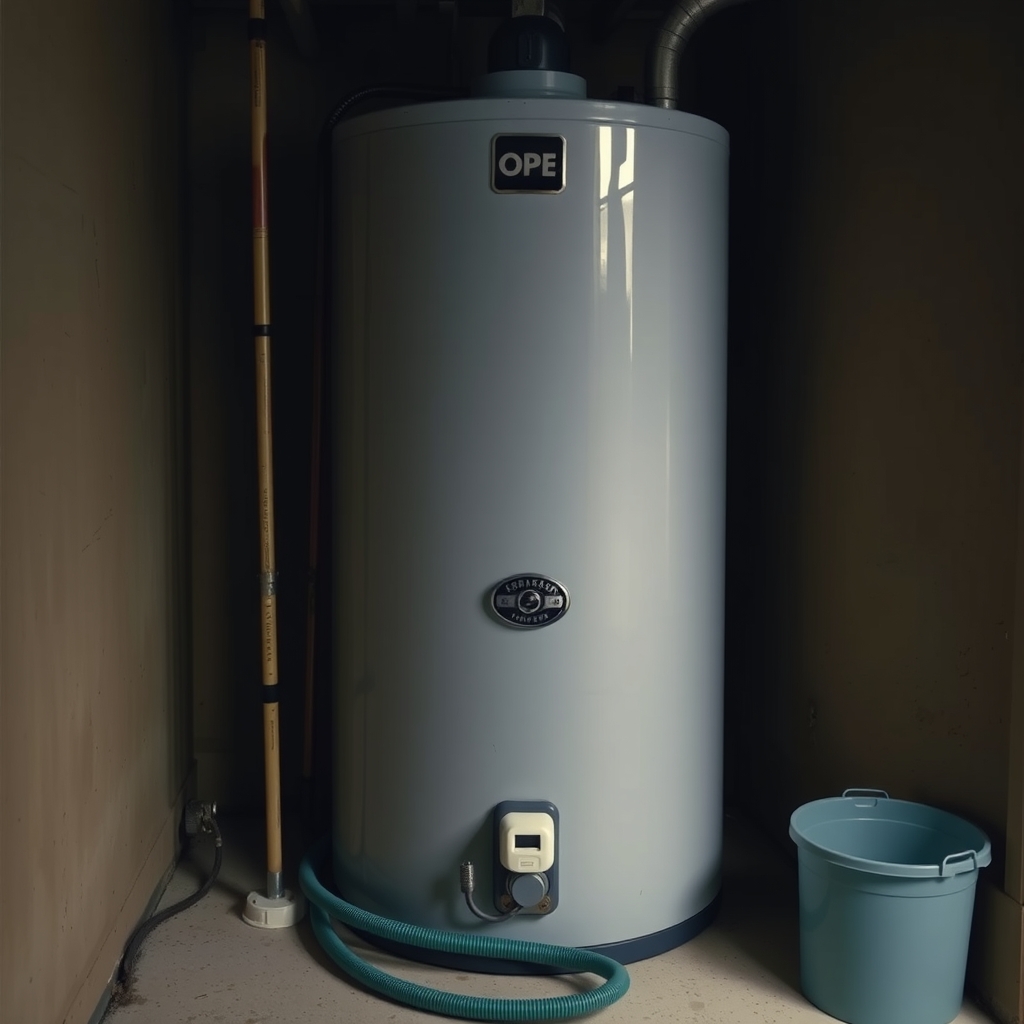
In this guide
- Quick answer
- Free vs. permanent fix
- What you'll need
- Why it happens
- Try this first (free)
- When free fixes aren't enough
- Buy the fix
- Shower head smells like sulfur vs shower head smells like sewage: how to tell
- Water heater smells like rotten eggs: what is going on inside the tank
- Before you buy an anode rod: what to check
- What to skip
- FAQ
- Related problems
Quick answer
When your shower head smells like rotten eggs on hot water only, the water heater is almost always the cause. Bacteria in the tank make hydrogen sulfide gas, and a magnesium anode rod can feed the problem. Flush the tank and shock it with hydrogen peroxide first. If the smell returns, a powered anode rod stops the reaction that keeps feeding it.
Free fix vs. permanent fix
Flush and shock-treat the tank
- Smell hot and cold water separately to confirm it is the heater
- Flush the tank to clear sediment
- Treat the tank with 3% hydrogen peroxide, then flush again
- Keep the thermostat at about 120°F
How long it lasts: Weeks to months. Bacteria regrow, especially if the anode rod keeps feeding them.
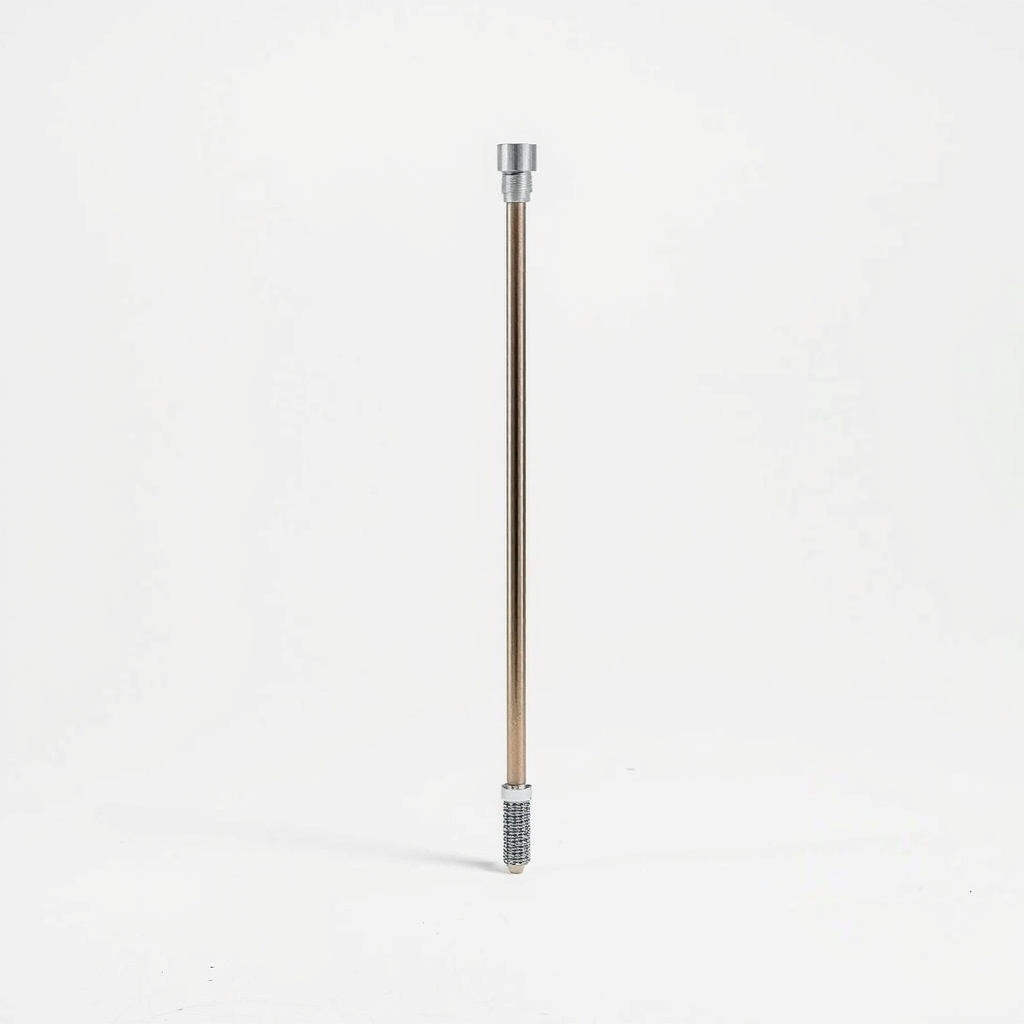
A powered anode rod
A standard magnesium rod sacrifices itself to protect the tank, and in some water that reaction feeds the smell. A powered rod protects the tank with a small electric current, so the sacrificial reaction stops. Owners report the smell going away.
What to get: Powered anode rod for a water heater
How long it lasts: Years. Makers say it outlasts a standard rod, though independent testing is thin.
As an Amazon Associate I earn from qualifying purchases.
What you'll need
-
Garden hose
For draining and flushing the tank
You have it - Illustration
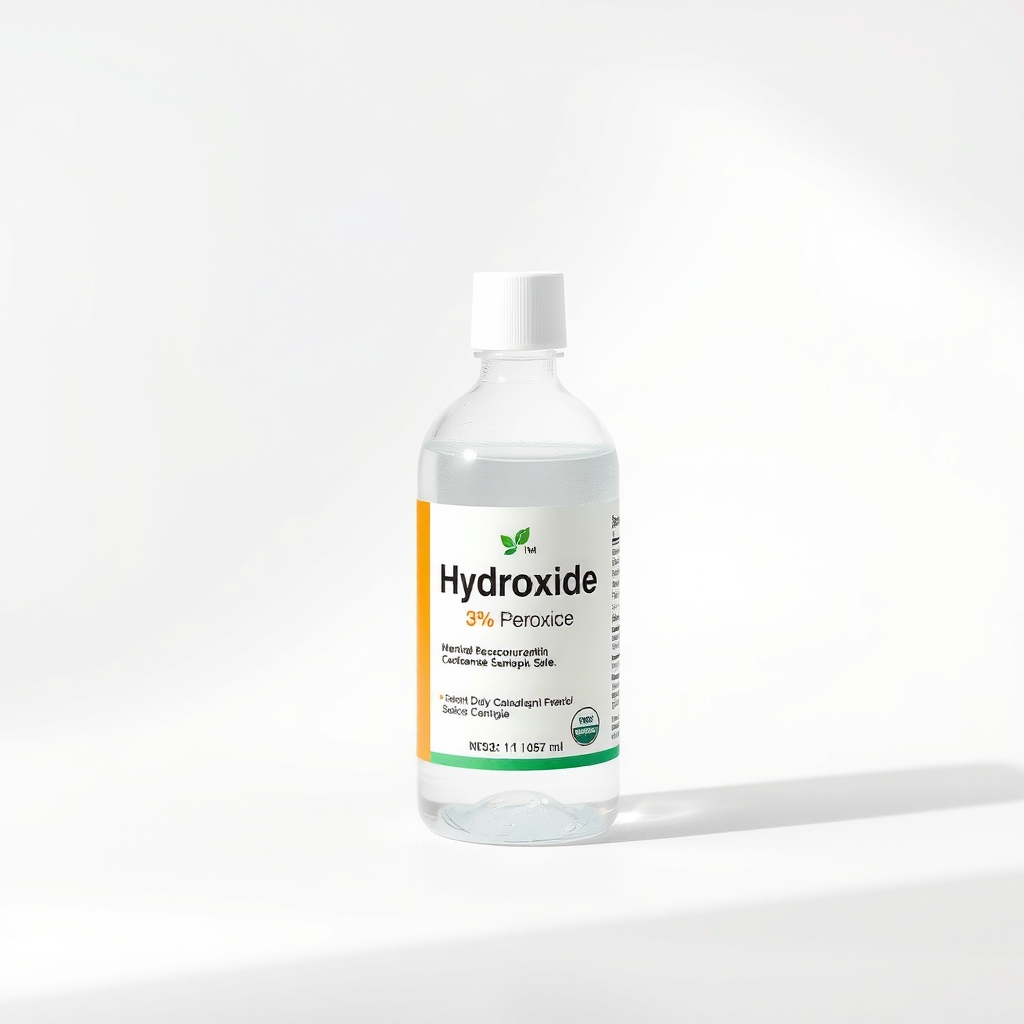
3% hydrogen peroxide
The drugstore kind, for the shock treatment
- Illustration
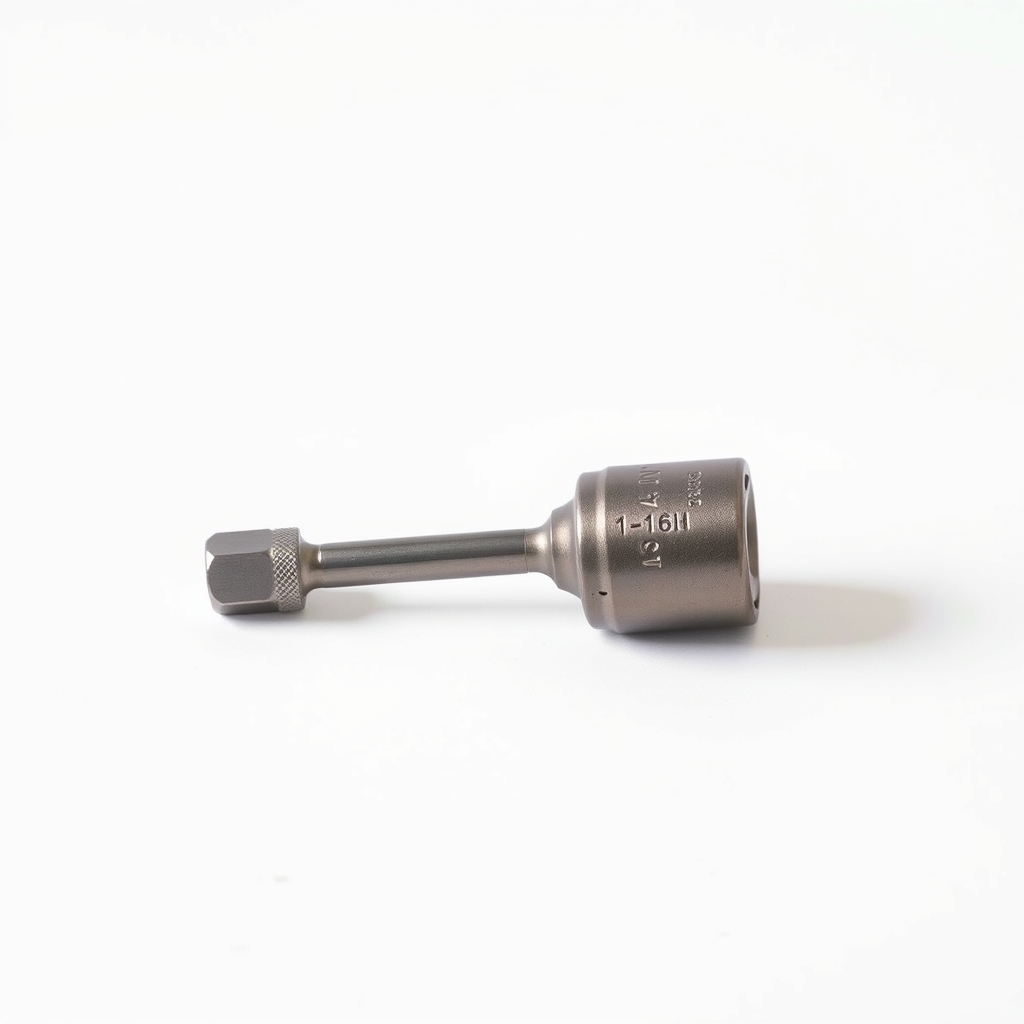
1-1/16 inch socket and breaker bar
Most anode rods have a hex head this size. Check yours
- Our pick Illustration
Powered anode rod
Replaces the rod that is feeding the smell
- Illustration
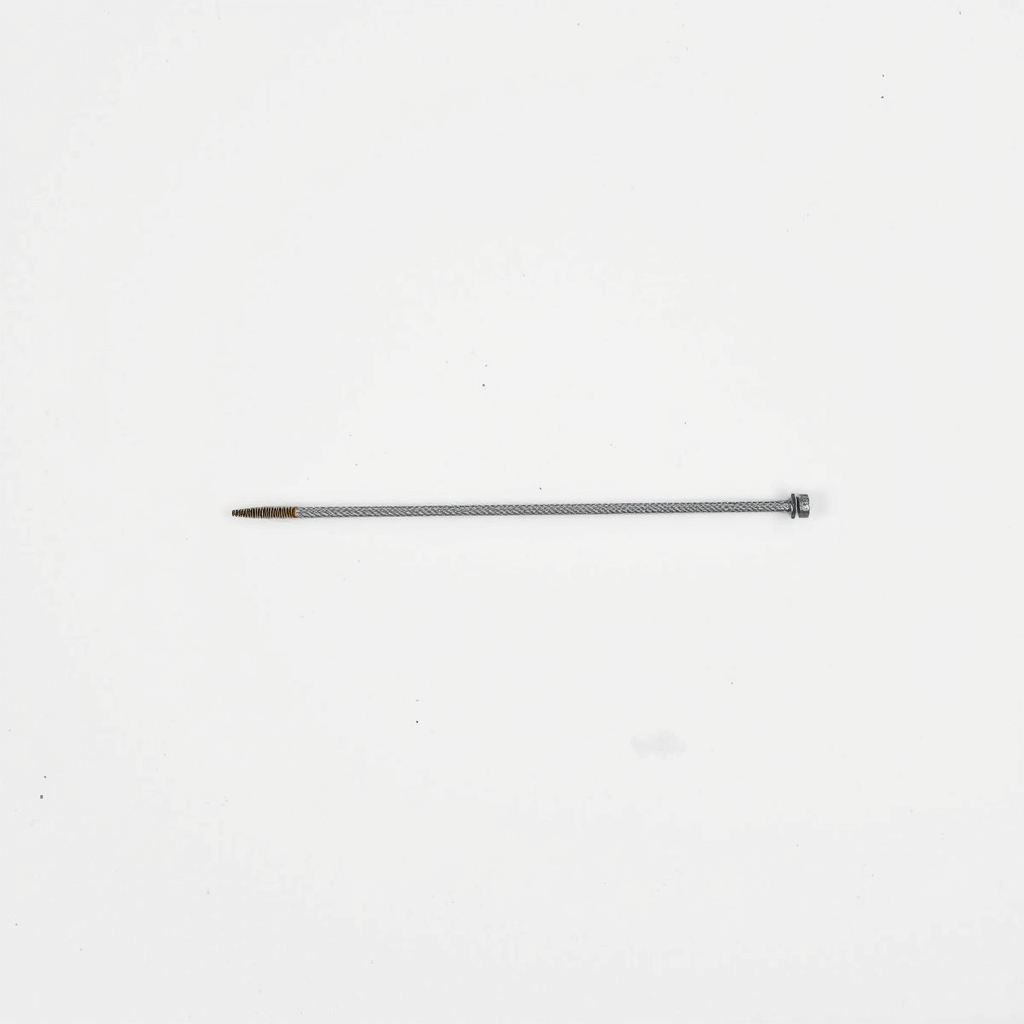
Aluminum-zinc anode rod
A lower-cost rod that helps in many tanks
Why it happens
Bacteria in the tank
Sulfate-reducing bacteria grow in warm water with little oxygen. They feed on sulfate in your water and give off hydrogen sulfide, which smells like rotten eggs.
A magnesium anode rod
The rod protects the steel tank from rust, but in water with sulfates its reaction can help the bacteria along. A hot-water-only smell points here.
A low thermostat or an unused heater
Water kept well below 120°F, or a heater that sat idle for weeks while you were away, gives bacteria room to grow.
Sulfur in the water supply
If cold water smells too, the source is your well or supply, not the heater. A rod swap will not fix that, so test the water.
Try this first (free)
Do these in order, starting with the simplest.
-
Smell the hot and cold water separately
Fill one glass from the hot tap and one from the cold. Smell each. A smell only in the hot glass points to the water heater. A smell in both points to the supply.
-
Flush the tank
Tool used: Garden hoseTurn off the power at the breaker, or set a gas heater to pilot. Connect a hose to the drain valve and run it outside or to a floor drain. Open a hot tap upstairs, drain for several minutes and watch for sediment. Let the water cool first so you do not get scalded.
-
Shock-treat with hydrogen peroxide
Tool used: 3% hydrogen peroxideMany guides use 1 to 2 pints of 3% peroxide for every 40 gallons of tank, left in for a few hours, then flushed until the water runs clear. Follow your manual first, and refill the tank before turning the power back on.
IllustrationCheck price on AmazonTool for this step
3% hydrogen peroxide · The drugstore kind, for the shock treatment
-
Check the anode rod
Tool used: 1-1/16 inch socket and breaker barShut off power or gas and the cold supply, drain a few gallons and unscrew the rod from the top of the tank. If it is eaten away or thickly coated, replace it. You need about a foot or more of clearance above the tank, or a flexible rod.
IllustrationCheck price on AmazonTool for this step
1-1/16 inch socket and breaker bar · Most anode rods have a hex head this size. Check yours
-
Fit the new rod and refill the tank first
Tool used: Powered anode rodWrap the threads with thread seal tape, tighten the rod, then plug a powered rod into a nearby outlet. Refill the tank and run a hot tap until it flows before you restore power to an electric heater. A dry element burns out.
IllustrationCheck price on AmazonTool for this step
Powered anode rod · Replaces the rod that is feeding the smell
When free fixes aren't enough
If the smell comes back within weeks of a flush and peroxide treatment, the anode rod is probably feeding the bacteria again, and a powered rod is the fix that lasts. Most claims about powered rods come from the makers and owner reviews, so go in knowing independent testing is thin. If you smell gas near the heater, in the air or when no tap is running, do not flip switches. Leave the home and call your gas supplier or emergency number. Natural gas smells the same way, and a leak is dangerous.
Buy the fix
Still stuck after the free fixes? These are the products we would look at.
| Pick | Product | Fixes | Who it's for | Buy |
|---|---|---|---|---|
| Best pick | Powered anode rod for a water heater | the rotten egg smell that starts inside the tank | Anyone with a hot-water-only smell that returns after flushing and a peroxide treatment. | Check price |
| Budget pick | Aluminum-zinc anode rod | the smell in many tanks that use a magnesium rod | Owners who want a lower-cost swap and have no outlet near the heater. | Check price |
Powered anode rod for a water heater
Fixes: the rotten egg smell that starts inside the tank
Look for: A length and thread that fit your tank's anode port, commonly 3/4 inch; A titanium electrode and a controller that stays outside the tank; A cord that reaches an outlet near the heater; A listed fit for tank water heaters, not tankless.
- Who it's for
- Anyone with a hot-water-only smell that returns after flushing and a peroxide treatment.
- Honest downside
- The smell is in cold water too, you have a tankless heater, or there is no outlet near the tank. Renters should ask the landlord.
Aluminum-zinc anode rod
Fixes: the smell in many tanks that use a magnesium rod
Look for: An aluminum and zinc alloy, not magnesium; A length and thread that fit your tank; A flexible segmented design if the ceiling is low.
- Who it's for
- Owners who want a lower-cost swap and have no outlet near the heater.
- Honest downside
- You want the most reliable fix. Owners report mixed results, and the smell can return.
As an Amazon Associate I earn from qualifying purchases. We don't show prices because they change, so use the button to see today's price.
How we picked: How we picked: this page is based on plumbing and water heater maintenance guides, water-quality advice on hydrogen sulfide, maker instructions for anode rods and what owners report in reviews. We do not test products by hand.
Shower head smells like sulfur vs shower head smells like sewage: how to tell
- Rotten eggs, hot water only: the water heater.
- Rotten eggs, hot and cold: the water supply or well.
- Sewage smell from the drain, even with the water off: a dry or dirty drain trap. Run water for a minute and clean the drain.
- Gas smell near appliances or in the air: a possible gas leak. Leave and call the gas supplier.
Water heater smells like rotten eggs: what is going on inside the tank
Your tank is warm, dark and low in oxygen, which suits sulfate-reducing bacteria. They live on sulfate in the water and produce hydrogen sulfide. The magnesium anode rod and a thermostat set too low can help them thrive. A flush and a peroxide treatment clear the bacteria, but they regrow until the rod changes.
Before you buy an anode rod: what to check
- Tank type: tank only. Tankless heaters have no anode rod.
- Clearance: measure the space above the tank, or choose a flexible rod.
- Port size: look at the hex head and thread of the old rod.
- Outlet: a powered rod needs one within cord reach.
- Warranty: check the manual for terms on changing the rod.
What to skip
Chemical drain cleaners and scented water fixes
Pouring cleaner down the shower drain does nothing for a smell that starts in the heater. Scented bath products only mask it. Do not turn the thermostat far above 120°F to kill bacteria, because that raises the scald risk.
Frequently asked questions
Shower faucet smells bad on hot only: is it the water heater?
Why does my water heater smell like rotten eggs?
Water heater smells like sulfur: is it dangerous?
Water heater smells like eggs after I was away: why?
Do I need a plumber to change the anode rod?
Related problems
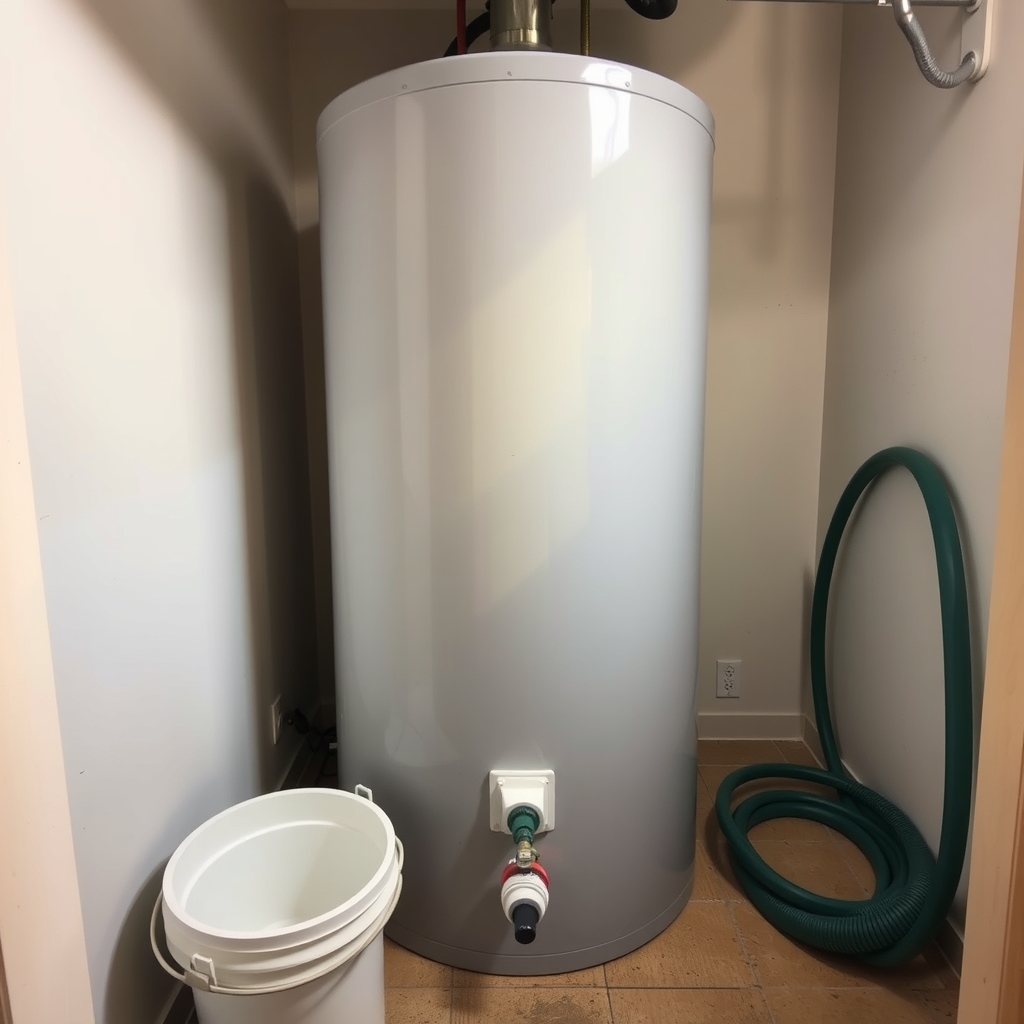 Free fix inside
Bathroom · Water Heater
Water Heater Popping or Rumbling? Sediment Flush Steps and a Kit
Read the fix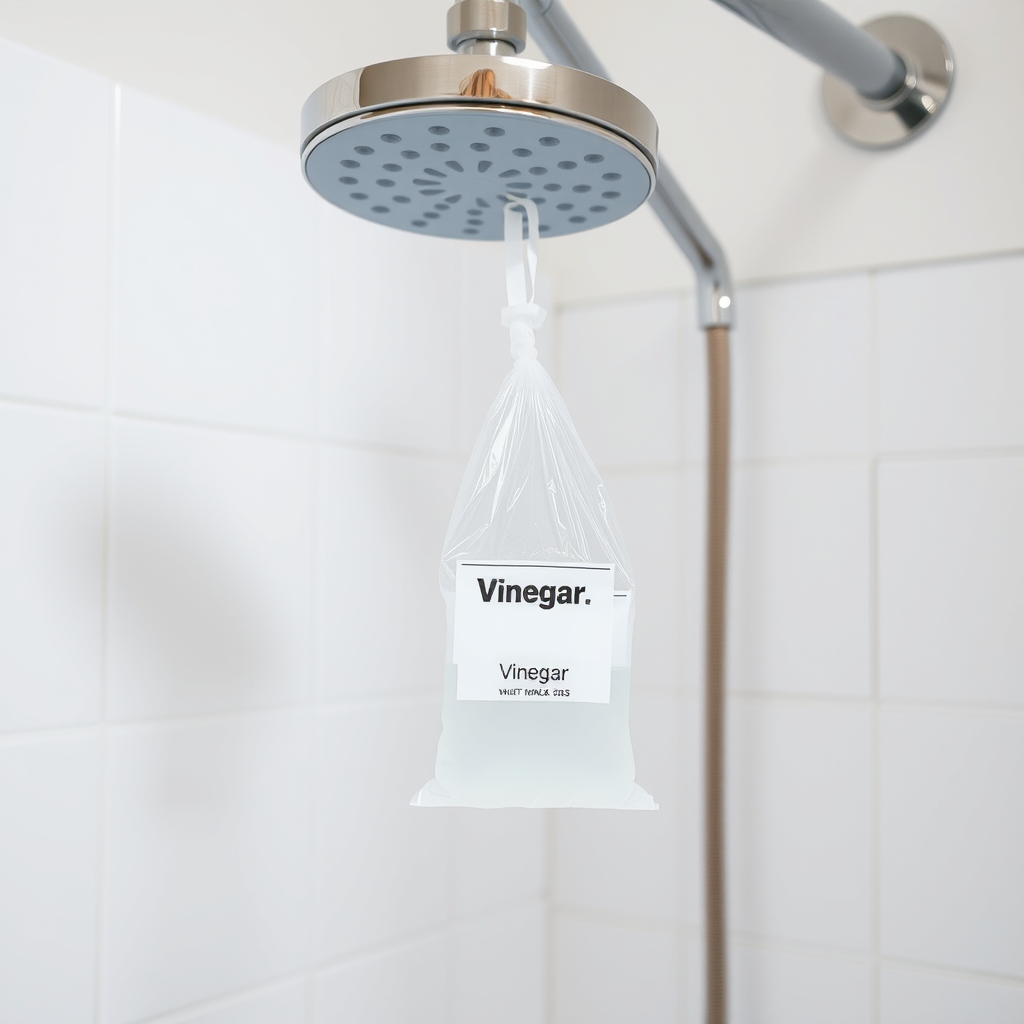 Free fix inside
Bathroom · Shower Head Care
Shower Head Smells Like Mildew? Soak It Clean, or Replace It
Read the fix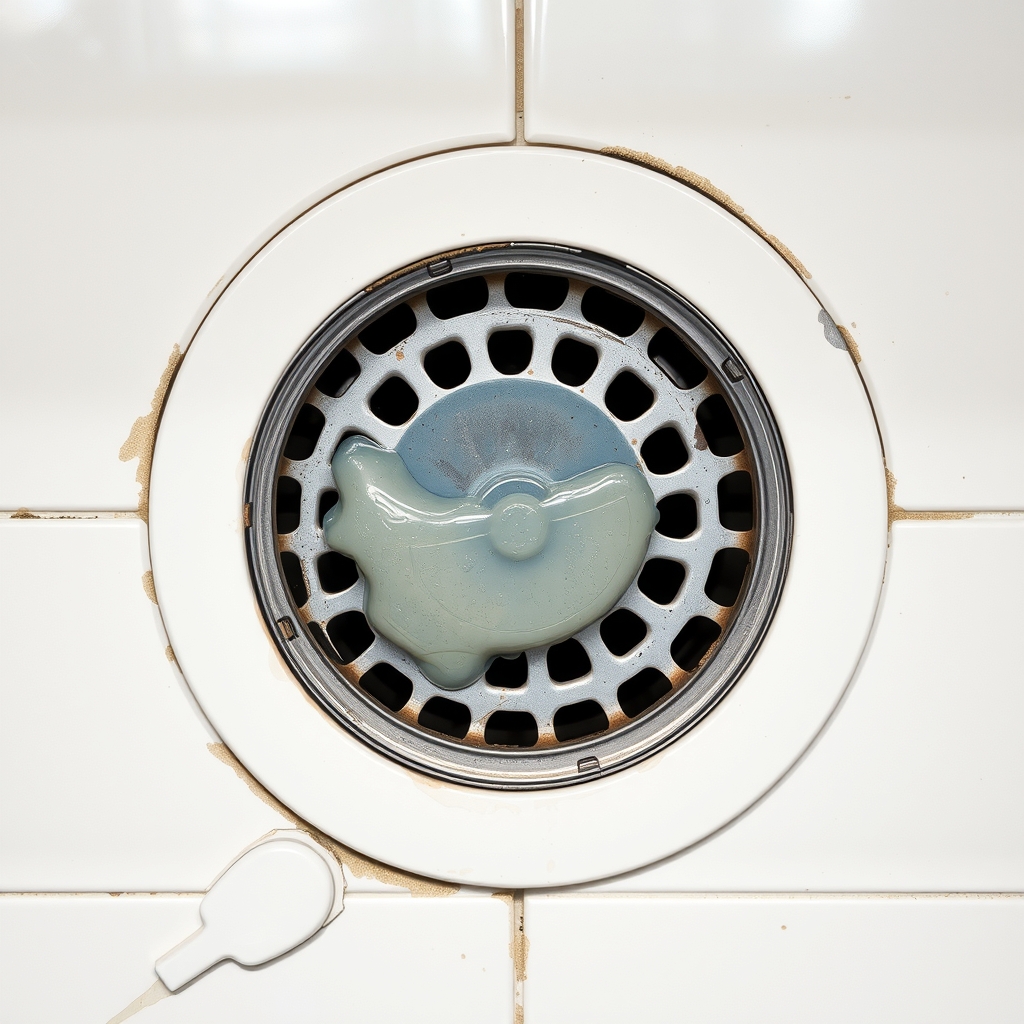 Free fix inside
Bathroom · Shower Drain
Shower Drain Smells Bad? 4 Causes, the Free Fix, and What to Buy
Read the fix Free fix inside
Bathroom · Bathroom Odor
Bathroom Smells Like Sewer? Check the Floor Drain Trap First
Read the fixAs an Amazon Associate I earn from qualifying purchases. Affiliate disclosure