Bathroom Tiles Falling Off? Re-Stick Them Before Moisture Spreads
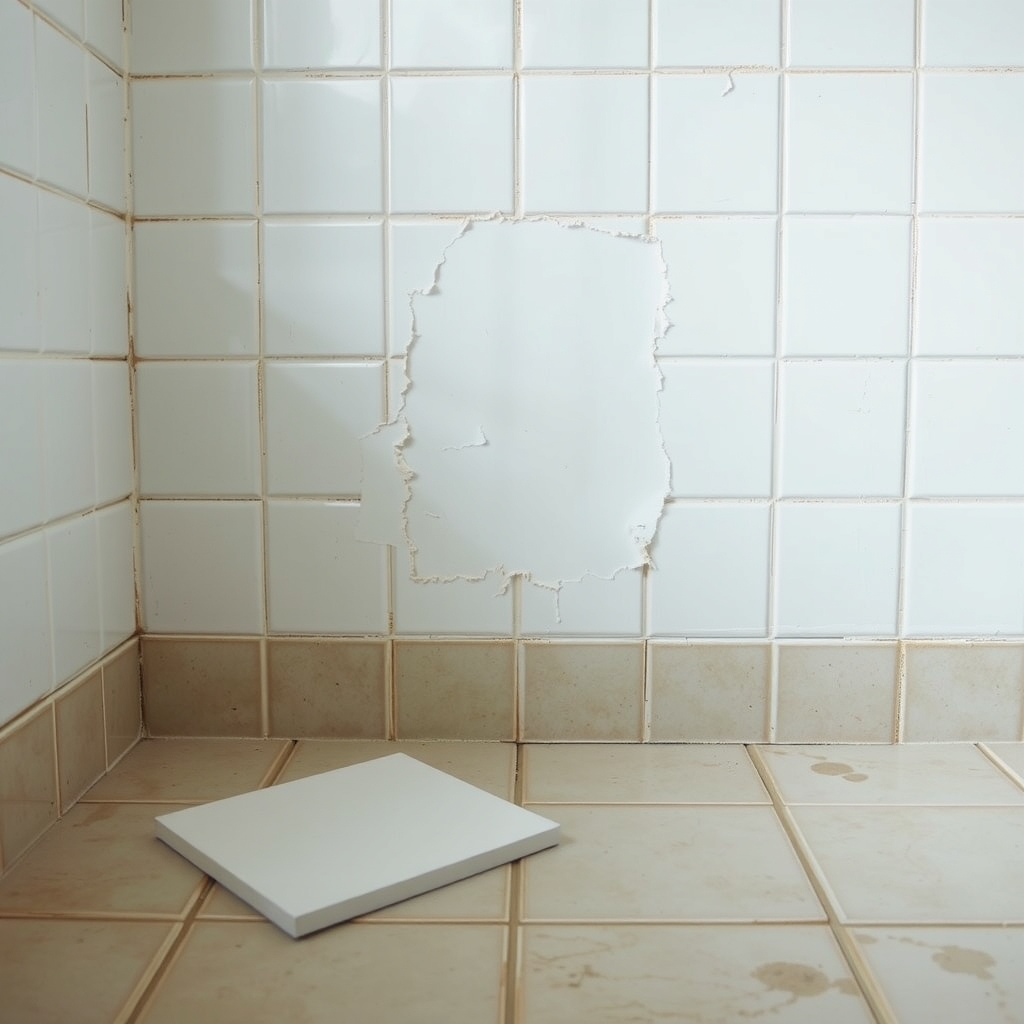
A tile that pops loose means its bond failed, often because water got behind it. Dry the spot, re-stick it with waterproof adhesive, and seal the joints.
By Jamilur Rahman Updated November 5, 2026 · 6 min read
- Time
- 1 hour plus cure time
- Cost
- Under $20
- Difficulty
- Medium
In this guide
Quick answer
To fix bathroom tiles falling off, find the cause first, usually water behind the tile or old adhesive that let go. Dry the spot, scrape it clean, and re-set the tile with waterproof tile adhesive made for wet areas. Then re-grout or caulk the joints so moisture does not get behind it again.
Free fix vs. permanent fix
Dry it out and tap-test
- Tap each tile with a coin; a hollow sound means it is loose
- Check for soft, damp or moldy backing under any tile that came off
- Let the wall or floor dry out fully
- Stop water from reaching the spot until it is repaired
How long it lasts: Shows how far the problem goes. A loose tile will not stay put without new adhesive.
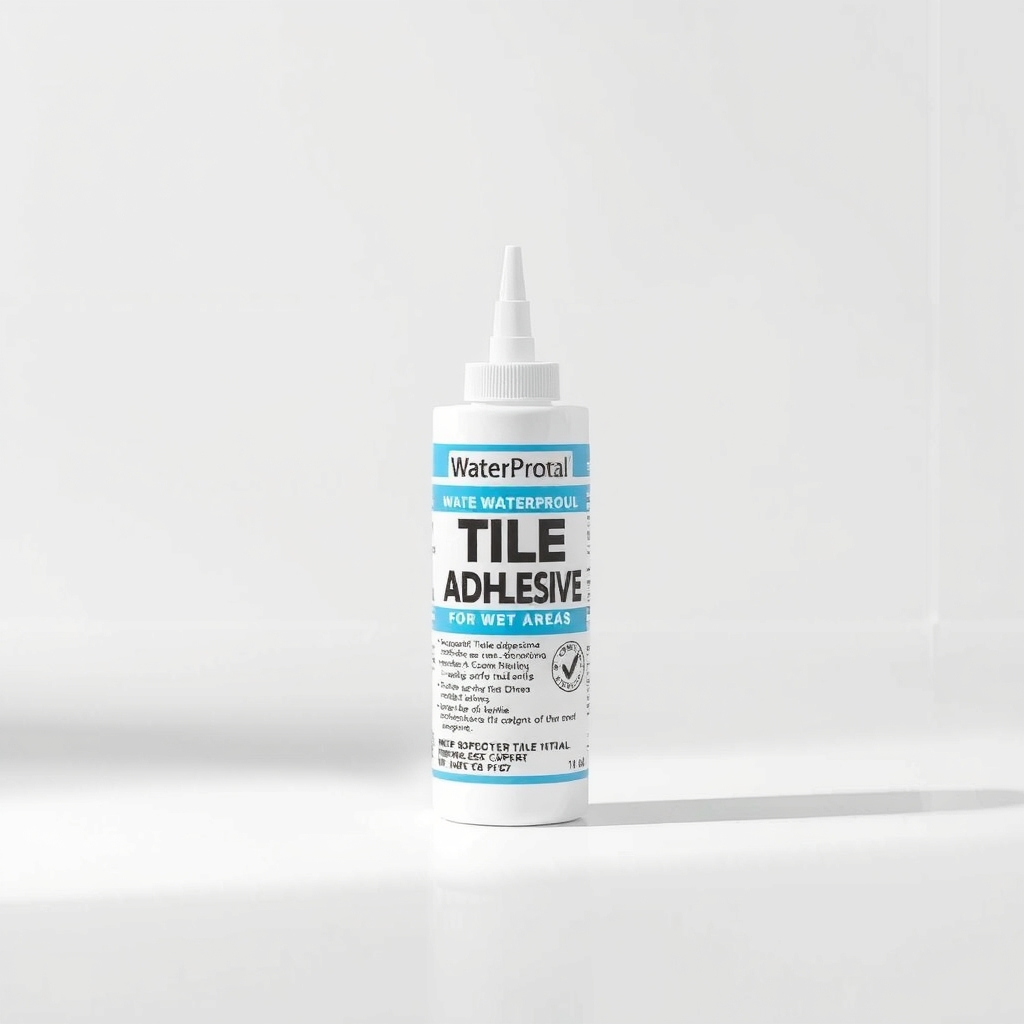
Waterproof tile adhesive
Tiles fall because the bond fails, often after water gets behind them. A wet-area adhesive bonds the tile to a clean, dry surface and tolerates moisture, and fresh grout or caulk keeps new water out.
What to get: Waterproof tile adhesive for wet areas
How long it lasts: Years, if you also seal the joints and fix any leak.
As an Amazon Associate I earn from qualifying purchases.
What you'll need
-
Gloves and safety glasses
For scraping old adhesive and handling sharp edges
You have it -
Putty knife
Lifts loose tile and scrapes the surface clean
You have it -
Painter's tape
Marks loose tiles and holds the repaired one while it sets
You have it - Our pick Illustration
Waterproof tile adhesive
Labeled for wet areas and for your wall or floor
- Illustration
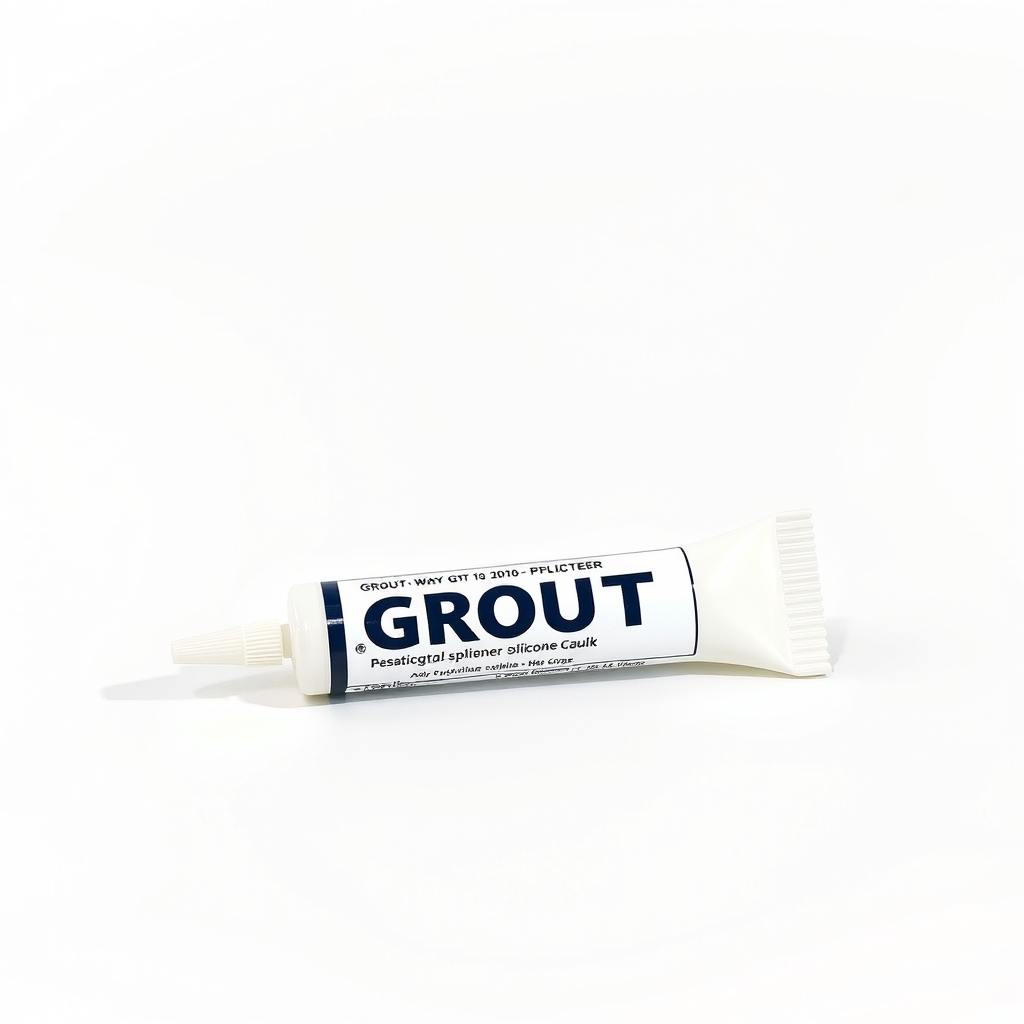
Grout or silicone caulk
Seals the joints so water stays out
- Illustration
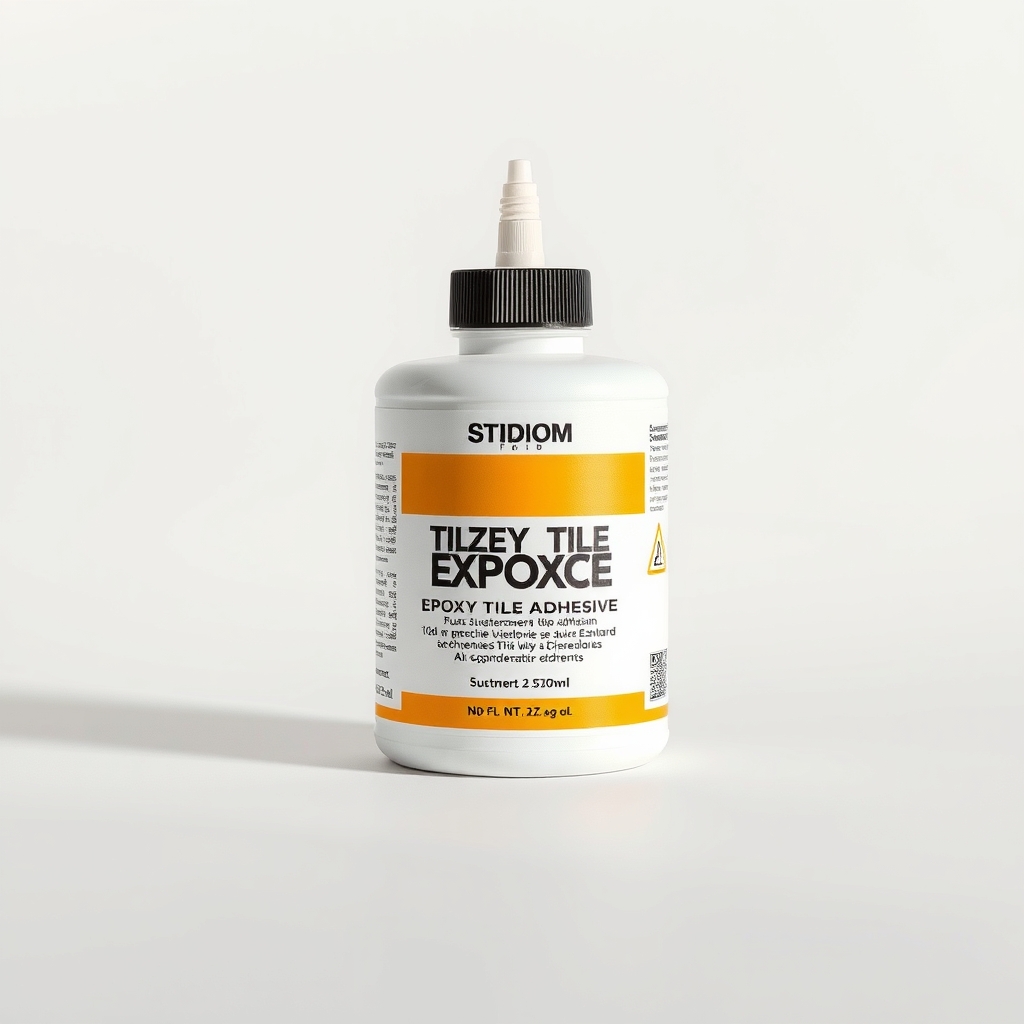
Two-part epoxy tile adhesive
For one tile that keeps letting go
Why it happens
Water behind the tile
Grout and caulk are not waterproof. Once cracks open, water seeps behind the tile, softens the adhesive and pushes the tile off the wall or floor.
The wrong or old adhesive
Some older walls use mastic that never liked constant moisture. It softens and lets go in showers and around tubs.
Flex in the wall or floor
A bouncy subfloor or loose backing board makes tiles crack and lift, especially along edges or near the toilet.
Poor coverage from the start
If adhesive covered only part of a tile's back, the unbonded areas sound hollow and eventually pop loose.
Try this first (free)
Do these in order, starting with the simplest.
-
Tap and map the damage
Tool used: Painter's tapeTap each tile near the problem with a coin or screwdriver handle. A hollow sound or a rattle means it is loose. Mark each one with painter's tape.
-
Lift loose tiles and look behind
Tool used: Putty knifePry loose tiles off with the putty knife. Check the wall or floor underneath. If it is dry and firm, carry on. If it is soft, black or smells musty, stop here.
-
Scrape and let it dry
Tool used: Gloves and safety glassesScrape old adhesive off the back of the tile and the surface. Vacuum the dust. Let everything dry fully, which can take a day or more.
-
Re-set the tile with waterproof adhesive
Tool used: Waterproof tile adhesiveSpread a thin, even layer on the surface with the putty knife. Press the tile in with a slight twist and keep the gap even with its neighbors. Wipe squeezed-out adhesive at once, and tape the tile so it cannot slide.
IllustrationCheck price on AmazonTool for this step
Waterproof tile adhesive · Labeled for wet areas and for your wall or floor
-
Wait, then seal the joints
Tool used: Grout or silicone caulkLeave it for the cure time on the label, often 24 to 72 hours. Then fill the joints with grout and run silicone caulk along corners and where tile meets the tub or shower pan.
IllustrationCheck price on AmazonTool for this step
Grout or silicone caulk · Seals the joints so water stays out
When free fixes aren't enough
A tile that came off whole from a dry, solid surface is an easy re-stick. Stop and call a pro if several tiles are loose in the same area, the surface behind is soft, or you see black mold. That means water has been getting in for a while and the wall or floor may need repair. If you see water stains on the ceiling below, check for a plumbing leak too.
Buy the fix
Still stuck after the free fixes? These are the products we would look at.
| Pick | Product | Fixes | Who it's for | Buy |
|---|---|---|---|---|
| Best pick | Waterproof tile adhesive for wet areas | loose tile that needs a bond that tolerates moisture | Anyone re-setting one to a few loose tiles on a dry, solid surface. | Check price |
| Upgrade pick | Two-part epoxy tile adhesive | a tile that keeps coming loose on a hard-to-bond surface | A single tile that keeps letting go, or tile set on old painted or glossy backing. | Check price |
Waterproof tile adhesive for wet areas
Fixes: loose tile that needs a bond that tolerates moisture
Look for: Labeled for wet areas such as showers and bathrooms; Rated for your surface: wall, floor, or both; Suits tile and your wall or backing board.
- Who it's for
- Anyone re-setting one to a few loose tiles on a dry, solid surface.
- Honest downside
- The surface is wet, soft or moldy, or the tile is large and heavy. Check the label for weight limits.
Two-part epoxy tile adhesive
Fixes: a tile that keeps coming loose on a hard-to-bond surface
Look for: Waterproof and labeled for tile; Works on smooth or non-porous surfaces; A simple mixing ratio.
- Who it's for
- A single tile that keeps letting go, or tile set on old painted or glossy backing.
- Honest downside
- You are re-setting many tiles. Epoxy costs more and sets fast, so your working time is short.
As an Amazon Associate I earn from qualifying purchases. We don't show prices because they change, so use the button to see today's price.
How we picked: How we picked: this page is based on tile repair guides, the instructions printed on adhesive and grout packages, and the problems and fixes people report in reviews. We do not test products by hand.
How to fix floor tiles that are lifting
A lifted floor tile needs a firm base. Lift it, scrape off the old mortar, and check the subfloor for movement or damp. Re-set it with adhesive rated for floors, then lay a flat board and a few books on it for the cure time. Grout it once it has set. If the floor feels spongy or several tiles rock, the subfloor may be wet or loose, and a pro should look at it.
How to fix bathroom tiles on a wall
Wall tiles carry less load but face steam and splashes. Remove the loose tile, clean its back and the wall, and dry both. Spread adhesive, press the tile in and tape it so it cannot slide while it sets. Keep the joint lines even with the neighbors. Finish with grout and a silicone bead at the corners.
What to skip
Caulk-only repairs and all-purpose glue
Caulk or general glue may hold a tile for a short while, but neither is made to carry tile for years in a wet room. They also make the next repair messier. Use an adhesive made for tile in wet areas.
Frequently asked questions
Why are my bathroom tiles falling off?
Why are my bathroom tiles lifting, and why are my tiles popping up?
How to fix bathroom tiles leakage?
How long before I can shower again?
Related problems
 Free fix inside
Bathroom · Bathroom Mold
Black Mold in Shower Caulk? Re-Caulk Instead of Scrubbing Forever
Read the fix Free fix inside
Bathroom · Bathtub Surface
Bathtub Not Attached to the Wall? Seal the Gap With the Right Caulk
Read the fix Free fix inside
Bathroom · Tile Care And Upgrades
Change Bathroom Tiles Without Removing Them: Peel-and-Stick Tiles
Read the fix Free fix inside
Bathroom · Shower Habits
How to Keep Bathroom Tiles Dry: The 30-Second Squeegee Habit
Read the fixAs an Amazon Associate I earn from qualifying purchases. Affiliate disclosure