Humidity in the House Without a Dehumidifier: What Actually Works
You can lower humidity at home by venting moisture, fixing sources and drying damp corners with absorbers. Here is what really works and what does not.
By Jamilur Rahman Updated November 5, 2026 · 6 min read
- Time
- 15 min today, then daily habits
- Cost
- Under $20
- Difficulty
- Easy
In this guide
Quick answer
To get rid of humidity in your house without a dehumidifier, cut the moisture going in and vent it out: run exhaust fans, cover pots, dry laundry outdoors, fix leaks and use your AC. Check the result with a humidity reader and aim for 30 to 50 percent. Moisture absorber buckets help closets and small spaces, but they cannot dry a whole house.
Free fix vs. permanent fix
Vent, seal and stop adding moisture
- Run the bathroom fan during showers and for 20 minutes after
- Cover pots and use the range hood when you cook
- Dry laundry outdoors or in a dryer vented outside
- Fix leaks and keep windows closed on muggy days
How long it lasts: As long as you keep the habits. In a humid climate or a house with a damp basement, the humidity can creep back.
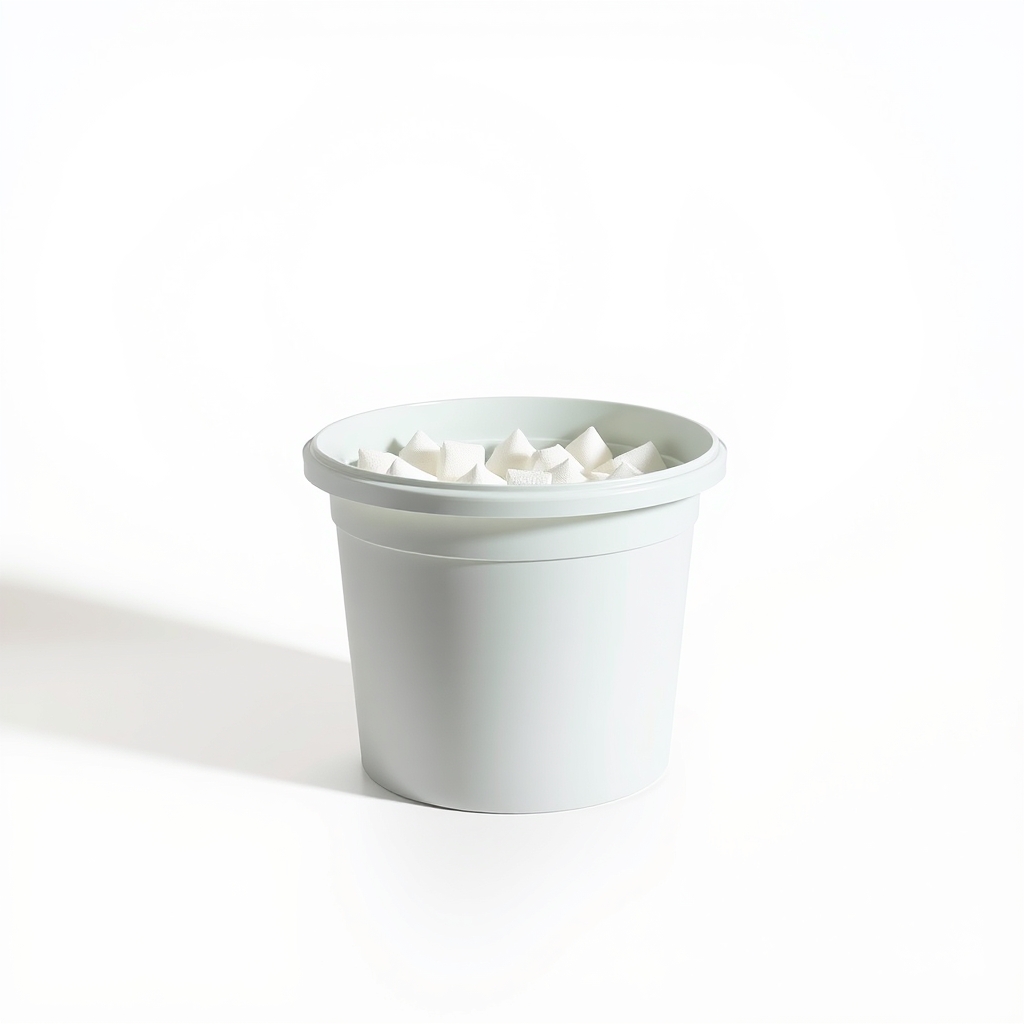
Moisture absorber buckets
Free habits cut the moisture in the air, but damp pockets like closets, cabinets and bathrooms stay still and humid. Absorber buckets collect the water into a tub, so those spots stay drier between airings. They are a low-power sidekick to ventilation, not a replacement for a dehumidifier.
How long it lasts: Each one lasts about a month or two in a closet or small room, depending on the dampness. Then you replace it.
As an Amazon Associate I earn from qualifying purchases.
What you'll need
- Illustration
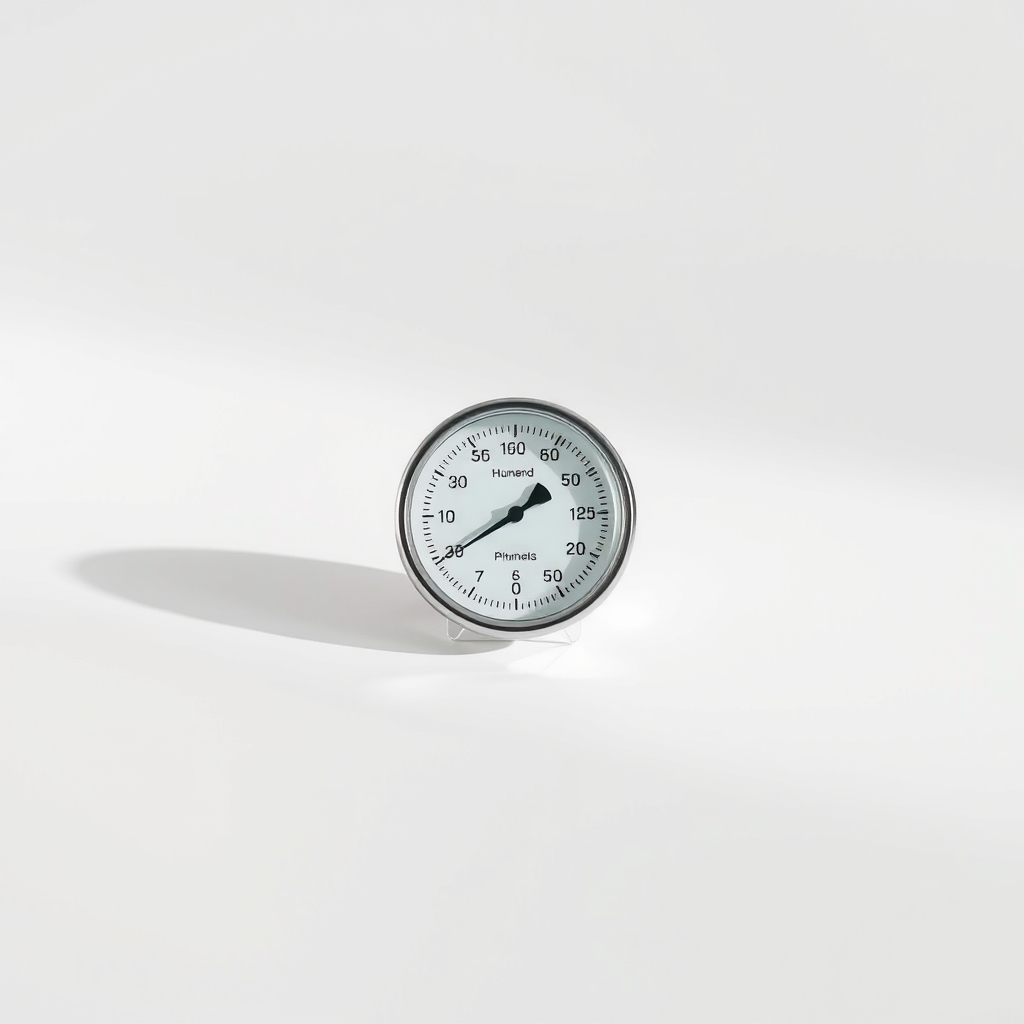
Hygrometer
A small humidity reader that tells you whether anything is working. Over 60 percent means mildew can grow
-
Exhaust fans
Your bathroom fan and kitchen range hood pull steam out of the house
You have it -
Pot lids
Keep steam from cooking out of the air
You have it - Our pick Illustration
Moisture absorber buckets
For closets, bathrooms, cabinets and small rooms
Why it happens
Showers, cooking and breathing
A household adds a lot of water vapor every day through showers, boiling water, drying laundry indoors and just breathing.
Poor ventilation
A bathroom fan that is rarely used, or a range hood that recirculates air instead of venting outside, leaves the moisture in the house.
Muggy weather and open windows
On a humid day, opening windows lets damp air in. When outdoor air holds more moisture than indoor air, ventilating makes it worse.
Leaks and a damp basement or crawl space
Slow leaks, wet soil, an uncovered crawl space or a basement floor all release water vapor into the house.
An oversized AC
An air conditioner that is too big cools the air fast and shuts off before it removes much moisture, so the air feels cool but clammy.
Try this first (free)
Do these in order, starting with the simplest.
-
Measure first
Tool used: HygrometerPut a humidity reader in the rooms that feel damp and check it morning and evening. Aim for 30 to 50 percent. Over 60 percent for days means mildew can grow.
IllustrationCheck price on AmazonTool for this step
Hygrometer · A small humidity reader that tells you whether anything is working. Over 60 percent means mildew can grow
-
Vent at the source
Tool used: Exhaust fansRun the bathroom fan during a shower and for 20 minutes after. Use the range hood when you cook, put lids on pots and take shorter, cooler showers.
-
Stop drying laundry indoors
Hang clothes outside, or use a dryer that vents outdoors. Check the dryer vent hose for leaks and lint.
-
Use the AC and shut windows when it is muggy
Running the AC removes moisture while it cools. Keep windows closed when the air outside is more humid than the air inside. Set the AC fan to Auto, not On, so water on the coil drains instead of blowing back into the house.
-
Fix leaks and move water away
Repair drips under sinks, clear gutters and make sure downspouts drain away from the foundation. Cover bare soil in a crawl space with plastic sheeting, which a pro can do.
-
Dry the damp pockets
Tool used: Moisture absorber bucketsOpen closet doors, pull furniture a few inches off outside walls, and set absorber buckets in closets, cabinets and the bathroom. Check them every few weeks, and replace them when the crystals are gone.
IllustrationCheck price on AmazonTool for this step
Moisture absorber buckets · For closets, bathrooms, cabinets and small rooms
When free fixes aren't enough
Ventilation and habits work when the moisture comes from daily life. They do not work when it comes from the ground, a wet basement or muggy weather. If your reader still shows above 60 percent after two weeks of the free steps, a dehumidifier removes far more water than any bucket can. Absorbers still earn their place in closets, cabinets and small rooms, and they need no power. They hold a small amount, fill up and then need replacing. If you see mold, smell mustiness or find water stains, fix the source first.
Buy the fix
Still stuck after the free fixes? These are the products we would look at.
Moisture absorber buckets
Fixes: damp, musty corners, closets and small rooms
Look for: Calcium chloride crystals in a sealed tub or hanging bag; A built-in tray that catches the liquid so it cannot spill easily; Coverage sized for a closet, bathroom or small room; A fragrance-free option.
- Who it's for
- Renters and anyone with a closet, bathroom or small room that stays damp and no space for a dehumidifier.
- Honest downside
- The whole house is above 60 percent humidity, where you need a dehumidifier or an AC fix. Keep the liquid away from kids and pets, since it is a salty brine.
As an Amazon Associate I earn from qualifying purchases. We don't show prices because they change, so use the button to see today's price.
How we picked: How we picked: this page is based on public indoor-humidity and mold guidance, home ventilation basics, and what owners report in reviews of moisture absorbers. We do not test products by hand.
Room by room: how to get rid of humidity in the house naturally
Bathroom: fan on during and after showers, door open afterward. Kitchen: range hood on, lids on pots. Bedroom: furniture off outside walls, windows open a few minutes a day. Basement: gutters clear, downspouts directed away, no clothes drying. Closets: doors ajar and a bucket on the shelf. Each room has its own source, so one habit does not fix all of them.
When to open windows and when to keep them shut
Open them when the air outside is drier than the air inside, usually on a cool, dry morning. Keep them shut on warm, muggy days, because outdoor air then adds moisture. A cheap humidity reader indoors and a weather app outdoors tell you which case you are in.
What to skip
Bowls of salt or rice, and houseplants
Bowls of salt, rice or baking soda absorb too little to matter in a room. Houseplants release moisture instead of removing it. Skip them and put the effort into venting.
Frequently asked questions
How do I get rid of humidity in my house naturally?
What humidity level should my house have?
Does air conditioning remove humidity?
Do moisture absorbers really work?
Related problems
 Free fix inside
Air & Temperature · House Humidity
House Feeling Humid? Find the Cause Before You Buy a Dehumidifier
Read the fix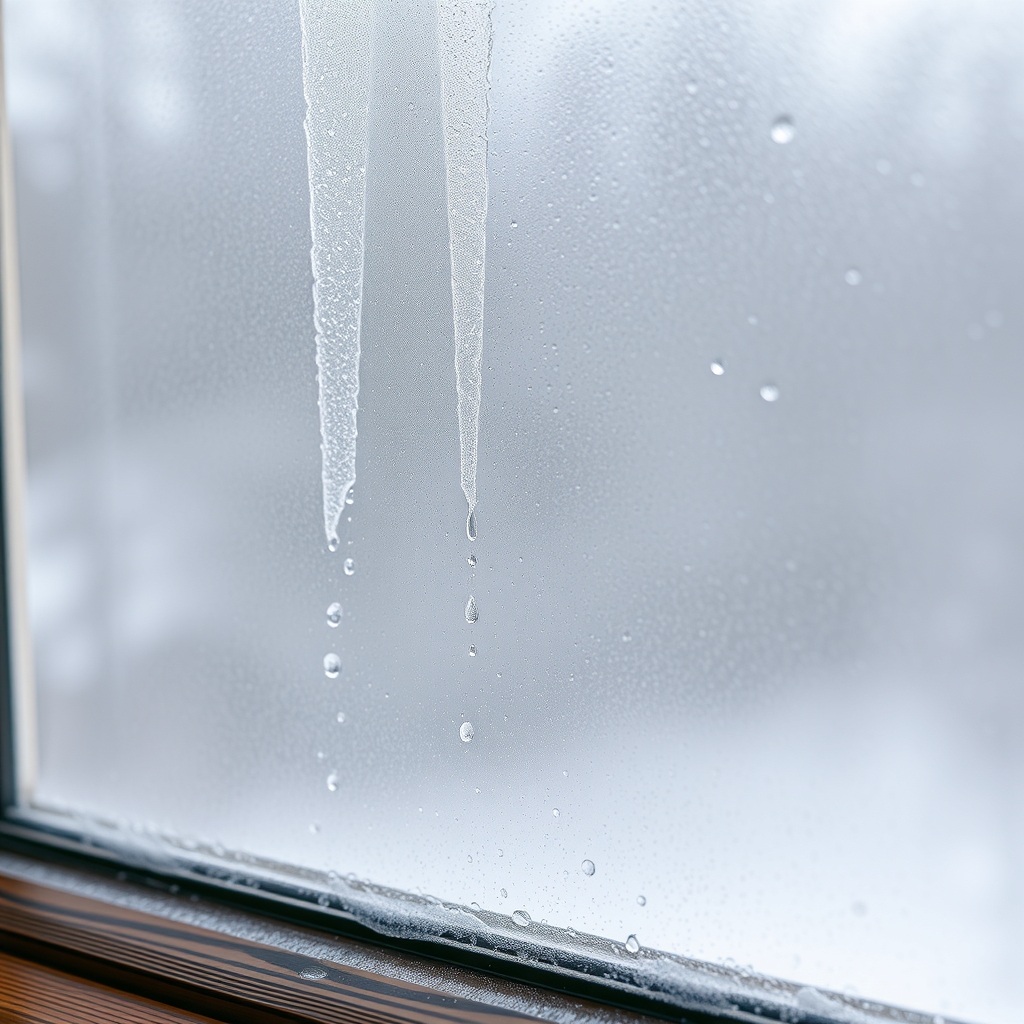 Free fix inside
Air & Temperature · Condensation
Condensation on Windows? Why It Happens and How to Clear It
Read the fix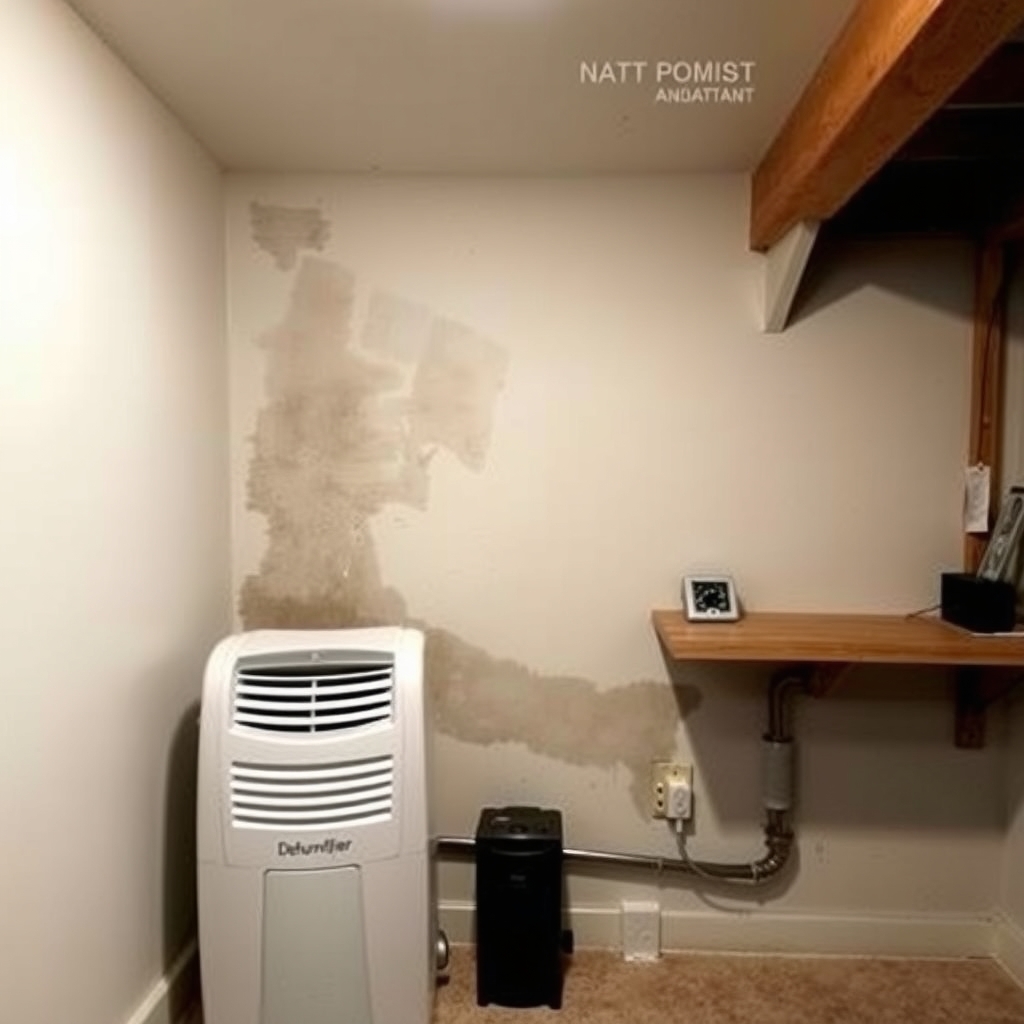 Free fix inside
Air & Temperature · Dehumidifier
Dehumidifier to Prevent Mold: Size and Settings That Matter
Read the fix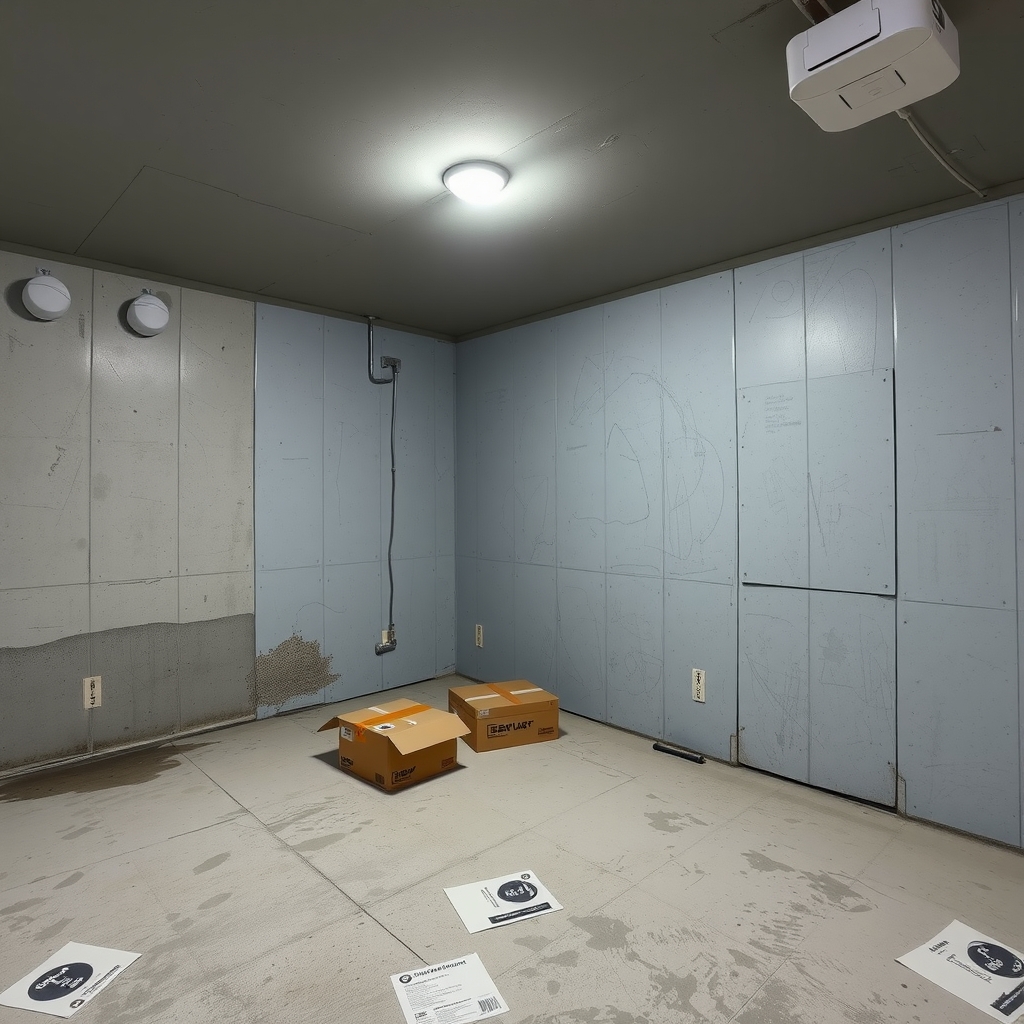 Free fix inside
Air & Temperature · Basement
Basement So Humid? Pick the Right Size Dehumidifier
Read the fixAs an Amazon Associate I earn from qualifying purchases. Affiliate disclosure