Condensation on Windows? Why It Happens and How to Clear It
Warm, moist indoor air turns to water on cold glass. Wipe it, ventilate and lower the humidity, then add a moisture absorber for the damp that is left.
By Jamilur Rahman Updated November 5, 2026 · 6 min read
- Time
- 15 min
- Cost
- Under $20
- Difficulty
- Easy

In this guide
Quick answer
To get rid of condensation on windows, wipe the glass dry, run exhaust fans and open a window for a few minutes to let moist air out. Condensation forms when warm, humid indoor air touches cold glass, so the lasting fix is to bring indoor humidity down to 30 to 50 percent. A moisture absorber on the sill, or a small dehumidifier, handles the damp that ventilation leaves behind.
Free fix vs. permanent fix
Wipe, ventilate and cut the moisture
- Wipe the glass and sill dry with a cloth
- Run the bathroom and kitchen fans during and after use
- Open a window for 5 to 10 minutes
- Skip drying laundry indoors
How long it lasts: Clears it today. It returns on cold mornings if the indoor humidity stays high.
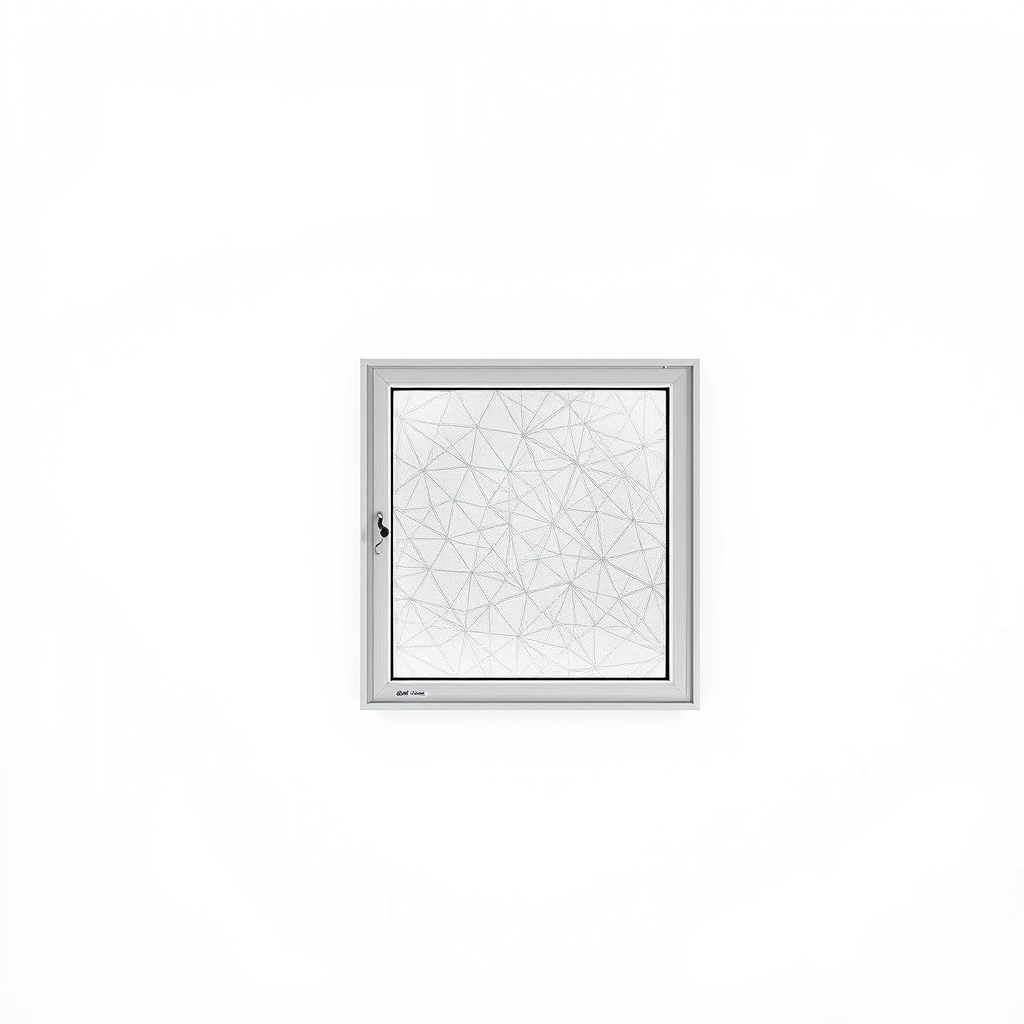
A window condensation moisture absorber
Ventilation removes moisture only while the window is open. An absorber sits on the sill or in a bedroom and keeps pulling moisture from the air, so less of it lands on the glass overnight. It fits rooms where opening a window is not an option.
What to get: Window condensation moisture absorber
How long it lasts: Each refill lasts weeks to a couple of months, depending on how damp the room is.
As an Amazon Associate I earn from qualifying purchases.
What you'll need
-
Microfiber cloth or squeegee
Wipes the glass dry without streaks
You have it - Illustration

Humidity meter (hygrometer)
Shows if the room stays too damp
- Our pick Illustration
Window condensation moisture absorber
Pulls moisture from the air around the window
- Illustration
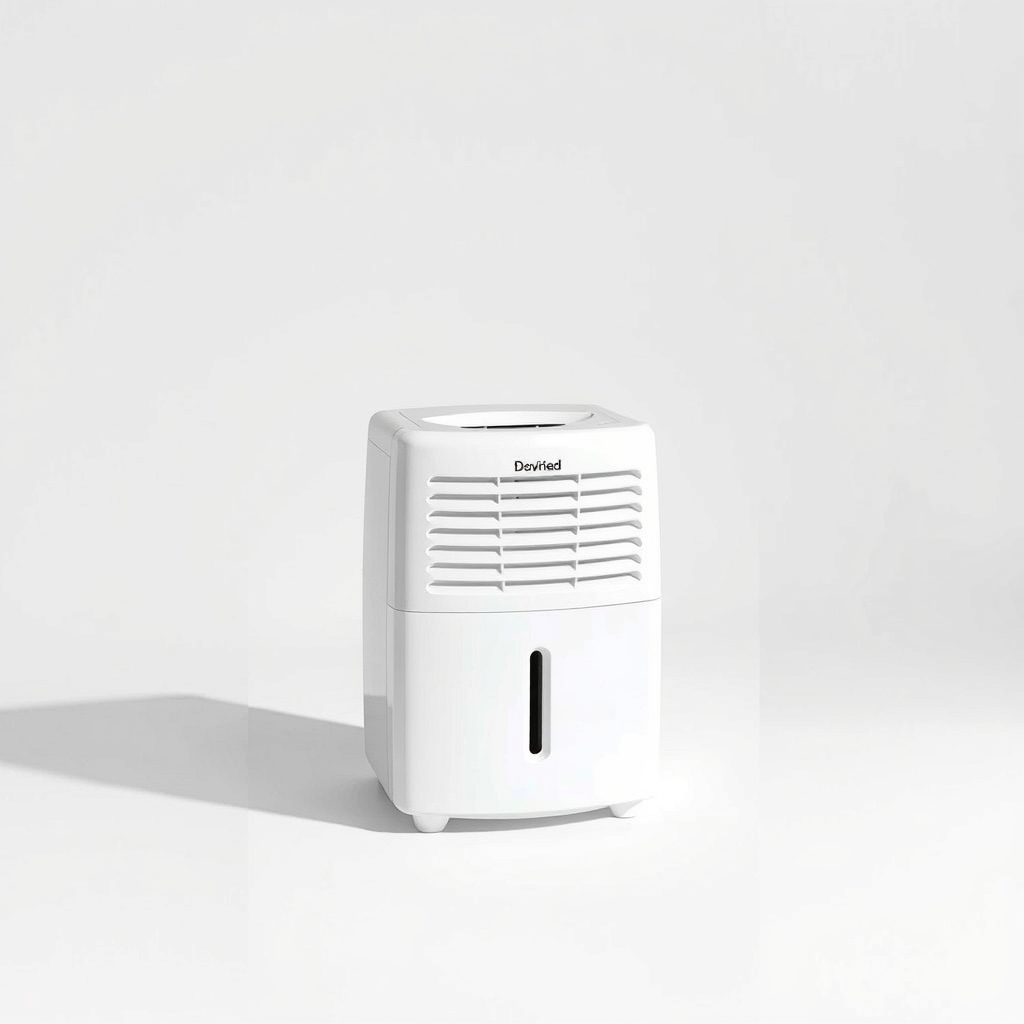
Compact dehumidifier
For a bedroom or a room that stays at 55 percent or more
Why it happens
Too much moisture in the air
Showers, cooking, drying laundry indoors, houseplants and even breathing add water vapor. A sleeping couple adds a noticeable amount overnight.
Cold glass
Air holds less water as it cools. When warm, humid air reaches cold glass, the extra water turns to drops. Single-pane and older windows are colder, so they fog sooner.
Poor ventilation
A tight, draft-sealed home has nowhere for moist air to go. Closed vents, no bathroom fan and a blocked trickle vent keep the moisture in the room.
Blocked airflow at the window
Heavy curtains, blinds drawn all night and furniture against the glass trap a pocket of cold air that fogs. Warm room air cannot circulate there.
Try this first (free)
Do these in order, starting with the simplest.
-
Wipe it away every morning
Tool used: Microfiber cloth or squeegeeDry the glass, the frame and the sill with a cloth or squeegee. Water left on frames can lead to mold and rot.
-
Use the fans
Run the bathroom fan during a shower and for 20 minutes after. Run the kitchen hood while you cook. Both send moist air outside.
-
Open a window briefly
Air the room for 5 to 10 minutes in the morning. A short burst swaps wet air for dry, even in winter, without chilling the walls.
-
Check the humidity
Tool used: Humidity meter (hygrometer)A meter shows what the room is doing. Aim for 30 to 50 percent, and closer to 30 to 40 on very cold days. Above 55 percent, glass will fog.
IllustrationCheck price on AmazonTool for this step
Humidity meter (hygrometer) · Shows if the room stays too damp
-
Let air reach the glass
Open curtains and blinds in the morning, and move furniture an inch or two from the window. Run a ceiling fan on low to circulate warm air across the glass.
-
Add an absorber for what is left
Tool used: Window condensation moisture absorberPlace a moisture absorber on the sill or on a shelf near the window. Replace or empty it as the label directs.
IllustrationCheck price on AmazonTool for this step
Window condensation moisture absorber · Pulls moisture from the air around the window
When free fixes aren't enough
If you wipe the windows every day and they still fog, the humidity is too high for ventilation alone, or you cannot open a window at night. An absorber works quietly in a bedroom, and a dehumidifier handles a damp room. If the water forms between the panes of a double-glazed window, the seal has failed, and only a glazing company can fix it. If you see black mold on the sill, soft or rotting wood or heavy condensation from a room with an unvented gas or kerosene heater, stop using the heater, ventilate and call a professional.
Buy the fix
Still stuck after the free fixes? These are the products we would look at.
| Pick | Product | Fixes | Who it's for | Buy |
|---|---|---|---|---|
| Best pick | Window condensation moisture absorber | damp air by the window that turns to water on cold glass | Anyone with foggy windows in a bedroom or a small room who cannot leave a window open. | Check price |
| Upgrade pick | Compact dehumidifier | high humidity that ventilation and absorbers cannot lower | Rooms that stay at 55 percent or more, or homes with condensation on every window. | Check price |
Window condensation moisture absorber
Fixes: damp air by the window that turns to water on cold glass
Look for: A tray or container that holds the collected water without tipping; A size that fits a window sill or shelf; Refills or a reusable design; Clear child-safe and pet-safe handling instructions.
- Who it's for
- Anyone with foggy windows in a bedroom or a small room who cannot leave a window open.
- Honest downside
- Humidity is above 60 percent across the home. An absorber is too small for that, so use a dehumidifier.
Compact dehumidifier
Fixes: high humidity that ventilation and absorbers cannot lower
Look for: A capacity that matches the room size; An automatic shut-off when the tank is full; A built-in humidity setting.
- Who it's for
- Rooms that stay at 55 percent or more, or homes with condensation on every window.
- Honest downside
- Your fog only appears once in a while. Ventilation and a cloth are enough.
As an Amazon Associate I earn from qualifying purchases. We don't show prices because they change, so use the button to see today's price.
How we picked: How we picked: this page is based on home humidity and ventilation guidance from public energy and health agencies, product instructions for moisture absorbers, and the problems and fixes people report in reviews. We do not test products by hand.
Which side is the water on?
- Inside the room: your indoor air is too humid. Use the steps above.
- Outside the glass: normal on cool, clear mornings with efficient windows. It wipes off and needs no fix.
- Between the panes: the window seal has failed. Only a glazing company can repair or replace the unit.
What to skip
Leaving it, or sealing every gap
Do not ignore daily condensation, since water on frames can bring mold and rot. And do not seal the home tighter or add plastic film without adding ventilation, which traps even more moisture inside.
Frequently asked questions
How do I get rid of condensation on windows in winter?
How do I get rid of condensation on windows overnight or in the morning?
How do I get rid of condensation on windows without opening them?
How do I stop windows from fogging up in a bedroom?
Related problems
 Free fix inside
Air & Temperature · House Humidity
House Feeling Humid? Find the Cause Before You Buy a Dehumidifier
Read the fix Free fix inside
Air & Temperature · Drafty Windows
Drafty Windows? Seal Them for Winter Without Replacing Them
Read the fix Free fix inside
Bedroom & Sleep · Bedroom Humidity
Bedroom Too Humid? Measure First, Then Pick a Dehumidifier
Read the fix Free fix inside
Cleaning · Walls
Walls Sweating? Cut the Humidity With a Right-Sized Dehumidifier
Read the fixAs an Amazon Associate I earn from qualifying purchases. Affiliate disclosure