Bedroom Too Humid? Measure First, Then Pick a Dehumidifier
Damp air makes a bedroom sticky and helps mold grow. Measure it, cut the sources, and add a small dehumidifier only if the number stays high.
By Jamilur Rahman Updated November 5, 2026 · 7 min read
- Time
- 15 min
- Cost
- $50-$150
- Difficulty
- Easy
In this guide
Quick answer
A bedroom turns humid when moisture from breathing, showers, damp laundry and humid outdoor air has nowhere to go. Buy a cheap hygrometer first. If it reads above about 60 percent, ventilate, move wet laundry out and clear the walls. If it stays above 50 to 60 percent after that, a small compressor dehumidifier is the fix that holds it down.
Free fix vs. permanent fix
Measure, ventilate and cut the moisture sources
- Read the humidity at bed height for three days
- Run the bath fan 20 to 30 minutes after showers
- Dry laundry outside the bedroom
- Pull furniture a few inches off outside walls
How long it lasts: Helps when the cause is showers, laundry or one damp week. It does little against humid outdoor air or a damp wall.
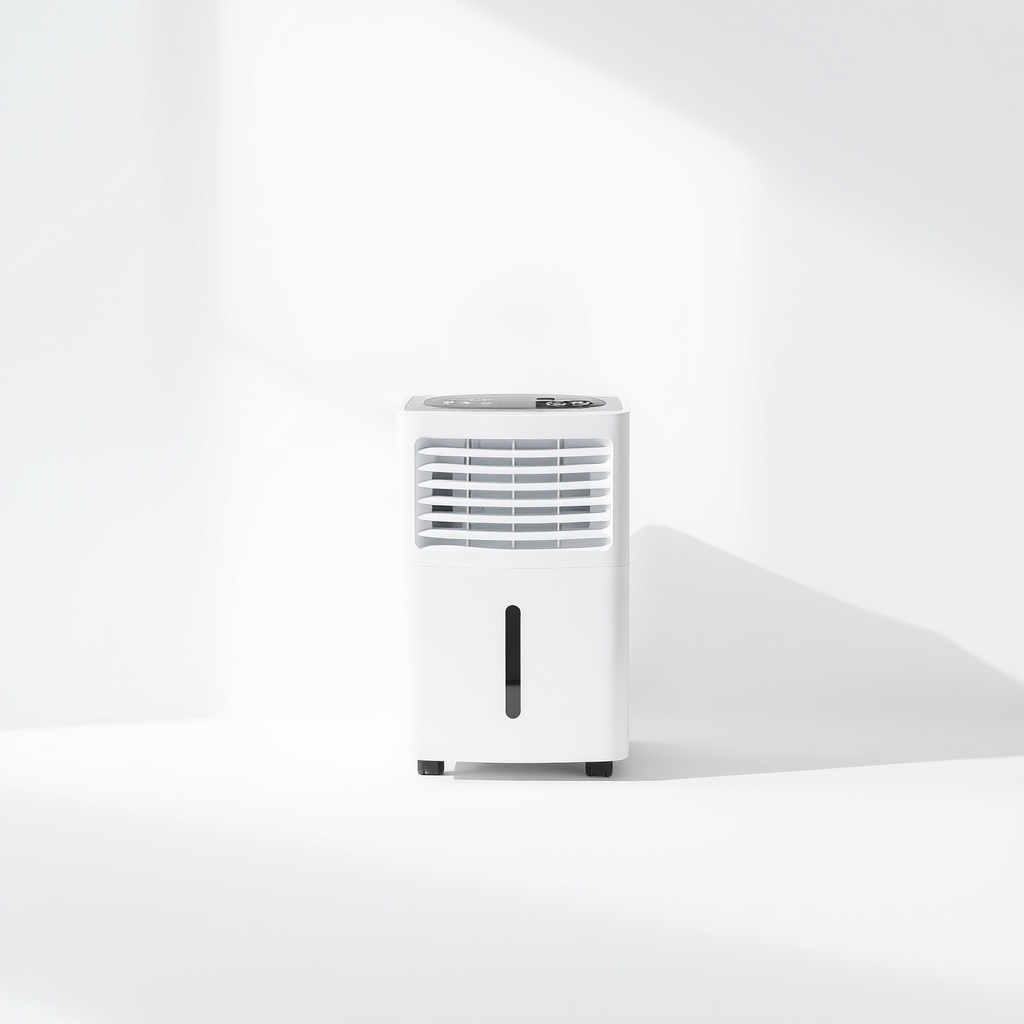
A small compressor dehumidifier
It pulls water out of the air instead of waiting for a window to do it. A built-in humidistat holds the room at the level you set, so condensation and mold have less to grow on.
What to get: Small compressor dehumidifier for a bedroom
How long it lasts: Runs every night for years once set to 45 to 50 percent. You empty the tank or run a drain hose.
As an Amazon Associate I earn from qualifying purchases.
What you'll need
- Illustration
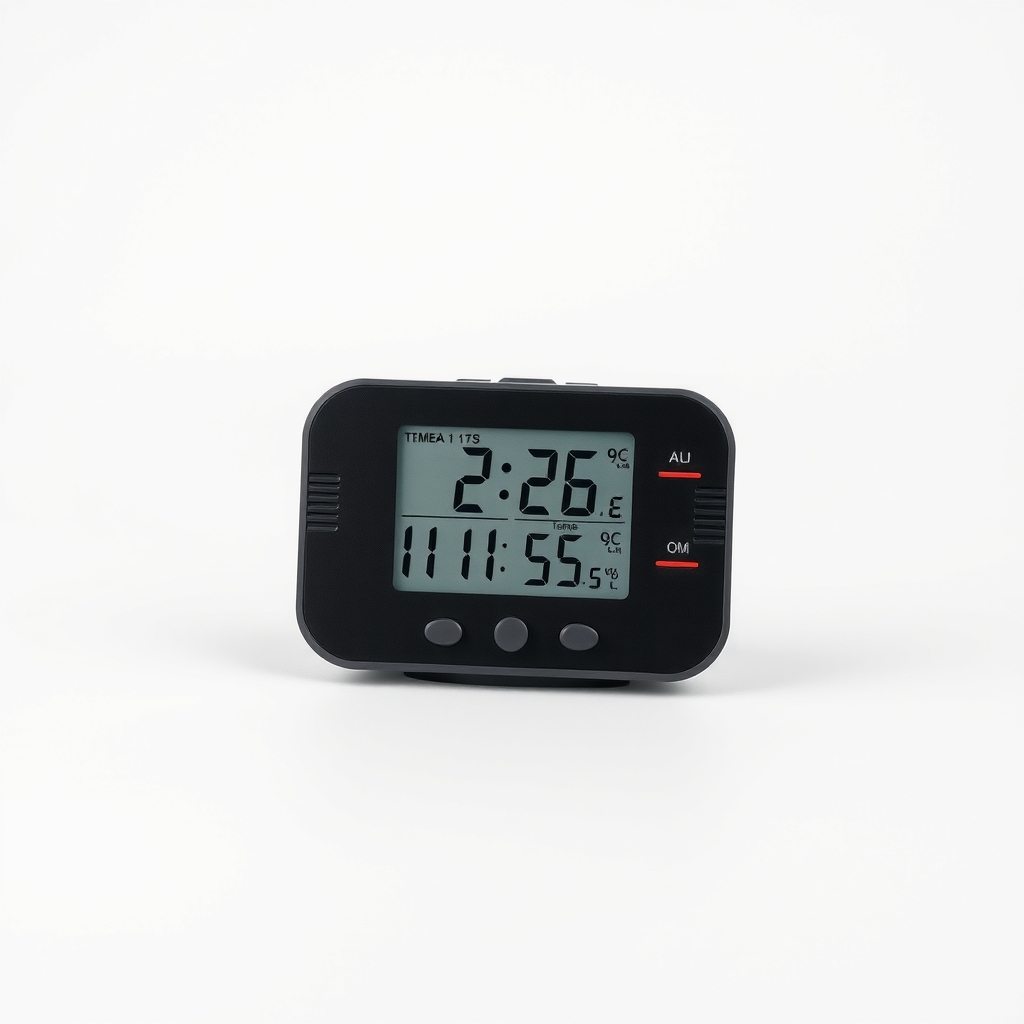
Digital hygrometer
Tells you whether the room is really damp before you buy anything else
-
Bathroom exhaust fan
Run it after showers so steam stays out of the bedroom
You have it -
Dry cloth or window squeegee
For wiping condensation off glass each morning
You have it - Our pick Illustration
Small compressor dehumidifier
For humidity that stays high after the free fixes
Why it happens
Moisture made inside the room
People release moisture through breath and sweat all night. In a small, closed bedroom that adds up fast, and it is worse with two sleepers.
Showers and drying laundry nearby
Steam drifts from a bathroom next door. A drying rack of wet clothes in the bedroom puts a lot of water into the air.
Humid outdoor air
In warm, wet weather, opening the window lets damp air in. Cool night air meeting that warm, humid air makes it worse.
Cold surfaces and poor airflow
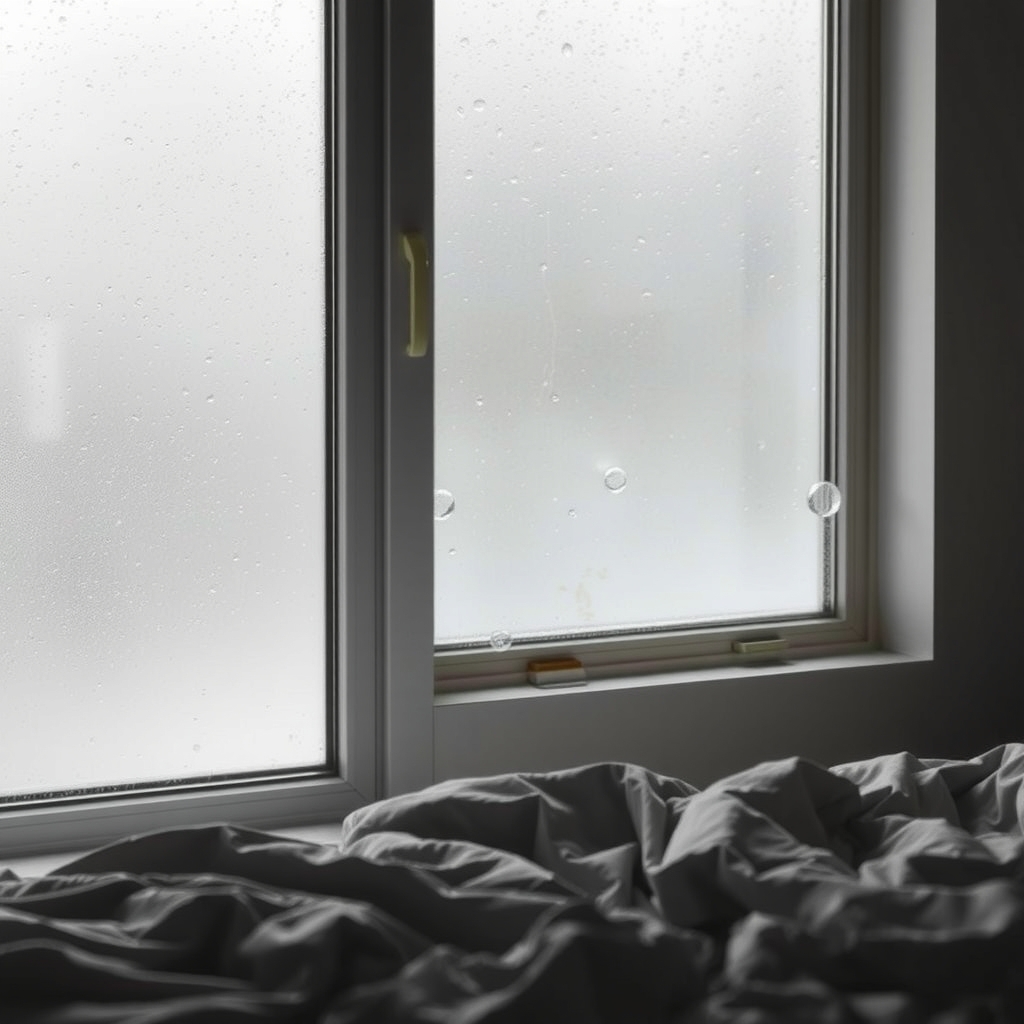
Moisture condenses on cold windows and outside walls. Furniture pushed against those walls traps damp air, and mold can start behind it.
A leak
A roof, window or plumbing leak can keep a room damp no matter what else you do. Stains, bubbling paint or a musty smell that keeps coming back point to a leak.
Try this first (free)
Do these in order, starting with the simplest.
-
1. Measure before you do anything
Tool used: Digital hygrometerPut a hygrometer at bed height, away from windows. Read it morning and night for three days. Roughly 30 to 50 percent is the target. Above 60 percent is where mold can grow.
IllustrationCheck price on AmazonTool for this step
Digital hygrometer · Tells you whether the room is really damp before you buy anything else
-
2. Run the bath fan after showers
Tool used: Bathroom exhaust fanKeep the bathroom door closed and run the exhaust fan for 20 to 30 minutes, so steam stays out of the bedroom.
-
3. Dry laundry elsewhere
Hang wet clothes in a vented laundry room or outside, not in the bedroom.
-
4. Open windows only when outside is drier
Air the room for 15 minutes only if the air outside is drier than inside. On damp or rainy days keep windows shut.
-
5. Wipe the glass and make space
Tool used: Dry cloth or window squeegeeWipe condensation off windows each morning. Move the bed and dresser 3 to 4 inches from outside walls, so air can move behind them.
-
6. Look for a leak
Check around windows, the ceiling and the walls for stains, peeling paint or a damp smell. A leak needs a repair before any dehumidifier can keep up.
When free fixes aren't enough
If the hygrometer still reads above 55 to 60 percent after a week of these changes, the moisture is coming from outside air or from the building itself, and airing the room will not remove it. A dehumidifier with a humidistat does: set it to about 45 to 50 percent and it runs only when needed. It will not fix a leak or dry a wet wall. If mold covers more than about 10 square feet, or damp keeps returning after repairs, call a professional. Anyone in the room with asthma or allergies should treat lasting damp seriously.
Buy the fix
Still stuck after the free fixes? These are the products we would look at.
| Pick | Product | Fixes | Who it's for | Buy |
|---|---|---|---|---|
| Best pick | Small compressor dehumidifier for a bedroom | humidity that stays high after you remove the sources | A bedroom that stays above 55 to 60 percent after the free fixes. | Check price |
| Budget pick | Digital hygrometer with humidity and temperature | guessing whether the room is really damp | Everyone. Buy this first. It costs little and tells you if you need anything else. | Check price |
| Upgrade pick | 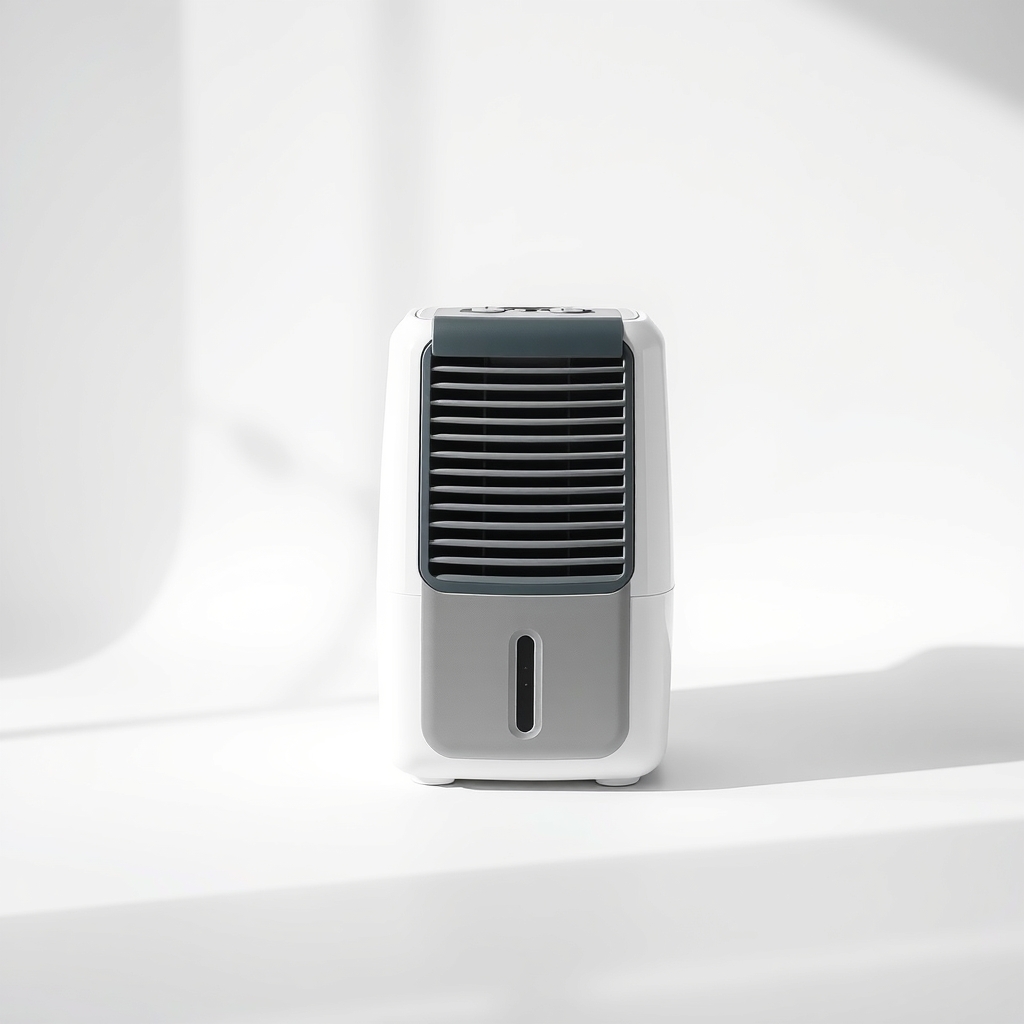 Small desiccant dehumidifier for a cool bedroom | damp air in a cool or unheated bedroom | Bedrooms that stay under about 65°F, where compressor units struggle. | Check price |
Small compressor dehumidifier for a bedroom
Fixes: humidity that stays high after you remove the sources
Look for: A capacity that suits your room by the maker's size chart, often about 20 to 35 pints a day for a bedroom; A built-in humidistat and auto shutoff when the tank is full; A quiet low setting, with owner reviews that mention noise; A drain hose connector, so you can skip emptying the tank.
- Who it's for
- A bedroom that stays above 55 to 60 percent after the free fixes.
- Honest downside
- The room is cool, below about 60°F, because compressor models can ice up, or the real problem is a leak.
Digital hygrometer with humidity and temperature
Fixes: guessing whether the room is really damp
Look for: Humidity and temperature on one screen; A stated accuracy of about plus or minus 3 to 5 percent; Small enough to sit at bed height.
- Who it's for
- Everyone. Buy this first. It costs little and tells you if you need anything else.
- Honest downside
- Your thermostat or a weather station already shows indoor humidity.
Small desiccant dehumidifier for a cool bedroom
Fixes: damp air in a cool or unheated bedroom
Look for: A desiccant design that works in cool rooms; A humidistat or adjustable setting; A tank that is easy to remove and empty.
- Who it's for
- Bedrooms that stay under about 65°F, where compressor units struggle.
- Honest downside
- Your room is warm and humid. A compressor unit removes more water for the power it uses, and desiccant units add a little heat.
As an Amazon Associate I earn from qualifying purchases. We don't show prices because they change, so use the button to see today's price.
How we picked: How we picked: this page is based on humidity and mold guidance from public health sources, dehumidifier manuals and sizing charts, and what owners report in reviews. We do not test products by hand.
How big a dehumidifier do you need?
Match the unit to your room, not to the biggest number on the box. Ratings now use a stricter test, so a newer 20 to 35 pint unit is not the same as an older one with the same number. Use the maker's room-size chart. A unit that is too small runs nonstop, and one that is too big costs more to run without helping much.
Where to put it
Set it a few inches from walls and furniture, with the bedroom door closed. Run it on a timer or its humidistat, and empty the tank each morning or use a drain hose. Clean the filter about once a month.
What to skip
What to skip: mini no-compressor units and hanging absorbers
Small thermoelectric mini dehumidifiers and moisture-absorber boxes pull only a small amount of water. They can help in a closet or tiny space. They will not bring a whole bedroom down, so do not count on them as the fix.
Frequently asked questions
Why is my bedroom so humid at night?
How do I stop condensation on bedroom windows?
How do I stop mold in a small bedroom?
What humidity should a bedroom be?
Can my air conditioner dry the air instead?
Related problems
As an Amazon Associate I earn from qualifying purchases. Affiliate disclosure