Why Do My Shoes Squeak? Where the Noise Comes From and How to Hush It
Squeaky shoes usually mean a loose insole, trapped moisture or smooth rubber on a slick floor. Find the spot, hush it and swap the insole if it is worn.
By Jamilur Rahman Updated November 5, 2026 · 6 min read
- Time
- 15 min
- Cost
- Under $20
- Difficulty
- Easy
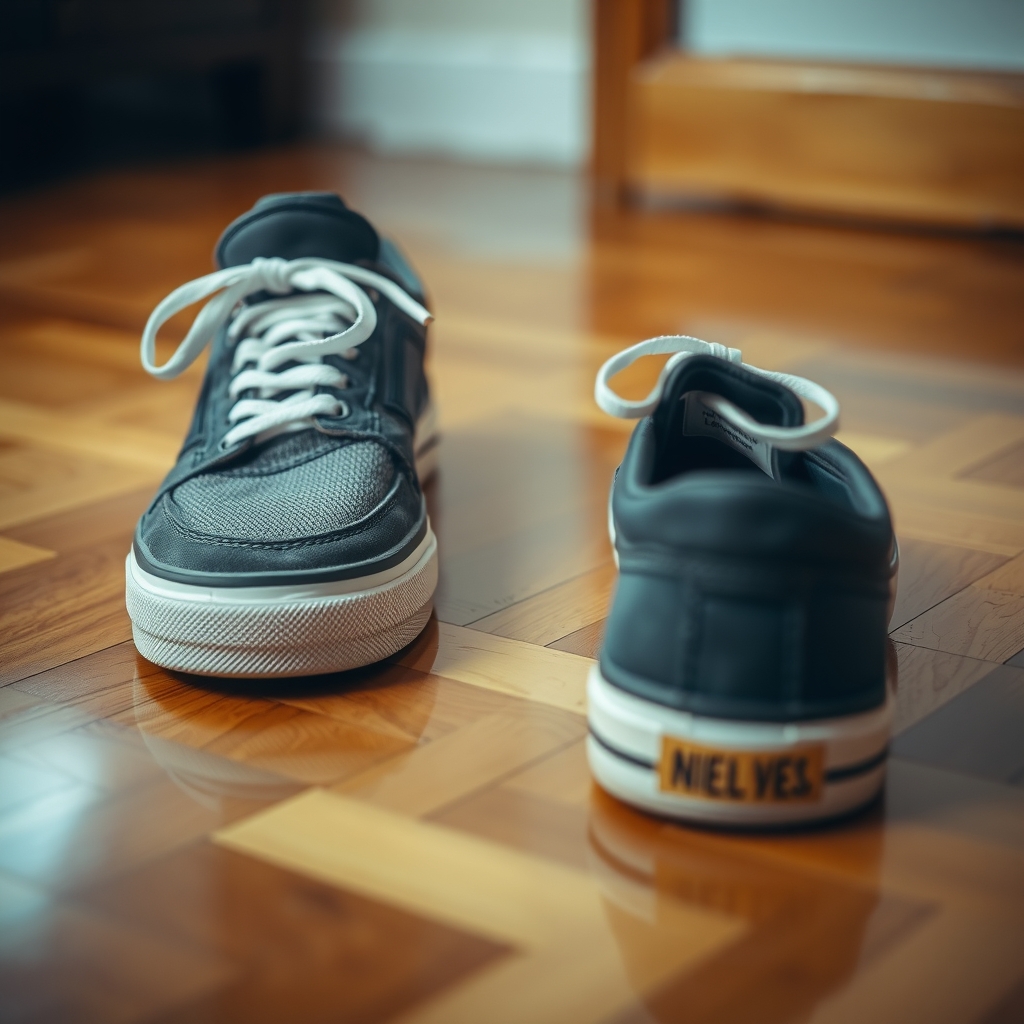
In this guide
Quick answer
Why do my shoes squeak? Most of the time the insole is rubbing against the shoe, moisture is trapped inside, or smooth rubber soles are gripping a slick floor. Pull the insole, sprinkle cornstarch baby powder underneath, dry the shoes fully and put it back. If the shoe still squeaks, the insole is worn or loose, and a replacement insole is the lasting fix.
Free fix vs. permanent fix
Powder under the insole
- Press and twist the shoe to find the noise
- Pull out the insole and dry the shoe
- Dust powder under and on the back of the insole
- Wipe and scuff slick soles
How long it lasts: Weeks to months. The powder wears off and the squeak can come back.
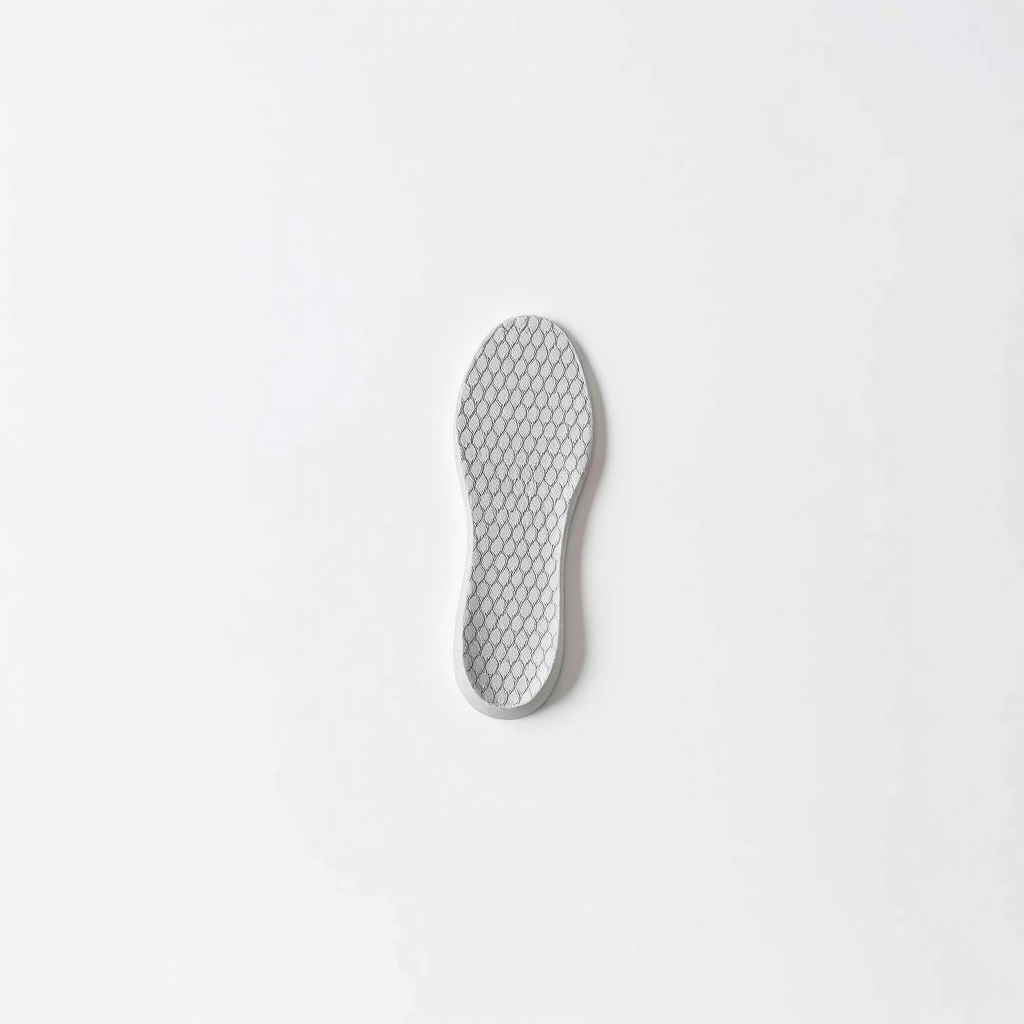
Replacement shoe insoles
A worn or loose factory insole is the most common thing that squeaks, and powder only helps for a while. A fresh, snug insole sits firmly against the shoe, so nothing rubs, and it adds back some of the cushion the old one lost.
How long it lasts: Months to years, depending on how often you wear them. Swap them when they flatten.
As an Amazon Associate I earn from qualifying purchases.
What you'll need
-
Baby powder or cornstarch
Cuts friction under the insole
You have it -
Old newspaper or paper towels
For drying wet shoes from the inside
Free -
Fine sandpaper
For roughing up a slick sole
You have it - Our pick Illustration
Replacement shoe insoles
Fixes the squeak when the old insole is worn or loose
- Illustration
Flexible shoe repair adhesive
Only when the sole is lifting at the edge
Why it happens
A loose or worn insole
The insole slides slightly against the footbed with each step, and the two surfaces squeak. Worn, flattened insoles move the most.
Moisture inside the shoe
Sweat, rain or a freshly washed shoe leaves the lining and insole damp and slick. Wet rubber and fabric rub with a squeak.
Slick floors and rubber soles
Clean rubber grips a smooth floor such as a gym, tile or waxed floor, then lets go in tiny jumps. Each jump is a squeal, and worn-smooth soles do it more.
Stiff leather or a dry tongue
New or dry leather creaks where it bends. The tongue rubbing the laces, or the heel counter against the lining, can squeak too.
A separating sole or midsole
When the sole starts to lift, or the cushioning layers rub against each other, they squeak with each step. This is wear, not dirt.
Try this first (free)
Do these in order, starting with the simplest.
-
1. Find the squeak
Walk on carpet, then on a hard floor. Press and twist each part of the shoe in your hands: the heel, the middle, the tongue and the insole. The loudest spot tells you where to work.
-
2. Dry the shoes completely
Tool used: Old newspaper or paper towelsPull out the insoles and the laces. Stuff the shoes with newspaper or paper towels, change it after a few hours and leave them at room temperature, away from a heater or direct sun.
-
3. Powder under the insole
Tool used: Baby powder or cornstarchSprinkle baby powder or cornstarch on the footbed, brush a thin layer onto the back of the insole and slide it in. Shake off the extra.
-
4. Rough up slick soles
Tool used: Fine sandpaperWipe the outsole with a damp cloth to remove wax and dust. Then rub the smooth parts lightly with fine sandpaper for more grip on slick floors.
-
5. Swap the insole if the noise stays
Tool used: Replacement shoe insolesIf the squeak follows the insole, a replacement that matches your shoe's size and shape sits snug and stays quiet.
IllustrationCheck price on AmazonTool for this step
Replacement shoe insoles · Fixes the squeak when the old insole is worn or loose
When free fixes aren't enough
If the squeak is still there with the insole out, the noise is in the shoe itself. A sole that lifts cleanly at the edge can be glued back with a flexible shoe adhesive. A cracked midsole, collapsed foam or a heel worn through is the end of the shoe. If the shoes also hurt, slip or rub, a worn-out shoe is the problem, not the noise. A good insole gives back some of the cushion and fit, but it cannot fix a broken sole.
Buy the fix
Still stuck after the free fixes? These are the products we would look at.
Replacement shoe insoles
Fixes: a worn or loose factory insole squeaking against the shoe
Look for: A size and shape that matches your shoe, or trims to fit; A flat, snug bottom that does not slide; A breathable top layer that handles sweat.
- Who it's for
- Anyone whose squeak follows the insole, or whose insoles are flat and worn out.
- Honest downside
- The squeak comes from the sole, tongue or heel, since a new insole will not change that. Skip them if you wear a custom orthotic.
As an Amazon Associate I earn from qualifying purchases. We don't show prices because they change, so use the button to see today's price.
How we picked: How we picked: this page is based on shoe care guides, repair advice from cobblers and shoe makers, and the fixes owners report in reviews. We do not test products by hand.
How to stop shoes squeaking when you walk: match the noise to the fix
- Squeak from the heel or inside the shoe: the insole is rubbing. Use powder or a new insole.
- Squeal on a hard floor, quiet on carpet: it is the sole. Wipe it clean and scuff it.
- Creak as the shoe bends: stiff leather. Wear it in, and a dab of leather conditioner at the crease can help.
- Squeak only when damp: moisture. Dry the shoes fully.
What to skip
Oil and silicone sprays on the soles
Oil or spray lubricant can stop a squeak for an hour, but it makes soles and floors slippery, stains leather and can weaken the glue holding the shoe together. A slick sole is also a fall risk.
Frequently asked questions
Why do my shoes squeak or make noise when I walk?
How do I stop shoes from squeaking on a waxed or smooth floor?
Why does my shoe keep squeaking after I fixed it?
Why are my new shoes so squeaky?
Related problems
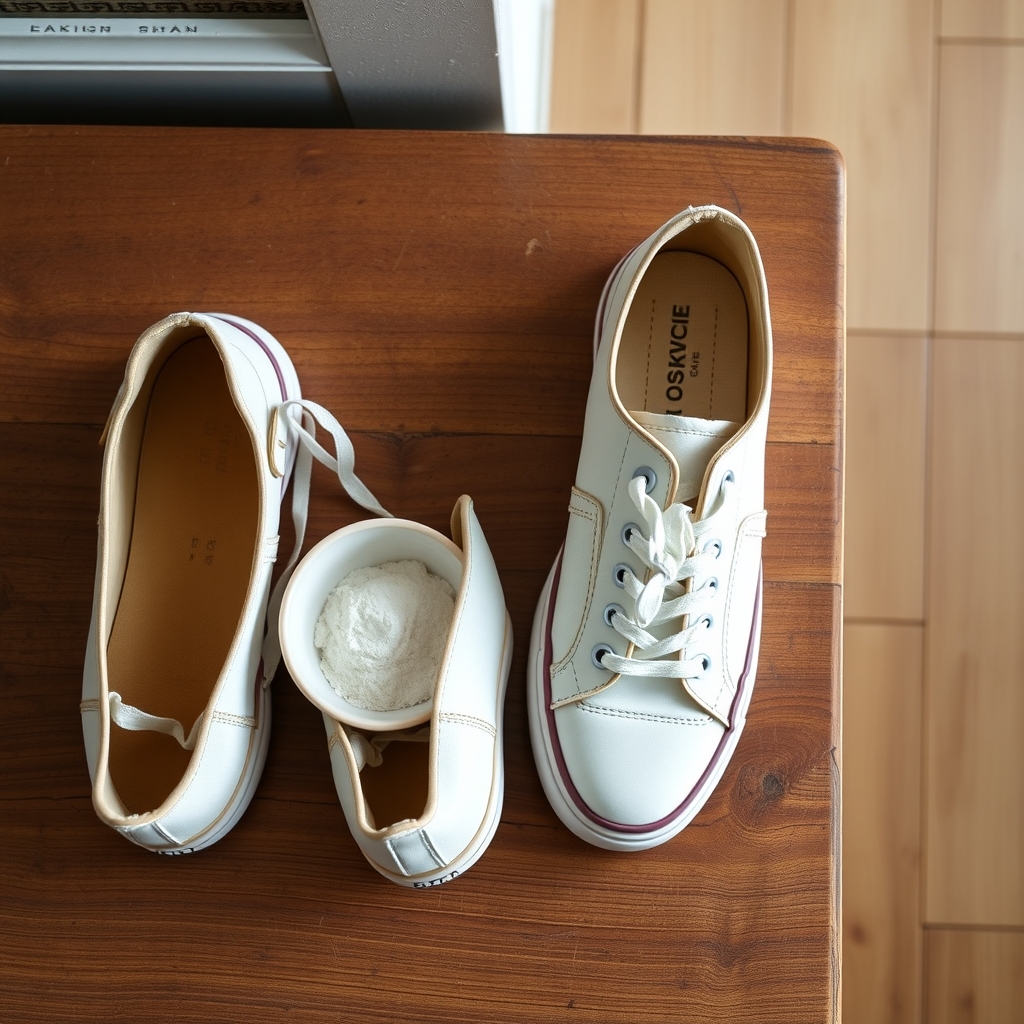 Free fix inside
Small Spaces & Storage · Shoe Odor
Why Do My Shoes Stink? The Deep-Clean Reset, Plus What to Buy
Read the fix Free fix inside
Small Spaces & Storage · Shoe Fit
How to Stop Shoes Slipping Off Your Heel: Grips vs. Insoles
Read the fix Free fix inside
Small Spaces & Storage · Shoe Grip
How to Stop Shoes From Slipping on Smooth Floors: Grip Pads
Read the fix Free fix inside
Small Spaces & Storage · Shoe Care
Shoes Peeling Inside? Patch the Lining Before It Rubs
Read the fixAs an Amazon Associate I earn from qualifying purchases. Affiliate disclosure