Shoes Peeling Inside? Patch the Lining Before It Rubs
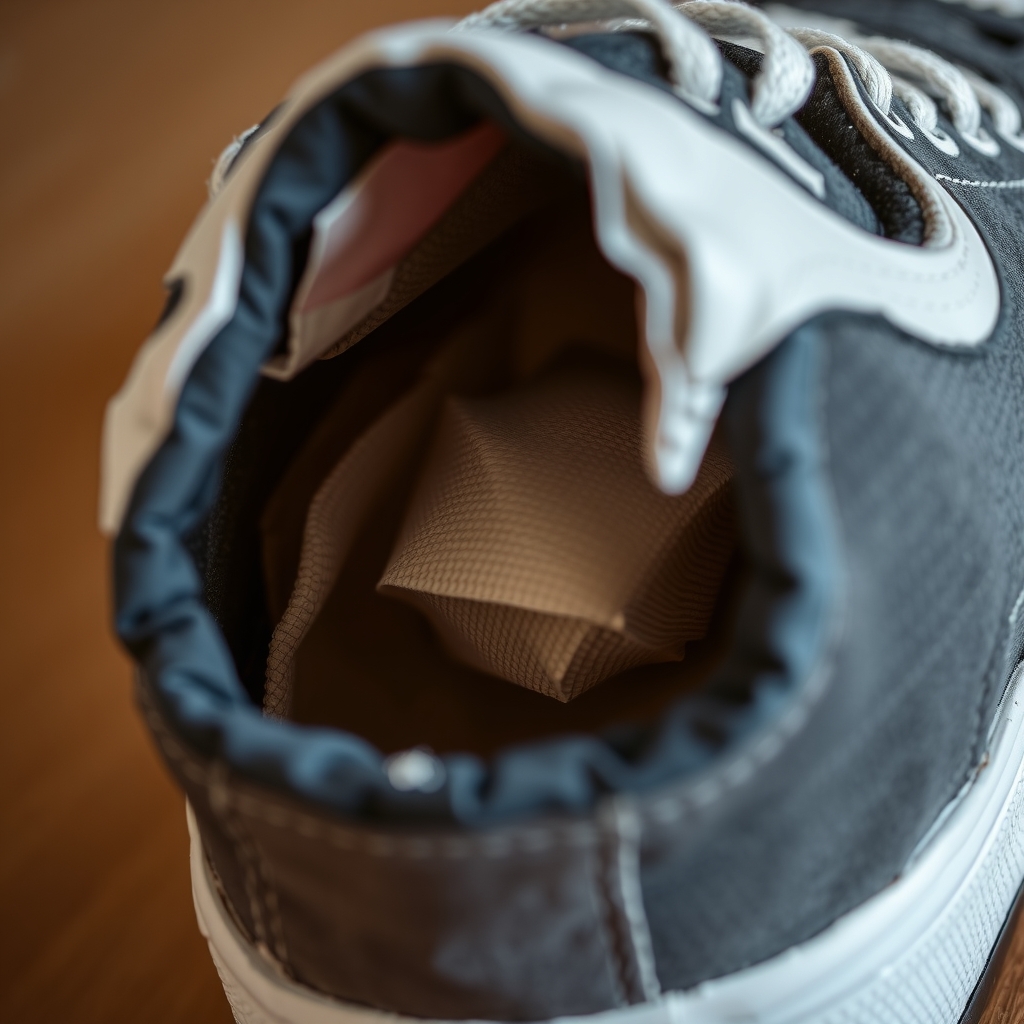
Peeling heel lining rubs blisters and sheds bits into your socks. Trim it, glue what is still stuck, then cover the worn spot with a self-adhesive patch.
By Jamilur Rahman Updated November 5, 2026 · 6 min read
- Time
- 20 min, plus drying
- Cost
- Under $20
- Difficulty
- Easy
In this guide
Quick answer
To fix shoes that are peeling inside, trim the loose lining, glue down what is still attached and cover the worn spot with a self-adhesive heel liner repair patch. Peeling usually starts where your heel rubs, as sweat and friction wear through the lining. Fix it early, because exposed foam or rough stitching rubs blisters.
Free fix vs. permanent fix
Trim the flaps and cover them with a bandage
- Cut the loose flaps with small scissors
- Wipe the area with rubbing alcohol
- Cover the rough spot with a bandage
- Wear thicker socks until you can patch it
How long it lasts: A few days to a week. The bandage rolls at the edges, and the lining keeps lifting.
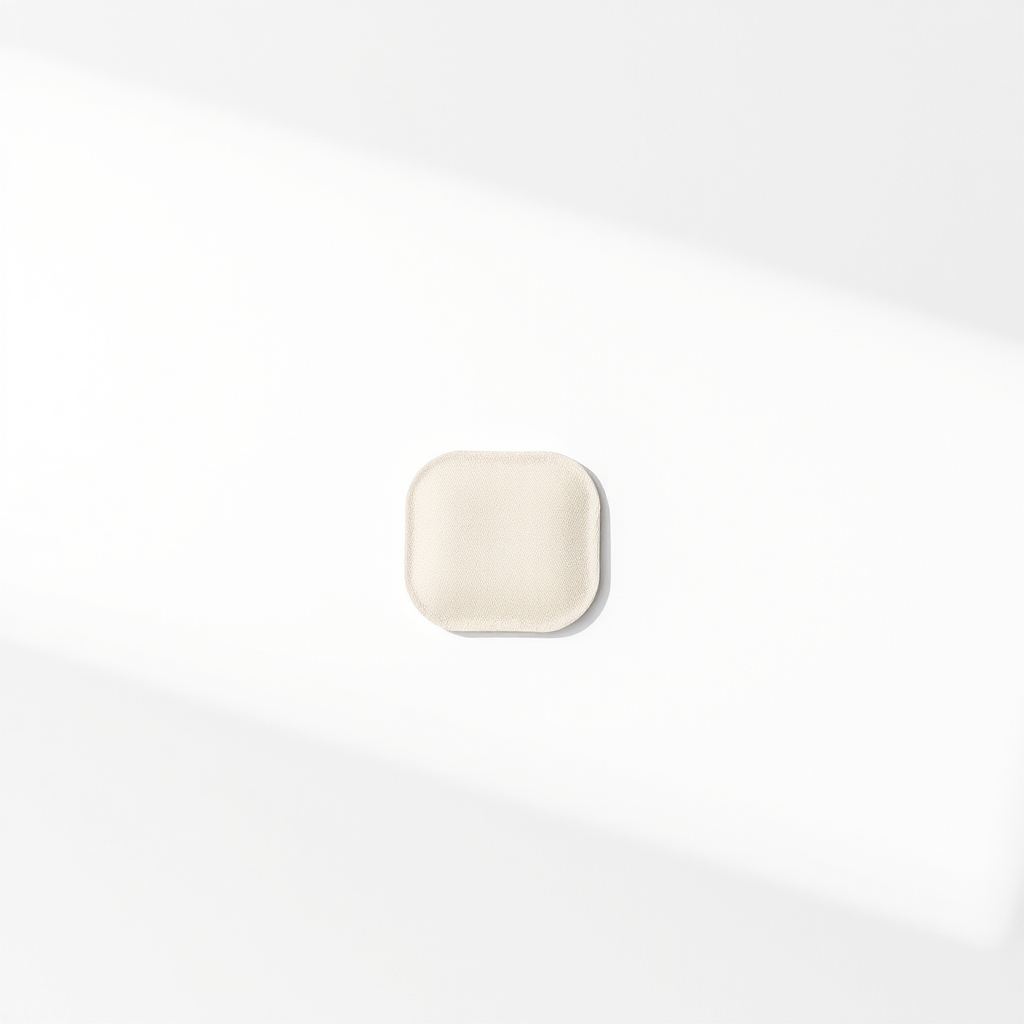
Shoe heel liner repair patches
Peeled lining leaves a rough or bare patch that rubs your heel. A self-adhesive liner patch covers it with a smooth fabric or suede-style layer, so nothing rubs and the shoe is wearable again.
How long it lasts: Often the rest of the shoe's life, if the patch is pressed onto a clean, dry surface.
As an Amazon Associate I earn from qualifying purchases.
What you'll need
-
Small scissors
For trimming the loose flaps
You have it -
Rubbing alcohol and cotton balls
Cleans oils and dirt so glue holds
You have it -
Clothespins or tape
Hold glued flaps down while they set
You have it - Our pick Illustration
Heel liner repair patches
Self-adhesive patches that cover the worn spot
- Illustration
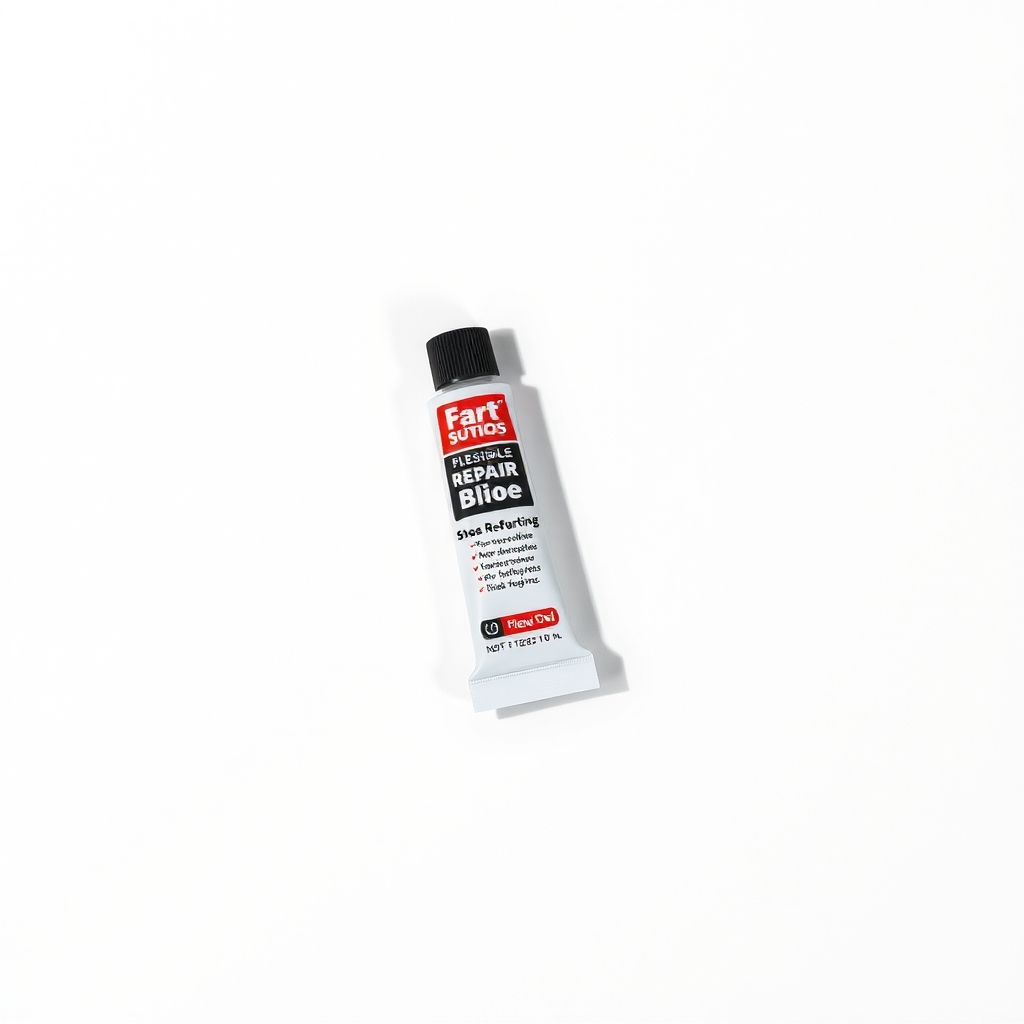
Flexible shoe glue
For lining edges that are lifting but still in good shape
Why it happens
Friction at the heel
Your heel moves a little on every step. That rubbing wears the lining thin, and the backing then lifts.
Sweat and moisture
Sweat can break down the glue under synthetic and coated linings, which then peel off in sheets.
Age and thin lining
Glue and coatings dry out over a few years. Budget shoes often use a thin coated fabric that does not last.
A poor fit
A heel that slips or a shoe that is too big rubs the same spot harder. If lining peels fast, check the fit.
Try this first (free)
Do these in order, starting with the simplest.
-
Pull the insole and look
Take out the insole and see how far the peeling goes. Lining that lifts only at an edge can be glued. Thin, crumbling lining cannot.
-
Trim the loose flaps
Tool used: Small scissorsCut away dangling bits close to the edge so they do not bunch under your heel. Leave firmly stuck lining alone.
-
Clean the spot
Tool used: Rubbing alcohol and cotton ballsDab the area with rubbing alcohol on a cotton ball and let it dry for about five minutes. Oils and dirt stop glue from holding.
-
Glue lifted edges
Tool used: Flexible shoe gluePut a thin line of flexible shoe glue under the lifted flap and press it down. Hold it with a clothespin or tape for the time on the label, often several hours or overnight.
IllustrationCheck price on AmazonTool for this step
Flexible shoe glue · For lining edges that are lifting but still in good shape
-
Cover the worn patch
Tool used: Heel liner repair patchesCut a heel liner patch with rounded corners, peel off the backing and press it over the worn spot from the center out. Smooth the edges so they do not lift. Wait as the label says, then wear the shoes at home for about ten minutes and check for rubbing before you go out.
IllustrationCheck price on AmazonTool for this step
Heel liner repair patches · Self-adhesive patches that cover the worn spot
When free fixes aren't enough
Trimming and a bandage only buy time, because the worn spot stays rough and the edge keeps lifting. A liner patch is the fix that lasts when the lining is gone at the heel. If the lining has peeled across the whole shoe, the foam is crumbling, or glue will not hold on soft, damp material, a patch only delays things, and it is time for new insoles or shoes. If the same spot rubs raw each time, the problem may be the fit rather than the lining.
Buy the fix
Still stuck after the free fixes? These are the products we would look at.
| Pick | Product | Fixes | Who it's for | Buy |
|---|---|---|---|---|
| Best pick | Shoe heel liner repair patches | worn or peeled heel lining that rubs your skin | Anyone whose lining is worn through at the heel. | Check price |
| Budget pick | Flexible shoe repair glue | lifted lining edges that are still in good shape | Anyone with a loose edge, not a worn-through patch. | Check price |
Shoe heel liner repair patches
Fixes: worn or peeled heel lining that rubs your skin
Look for: A self-adhesive back that sticks to fabric or leather lining; A soft suede-style or fabric top that does not rub; Large enough to trim, or sold in a few sizes.
- Who it's for
- Anyone whose lining is worn through at the heel.
- Honest downside
- The whole inside lining is peeling or the shoe's heel cup is broken. A patch will not hold.
Flexible shoe repair glue
Fixes: lifted lining edges that are still in good shape
Look for: Stays flexible after drying, not brittle; Works on fabric, leather and rubber; A fine tip or brush applicator.
- Who it's for
- Anyone with a loose edge, not a worn-through patch.
- Honest downside
- The lining is crumbling or thin. Glue will not hold it, and a patch will.
As an Amazon Associate I earn from qualifying purchases. We don't show prices because they change, so use the button to see today's price.
How we picked: How we picked: this page is based on shoe care and repair guides, adhesive label instructions, and the fixes owners report for peeling shoe lining. We do not test products by hand.
Peeling lining or peeling outside? Pick your fix
- Lining lifting at an edge: clean it and glue it down.
- Lining worn through at the heel: cover it with a heel liner patch.
- Outer coating flaking: trim, seal the edge, and expect to replace the shoe if it spreads.
- Sole splitting from the shoe: flexible shoe adhesive, pressed and clamped.
What to skip
Super glue and duct tape
Super glue dries hard and cracks as the shoe flexes, and it can leave a rough lump against your heel. Duct tape rolls up and leaves residue. Neither makes a smooth, flexible surface.
Frequently asked questions
How to fix shoes that are peeling on the outside?
Why are my shoes peeling inside so fast?
Can I use super glue on shoe lining?
Will a heel grip or new insole stop the peeling?
Is peeling shoe lining safe to wear?
Related problems
 Free fix inside
Small Spaces & Storage · Shoe Fit
How to Stop Shoes Slipping Off Your Heel: Grips vs. Insoles
Read the fix Free fix inside
Small Spaces & Storage · Shoe Blisters
How to Stop Shoes From Giving Blisters Before They Start
Read the fix Free fix inside
Small Spaces & Storage · Shoe Care
How to Stop Shoes From Creasing: Crease Guards That Fit Inside
Read the fix Free fix inside
Small Spaces & Storage · Shoe Noise
Why Do My Shoes Squeak? Where the Noise Comes From and How to Hush It
Read the fixAs an Amazon Associate I earn from qualifying purchases. Affiliate disclosure