How to Stop Shoes Slipping Off Your Heel: Grips vs. Insoles
A slipping heel means the back of the shoe is too roomy. Lock the laces for free, then choose heel grips or insoles based on where the shoe is loose.
By Jamilur Rahman Updated November 5, 2026 · 6 min read
- Time
- 10 min
- Cost
- Under $20
- Difficulty
- Easy
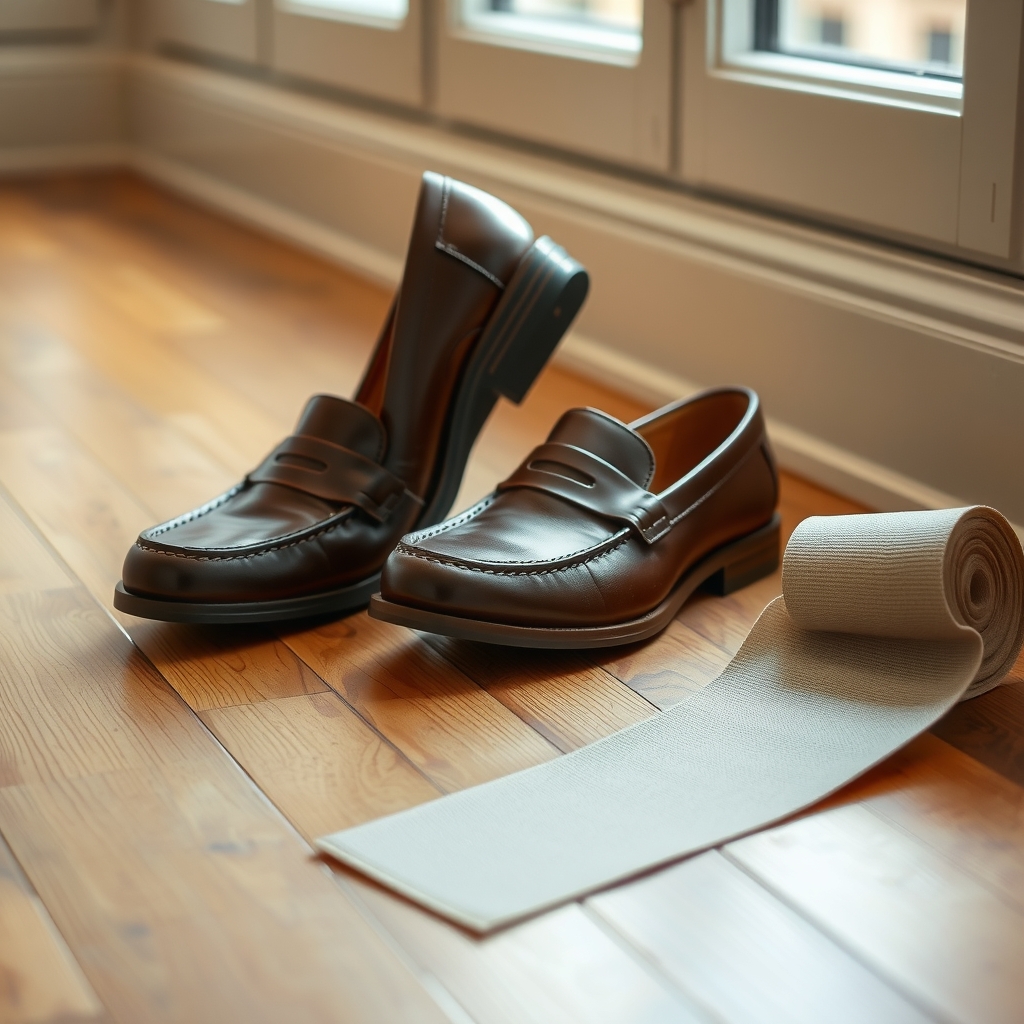
In this guide
Quick answer
Shoes slip at the heel when the back of the shoe is too roomy or the shoe is too big overall. If your shoes have laces, a heel-lock lacing fixes it for free. For flats, loafers and boots, adhesive heel grips are the quick fix that lasts. They fill the gap behind your heel and add friction. Use insoles instead only when the whole shoe feels loose.
Free fix vs. permanent fix
Heel-lock lacing and thicker socks
- Lace through the top two eyelets to lock the heel
- Try a thicker, grippier sock
- Wear new leather indoors to break it in
- A folded tissue helps for one night, no longer
How long it lasts: On laced shoes, often for good. It does nothing for flats, pumps or loafers, which have no laces.
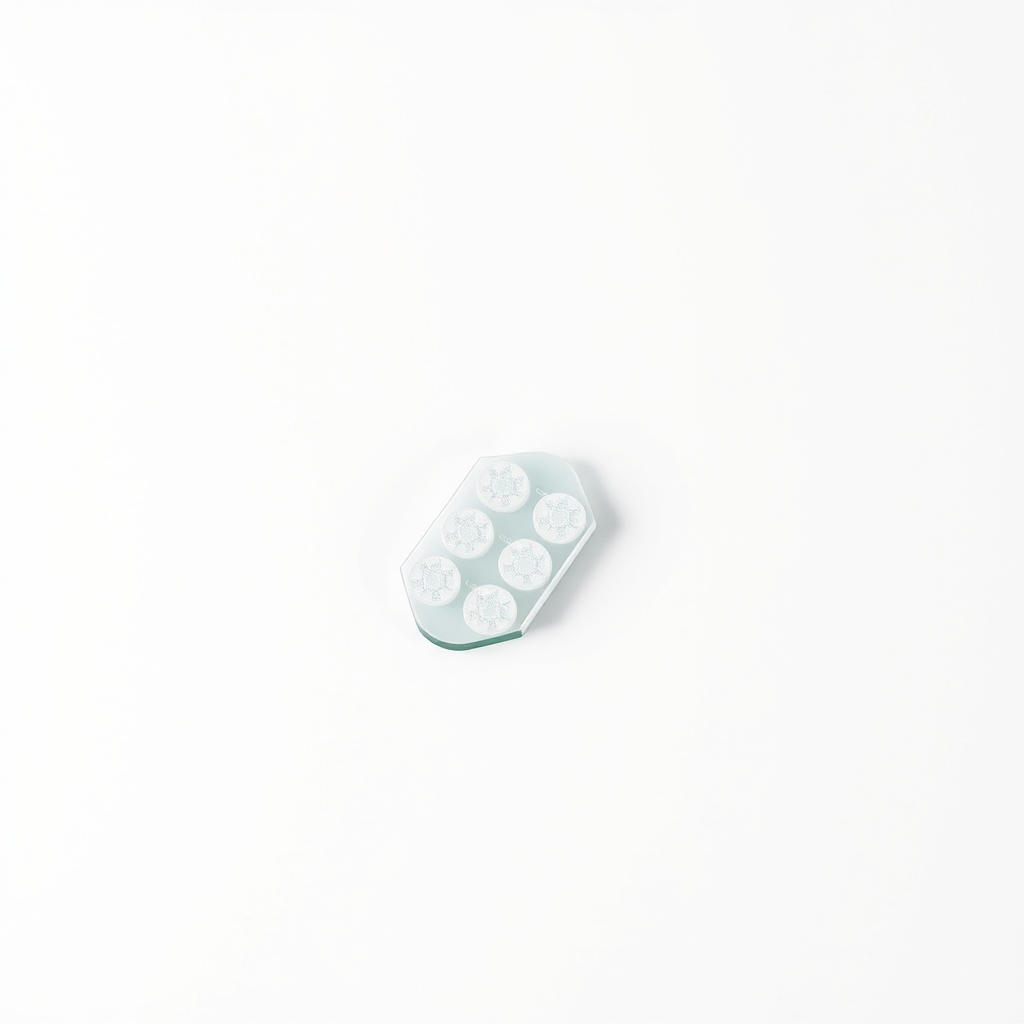
Adhesive heel grips
Heel grips are thin, soft strips that stick inside the back of the shoe. They take up the empty space behind your heel and give the lining some grip, so the heel stays put. They do not change the length of the shoe, so they fit best when your toes are fine and only the back is loose.
What to get: Adhesive heel grips for shoes
How long it lasts: Weeks to months of regular wear, depending on how often you wear them and how smooth the lining is.
As an Amazon Associate I earn from qualifying purchases.
What you'll need
-
Thicker socks
Mid-weight cotton or wool grips better than a thin liner
You have it -
Rubbing alcohol and a cotton pad
Clean the lining so the grip sticks
You have it - Our pick Illustration
Adhesive heel grips
For a loose heel in shoes that fit everywhere else
- Illustration
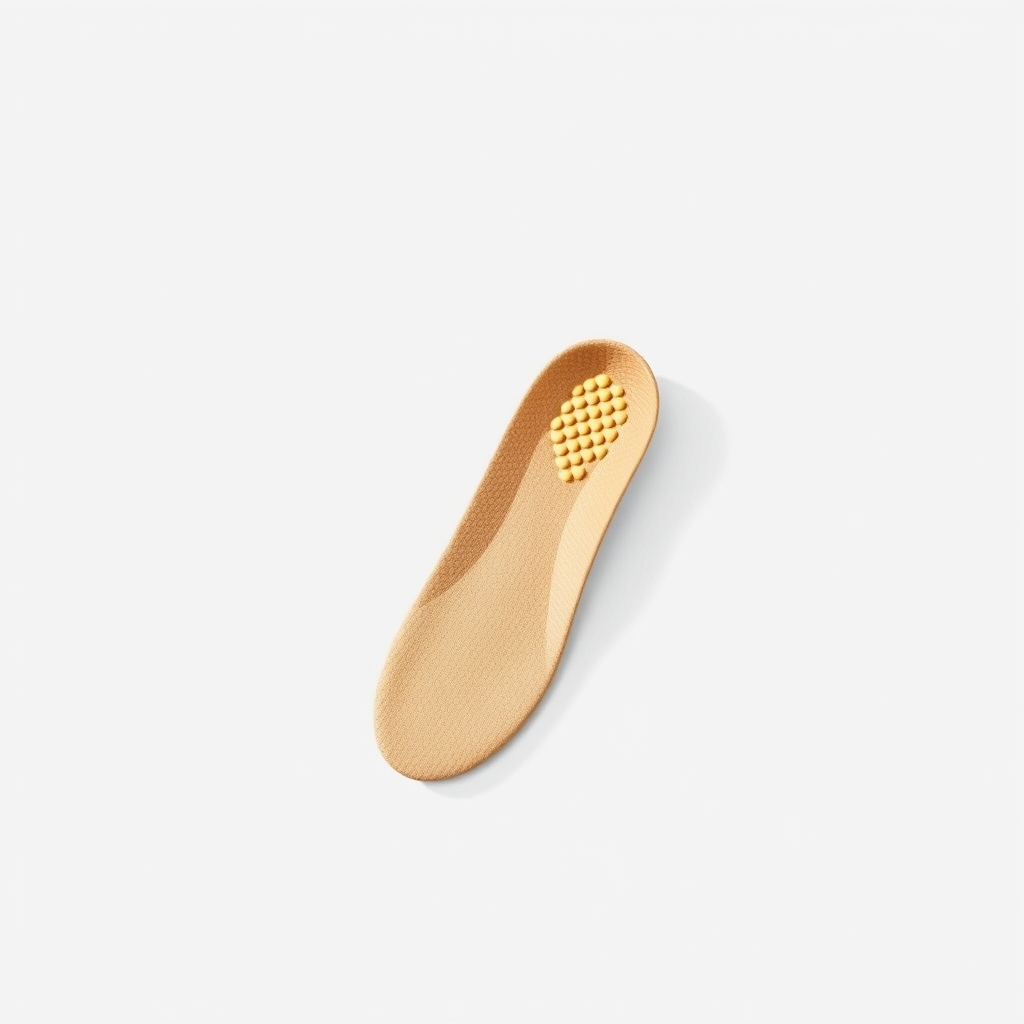
Full-length insoles
For shoes that are loose all over
Why it happens
A heel cup wider than your heel
Shoes are cut on a general shape. If your heel is narrow compared with your forefoot, the back gaps even when the length is right.
A shoe half a size too big
Extra length lets your foot slide forward and back. With each step, your heel lifts out.
Stiff new material
New leather and thick soles do not flex yet, so the heel lifts until the shoe breaks in. A little slip in new shoes is normal.
Slick lining and thin socks
A smooth lining and no-show socks give nothing for your heel to grip.
Try this first (free)
Do these in order, starting with the simplest.
-
1. Switch to a thicker, grippier sock
Tool used: Thicker socksTry a mid-weight cotton or wool sock. Thin, slippery no-show liners are a common culprit, and a thicker sock fills a little of the gap.
-
2. Heel-lock your laces
On laced shoes, thread each lace end through the top eyelet on the same side to make a small loop. Cross the laces, pass each end through the opposite loop and pull snug before you tie. This pulls your heel back into the shoe.
-
3. Check the fit
Slide your foot forward until your toes touch the front. You should fit about one finger behind your heel. If you can fit more, the shoe is too long.
-
4. Clean the lining
Tool used: Rubbing alcohol and a cotton padWipe the inside of the heel with rubbing alcohol and let it dry. Adhesive will not stick to oil or dust.
-
5. Stick on the heel grips
Tool used: Adhesive heel gripsPeel the backing and press a grip onto the inside back of the shoe, a little below the top edge so it does not rub your Achilles tendon. Hold it for 30 seconds, then walk around the house before wearing them out.
IllustrationCheck price on AmazonTool for this step
Adhesive heel grips · For a loose heel in shoes that fit everywhere else
When free fixes aren't enough
Lacing and socks do the most for laced sneakers and boots. Flats, pumps, loafers and sandals have no laces, so the fix has to go inside the shoe. If a shoe lifts at the heel every wear, grips are the answer. If the whole shoe is more than half a size too big, grips alone will not hold, so try a full-length insole or exchange them for the right size. If a shoe rubs a blister, stop wearing it. Fit matters more than any fix.
Buy the fix
Still stuck after the free fixes? These are the products we would look at.
| Pick | Product | Fixes | Who it's for | Buy |
|---|---|---|---|---|
| Best pick | Adhesive heel grips for shoes | a heel that lifts out of the shoe | People with a narrow heel, or flats, loafers, boots and pumps that fit in length but gap at the back. | Check price |
| Upgrade pick | Full-length cushioned insoles | shoes that are loose all over | People whose shoes are about half a size too big overall. | Check price |
Adhesive heel grips for shoes
Fixes: a heel that lifts out of the shoe
Look for: A soft, grippy inner surface such as suede-like fabric or foam; Strong adhesive backing; A thin profile that does not crowd your toes; Trim-to-fit strips, or a shape that curves around the back of the shoe.
- Who it's for
- People with a narrow heel, or flats, loafers, boots and pumps that fit in length but gap at the back.
- Honest downside
- The whole shoe is more than half a size too big, or the lining is smooth, oily or wet and the adhesive will not hold.
Full-length cushioned insoles
Fixes: shoes that are loose all over
Look for: Cushioned foam or gel, not a thin film; A length you can trim to match the shoe's own insole; The right size for your shoe, checked before you buy.
- Who it's for
- People whose shoes are about half a size too big overall.
- Honest downside
- The shoe already fits snug at the toes or the top of the foot. Insoles take up room and can squeeze.
As an Amazon Associate I earn from qualifying purchases. We don't show prices because they change, so use the button to see today's price.
How we picked: How we picked: this page is based on shoe-fitting and footwear care guides, instructions from heel grip and insole makers, and the problems and fixes people report in reviews. We do not test products by hand.
Heel grips vs. insoles at a glance
- Heel grips: for a loose back only. They are thin, cheap and quick, and they leave your toe room alone. They can wear through at the heel, and some feel bulky in tight shoes.
- Full-length insoles: for a shoe that is loose all over. They take up volume and lift the foot, but they use up toe room and can make the heel sit higher in a shallow shoe.
- Ball-of-foot cushions: they push the foot back and stop it sliding forward. They are handy in flats and heels with a roomy front.
What to skip
Stuffing the toe box with tissue or cotton
It crowds your toes and the heel still lifts. Put the fix where the gap is: a heel-lock lacing, a heel grip or a thicker sock.
Frequently asked questions
Why do my shoes slip off my heel when I walk?
Are heel grips or insoles better for shoes too big in the heel?
How do I fix shoes that are too big in the back without a cobbler?
Do heel grips damage the shoe?
As an Amazon Associate I earn from qualifying purchases. Affiliate disclosure