How to Stop Shoes From Giving Blisters Before They Start
Blisters come from friction, heat and a heel that slides. Fix the rub spot with better socks and lacing, then add a balm stick or heel cushions.
By Jamilur Rahman Updated November 5, 2026 · 8 min read
- Time
- 10 min
- Cost
- Under $20
- Difficulty
- Easy
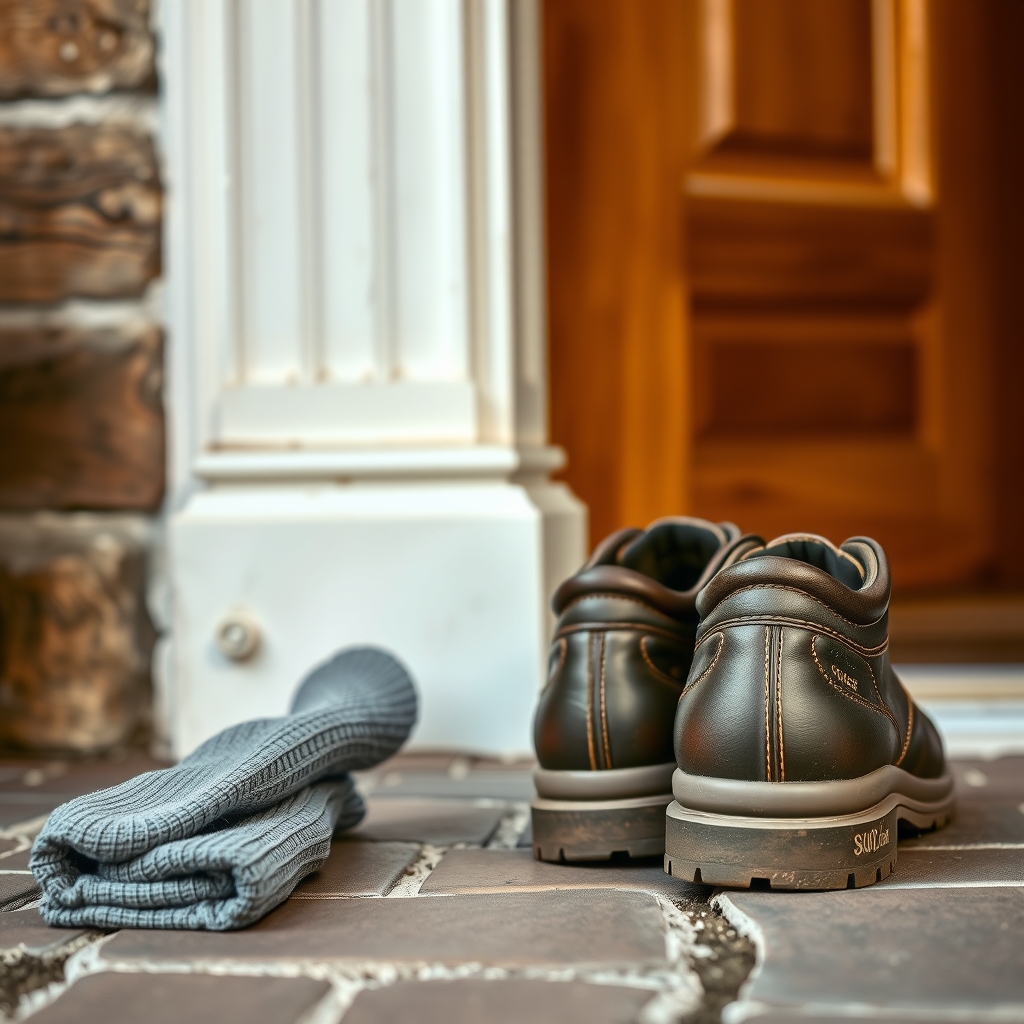
In this guide
Quick answer
How to stop shoes from giving blisters comes down to cutting friction where the shoe rubs, which is usually the heel, the ankle bone or the toes. Swap cotton socks for snug synthetic or wool ones, lace the shoe so your heel stays put, and break new pairs in slowly. If one spot still rubs, an anti-blister balm stick keeps the skin gliding, and adhesive heel cushions fill the gap that lets your heel slide.
Free fix vs. permanent fix
Better socks, heel-lock lacing and a slow break-in
- Wear snug synthetic or wool socks, not cotton
- Use a heel-lock lace loop to hold your heel back
- Wear new shoes 1 to 2 hours a day for the first week
- Dab petroleum jelly on hot spots before you head out
How long it lasts: Often enough once the shoe softens. A shoe with the wrong shape at the heel will keep rubbing.
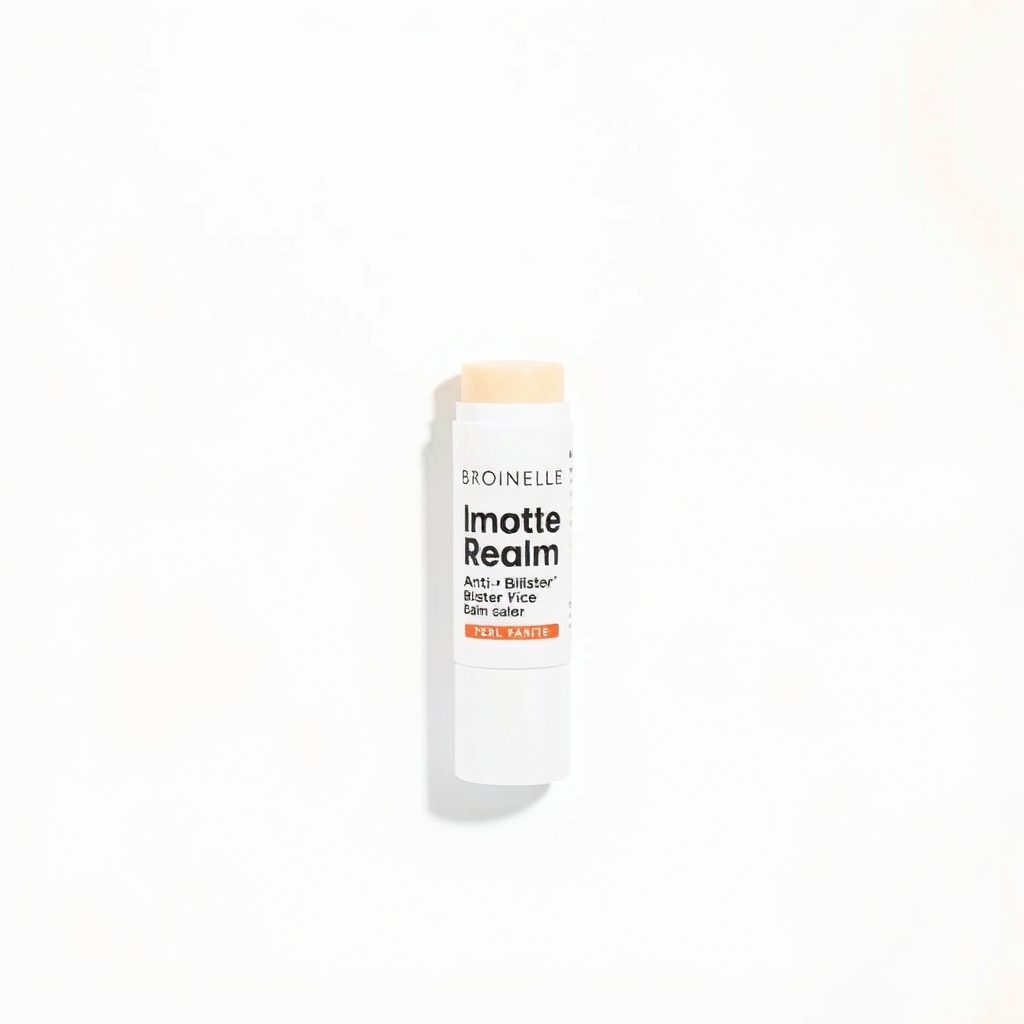
An anti-blister balm stick on the rub spots
A balm stick leaves a slick, dry film on your skin, so the shoe glides over it instead of dragging. It protects the heel, the ankle bone and the toes in any pair of shoes. Heel cushions are the add-on when your heel still slides.
What to get: Anti-blister balm stick
How long it lasts: One application covers a long day. Keep it in your bag and reapply on hikes or all-day wear.
As an Amazon Associate I earn from qualifying purchases.
What you'll need
-
Moisture-wicking socks
Synthetic or merino wool, snug but not tight
You have it -
Petroleum jelly
A stopgap on hot spots; it wears off in an hour or two
You have it - Our pick Illustration
Anti-blister balm stick
Dry, glide-on film that protects any spot the shoe rubs
- Illustration
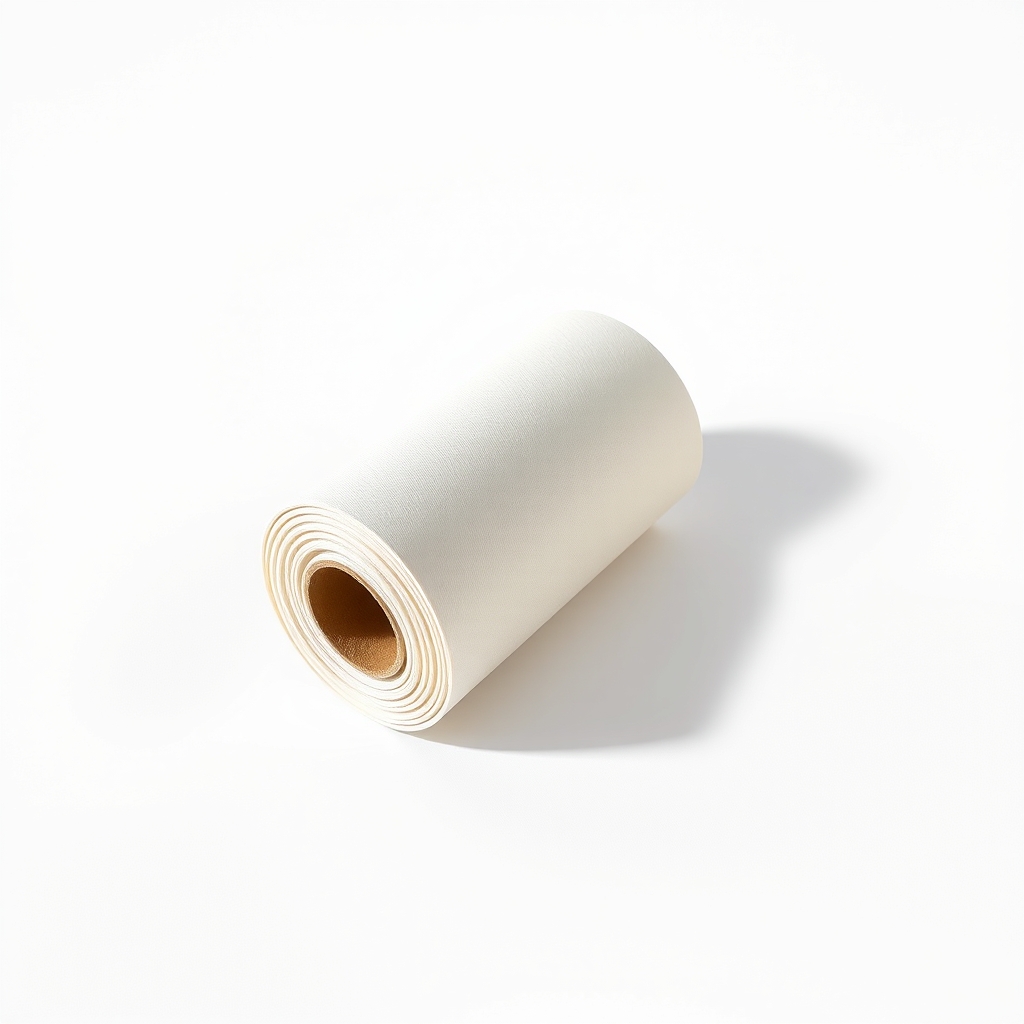
Moleskin padding roll
Cut it to shape and stick it on one stubborn spot
- Illustration
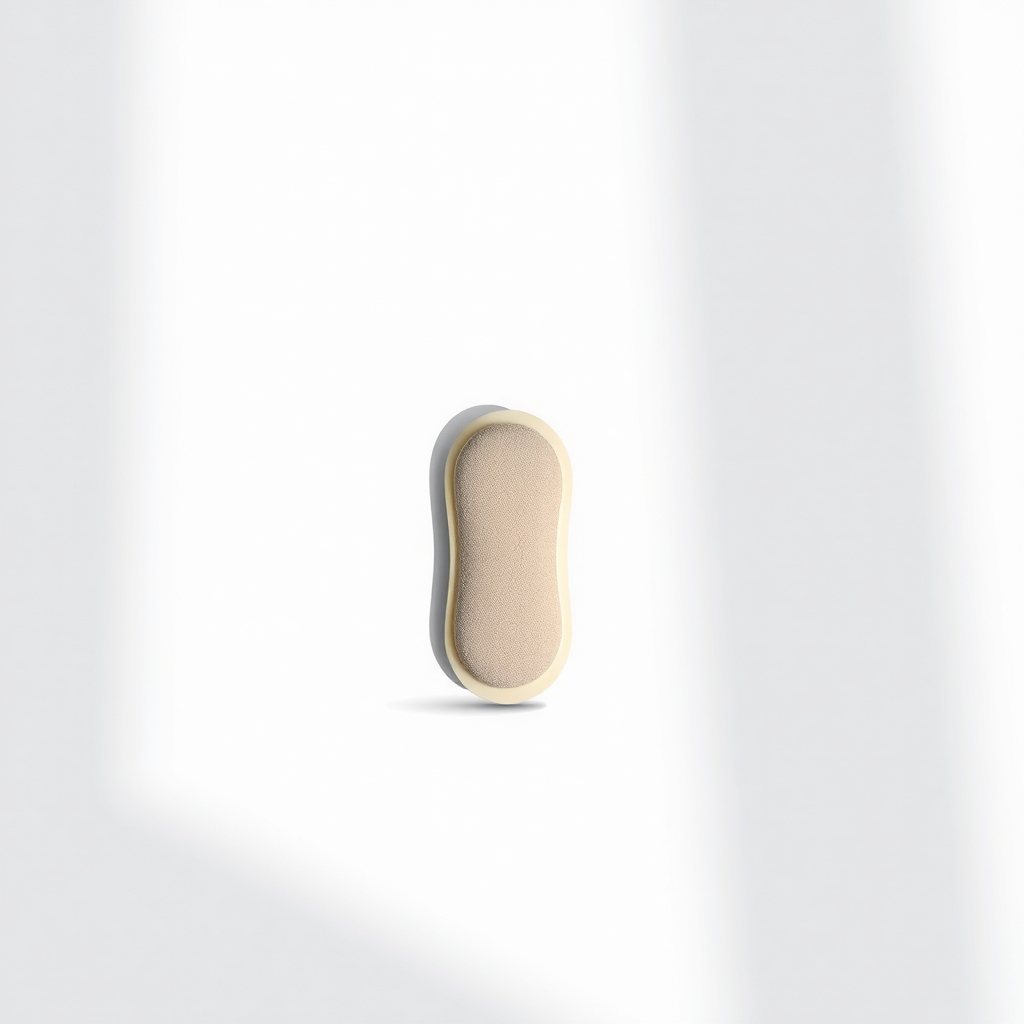
Adhesive heel cushions
For heels that lift in a slightly loose shoe
Why it happens
Friction plus heat
Skin that rubs the same spot over and over heats up, and the top layer separates from the one below it. A blister is the fluid that fills that gap.
Damp skin and cotton socks
Wet skin grips fabric harder. Cotton soaks up sweat and stays wet, so it adds drag. Rain-soaked shoes do the same.
A heel that slides
If the shoe is a little long or wide, your heel lifts with every step and drags against the back. That is the usual reason a shoe keeps rubbing the heel.
Stiff edges and seams
A hard heel cup, a stiff collar or a seam that lands on the ankle bone digs into the same spot all day. That is why some shoes rub the side of the ankle.
Shoes that are not broken in
New leather and synthetic uppers need several wears to soften and mold to your foot.
Try this first (free)
Do these in order, starting with the simplest.
-
Find the exact rub spot
After a short walk, look for red or warm patches on your feet. Match each one to where the shoe touches: heel, ankle bone, toe joint or top of the foot. Fix that spot, not the whole shoe.
-
Switch to snug, sweat-wicking socks
Tool used: Moisture-wicking socksChoose synthetic or merino wool socks that fit without bunching, and skip cotton. A slightly loose shoe may like a thicker pair. A tight one needs thinner socks.
-
Use a heel-lock lace loop
Thread each lace through the extra top eyelet on its own side to make a small loop. Pass the opposite lace through each loop, then pull snug. This holds the heel back without squeezing the front of your foot.
-
Coat the hot spots before you walk
Tool used: Anti-blister balm stickWipe your heel, ankle bone and any toe joint that rubbed until the skin is clean and dry. Then glide the balm stick over them. Petroleum jelly works in a pinch but can wear off and stain light socks.
IllustrationCheck price on AmazonTool for this step
Anti-blister balm stick · Dry, glide-on film that protects any spot the shoe rubs
-
Pad a spot that keeps rubbing
Tool used: Moleskin padding rollCut a piece of moleskin with rounded corners and stick it on dry skin, or inside the shoe at the rough spot. If the skin is already red, cut a hole in the middle so the pad rings the sore area instead of pressing on it.
IllustrationCheck price on AmazonTool for this step
Moleskin padding roll · Cut it to shape and stick it on one stubborn spot
-
Break the shoes in slowly
Wear new shoes for 1 to 2 hours a day around the house for a week, with the same socks you plan to use. Add time gradually before a long day on your feet.
When free fixes aren't enough
If your heel still lifts after heel-lock lacing, the shoe is too long or too wide at the back, and no sock fixes that. Adhesive heel cushions fill the gap so the heel stays down, and they stay in the shoe for weeks. If you still get blisters with all of this, the pair simply may not suit your foot shape, so return it while you can. See a doctor if a blister shows pus, spreading redness, red streaks or fever.
Buy the fix
Still stuck after the free fixes? These are the products we would look at.
| Pick | Product | Fixes | Who it's for | Buy |
|---|---|---|---|---|
| Best pick | Anti-blister balm stick | friction at the heel, ankle bone and toes | Anyone who gets blisters in more than one spot, from new shoes, long walks or dress shoes. | Check price |
| Budget pick | Moleskin padding roll | one spot that keeps rubbing | Someone with one or two known hot spots who wants a cheap, cut-to-size fix. | Check price |
| Upgrade pick | Adhesive heel cushions | a heel that lifts and rubs in a slightly loose shoe | Anyone whose heel slides in boots, flats or sneakers that feel a bit big. | Check price |
Anti-blister balm stick
Fixes: friction at the heel, ankle bone and toes
Look for: A glide-on stick made for feet; Dry, non-greasy finish that does not stain socks; Small enough to carry in a bag.
- Who it's for
- Anyone who gets blisters in more than one spot, from new shoes, long walks or dress shoes.
- Honest downside
- The skin is already broken. Cover it with a bandage instead, and skip any balm that irritates your skin.
Moleskin padding roll
Fixes: one spot that keeps rubbing
Look for: Soft felt-style padding with an adhesive back; A roll you can cut into any shape; Thin enough to fit inside a closed shoe.
- Who it's for
- Someone with one or two known hot spots who wants a cheap, cut-to-size fix.
- Honest downside
- The rubbing covers a wide area. A thick pad adds bulk and can make the shoe tighter.
Adhesive heel cushions
Fixes: a heel that lifts and rubs in a slightly loose shoe
Look for: Soft fabric or gel facing your heel; A curved shape that sits at the back of the shoe; A size that matches the height of your shoe's heel cup.
- Who it's for
- Anyone whose heel slides in boots, flats or sneakers that feel a bit big.
- Honest downside
- The shoe already feels snug. A cushion takes up room and makes it tighter.
As an Amazon Associate I earn from qualifying purchases. We don't show prices because they change, so use the button to see today's price.
How we picked: How we picked: this page is based on foot-care guidance from skin and foot health groups, lacing guides from shoe makers, and what owners report in reviews of blister balms, moleskin and heel cushions. We do not test products by hand.
Which part of your foot is rubbing?
- Back of the heel: the heel slides. Use heel-lock lacing, balm and a heel cushion.
- Side of the ankle bone: the collar is stiff or low. Wear higher socks and pad the bone.
- Toe joints or the top of the foot: the toe box is too short or narrow. Try balm, and consider a half size up.
- Ball of the foot: heat and sweat. Switch to wicking socks and let the shoes dry between wears.
Who should not treat a blister at home
If you have diabetes, nerve damage or poor circulation in your feet, see a doctor or podiatrist for any blister. You may not feel how bad it is, and infections spread fast in those cases.
What to skip
Cotton socks and walking through a hot spot
Cotton holds sweat against your skin, which raises friction. Pushing on past the first warm patch is how a hot spot becomes a blister. Stop, pad or balm the spot, then carry on.
Frequently asked questions
Why do my shoes give me blisters even when they fit?
Why are my shoes giving me blisters on the back of my heel?
How do I stop shoes rubbing the side of my ankle?
What do I do when a shoe keeps rubbing my heel?
Should I pop a blister?
Related problems
 Free fix inside
Small Spaces & Storage · Shoe Fit
How to Stop Shoes Slipping Off Your Heel: Grips vs. Insoles
Read the fix Free fix inside
Small Spaces & Storage · Shoe Fit
Shoes Too Big? 5 Fixes That Make Them Fit, No Return Needed
Read the fix Free fix inside
Small Spaces & Storage · Shoe Fit
Shoes Too Tight? Stretch Them at Home With the Right Tool
Read the fix Free fix inside
Small Spaces & Storage · Shoe Noise
Why Do My Shoes Squeak? Where the Noise Comes From and How to Hush It
Read the fixAs an Amazon Associate I earn from qualifying purchases. Affiliate disclosure