How to Stop Shoes From Slipping on Smooth Floors: Grip Pads
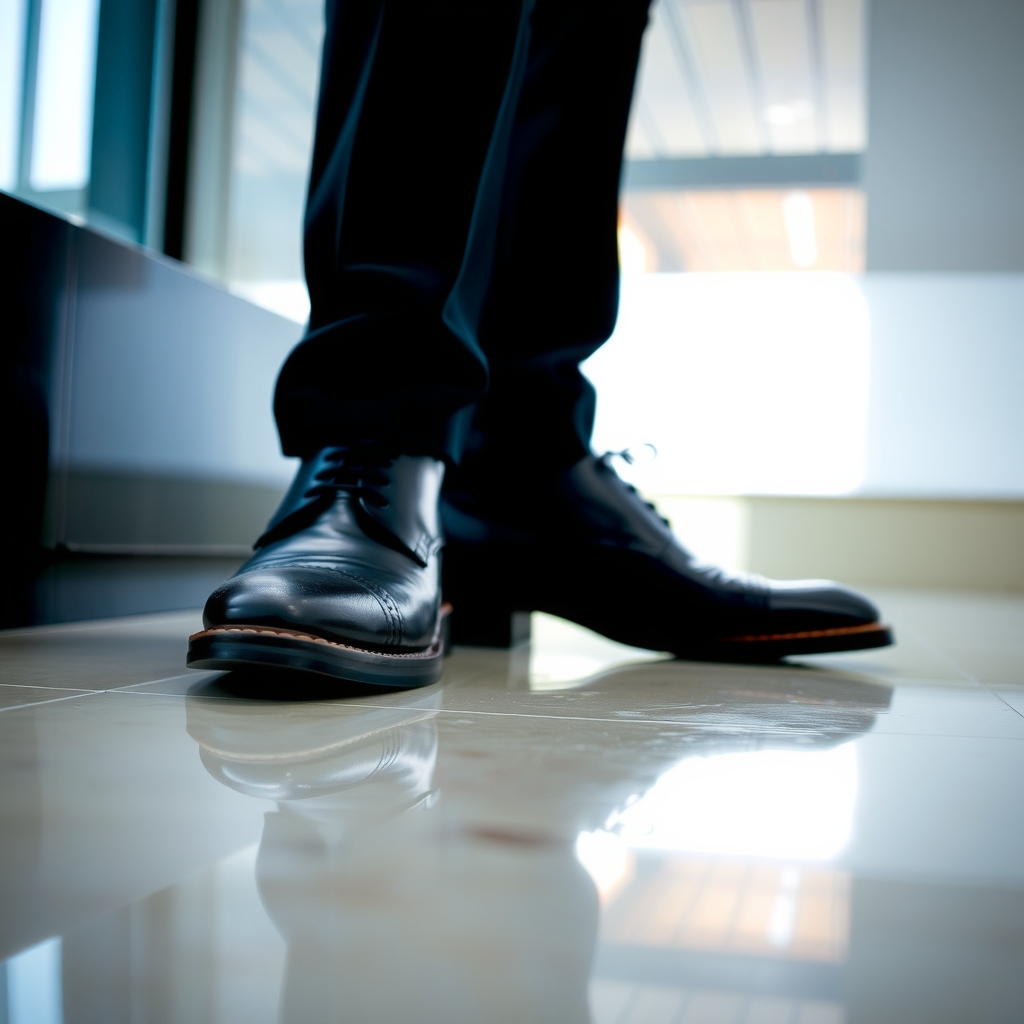
Worn, slick soles slide on tile, hardwood and polished stone. Clean and scuff them first, then stick on grip pads for lasting traction.
By Jamilur Rahman Updated November 5, 2026 · 6 min read
- Time
- 10 min
- Cost
- Under $20
- Difficulty
- Easy
In this guide
Quick answer
Here is how to stop shoes from slipping on smooth floors: clean the soles, scuff them with sandpaper to remove the shine, and wipe the floor too, because dust and polish cause as much slipping as slick rubber. If the soles are leather or worn smooth, adhesive non-slip grip pads put real texture back on the sole and last for months.
Free fix vs. permanent fix
Clean, scuff and check the floor
- Wipe the soles with a damp cloth to remove dust and wax
- Rough up the flat parts of the sole with sandpaper
- Dry-mop the floor, since dust makes smooth floors slipperier
- Skip floor polish and oil soap where you walk
How long it lasts: A few weeks on rubber soles. Leather and worn-flat soles go slick again quickly.
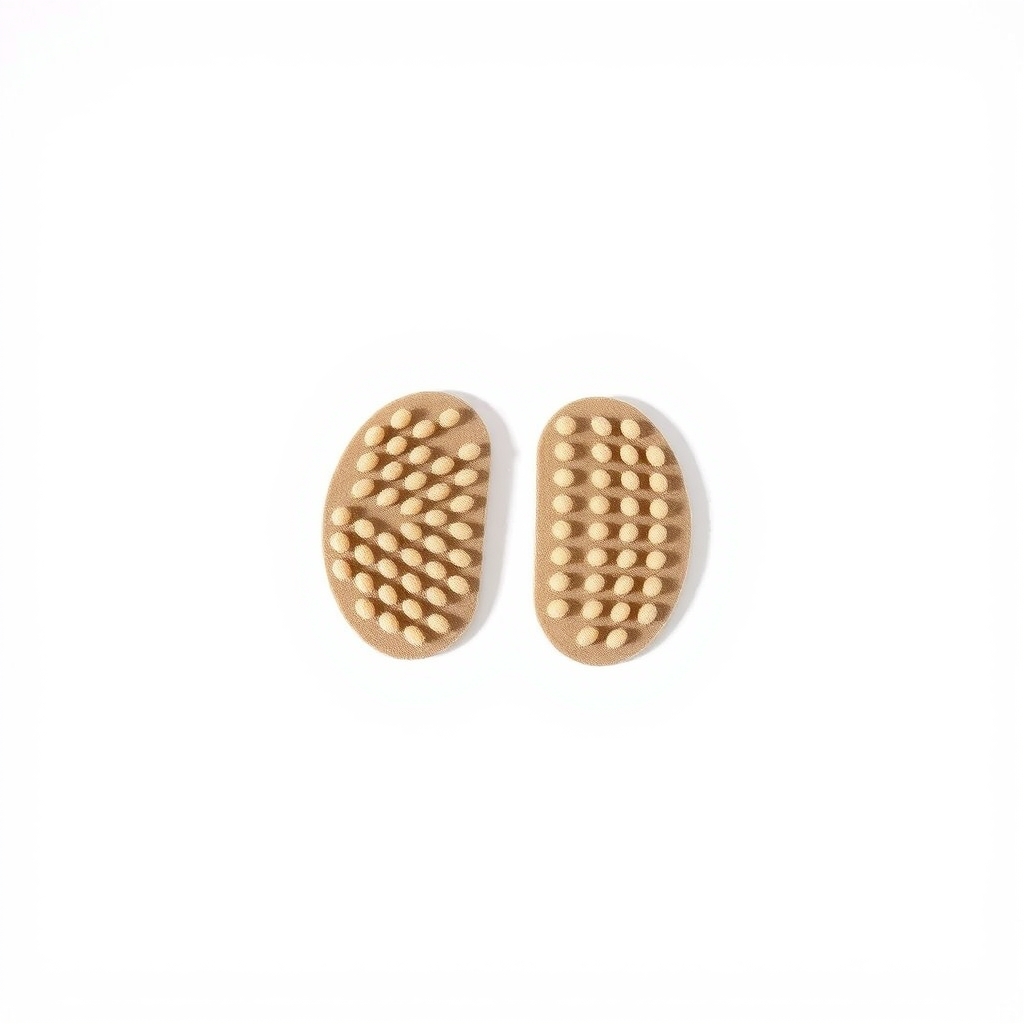
Adhesive non-slip grip pads on the soles
Slipping happens when a sole has no texture to bite into the floor. Scuffing only roughens what is there. A grip pad adds new, rubbery texture to the sole itself, so it works on any smooth floor and with almost any shoe.
What to get: Adhesive non-slip shoe grip pads
How long it lasts: Months of daily wear. When the pads wear down, peel them off and fit new ones.
As an Amazon Associate I earn from qualifying purchases.
What you'll need
-
Damp cloth
For wiping dust and wax off the soles
You have it -
Medium-grit sandpaper
Around 80 grit; a scrap is enough
You have it -
Rubbing alcohol
Cleans the sole so pads stick
You have it - Our pick Illustration
Non-slip shoe grip pads
Peel-and-stick pads that add tread
- Illustration
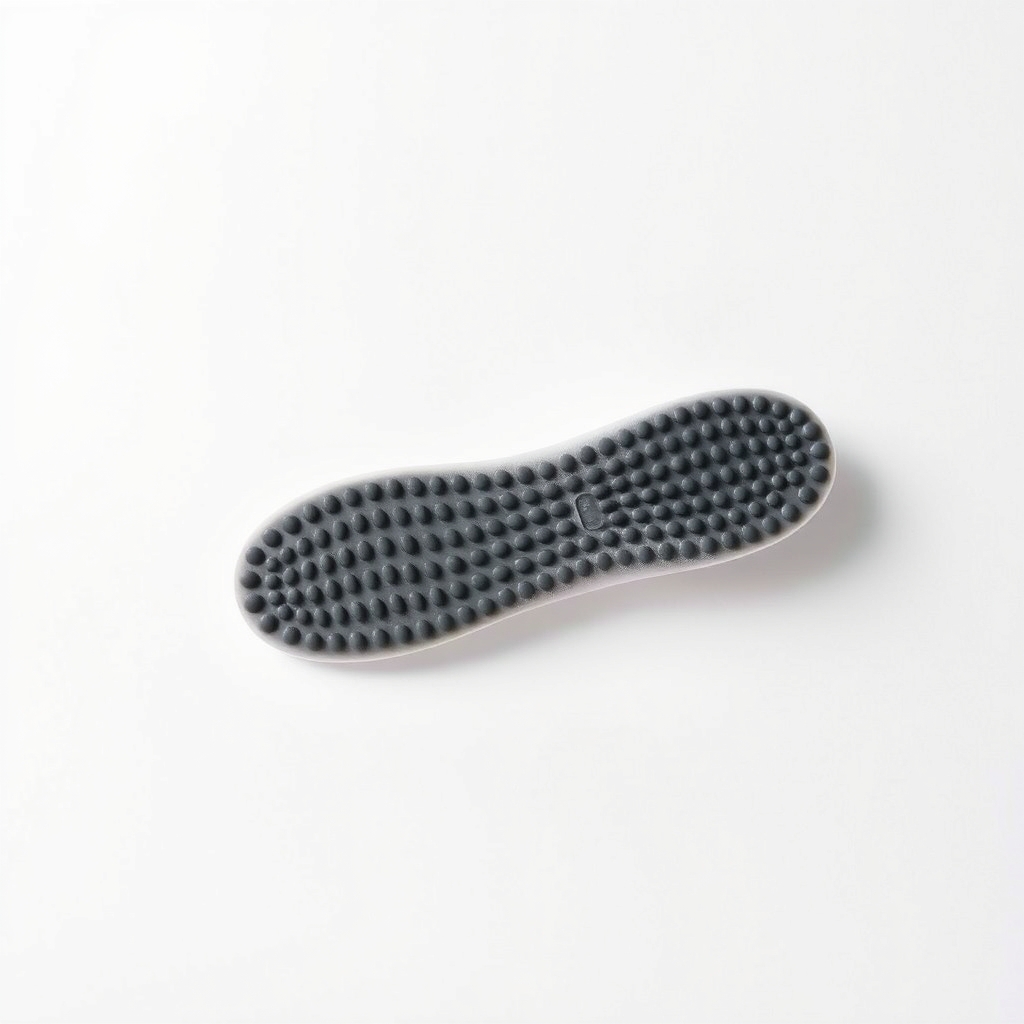
Rubber sole protector sheets
For leather soles you want covered end to end
Why it happens
Soles worn smooth
Rubber tread wears down with use. When the grooves are gone, there is little left to grip with.
Hard, slick sole material
Leather and hard plastic soles have little bite on tile, polished wood or stone, even when new.
Dust, wax and moisture on the floor
A thin film of dust or floor polish acts like a lubricant. A damp patch makes it worse.
Dirty soles
Grooves packed with dust, wax or oil cannot grip. Clean soles can grip better than they look.
Try this first (free)
Do these in order, starting with the simplest.
-
Clean the soles
Tool used: Damp clothWipe the soles with a damp cloth to remove dust, wax and grit. Let them dry. Many shoes slip simply because the sole is coated in a thin film.
-
Rough up the sole
Tool used: Medium-grit sandpaperRub the flat parts of a rubber or leather sole with sandpaper in straight strokes until the shine is gone. Do the ball and the heel, where you push off. Stay on the sole and keep the sandpaper off the upper.
-
Clean the floor too
Dry-mop first, then damp-mop with a cleaner that does not leave a film. Skip oil soaps and wax polishes on floors you walk across in shoes.
-
Add grip pads
Tool used: Non-slip shoe grip padsWipe the sole with rubbing alcohol and let it dry fully. Peel the backing, press the pad down firmly for 30 seconds and follow the package for cure time before wearing them in wet weather.
IllustrationCheck price on AmazonTool for this step
Non-slip shoe grip pads · Peel-and-stick pads that add tread
When free fixes aren't enough
Scuffing buys a few weeks on rubber soles. It does little for leather or hard plastic soles, and it cannot add tread to a sole that is worn flat. If you slip on the same floor every day, or the shoes are a dress pair with leather soles, the sole needs texture added. Grip pads give it for months. If you or someone in your home is older or has fallen, treat repeated slipping as a safety problem: switch to shoes with deep rubber tread, and see a doctor if you feel unsteady for no clear reason.
Buy the fix
Still stuck after the free fixes? These are the products we would look at.
| Pick | Product | Fixes | Who it's for | Buy |
|---|---|---|---|---|
| Best pick | Adhesive non-slip shoe grip pads | slipping on tile, hardwood and polished floors | Anyone with leather-soled dress shoes, worn sneakers or flats who walks on smooth floors. | Check price |
| Upgrade pick | Rubber sole protector sheets | leather soles that slip and wear out fast | People who wear leather-soled dress shoes often and want the whole sole covered. | Check price |
Adhesive non-slip shoe grip pads
Fixes: slipping on tile, hardwood and polished floors
Look for: Self-adhesive backing for a clean, dry sole; A textured rubber face; Shapes or sheets that cover the ball and the heel; Thin enough not to change how the shoe fits.
- Who it's for
- Anyone with leather-soled dress shoes, worn sneakers or flats who walks on smooth floors.
- Honest downside
- The sole is wet, oily or crumbling, because the pad will not stick. Also skip them on soles that already have deep tread.
Rubber sole protector sheets
Fixes: leather soles that slip and wear out fast
Look for: A sheet big enough to cover the full sole; Thin, flexible rubber with a textured face; Strong adhesive backing; A thickness you can trim with scissors.
- Who it's for
- People who wear leather-soled dress shoes often and want the whole sole covered.
- Honest downside
- You do not want to trim a sheet to shape. Stick-on pads are simpler.
As an Amazon Associate I earn from qualifying purchases. We don't show prices because they change, so use the button to see today's price.
How we picked: How we picked: this page is based on shoe care and floor care guides, advice from sole repair makers, and what owners report in reviews of grip pads. We do not test products by hand.
Which sole do you have?
- Rubber with tread: clean it and scuff it. Add pads only if it still slips.
- Leather or hard plastic: add pads or a full rubber sheet. Scuffing alone will not last.
- Rubber worn flat: add pads for now and plan to replace the shoes.
- Foam or air-cushion soles: use pads rather than sandpaper.
How to make pads stay on
Wipe the sole with rubbing alcohol and let it dry completely. Press the pad down hard, starting at the middle and working out to the edges. Keep the shoes dry for as long as the package says. Re-press any edge that starts to lift.
What to skip
Hairspray, wax and other sticky hacks
Hairspray or wax on the sole can feel tacky for a short time, then leaves a sticky film that picks up dust and can mark the floor. It also wears off fast. Add texture with a pad instead.
Frequently asked questions
Why are my shoes so slippery?
Do grip pads work on tile and hardwood?
Can I use sandpaper on any shoe?
How long do grip pads last?
Related problems
 Free fix inside
Cleaning · Hardwood Floor
Hardwood Floor Too Slippery? Runner Rugs and Grippers Add Traction
Read the fix Free fix inside
Small Spaces & Storage · Shoe Fit
How to Stop Shoes Slipping Off Your Heel: Grips vs. Insoles
Read the fix Free fix inside
Small Spaces & Storage · Shoe Blisters
How to Stop Shoes From Giving Blisters Before They Start
Read the fix Free fix inside
Small Spaces & Storage · Shoe Noise
Why Do My Shoes Squeak? Where the Noise Comes From and How to Hush It
Read the fixAs an Amazon Associate I earn from qualifying purchases. Affiliate disclosure