How to Store Books Without a Bookshelf: Wall Ledges and Stacks
No bookshelf, no problem. Sort, stack and box your books tonight, then add wall ledges to turn empty wall into shelf space that holds the pile.
By Jamilur Rahman Updated November 5, 2026 · 6 min read
- Time
- 45 min
- Cost
- $20-$50
- Difficulty
- Easy
In this guide
Quick answer
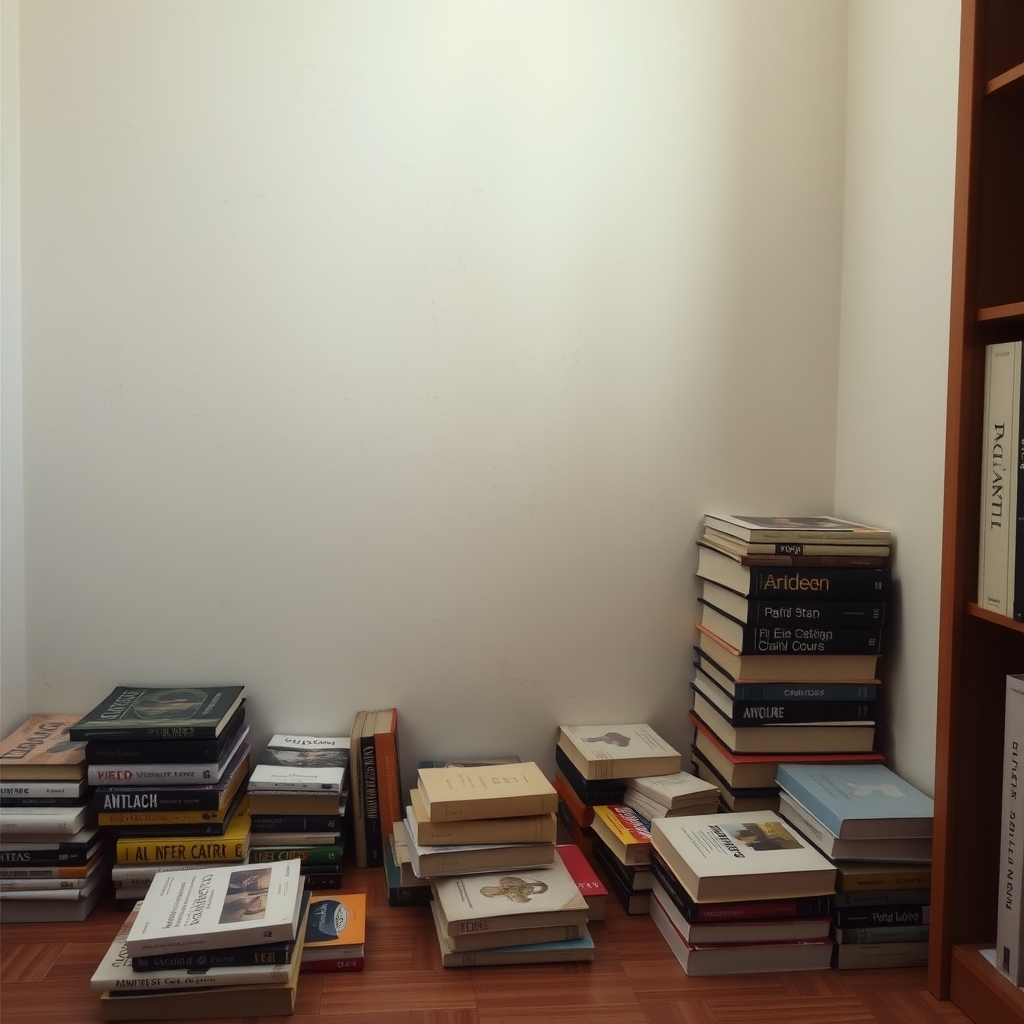
How to store books without a bookshelf: sort out the ones you will not read again, stack the rest flat by size, and put the extras in boxes or crates. The lasting fix is a set of floating wall ledges, which turn empty wall into shelf space and keep the pile off the floor.
Free fix vs. permanent fix
Sort, stack and box them
- Pull out books you will not read again
- Stack hardcovers flat, biggest on the bottom
- Box the rarely read ones and label the box
- Keep each stack under about three feet so it cannot topple
How long it lasts: Works for a few dozen books. Stacks keep growing and hide the spine of the one you want.
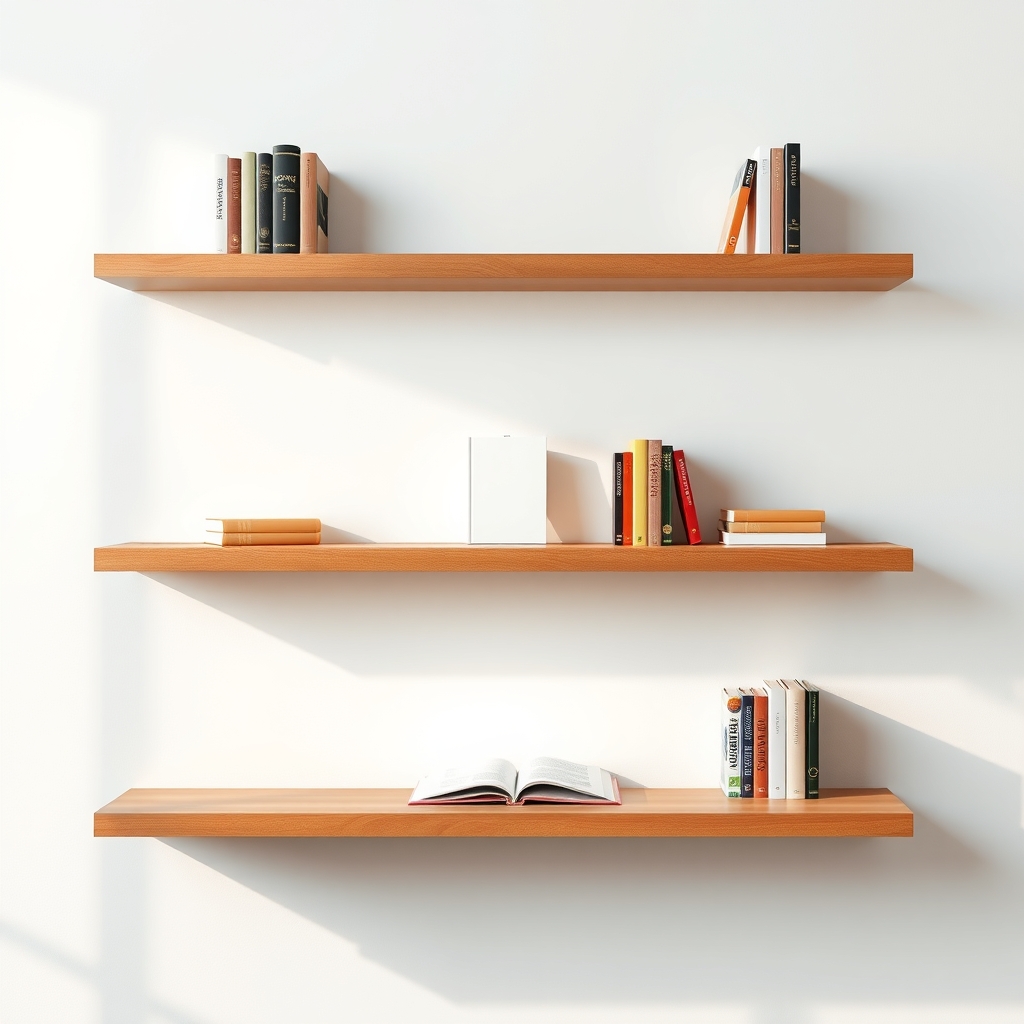
Floating wall book ledges
A ledge puts books on empty wall instead of the floor or a desk. The shallow lip holds paperbacks and picture books cover out, so you can see what you own and put each book back in its spot.
How long it lasts: Years, once they are screwed into studs or rated anchors.
As an Amazon Associate I earn from qualifying purchases.
What you'll need
-
Tape measure
To find free wall and mark spacing
You have it -
Cardboard boxes
Sturdy ones from a move or a store, sized for books
Free - Illustration
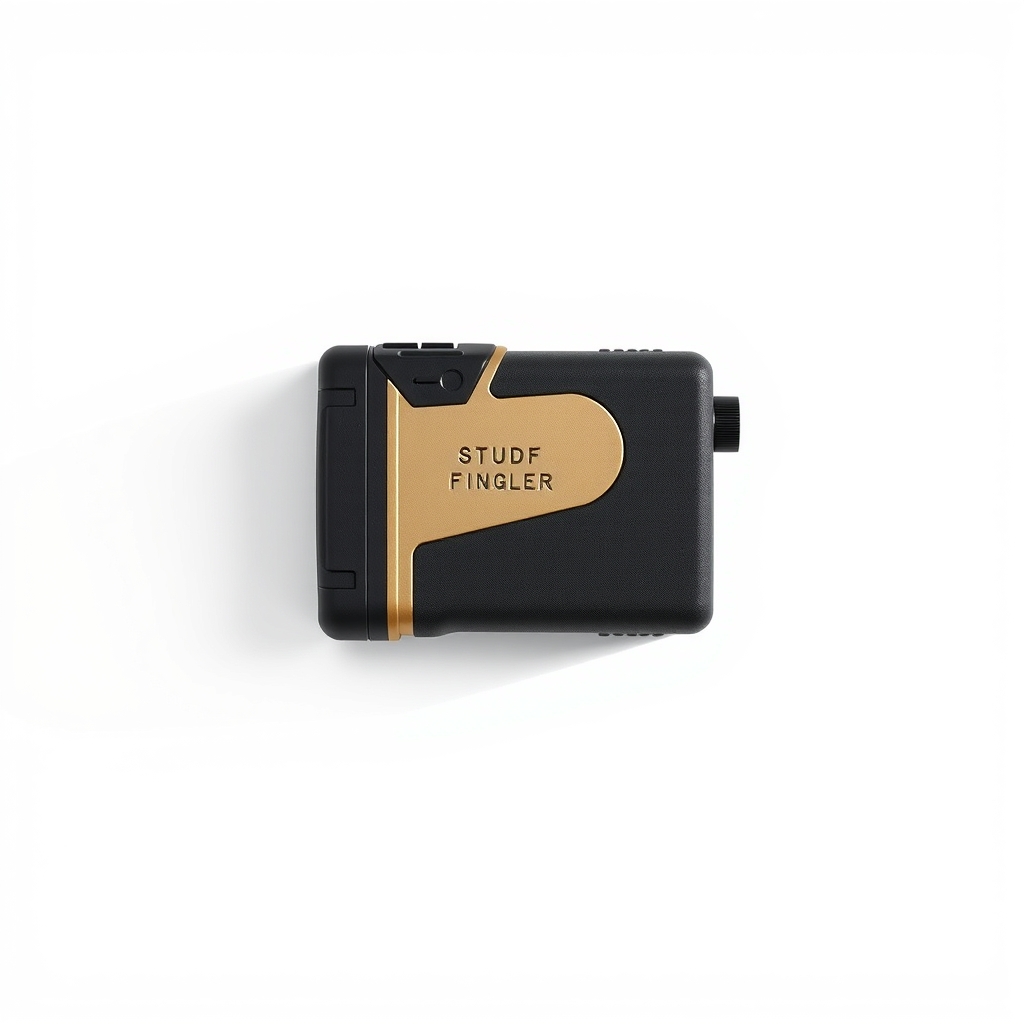
Stud finder
Shows where the wall can carry weight
- Our pick Illustration
Floating wall book ledges
Shallow shelves with a front lip for paperbacks and picture books
- Illustration
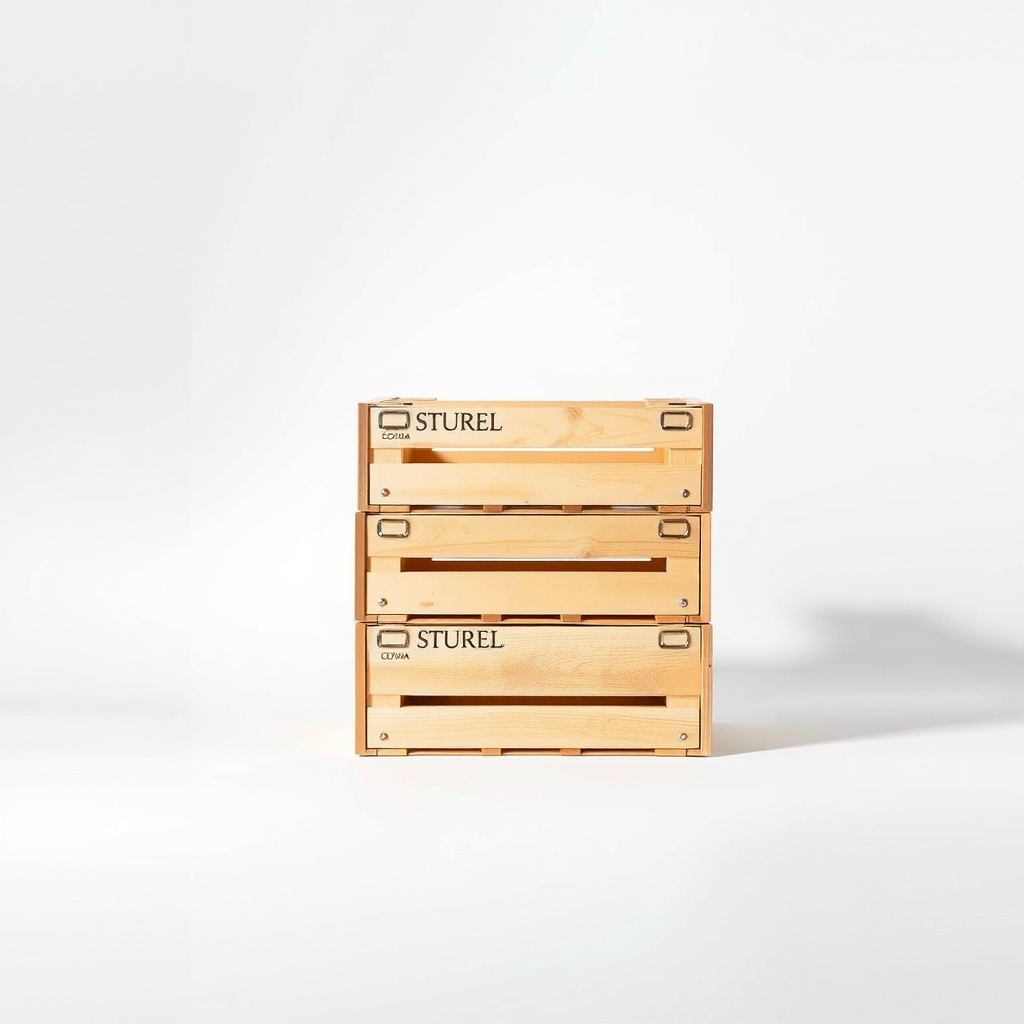
Stackable book crates
No drilling, and they stack as the collection grows
- Illustration
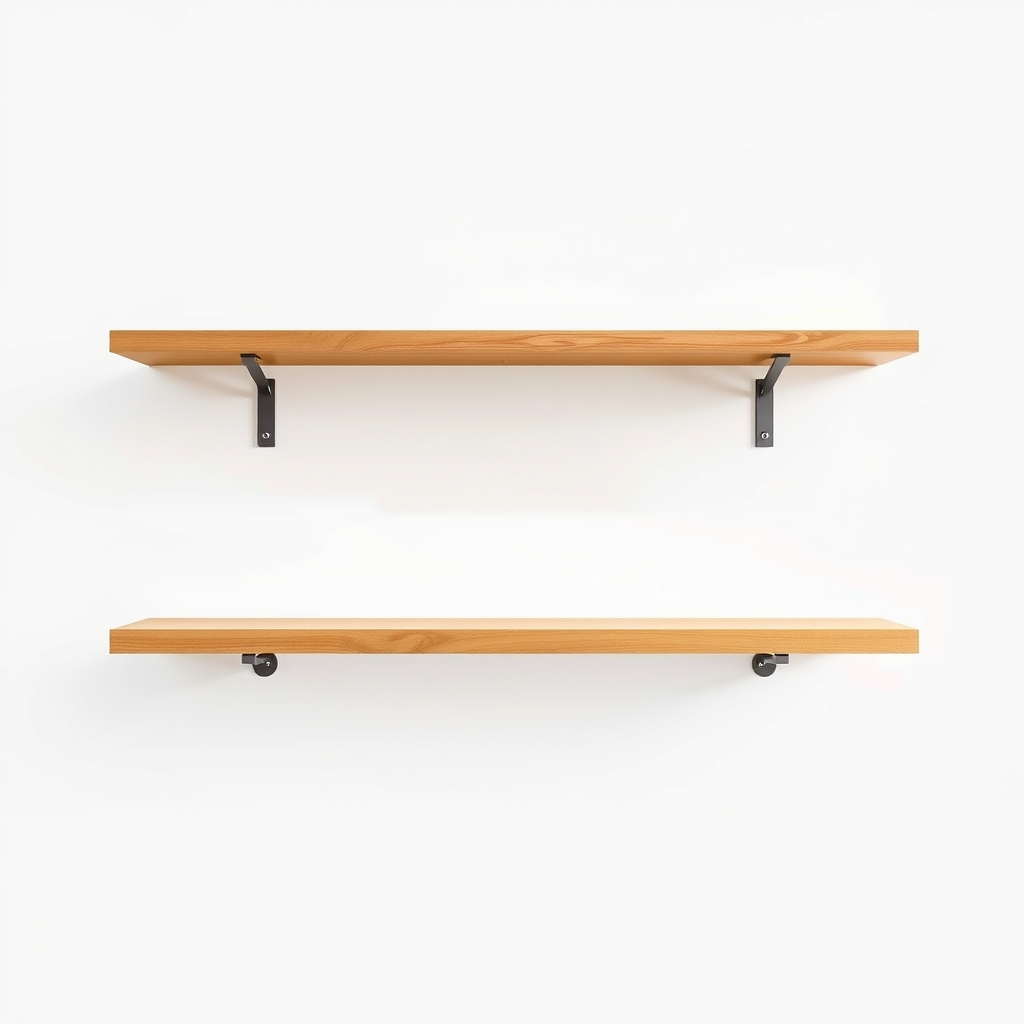
Long floating shelves
Deeper boards for heavy hardcovers
Why it happens
Books are heavy
A foot of hardcovers can weigh 15 pounds or more. A thin shelf or a stack on a wobbly surface will not hold a full run of them for long.
Stacks tip
A pile with small books at the bottom and large ones on top leans and falls. The bottom books also get crushed and the covers curl.
The walls are unused
Most small homes have free wall above a desk, beside a door or behind a sofa. It is wall space, but there is nothing on it to hold a book.
Mixed sizes
Paperbacks, picture books and large art books do not stack together. Without a plan, they end up in one tall, messy pile.
Try this first (free)
Do these in order, starting with the simplest.
-
1. Cull what you will not read again
Make three piles: keep, donate and box. Most people find a quarter to a third of the books can go. Fewer books means fewer stacks.
-
2. Stack by size, heavy at the bottom
Put the biggest hardcovers flat on the bottom, then the smaller ones. Turn the spines toward you. Keep each stack on a flat, steady surface and under about three feet.
-
3. Box the ones you rarely read
Tool used: Cardboard boxesFill small boxes about two thirds full, since a full box of books is hard to lift. Label the sides and slide them under a bed or on the closet floor.
-
4. Measure for a ledge
Tool used: Tape measureFind two to three feet of free wall near eye level. Measure the tallest book you want to show, and leave a few inches above it.
-
5. Find the studs before you mount
Tool used: Stud finderBooks are heavy. Run the stud finder along the wall and mark each stud. Screw the ledge into the studs, or use anchors rated for the load where there is no stud.
IllustrationCheck price on AmazonTool for this step
Stud finder · Shows where the wall can carry weight
When free fixes aren't enough
Stacks and boxes are fine for a few dozen books. If you own more than that, read them often, or keep digging through a pile to find one, the pile is the problem. Signs: stacks above three feet, books on the bed or the desk, or spines you cannot see. Ledges give each book a spot and a visible cover. If you rent and cannot drill, crates are the no-hole route.
Buy the fix
Still stuck after the free fixes? These are the products we would look at.
| Pick | Product | Fixes | Who it's for | Buy |
|---|---|---|---|---|
| Best pick | Floating wall book ledges | no floor space for books and stacks that tip over | Renters with free wall, readers of paperbacks, and parents with picture books. | Check price |
| Budget pick | Stackable book crates | books on the floor when you cannot drill | Renters and students who need a no-hole fix that moves with them. | Check price |
| Upgrade pick | Long floating shelves with hidden brackets | a large or heavy collection that outgrows ledges | People with a growing library of hardcovers and cookbooks. | Check price |
Floating wall book ledges
Fixes: no floor space for books and stacks that tip over
Look for: A front lip tall enough to stop books sliding off, about an inch; Depth of 4 to 5 inches for paperbacks and picture books; Screws and wall anchors in the box, with a stated load rating; A length of 3 feet or more, so it can reach two studs.
- Who it's for
- Renters with free wall, readers of paperbacks, and parents with picture books.
- Honest downside
- Your walls are brick, tile or old plaster and you cannot find studs. Use the crates or ask a pro.
Stackable book crates
Fixes: books on the floor when you cannot drill
Look for: Solid wood or thick plastic that will not bow under books; An open front and smooth edges; A depth of at least 12 inches for hardcovers.
- Who it's for
- Renters and students who need a no-hole fix that moves with them.
- Honest downside
- You want to show covers or free up floor space. Crates still take up floor.
Long floating shelves with hidden brackets
Fixes: a large or heavy collection that outgrows ledges
Look for: A depth of 8 to 10 inches for hardcovers; Hidden brackets rated for the load, set into studs; Solid wood or thick board, not a hollow shell.
- Who it's for
- People with a growing library of hardcovers and cookbooks.
- Honest downside
- You cannot locate studs, because heavy books on a long shelf need them.
As an Amazon Associate I earn from qualifying purchases. We don't show prices because they change, so use the button to see today's price.
How we picked: How we picked: this page is based on book care guidance from libraries, shelf maker instructions for load ratings and mounting, and the problems and fixes people report in reviews. We do not test products by hand.
Where each kind of book goes
- Paperbacks and picture books: wall ledges, cover out, at reach height.
- Hardcovers: deeper shelves, or flat stacks low down.
- Oversized art books: flat on a low surface with no stack above them.
- Books you rarely open: labeled boxes under the bed.
What to skip
Adhesive-only shelves
Stick-on shelves and strips are rated for light loads, and a row of books outweighs them quickly. A falling shelf can damage paint and the books. Use screws or the crates.
Frequently asked questions
How many books can a floating ledge hold?
What can I use instead of a bookshelf for books?
How do I store books in a small apartment without drilling?
Should books be stored upright or flat?
Related problems
 Free fix inside
Small Spaces & Storage · Pantry Shelves
How to Install Pantry Shelves With Brackets: Load Limits and Anchors
Read the fix Free fix inside
Small Spaces & Storage · Bookshelf
How to Keep a Bookshelf From Tipping Over (and Which Strap to Buy)
Read the fix Free fix inside
Small Spaces & Storage · Bookshelf
Bookshelf Shelves Bowing? The Support That Stops the Sag
Read the fix Free fix inside
Small Spaces & Storage · Bookshelf
Bookshelf Smells Musty? Dry the Books and Air Out the Shelf
Read the fixAs an Amazon Associate I earn from qualifying purchases. Affiliate disclosure