How to Install Pantry Shelves With Brackets: Load Limits and Anchors
A shelf of cans is heavier than it looks. Plan the load, find the studs and use brackets rated for it, with strong anchors where no stud is there.
By Jamilur Rahman Updated November 5, 2026 · 7 min read
- Time
- 1 hour
- Cost
- $20-$50
- Difficulty
- Medium
In this guide
Quick answer
How to install pantry shelves with brackets: mark a level line, screw the brackets into wall studs and use rated anchors only where there is no stud. A shelf full of cans can top 35 pounds, so buy heavy-duty brackets with a support brace and space them about 16 to 24 inches apart.
Free fix vs. permanent fix
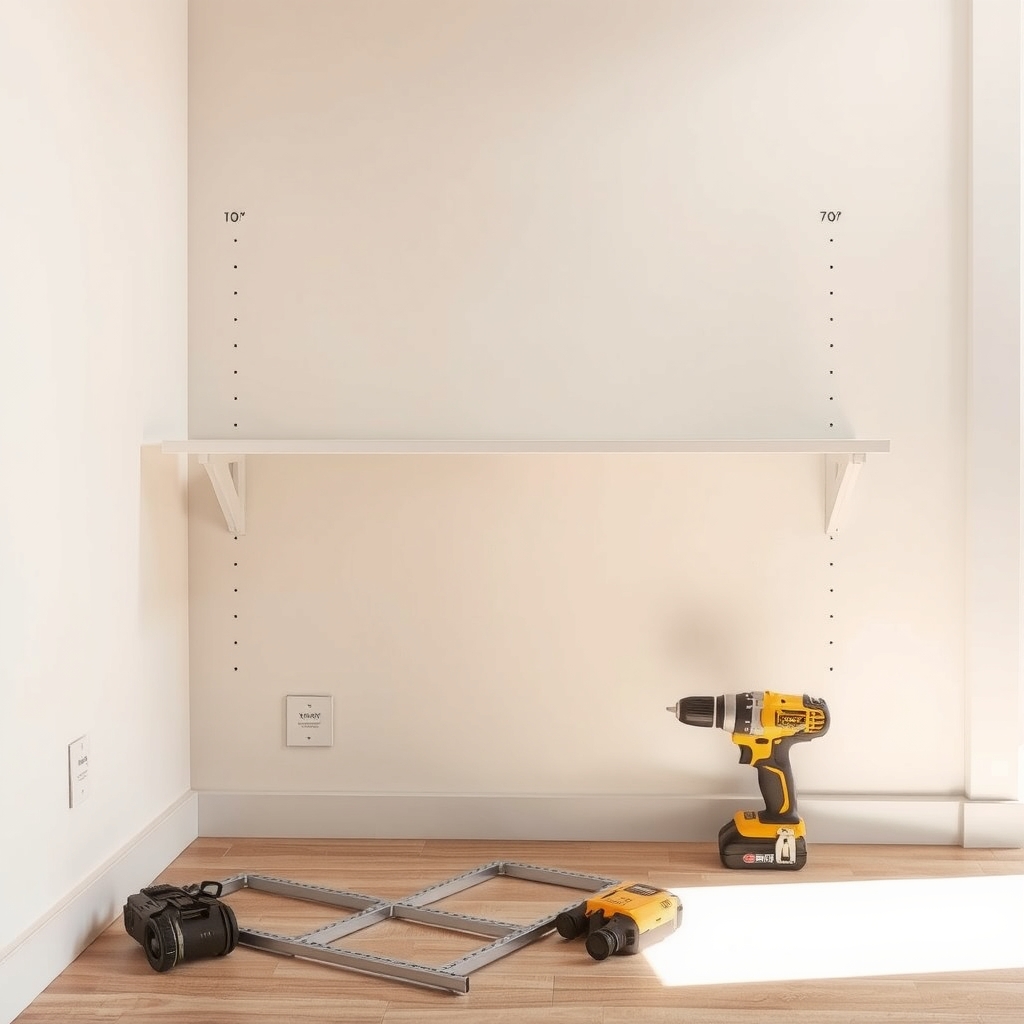
Plan the load and mark the wall
- Add up what the heaviest shelf will carry
- Find and mark every stud
- Draw a level line for each shelf
- Keep the heaviest items on the lowest shelf
How long it lasts: Planning prevents the wrong holes and an overloaded shelf. It cannot hold the shelf up on its own.
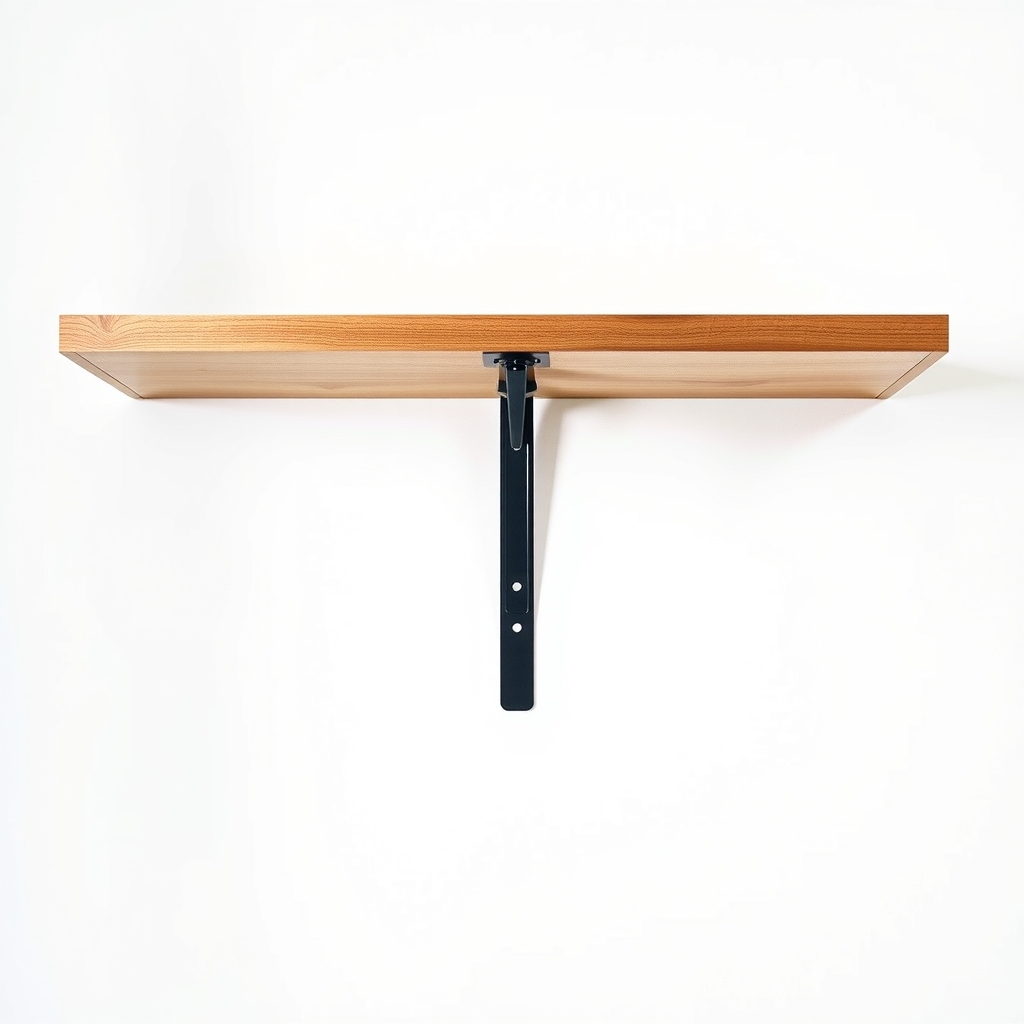
Heavy-duty brackets with the right anchors
The brackets carry the load, not the shelf board. Thin decorative brackets bend and screws held only by drywall pull out. A heavy-duty bracket with a support brace, fastened into studs or with metal anchors, keeps the shelf level under full cans.
What to get: Heavy-duty shelf brackets with support brace
How long it lasts: As long as the pantry, when screwed into studs and kept within the rating.
As an Amazon Associate I earn from qualifying purchases.
What you'll need
-
Tape measure and level
For heights and for a straight line across the wall
You have it -
Drill with bits
For pilot holes and screws
You have it - Illustration
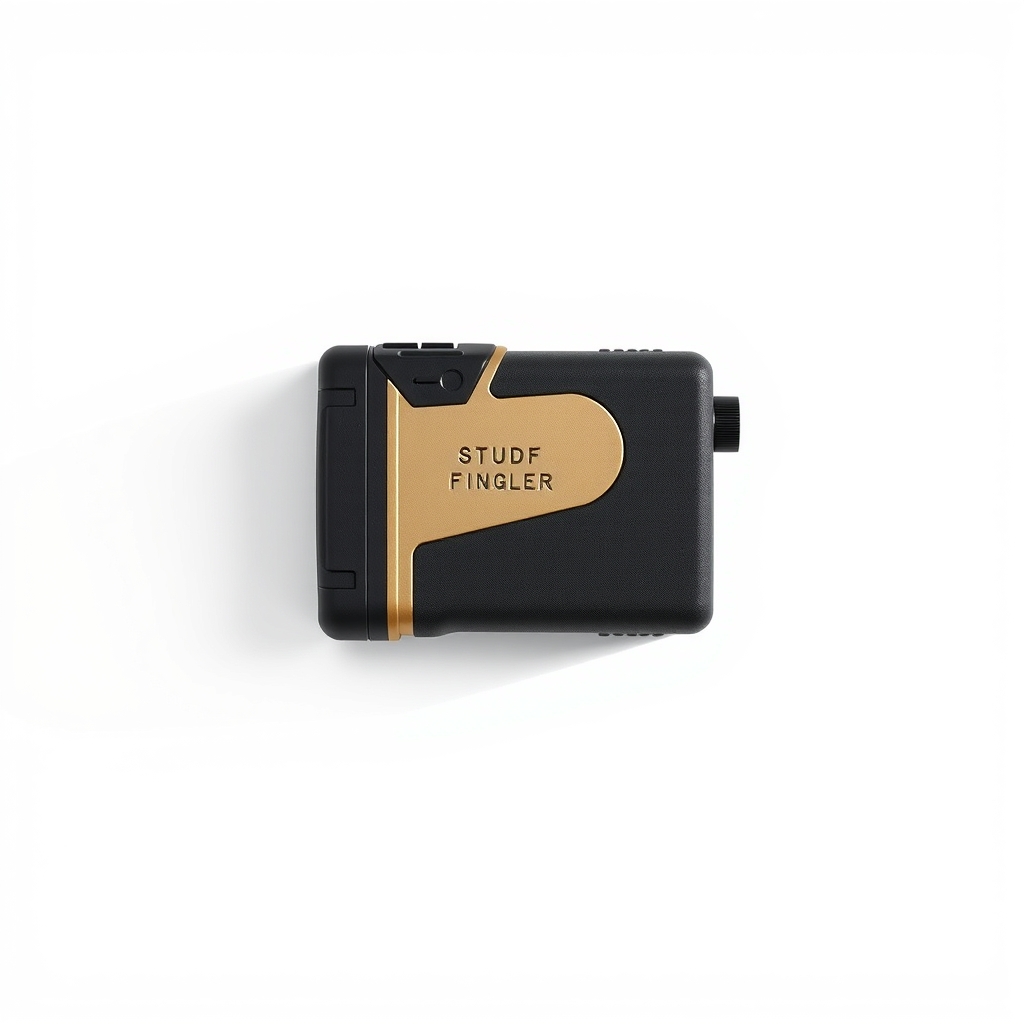
Stud finder
Marks the studs and can warn you about wires
- Our pick Illustration
Heavy-duty shelf brackets with brace
Match the length to the shelf depth
- Illustration
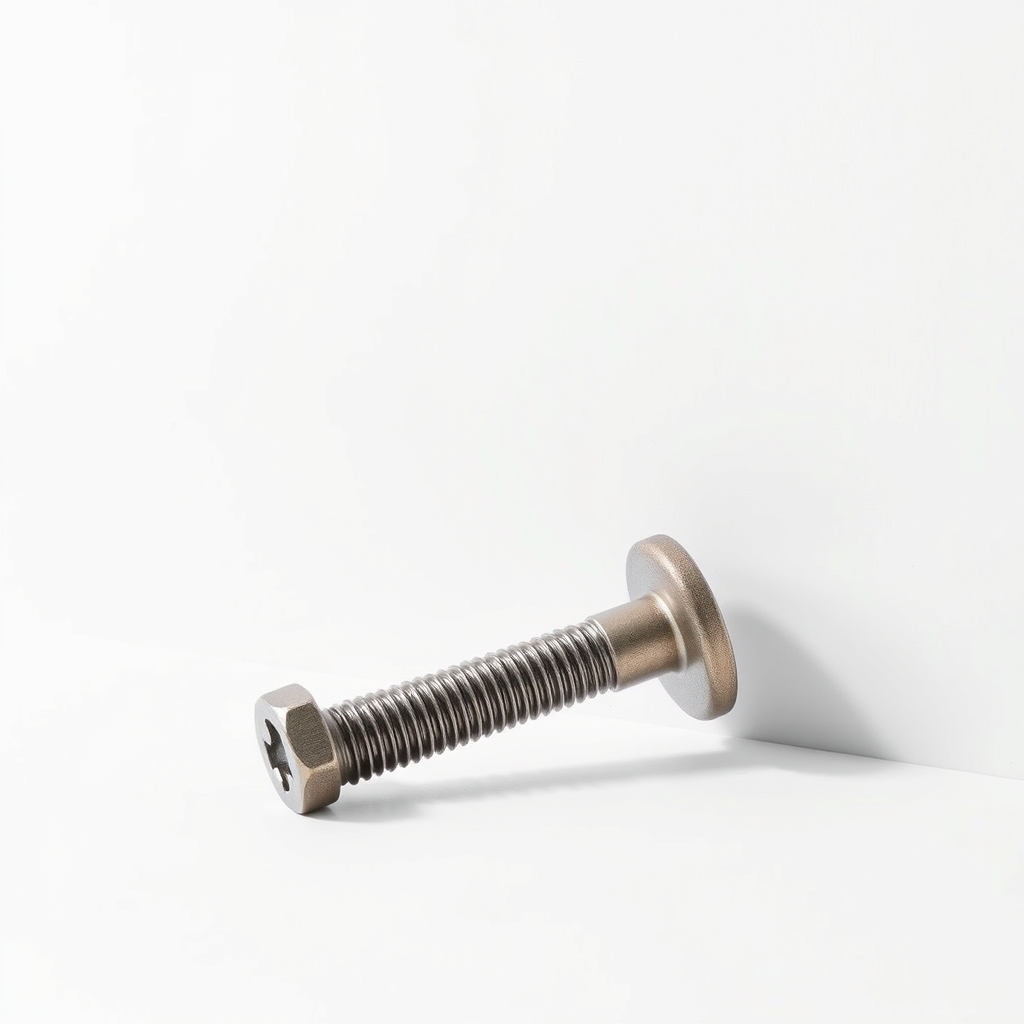
Heavy-duty toggle bolt anchors
For spots where there is no stud
- Illustration
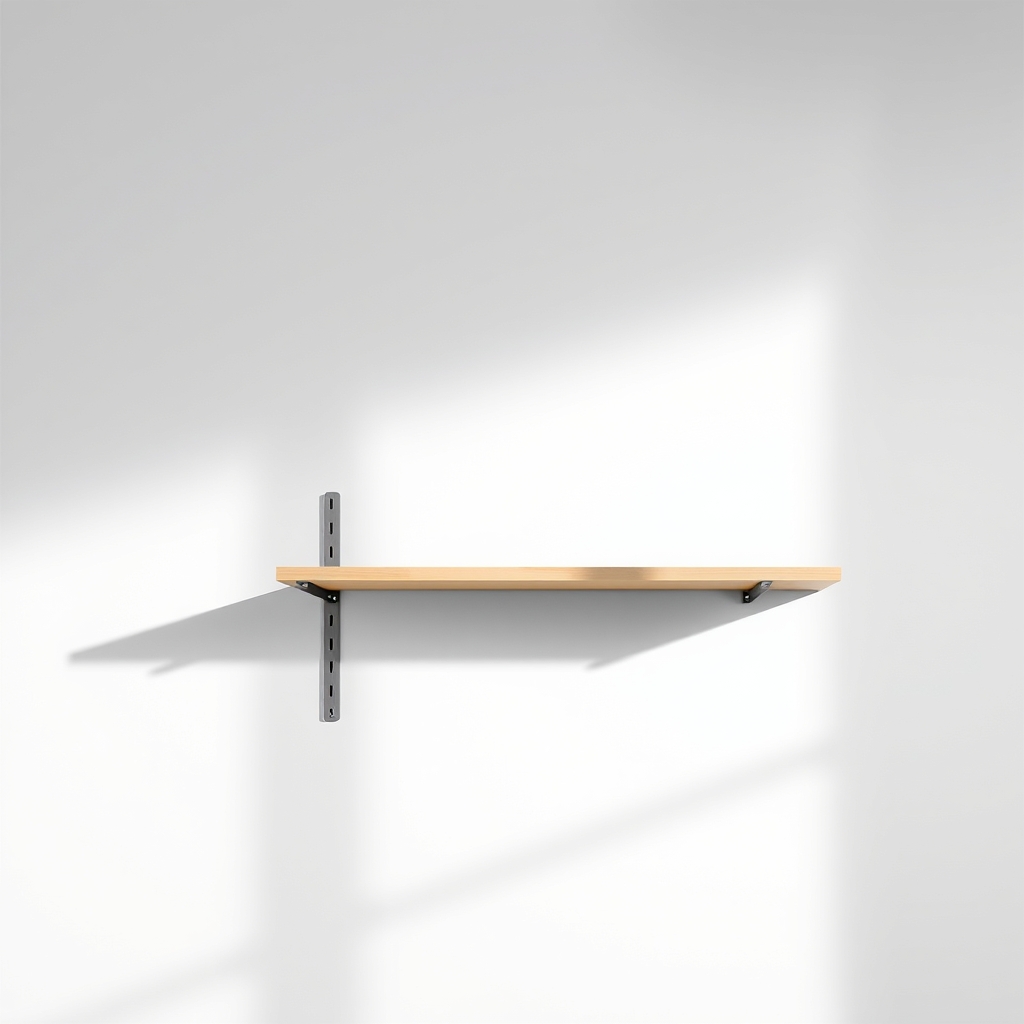
Adjustable shelf track and brackets
Lets you move the shelves later
Why it happens
Screws held only by drywall
Drywall is soft and crumbles under a steady load. A screw with no stud or proper anchor behind it slowly works loose, and the shelf pulls away from the wall.
Light-duty brackets
Thin, decorative L-brackets bend downward under a load of jars and cans. The shelf then tilts, and the items slide off the front.
Too few brackets, spaced too far apart
A long board with brackets at the ends sags in the middle, and a sagging board puts extra force on the end screws.
More weight than planned
Cans and jars add up fast. A 3-foot shelf with three rows of 15-ounce cans is about 36 cans, or about 36 pounds, before you add anything else.
Try this first (free)
Do these in order, starting with the simplest.
-
1. Add up the load
A 15-ounce can weighs about a pound, a full quart jar about three pounds, and a bag of flour about five. Add up your heaviest shelf, then pick brackets rated well above that number.
-
2. Find the studs
Tool used: Stud finderRun the stud finder along the wall and mark both edges of each stud. Studs are often 16 inches apart, but many walls use 24, so check. Avoid drilling directly above an outlet or a switch.
IllustrationCheck price on AmazonTool for this step
Stud finder · Marks the studs and can warn you about wires
-
3. Mark level lines
Tool used: Tape measure and levelLeave 10 to 12 inches of height for cans and 14 to 16 inches for cereal boxes and tall bottles. Draw a level line at each shelf height, and check it with the level across the whole wall.
-
4. Drill pilot holes and attach the brackets
Tool used: Drill with bitsDrill pilot holes in the studs and screw the brackets in with the screws that came with them. Where there is no stud, use a toggle anchor rated for the load, with the bit size on its pack. Plastic expansion anchors are for light loads only.
-
5. Set the shelf and load from the bottom
Screw the board to the brackets from below, then load the lowest shelf first. Check the screws after a week and tighten any that moved.
When free fixes aren't enough
If the studs do not line up with where you want the brackets, if your pantry wall is plaster, brick or concrete, or if you have no way to tell what is behind the drywall, plan for the right hardware before you drill. Toggle anchors suit drywall between studs. Masonry walls need masonry anchors and a hammer drill. If the stud finder warns of wiring or you hit something while drilling, stop and call a pro.
Buy the fix
Still stuck after the free fixes? These are the products we would look at.
| Pick | Product | Fixes | Who it's for | Buy |
|---|---|---|---|---|
| Best pick | Heavy-duty shelf brackets with support brace | shelves that sag and pull out of the wall | Anyone shelving cans, jars and bags in a pantry. | Check price |
| Budget pick | Heavy-duty toggle bolt wall anchors | bracket holes that land between studs | Anyone whose stud lines do not match where the brackets should go. | Check price |
| Upgrade pick | Adjustable shelf track and bracket system | pantries where what you store keeps changing | People who want to move the shelves up and down later. | Check price |
Heavy-duty shelf brackets with support brace
Fixes: shelves that sag and pull out of the wall
Look for: A diagonal support brace, not a thin decorative L; A listed load rating per bracket or per pair; An arm that reaches at least two thirds of the shelf depth; Mounting holes for at least three screws.
- Who it's for
- Anyone shelving cans, jars and bags in a pantry.
- Honest downside
- You want to move the shelves later, since the track system is easier. Also skip them if your wall is masonry and you have no masonry anchors.
Heavy-duty toggle bolt wall anchors
Fixes: bracket holes that land between studs
Look for: A metal toggle, not plastic; A load rating for each anchor; A drill bit size listed on the pack.
- Who it's for
- Anyone whose stud lines do not match where the brackets should go.
- Honest downside
- You can hit a stud, since a screw in a stud holds more. Also skip them for masonry walls.
Adjustable shelf track and bracket system
Fixes: pantries where what you store keeps changing
Look for: Uprights that screw into studs, with brackets that lock into slots; A load rating for each bracket and for the whole track; Brackets that match your shelf depth.
- Who it's for
- People who want to move the shelves up and down later.
- Honest downside
- You want a simple fixed shelf. Track has more parts and takes longer to fit.
As an Amazon Associate I earn from qualifying purchases. We don't show prices because they change, so use the button to see today's price.
How we picked: How we picked: this page is based on shelf bracket and anchor maker instructions, home improvement guides on stud spacing and load ratings, and the problems people report in reviews. We do not test products by hand.
Load limits: how heavy a pantry shelf gets
- 15-ounce can: about 1 pound.
- Quart jar of preserves: about 3 pounds.
- Bag of flour or sugar: about 5 pounds.
- A full 3-foot shelf of cans: often 35 pounds or more.
Pick brackets rated for more than your estimate. If a shelf needs to carry bulk bags or small appliances, add a bracket and use studs for every one.
What to skip
Light brackets and plastic wall plugs
Skip thin decorative brackets and plastic expansion anchors for a loaded pantry shelf. They are made for light loads and fail slowly, usually after the shelf is full.
Frequently asked questions
How to install pantry shelves step by step?
How much weight can a pantry shelf hold?
How far apart should shelf brackets be?
Can I use drywall anchors for a pantry shelf?
What size brackets do I need?
Related problems
 Free fix inside
Small Spaces & Storage · Pantry Shelves
Pantry Shelving Not Wire? Solid Liners Make Wire Shelves Work
Read the fix Free fix inside
Small Spaces & Storage · Pantry
Pantry Shelves Too Deep? Pull-Out Organizers That End the Black Hole
Read the fix Free fix inside
Small Spaces & Storage · Coat Rack
Coat Rack Keeps Falling Off the Wall? Anchors That Hold in Drywall
Read the fix Free fix inside
Small Spaces & Storage · Closet Rod
Closet Rod Keeps Falling Down? Why It Pulls Out and the Bracket Fix
Read the fixAs an Amazon Associate I earn from qualifying purchases. Affiliate disclosure