Closet Rod Keeps Falling Down? Why It Pulls Out and the Bracket Fix
A closet rod falls when its screws sit in bare drywall or the span is too long. Re-anchor it into studs, then add a heavy-duty bracket with center support.
By Jamilur Rahman Updated November 5, 2026 · 6 min read
- Time
- 30 min
- Cost
- Under $20
- Difficulty
- Medium
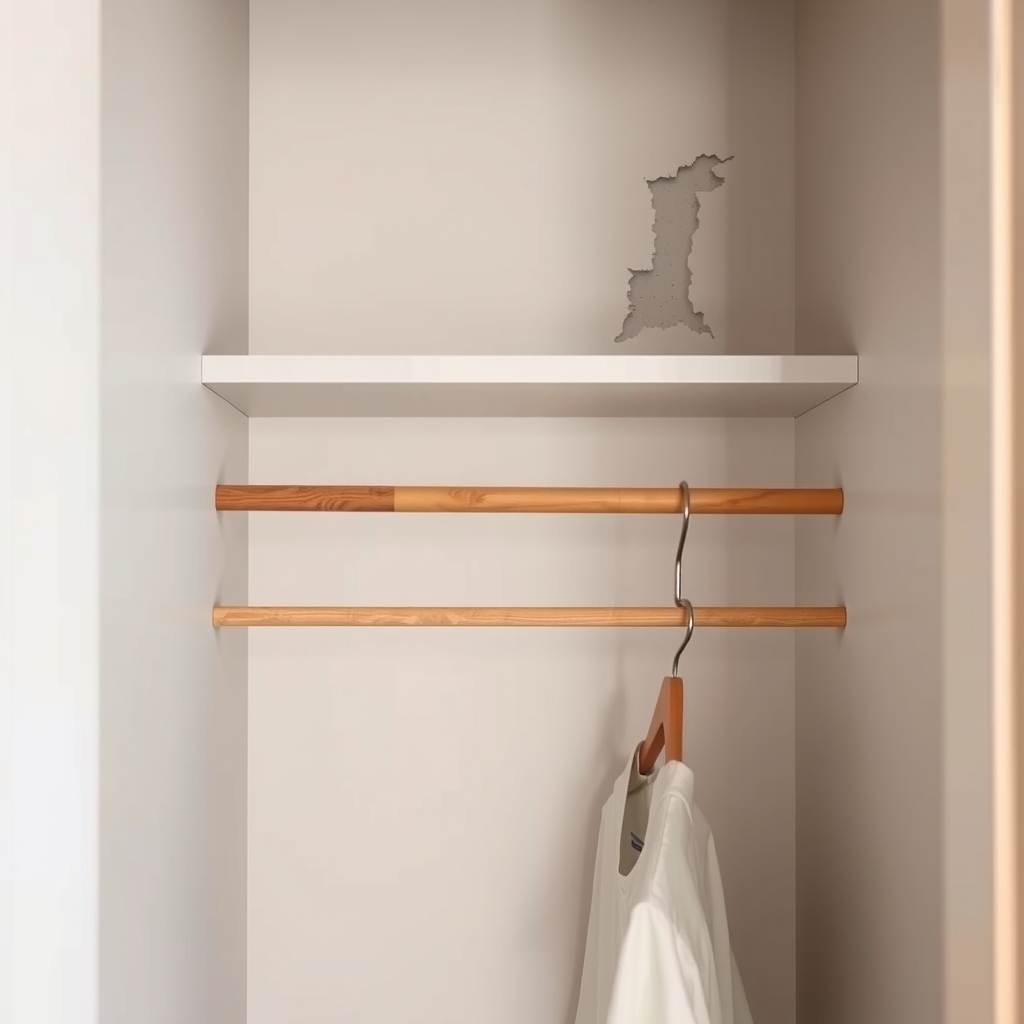
In this guide
Quick answer
A closet rod falls because its end brackets are screwed into bare drywall, the screws are too short, or the rod is too long and heavy for its supports. Empty the rod, find the studs and re-screw the brackets into wood. If the rod is longer than about 4 feet, add a center support. A heavy-duty bracket set with a center support is the fix that stays put under a full load of coats.
Free fix vs. permanent fix
Re-seat and re-screw the brackets
- Empty the rod and see which end gave way
- Find the studs and drive the screws into wood
- Hang the heaviest coats near the ends
- Keep the middle of a long rod lightly loaded
How long it lasts: Months to years if the screws now bite into a stud. If they only grip drywall, the rod pulls out again.
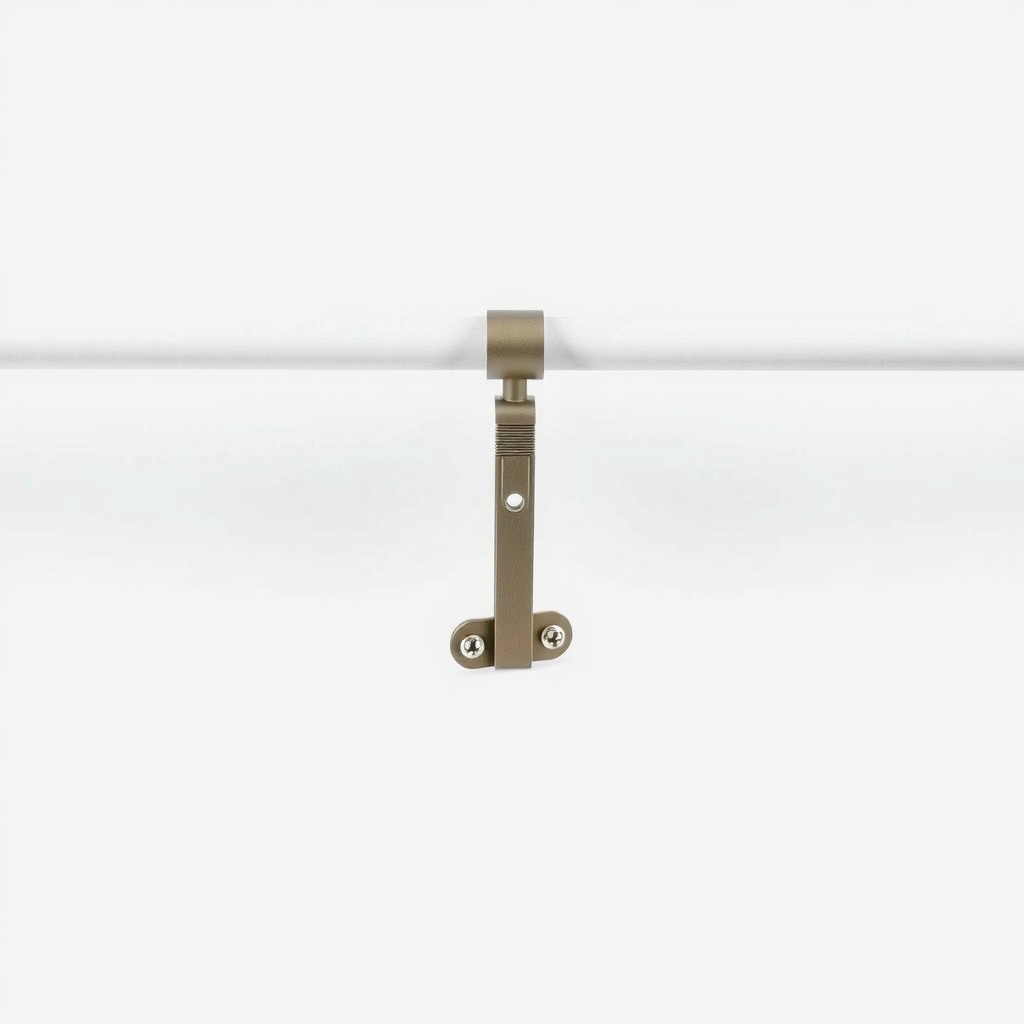
Heavy-duty brackets with a center support
A long rod bows in the middle, and that bow pries the end brackets out of the wall. A center support holds up the middle, and a heavy-duty bracket spreads the load across a stud. Re-screwing reuses the weak parts, and a new set replaces them.
What to get: Heavy-duty closet rod bracket set with center support
How long it lasts: Years. The load goes into studs and a mid-span support, not the drywall.
As an Amazon Associate I earn from qualifying purchases.
What you'll need
-
Drill or screwdriver
Drive the screws in
You have it -
Level and pencil
Keep both ends at the same height
You have it - Illustration
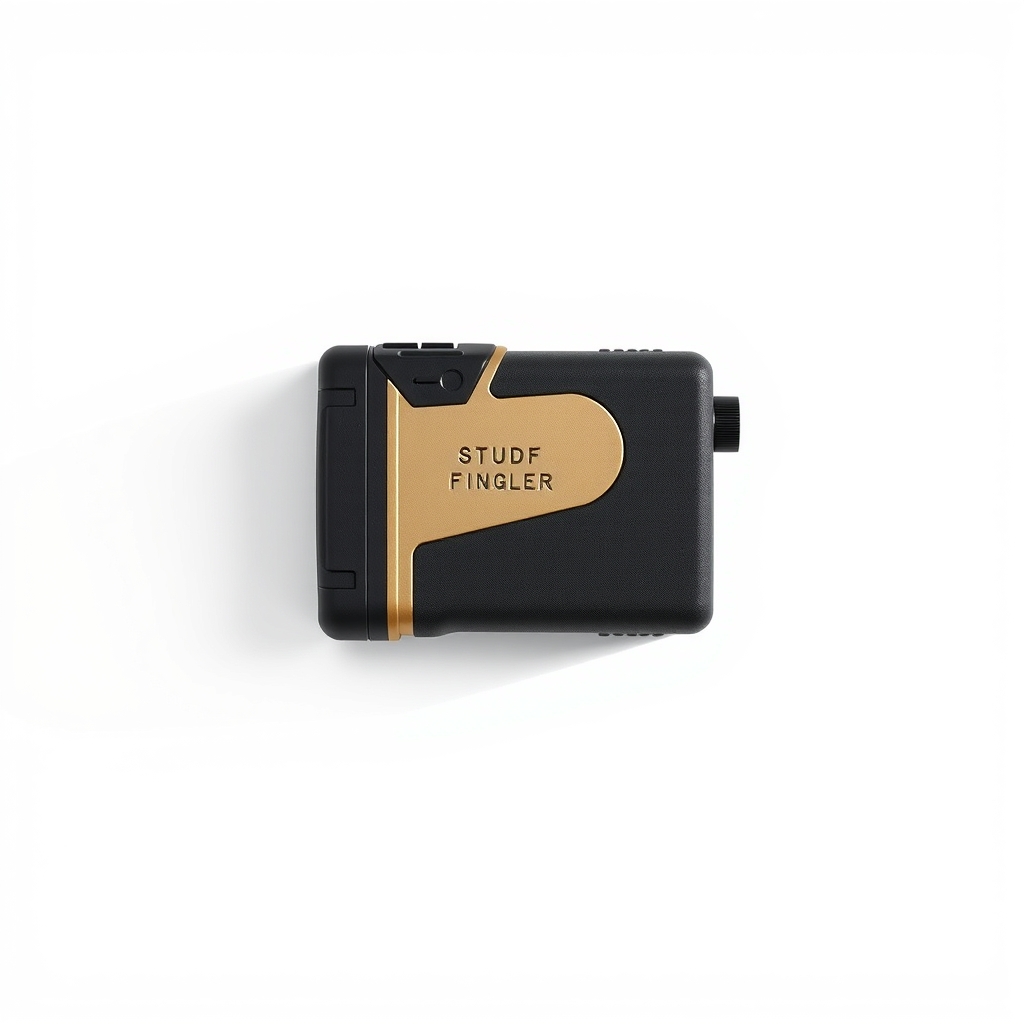
Stud finder
Knocking on the wall and listening for a solid sound also works
- Illustration
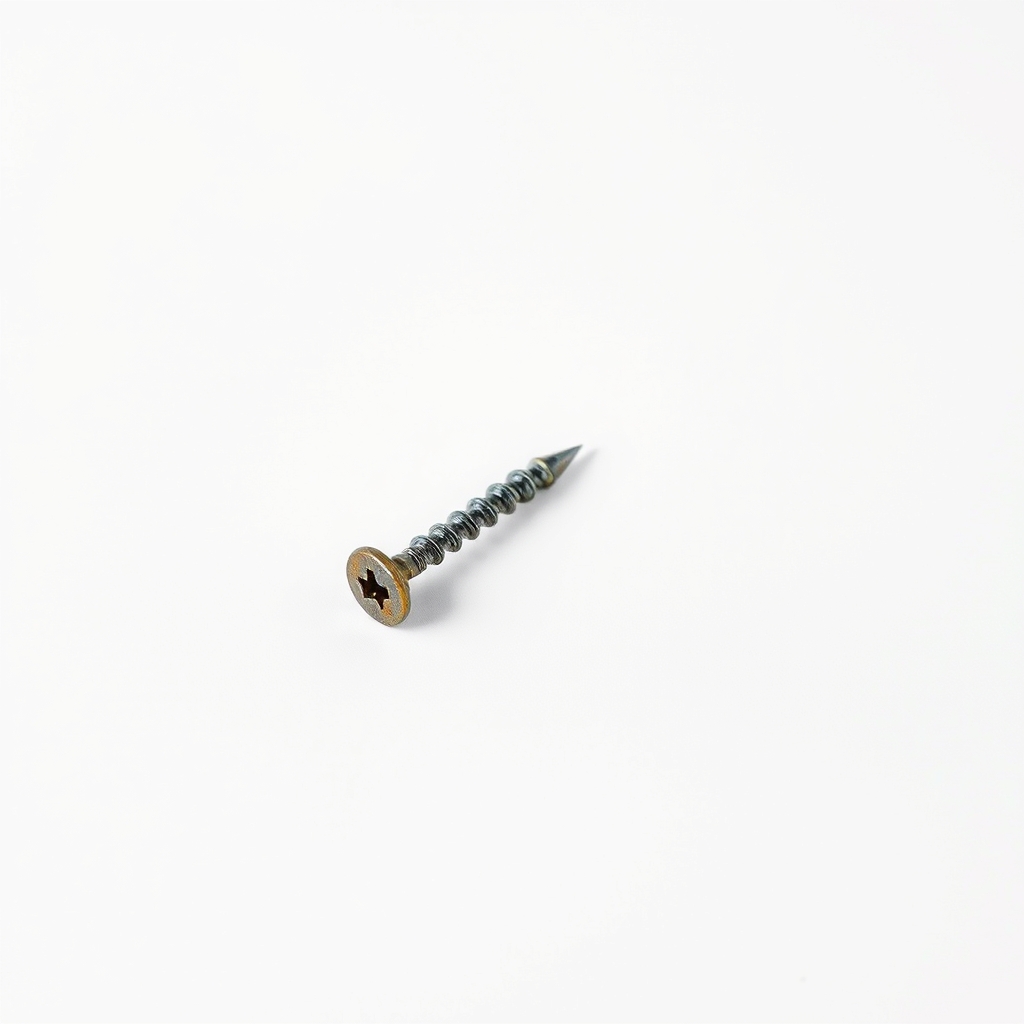
Wood screws, 2 inch
Kit screws are often too short to reach into the wood
- Our pick Illustration
Heavy-duty closet rod brackets with center support
Check the maker's weight rating
- Illustration
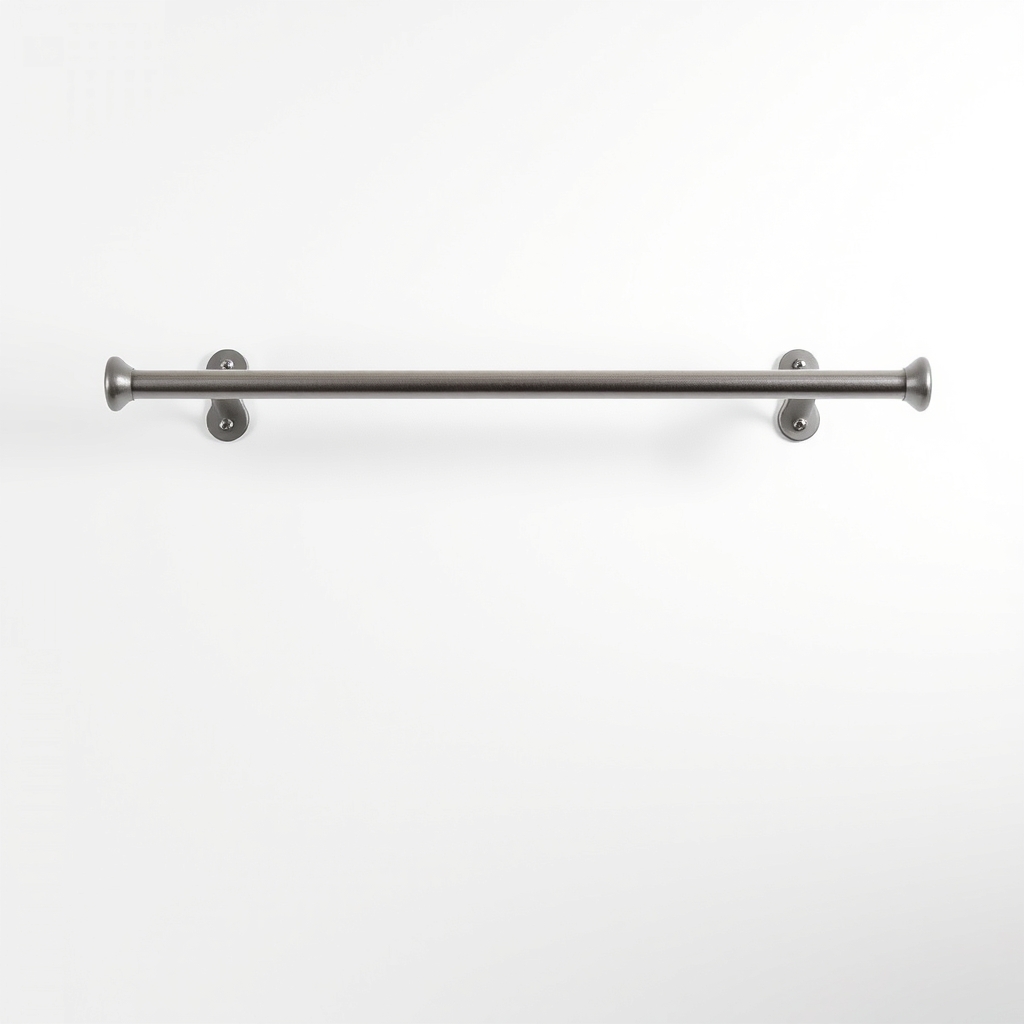
Heavy-duty steel closet rod
Only if your current rod is bent
Why it happens
Screws that grip only drywall
Drywall is soft gypsum. Screws or push-in anchors that sit in it alone loosen as the rod is loaded and shaken, then pull out.
A span that is too long
A rod longer than about 4 feet with no center support bows in the middle. The bow pries the end brackets out of the wall, and the rod can drop out of its cup.
A thin rod or worn cups
A thin, bent rod slips out of its sockets, and thin plastic cups crack. A rod cut slightly short sits loosely in the cups, so any shift drops one end.
More weight than the brackets can take
A full rod of winter coats can top 50 pounds. Add the yank of pulling a hanger off, and light brackets lose.
Try this first (free)
Do these in order, starting with the simplest.
-
1. Empty the rod and look at the damage
Take everything off and lift the rod out of its cups. See which end gave way. Check for torn drywall, stripped screw holes and cracked cups.
-
2. Find the studs
Tool used: Stud finderRun the stud finder along the wall at bracket height and mark each stud with a pencil. Studs are usually 16 inches apart, center to center. Do not drill near outlets, switches or pipes.
IllustrationCheck price on AmazonTool for this step
Stud finder · Knocking on the wall and listening for a solid sound also works
-
3. Re-screw into wood
Tool used: Drill or screwdriverHold a bracket over a stud, check it with the level and drive 2-inch wood screws. Drill a small pilot hole first so the wood does not split. If no stud is where the bracket needs to go, use heavy-duty toggle anchors rated well above the load.
-
4. Add a center support on a long rod
Tool used: Heavy-duty closet rod brackets with center supportIf the rod spans more than about 4 feet, fix a center bracket to a stud in the back wall or to the shelf above it, then rest the rod in its cup. It stops the sag that levers the ends out.
IllustrationCheck price on AmazonTool for this step
Heavy-duty closet rod brackets with center support · Check the maker's weight rating
-
5. Reload with care
Hang the heaviest coats near the ends. Press down on the middle of the loaded rod. It should not flex or creak.
When free fixes aren't enough
Re-screwing only helps if the old brackets are sound and the rod is straight. If the end brackets are bent, the cups are cracked or the rod already sags, you are reusing the weak parts. A heavy-duty bracket set with a center support replaces them and sends the weight into the studs. A rod that has curved should be swapped for a steel one. If the drywall around the holes is crumbled, move the bracket over to a fresh stud.
Buy the fix
Still stuck after the free fixes? These are the products we would look at.
| Pick | Product | Fixes | Who it's for | Buy |
|---|---|---|---|---|
| Best pick | Heavy-duty closet rod bracket set with center support | a rod that pulls out of the wall and sags in the middle | Anyone with a rod longer than about 4 feet or a rod of heavy coats. | Check price |
| Upgrade pick | Heavy-duty steel closet rod | a rod that bows or slips out of its cups | Anyone whose current rod is visibly curved. | Check price |
Heavy-duty closet rod bracket set with center support
Fixes: a rod that pulls out of the wall and sags in the middle
Look for: A steel center support that screws into a stud or the shelf above; End brackets with at least three screw holes; Cups that hold a standard 1-5/16 inch rod so it cannot lift out; A maker's weight rating above your real load.
- Who it's for
- Anyone with a rod longer than about 4 feet or a rod of heavy coats.
- Honest downside
- Your closet is under 3 feet wide and holds light clothes. A careful re-screw into studs may be enough.
Heavy-duty steel closet rod
Fixes: a rod that bows or slips out of its cups
Look for: A standard 1-5/16 inch diameter to fit common brackets; Thick steel, not a thin tube; The right length for your closet, measured wall to wall.
- Who it's for
- Anyone whose current rod is visibly curved.
- Honest downside
- Your rod is straight and the real problem is the wall fixings.
As an Amazon Associate I earn from qualifying purchases. We don't show prices because they change, so use the button to see today's price.
How we picked: How we picked: this page is based on closet-rod installation guides, instructions from bracket and rod makers, and the problems and fixes owners report in reviews. We do not test products by hand.
Match the fixing to your wall
- Drywall over a stud: a 2-inch wood screw that bites about an inch into the wood.
- Drywall with no stud: heavy-duty toggle anchors, not push-in plastic.
- Plaster over lath: find the studs and screw there, because plaster crumbles.
- Brick or concrete: masonry anchors and the right drill bit. If you have never done it, hire a handyman.
What to skip
Tension rods and push-in anchors for heavy coats
A tension rod holds by friction, so it slips when you load it. Push-in plastic anchors fail under a heavy rod. Use studs or proper heavy-duty toggle anchors.
Frequently asked questions
How long can a closet rod be without a center support?
How do I fix a closet rack that ripped out of the drywall?
Why does the rod keep popping out of its cup?
My wire shelf and rod fell together. Is this the same fix?
Related problems
 Free fix inside
Small Spaces & Storage · Closet Shelves
How to Keep Wire Closet Shelves From Falling: The Clip Fix
Read the fix Free fix inside
Small Spaces & Storage · Closet Doors
Closet Door Keeps Coming Off Track? Reset It, Then Fix the Rollers
Read the fix Free fix inside
Small Spaces & Storage · Closet Organization
Closet Not Deep Enough for Hangers? What Works in a Shallow Closet
Read the fix Free fix inside
Small Spaces & Storage · Closet Doors
How to Fix Closet Folding Doors: Pivots, Track, and the Repair Kit
Read the fixAs an Amazon Associate I earn from qualifying purchases. Affiliate disclosure