Bookshelf Smells Musty? Dry the Books and Air Out the Shelf
Musty books are usually damp books on a shelf with no airflow. Dry them, air out the shelf, then give the leftover smell something to absorb.
By Jamilur Rahman Updated November 5, 2026 · 6 min read
- Time
- 1 hour, plus airing
- Cost
- Under $20
- Difficulty
- Easy

In this guide
Quick answer
If your bookshelf smells musty, the cause is almost always trapped damp: humid air with no flow behind the books, or a few mildewed books spoiling the rest. Empty the shelf, set aside any book with fuzzy or dark spots, air the rest in a dry, breezy room and wipe the shelf dry. Then put an odor absorber on the shelf so the leftover smell has somewhere to go.
Free fix vs. permanent fix
Empty, air out and wipe down
- Pull every book and check for mildew
- Fan the books open in a dry, breezy room
- Wipe the shelf with a barely damp cloth, then dry it
- Move the shelf a few inches off the wall
How long it lasts: Weeks to months. If damp keeps coming back, so does the smell.
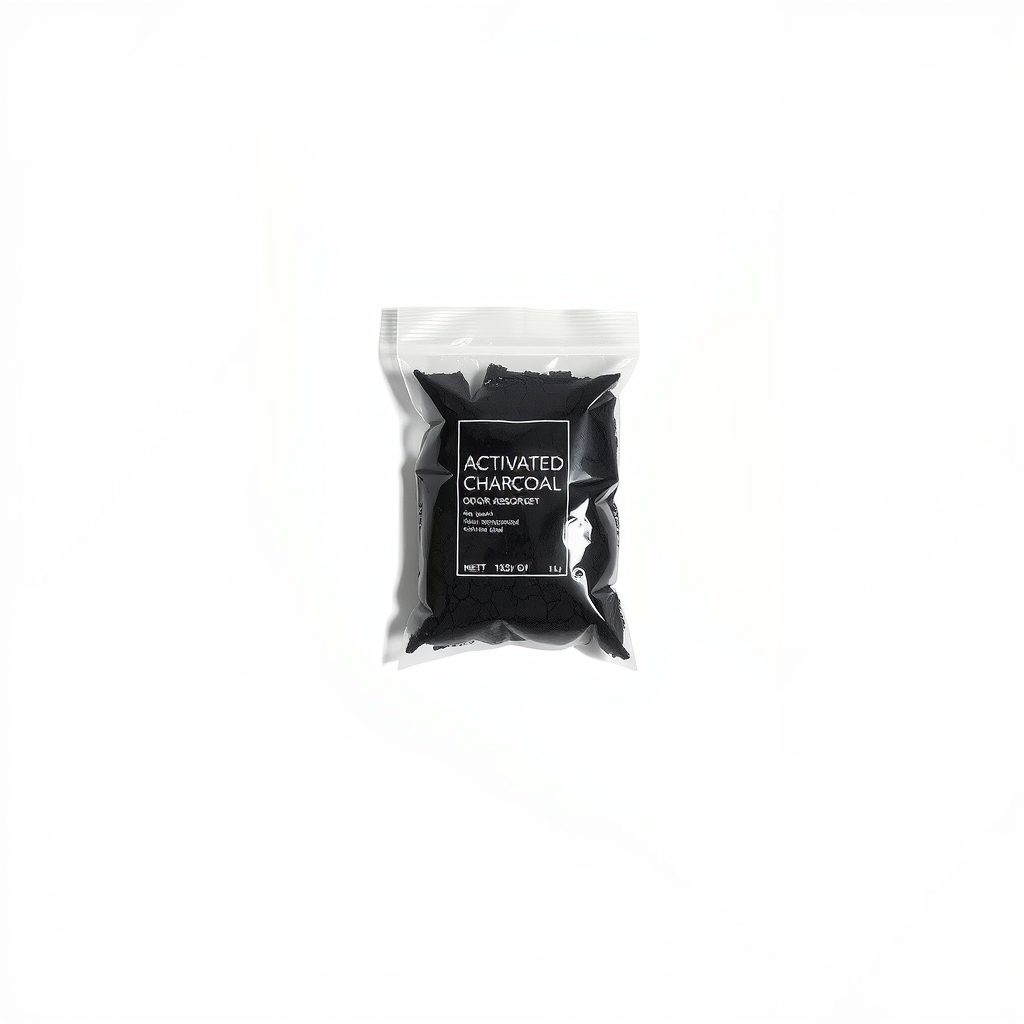
Activated charcoal odor absorber bags
Airing removes the source. What is left is smell soaked into paper and wood. Charcoal bags on the shelves soak up odor from the air around them, so the shelf stays neutral while everything finishes drying. They absorb smell but cannot dry a damp wall, so fix the damp first.
How long it lasts: Months per bag. Check the label, since many can be refreshed in sunlight.
As an Amazon Associate I earn from qualifying purchases.
What you'll need
-
Soft cloth
For wiping the shelves
You have it -
Baking soda
Soaks up smell in a closed box, away from the paper
You have it -
Lidded box
A cardboard or plastic tub for deodorizing books
Free - Our pick Illustration
Activated charcoal odor absorber bags
Leave them on the shelves to keep the smell down
- Illustration
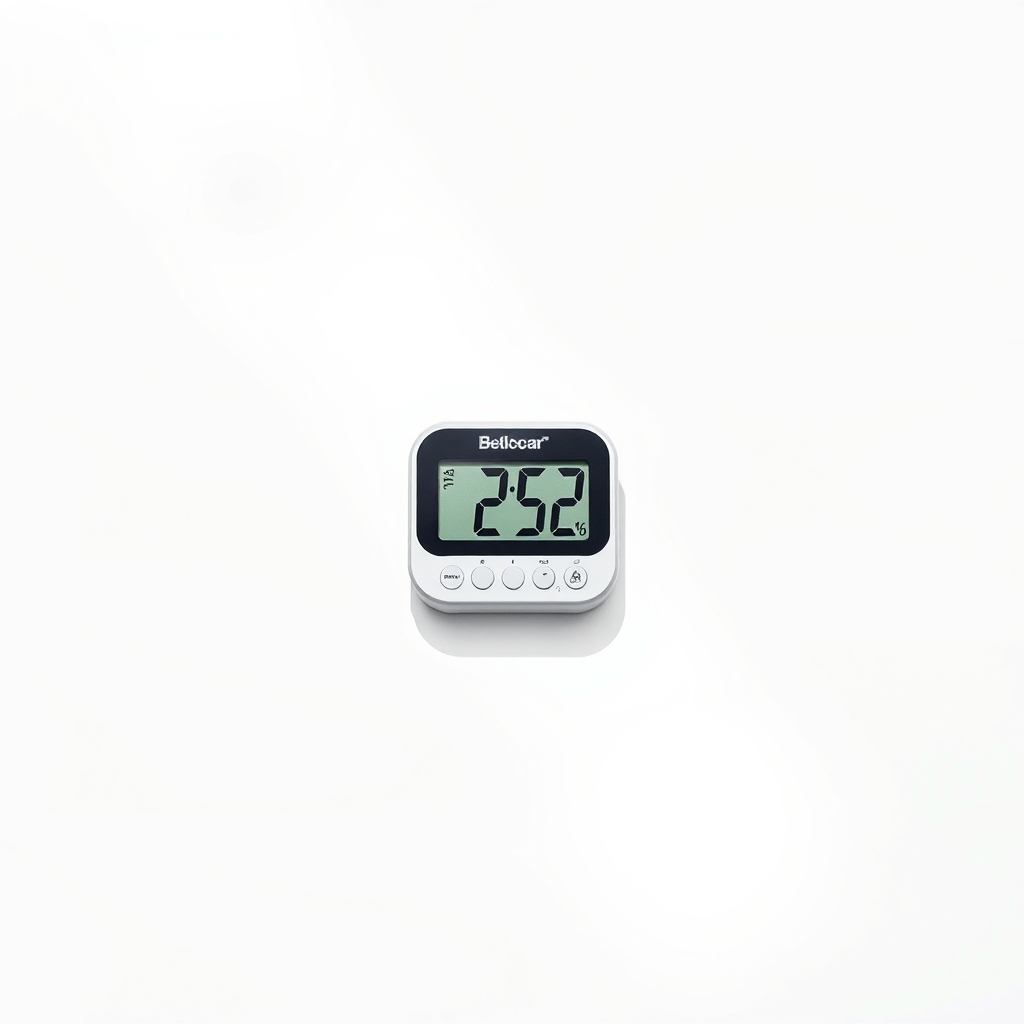
Digital hygrometer
Shows whether the room stays too damp
Why it happens
Humid air with no airflow
Books soak up moisture from the air. A shelf pushed against an outside wall, in a basement or in a closed nook gives damp air nowhere to go. Humidity above about 60 percent invites mildew.
A few mildewed books
Mildew shows as fuzzy, powdery or dark freckled spots, often on edges and covers. The spores spread, so one bad book can make a whole shelf smell.
Old paper breaking down
Paper and glue slowly break down and give off a sweet, stale smell. That is the classic old-book smell. On its own, it is not a sign of mold.
The shelf itself
Particleboard and laminate take in damp, smoke and cooking odors, and a new shelf can give off a glue smell. The shelf can keep smelling after the books are clean.
Try this first (free)
Do these in order, starting with the simplest.
-
1. Empty the shelf and sniff-test
Pull out every book. Open each one and check for fuzzy, powdery or dark spots. Set suspect books aside, and wear a mask and gloves if you see mildew.
-
2. Air the books out
Stand the books on end with the pages fanned open in a dry, breezy room for a few hours. Keep them out of direct sun, which fades covers. A fan helps.
-
3. Wipe and dry the shelf
Tool used: Soft clothWipe the shelf with a barely damp cloth, then dry it completely. On sealed wood or laminate, a half-and-half mix of white vinegar and water works too. Test a hidden spot first.
-
4. Deodorize the books in a box
Tool used: Baking sodaStand books that still smell in a lidded box with an open dish of baking soda on the bottom, not touching the books, for a few days.
-
5. Reload with space and add absorbers
Tool used: Activated charcoal odor absorber bagsSlide the shelf 2 to 3 inches off the wall, load the books loosely so air can move and tuck charcoal bags on the top and bottom shelves.
IllustrationCheck price on AmazonTool for this step
Activated charcoal odor absorber bags · Leave them on the shelves to keep the smell down
When free fixes aren't enough
If the smell is back within a week, damp is still getting in. Check the wall behind the shelf for stains or peeling paint, move the shelf off the outside wall, or run a dehumidifier. Books with black or green spots that spread should go in the trash, not back on the shelf. Mold covering more than about 10 square feet, or a wall that stays wet, is a job for a professional, and anyone with asthma or allergies should skip the cleanup. Odor absorbers hold smell, not water, so they work only once the damp is under control.
Buy the fix
Still stuck after the free fixes? These are the products we would look at.
Activated charcoal odor absorber bags
Fixes: leftover musty odor after the damp is dealt with
Look for: Unscented, so it does not just mask; Small breathable bags that fit on a shelf; Rechargeable in sunlight or easy to replace.
- Who it's for
- Anyone who has dried the books and shelf and still gets a stale smell.
- Honest downside
- The smell comes from active mold or a wet wall. An absorber will not fix that. Skip them if you want a fragrance, since these have none.
As an Amazon Associate I earn from qualifying purchases. We don't show prices because they change, so use the button to see today's price.
How we picked: How we picked: this page is based on book and paper care guides from libraries, public mold and humidity guidance, and what owners report in reviews of odor absorbers. We do not test products by hand.
How damp is too damp?
Most mold guidance puts a healthy indoor level at around 30 to 50 percent humidity, and mildew likes anything above about 60 percent. A small gauge on the shelf wall gives you the number, so you know whether airing is enough or the room needs a dehumidifier.
What to skip
Scented sprays and sprays on the pages
Perfume covers the smell for a day while the damp keeps working, and spraying pages can stain and warp the paper. Skip air fresheners and fabric sprays on books altogether.
Frequently asked questions
How do I stop old books from smelling?
Why do books smell bad?
Why does my bookshelf smell?
Can I save a book with mildew?
Related problems
 Free fix inside
Small Spaces & Storage · Closet Smell
Why Does My Closet Smell Musty? Where the Damp Hides and the Fix
Read the fix Free fix inside
Small Spaces & Storage · Closet Moisture
Closet Keeps Getting Mold? Moisture Absorber vs. Dehumidifier
Read the fix Free fix inside
Small Spaces & Storage · Under-Bed Storage
Under Bed Storage Smells Musty? Trapped Damp Is the Usual Culprit
Read the fix Free fix inside
Air & Temperature · Musty Smell
House Smells Musty? Find the Source, Then Clear the Smell
Read the fixAs an Amazon Associate I earn from qualifying purchases. Affiliate disclosure