Why Does My Closet Smell Musty? Where the Damp Hides and the Fix
Musty means damp air is trapped in the closet. Dry it out and find the source for free, then let an absorber keep the humidity down.
By Jamilur Rahman Updated November 5, 2026 · 6 min read
- Time
- 1 hour
- Cost
- Under $20
- Difficulty
- Easy
In this guide
Quick answer
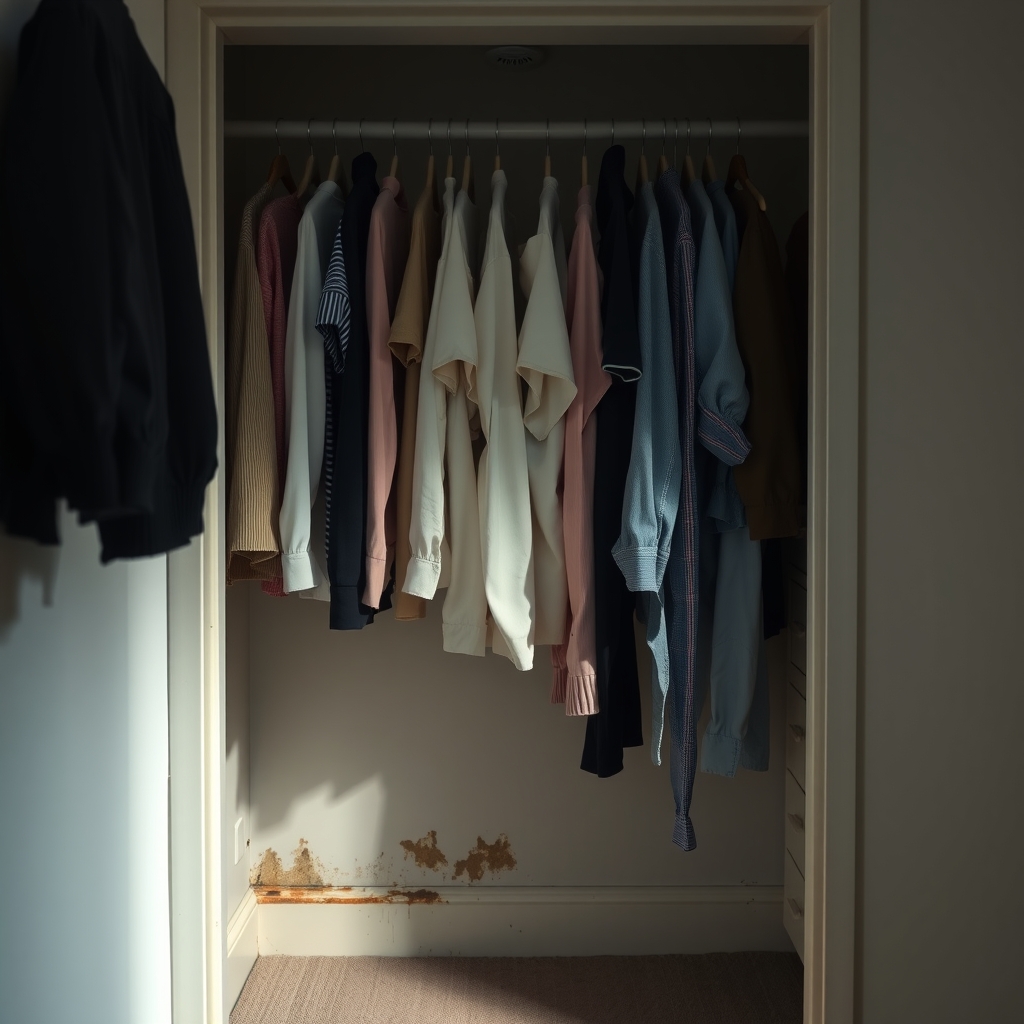
A musty closet means damp air is trapped and mildew is growing on clothes, walls or boxes. Empty it, find the damp source, clean small spots and let air move through. A moisture absorber or small dehumidifier then keeps humid air from building up again. Scented products only mask the smell.
Free fix vs. permanent fix
Empty, check for damp, clean and air it
- Empty it and wash anything that smells
- Check walls and floor with a flashlight
- Wipe small mildew patches and dry them fully
- Leave gaps between hangers and the door ajar on humid days
How long it lasts: As long as the damp source stays gone. In a humid home or against a cold outside wall, the smell can creep back in weeks.

A hanging closet moisture absorber
A closed closet does not dry itself, so leftover humidity keeps it musty. A hanging calcium chloride absorber pulls water from the air around your clothes with no cord. It does not fix a leak or mold, but it keeps ordinary humidity down.
What to get: Hanging closet moisture absorber (calcium chloride)
How long it lasts: About one to two months per refill, then swap it.
As an Amazon Associate I earn from qualifying purchases.
What you'll need
-
Gloves and dust mask
For cleaning mildew
You have it -
Flashlight
To spot dark patches and stains on walls
You have it - Illustration
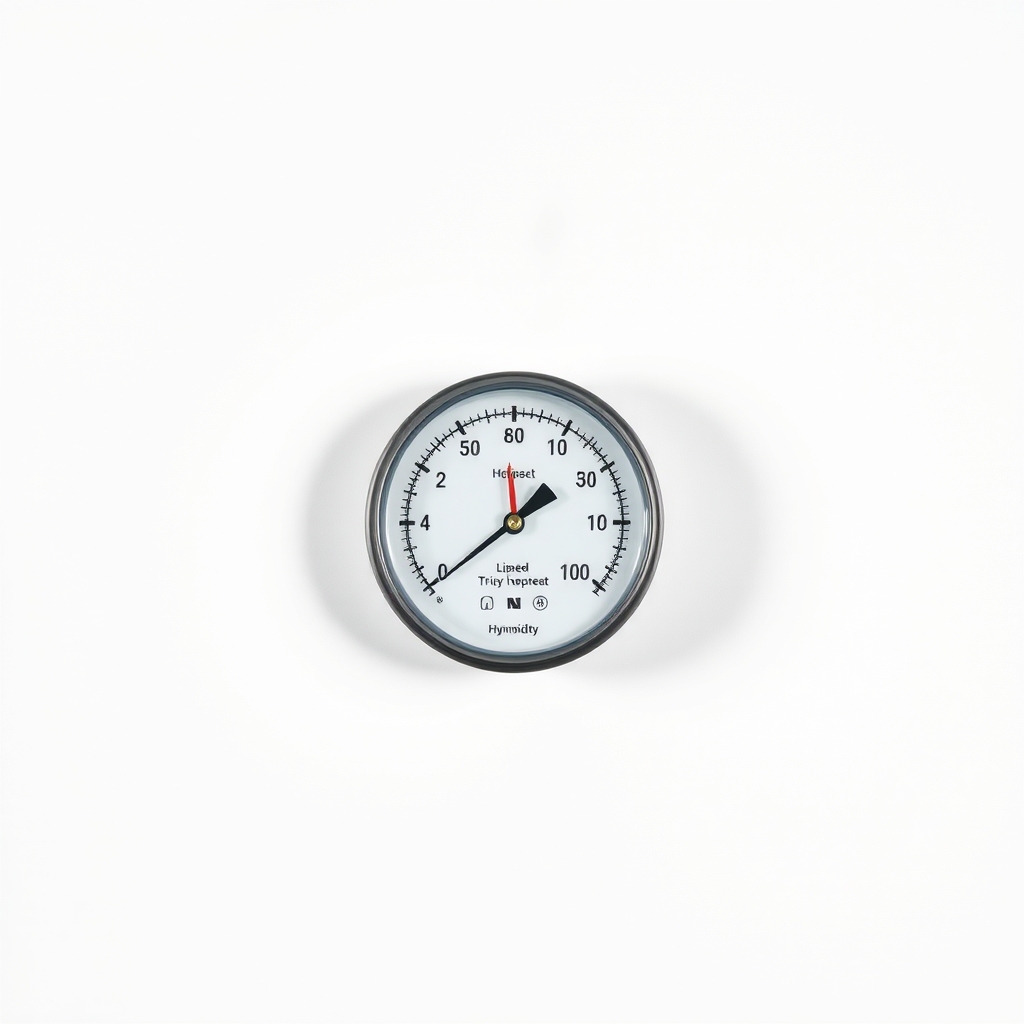
Humidity gauge
Optional; tells you whether you are under 50 percent
- Our pick Illustration
Hanging closet moisture absorber
For a small closet with mild damp
- Illustration
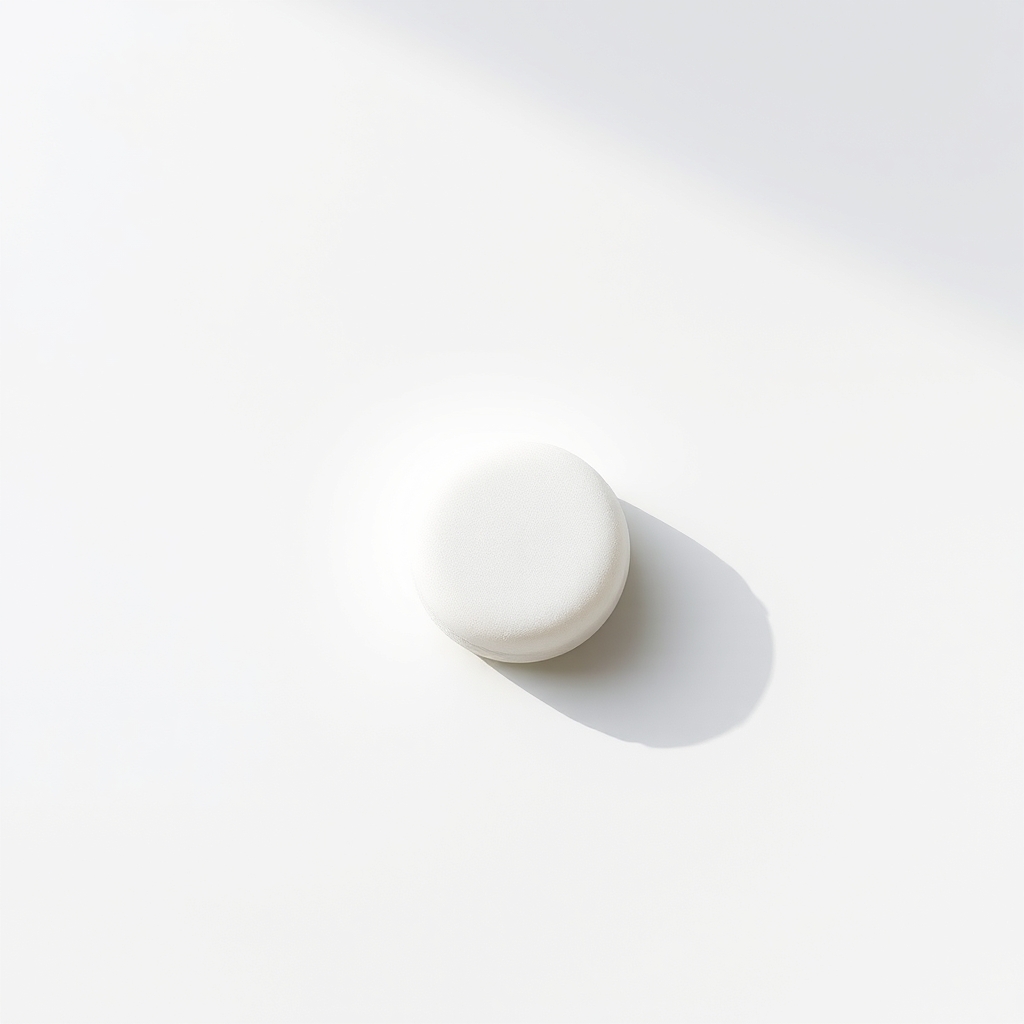
Reusable desiccant moisture absorber
Same job with no refills to buy
- Illustration
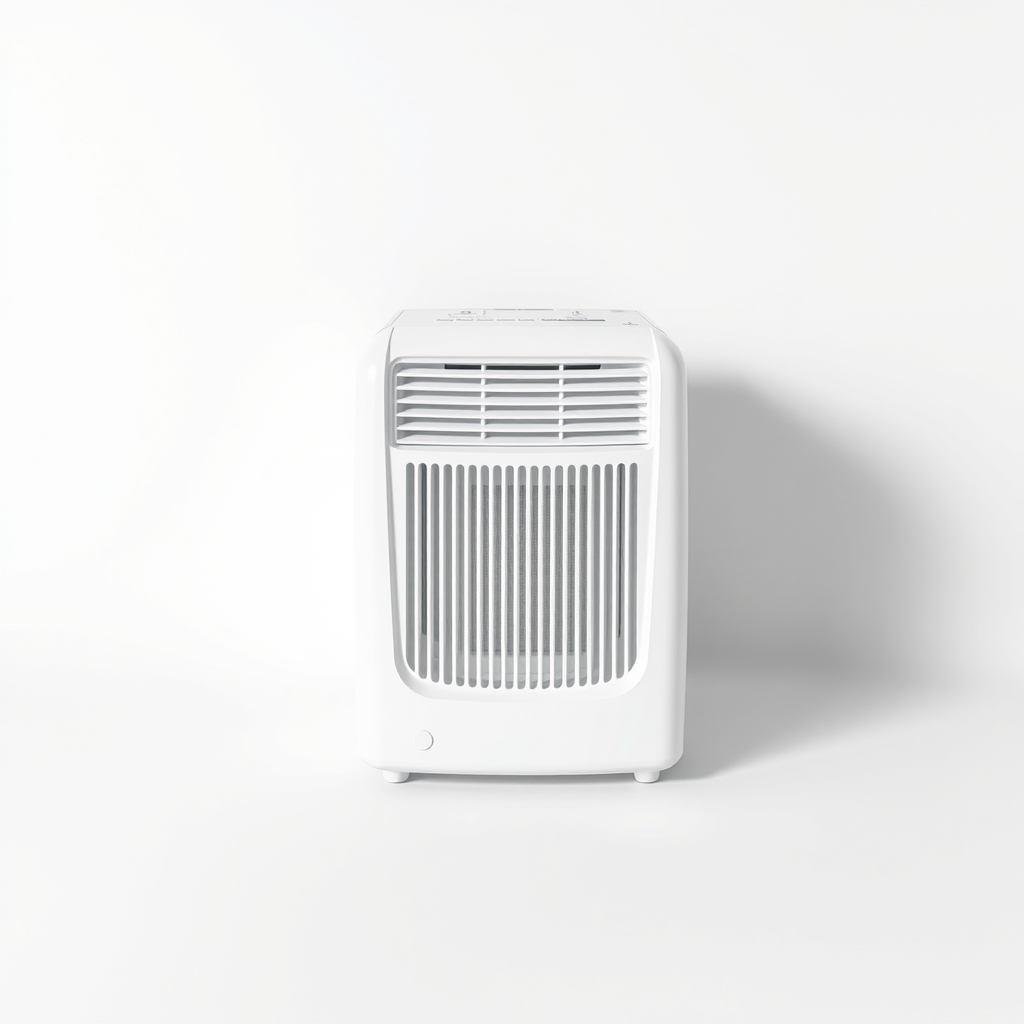
Small closet dehumidifier
For humid climates or a closet on an outside wall
Why it happens
High humidity in the house
Mildew grows when indoor humidity stays above about 60 percent. Closets are small and closed, so they trap damp air more than open rooms.
Slightly damp clothes, towels or shoes
Clothes put away before they are fully dry, damp coats and wet boots all release moisture into a closed space.
No airflow
Packed hangers, boxes on the floor and shelves pushed to the wall block air. Moisture sits still and mildew spreads.
A cold exterior wall
Warm, damp air touching a cold outside wall condenses into water. That slow, hidden dampness grows mildew behind your clothes.
A hidden leak
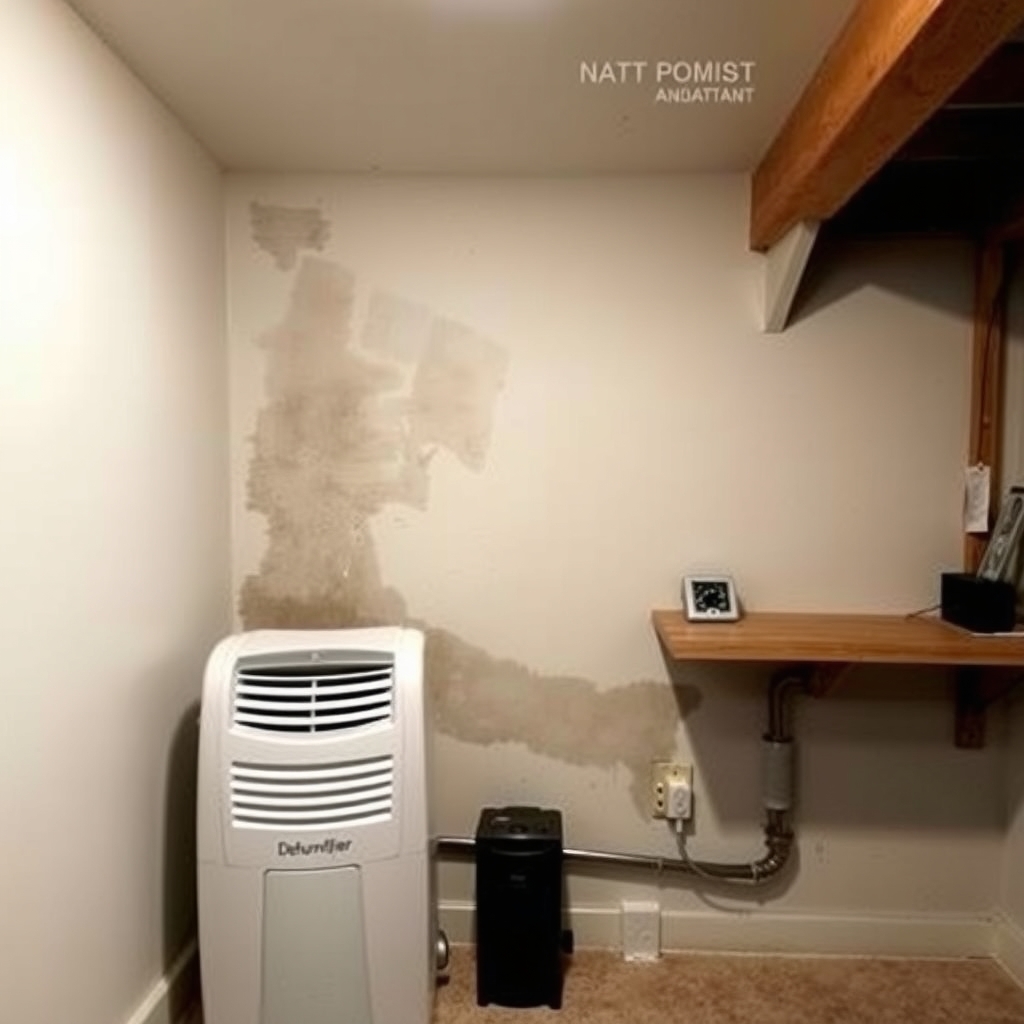
A roof, window, pipe or bathroom wall leaking nearby can soak the closet wall. Look for stains, peeling paint or a soft, bubbled wall.
Try this first (free)
Do these in order, starting with the simplest.
-
Empty the closet and sniff-check everything
Take out every item and sort what smells from what does not. Wash smelly clothes and dry them fully, or air them outside in dry weather.
-
Check walls, floor and ceiling for damp
Tool used: FlashlightLook for dark spots, stains, peeling paint and wet carpet. Press the wall with your palm. A cold, damp wall means condensation or a leak.
-
Clean small mildew patches
Tool used: Gloves and dust maskWipe hard surfaces with a cloth and detergent in water, then dry them completely. Wear gloves and a mask, and never mix cleaners.
-
Open the space up
Leave the door ajar on humid days. Leave a few inches between hangers, keep boxes off the floor and pull shelves a little from the wall. Run a fan at the door for a few hours.
-
Measure the humidity
Tool used: Humidity gaugeA small gauge in the closet shows what is going on. Aim for 30 to 50 percent. If it stays above that, the closet needs moisture control.
IllustrationCheck price on AmazonTool for this step
Humidity gauge · Optional; tells you whether you are under 50 percent
-
Add moisture control if the gauge stays high
Tool used: Hanging closet moisture absorberHang an absorber near the top of the closet, or set a small dehumidifier close by. Keep both out of reach of kids and pets.
IllustrationCheck price on AmazonTool for this step
Hanging closet moisture absorber · For a small closet with mild damp
When free fixes aren't enough
If the gauge reads 50 percent or less after a week, you are done. If it keeps climbing, or the smell returns within weeks, the humid air is coming from the house, a cold outside wall or your climate, and cleaning cannot stop that. An absorber handles a small closet. A closet dehumidifier suits humid climates and outside walls. Neither fixes a leak or mold, so if you find spreading stains, a soft wall or growth over about 10 square feet, stop and call a pro.
Buy the fix
Still stuck after the free fixes? These are the products we would look at.
| Pick | Product | Fixes | Who it's for | Buy |
|---|---|---|---|---|
| Best pick | Hanging closet moisture absorber (calcium chloride) | damp air that keeps the closet musty | Anyone with a small closet and mild damp who wants a low-effort option. | Check price |
| Budget pick | Reusable (rechargeable) desiccant moisture absorber | mild damp in a small closet, with no refills to buy | People who want to avoid buying refills. | Check price |
| Upgrade pick | Small closet dehumidifier | ongoing humidity that absorbers cannot keep up with | People in humid climates, or with a closet on an outside wall. | Check price |
Hanging closet moisture absorber (calcium chloride)
Fixes: damp air that keeps the closet musty
Look for: A hanging bag or tub that collects water from the air; A hook that fits your closet rod; A leak-resistant design for the collected liquid.
- Who it's for
- Anyone with a small closet and mild damp who wants a low-effort option.
- Honest downside
- You can see mold or the damp comes from a leak. An absorber will not fix that. Keep it out of reach of kids and pets.
Reusable (rechargeable) desiccant moisture absorber
Fixes: mild damp in a small closet, with no refills to buy
Look for: A color-change or weight indicator that shows when it is full; A recharge method you will actually use.
- Who it's for
- People who want to avoid buying refills.
- Honest downside
- The space is large or very humid, since small absorbers fill up too quickly.
Small closet dehumidifier
Fixes: ongoing humidity that absorbers cannot keep up with
Look for: A tank that auto-shuts off when full; Coverage listed for a small space; Quiet enough to run overnight.
- Who it's for
- People in humid climates, or with a closet on an outside wall.
- Honest downside
- The closet has no outlet nearby. Do not run a cord through a closed door.
As an Amazon Associate I earn from qualifying purchases. We don't show prices because they change, so use the button to see today's price.
How we picked: How we picked: this page is based on EPA mold and moisture guidance, care guides for storage and moisture control, and the problems and fixes people report in reviews. We do not test products by hand.
Mildew, mold or just stale? When to call a pro
Stale air smells flat and dusty. Mildew smells earthy and sour, and often shows as gray or black spots. You can clean a small patch yourself. The EPA suggests getting a professional for mold covering more than about 10 square feet, for growth behind walls, or after sewage or flood water.
What to skip
Scented sachets, sprays and cedar blocks
Scent covers the smell for a few hours while the damp stays. Cedar fades over time and does not remove moisture. Fix the damp first, then add a light scent if you want one.
Frequently asked questions
How do I get a musty smell out of clothes?
Is a musty closet smell dangerous?
Do baking soda and charcoal bags work?
How long does a moisture absorber last?
Related problems
As an Amazon Associate I earn from qualifying purchases. Affiliate disclosure