Under Bed Storage Smells Musty? Trapped Damp Is the Usual Culprit
Still air, a cold floor and slightly damp fabrics trap moisture under the bed. Dry it out, store only dry things and add an absorber for what is left.
By Jamilur Rahman Updated November 5, 2026 · 6 min read
- Time
- 1 hour, plus drying
- Cost
- Under $20
- Difficulty
- Easy

In this guide
Quick answer
If under bed storage smells musty, the cause is usually trapped damp: still air, a cold floor and items that were not fully dry when you packed them. Empty everything, wash or air out the contents, wipe the floor and frame dry, and let the space breathe for a day. A moisture absorber in the storage area keeps damp from building up again.
Free fix vs. permanent fix
Empty, dry and air it out
- Take everything out and vacuum underneath
- Wash or air out fabric items until they are fully dry
- Wipe the floor and frame, then dry them with a fan
- Store only clean, dry things in breathable bins
How long it lasts: Weeks to months. If the floor stays cold or damp, the smell returns.
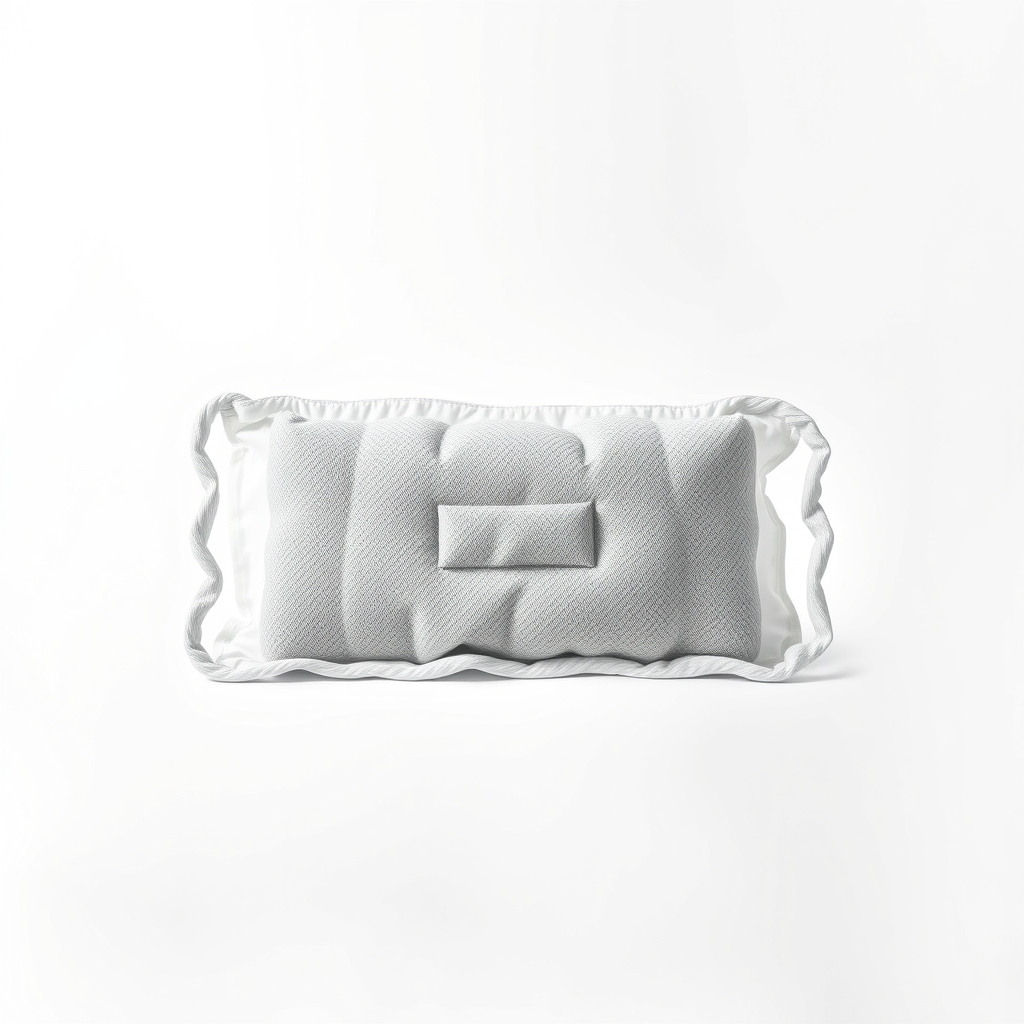
A moisture absorber in the storage space
Damp air under a bed has nowhere to go, and a smell is the first sign. An absorber pulls water out of the air in that closed space, so fabric stays dry and mildew has less to grow on. It will not dry a wet floor, so fix the source first.
What to get: Moisture absorber for under-bed storage
How long it lasts: Weeks to a couple of months per refill, depending on how damp the space is. Replace it when it is full.
As an Amazon Associate I earn from qualifying purchases.
What you'll need
-
Vacuum
For the floor and the underside of the frame
You have it -
Fan
Dries the floor and frame in an hour or two
You have it -
White vinegar
Half and half with water for wiping hard surfaces
You have it - Our pick Illustration
Moisture absorber
Keeps the closed space dry between cleanings
- Illustration
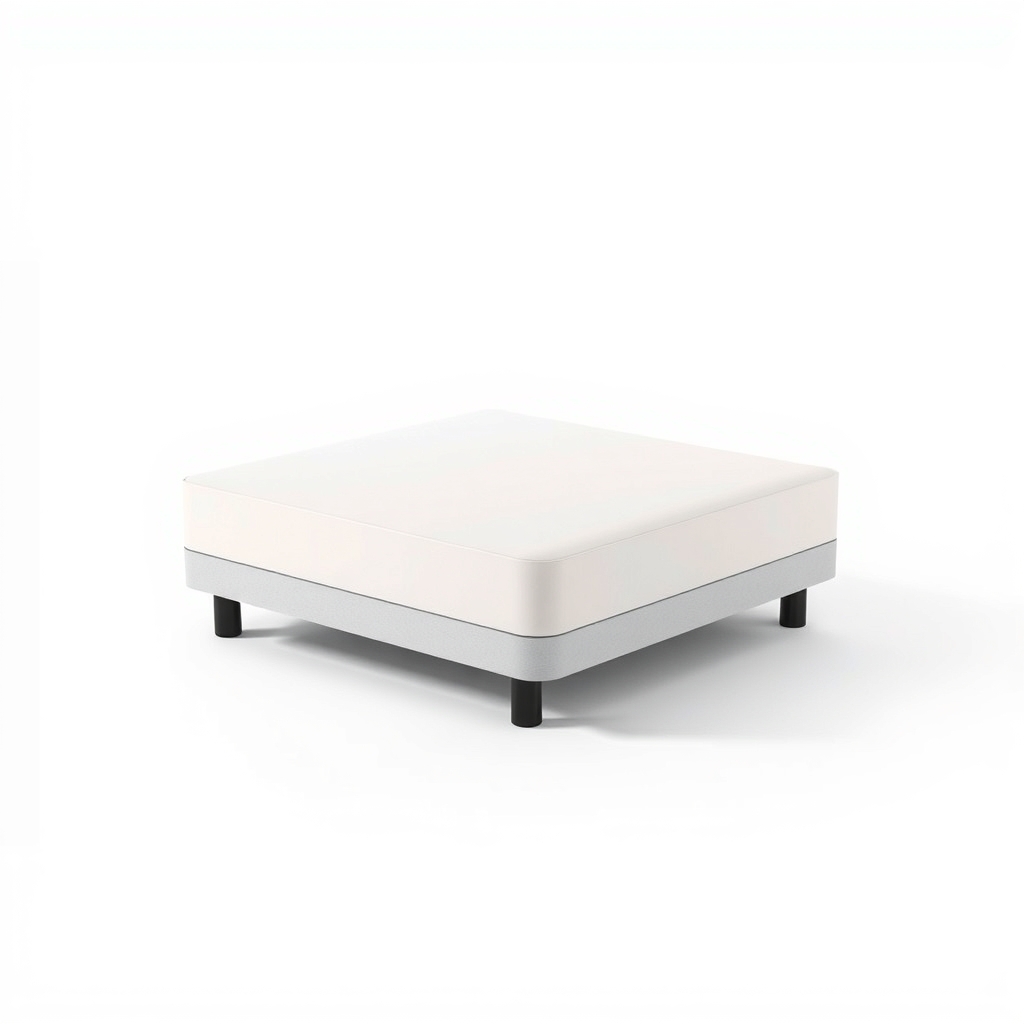
Bed risers
Lifts a low bed so air can move under it
Why it happens
Trapped, humid air
A bed, a bin and a wall make a small box with almost no airflow. Humid air gets in and stays, especially in a bedroom with weak ventilation.
Items stored while still damp
Towels, bedding and clothes that were not completely dry release moisture inside a closed bin. Cardboard and leather soak it up and smell worst.
A cold or damp floor
On a slab, a basement floor or an outside wall, the floor under the bed can stay cooler than the room, so moisture condenses there. Carpet pad holds it.
Moisture from the bed itself
Sleepers release moisture overnight. A mattress on a solid base lets less of it escape, so some can pass into the space below.
Try this first (free)
Do these in order, starting with the simplest.
-
1. Empty everything and look
Pull out every bin and box. Check the floor, the frame, the underside of the mattress and the wall for dark spots, a damp feel or fuzzy growth. See the note below if you find any.
-
2. Vacuum, then wipe the surfaces
Tool used: White vinegarVacuum the floor and the underside of the frame. Wipe hard surfaces with a cloth wrung out in equal parts white vinegar and water, then dry them. Test vinegar on a hidden spot first on finished wood.
-
3. Dry the space with a fan
Tool used: FanPoint a fan under the bed for an hour or two with the bins out. Open a window if the air outside is drier. If you can, leave the space empty for a day.
-
4. Refresh what goes back
Wash or air out every fabric item until it is completely dry before it goes back. Swap sealed plastic bins for breathable fabric bags, and leave a gap between the bins and the wall.
-
5. Add a moisture absorber
Tool used: Moisture absorberStand one upright in the middle of the storage area, out of reach of children and pets. Check it every few weeks and replace it when it is full.
IllustrationCheck price on AmazonTool for this step
Moisture absorber · Keeps the closed space dry between cleanings
When free fixes aren't enough
If the smell is back in a week, the damp has a source: a leaking window, a wet outside wall, a damp basement floor or high humidity in the room. An absorber manages a small, closed space, but it cannot keep up with a wet floor or wall. Lift the bed a few inches to get air moving, and use a dehumidifier if the room stays above 60 percent humidity. Black or green growth covering more than about 10 square feet, or any mold on the mattress, is a job for a professional or a replacement. Anyone with asthma or allergies should skip the cleanup.
Buy the fix
Still stuck after the free fixes? These are the products we would look at.
| Pick | Product | Fixes | Who it's for | Buy |
|---|---|---|---|---|
| Best pick | Moisture absorber for under-bed storage | damp air that keeps fabric musty in a closed space | People who have dried the area and still smell mustiness, or who store bedding and clothes under the bed. | Check price |
| Upgrade pick | Bed risers | no airflow under a low bed frame | Someone whose bed sits low on the floor and holds a lot of stored items. | Check price |
Moisture absorber for under-bed storage
Fixes: damp air that keeps fabric musty in a closed space
Look for: Small or flat enough to fit under a low bed; A spill-resistant design; An indicator or window that shows when it is full; Unscented.
- Who it's for
- People who have dried the area and still smell mustiness, or who store bedding and clothes under the bed.
- Honest downside
- The floor is visibly wet or moldy. Dry and repair it first. Skip open tubs if small children or pets could tip one, since spilled liquid can stain and irritate skin.
Bed risers
Fixes: no airflow under a low bed frame
Look for: Rated for your bed and everything on it; A wide, stable base that will not slip; A height that gives real clearance for air.
- Who it's for
- Someone whose bed sits low on the floor and holds a lot of stored items.
- Honest downside
- Your bed is already on tall legs, or the frame cannot sit securely on risers.
As an Amazon Associate I earn from qualifying purchases. We don't show prices because they change, so use the button to see today's price.
How we picked: How we picked: this page is based on public mold and humidity guidance, storage and mattress care advice, and what owners report in reviews of moisture absorbers. We do not test products by hand.
What if you find mildew under the bed?
A few small dark or fuzzy spots on a hard floor or wood frame can be wiped with a cloth dampened in equal parts white vinegar and water, then dried well. Wear a mask and gloves, and bag any cloth you use. Mildew on carpet, on the mattress or across a large area is harder to clear safely. Treat that as a damp problem to solve at the source.
What to skip
Scented sachets and sealed plastic bags
Scented sachets cover the smell for a few days and do nothing for damp. Vacuum bags and sealed plastic tubs lock moisture in with the clothes, so if anything is even slightly damp, mildew follows. Cotton bags or breathable bins work better for long-term storage.
Frequently asked questions
Why does under my bed smell musty?
Is a musty smell under the bed a sign of mold?
Can a moisture absorber fix an under bed storage smell on its own?
How do I stop under bed storage smell from coming back?
Related problems
 Free fix inside
Small Spaces & Storage · Closet Smell
Why Does My Closet Smell Musty? Where the Damp Hides and the Fix
Read the fix Free fix inside
Small Spaces & Storage · Closet Moisture
Closet Keeps Getting Mold? Moisture Absorber vs. Dehumidifier
Read the fix Free fix inside
Small Spaces & Storage · Bookshelf
Bookshelf Smells Musty? Dry the Books and Air Out the Shelf
Read the fix Free fix inside
Small Spaces & Storage · Under-Bed Storage
Under Bed Storage With No Dust: Zippered and Lidded Options
Read the fixAs an Amazon Associate I earn from qualifying purchases. Affiliate disclosure