How to Keep a Bookshelf From Tipping Over (and Which Strap to Buy)
A loaded bookshelf can tip, especially if a child climbs it. Level it, then anchor it to a wall stud with an anti-tip strap. Here is how, and which to buy.
By Jamilur Rahman Updated November 5, 2026 · 6 min read
- Time
- 20 min
- Cost
- Under $20
- Difficulty
- Medium
In this guide
Quick answer
A bookshelf tips because it is top-heavy, leans forward on an uneven floor or has loose joints. Move heavy books to the bottom shelves, shim the feet level and tighten the frame. Then anchor it to a wall stud with an anti-tip strap. That is the only fix that stops a fall if a child climbs it, a pet jumps on it or a shelf is overloaded.
Free fix vs. permanent fix
Rebalance, level and tighten
- Put the heaviest books on the lowest shelves
- Shim the feet until the shelf is level
- Tighten the bolts and check the back panel
- Push it flush to the wall
How long it lasts: It lowers the chance of a tip, but a shelf that is not fixed to the wall can still go over if it is climbed, bumped or overloaded.
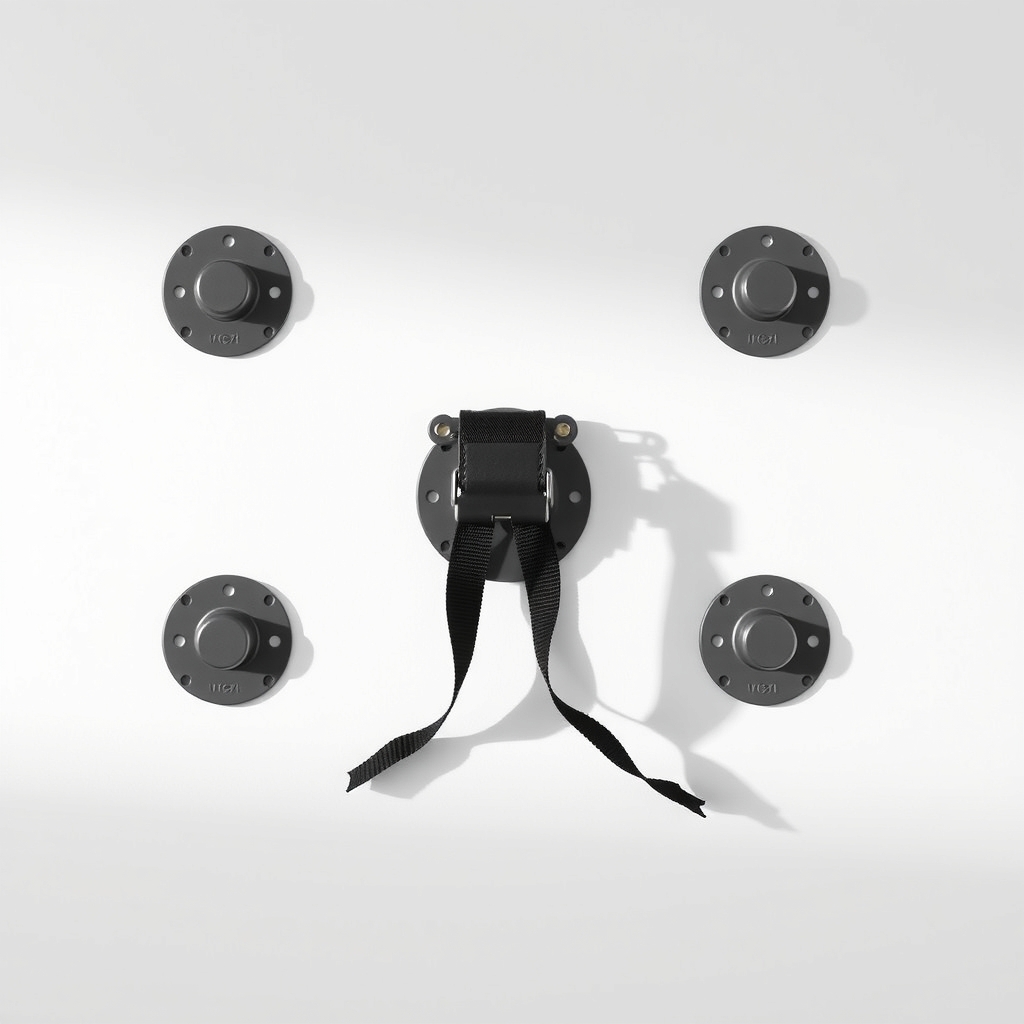
An anti-tip furniture strap kit
A strap ties the top of the shelf to a wall stud, so the shelf cannot pivot forward even when it is bumped, climbed or overloaded. Rebalancing makes a tip less likely, and the strap keeps it from falling forward at all.
What to get: Anti-tip furniture strap kit with metal wall plates
How long it lasts: Years. It stays on the wall until you remove it.
As an Amazon Associate I earn from qualifying purchases.
What you'll need
-
Level or phone level app
Check the shelf side to side and front to back
You have it -
Drill or screwdriver
Tighten the frame and drive the strap screws
You have it - Illustration
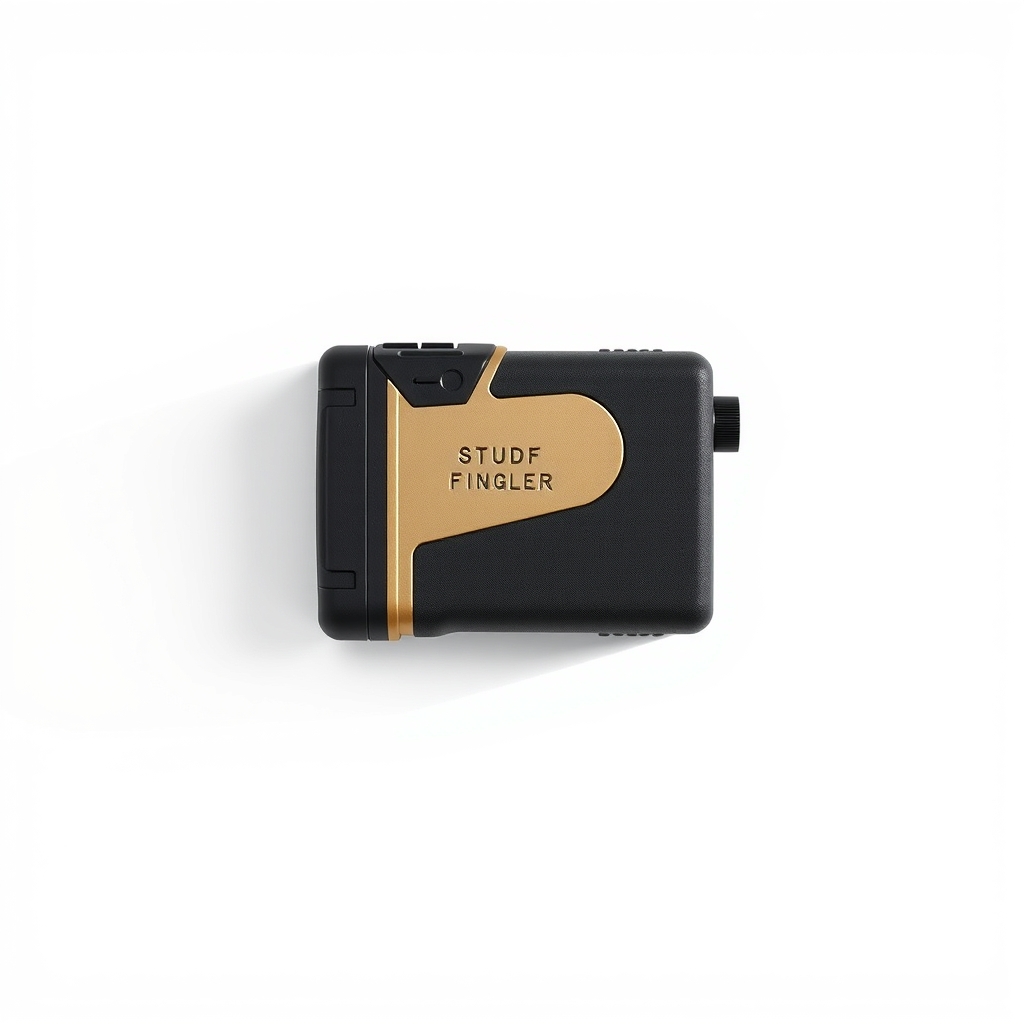
Stud finder
Knocking on the wall and listening for a solid sound also works
- Our pick Illustration
Anti-tip furniture strap kit
Choose hardware for your wall type
- Illustration
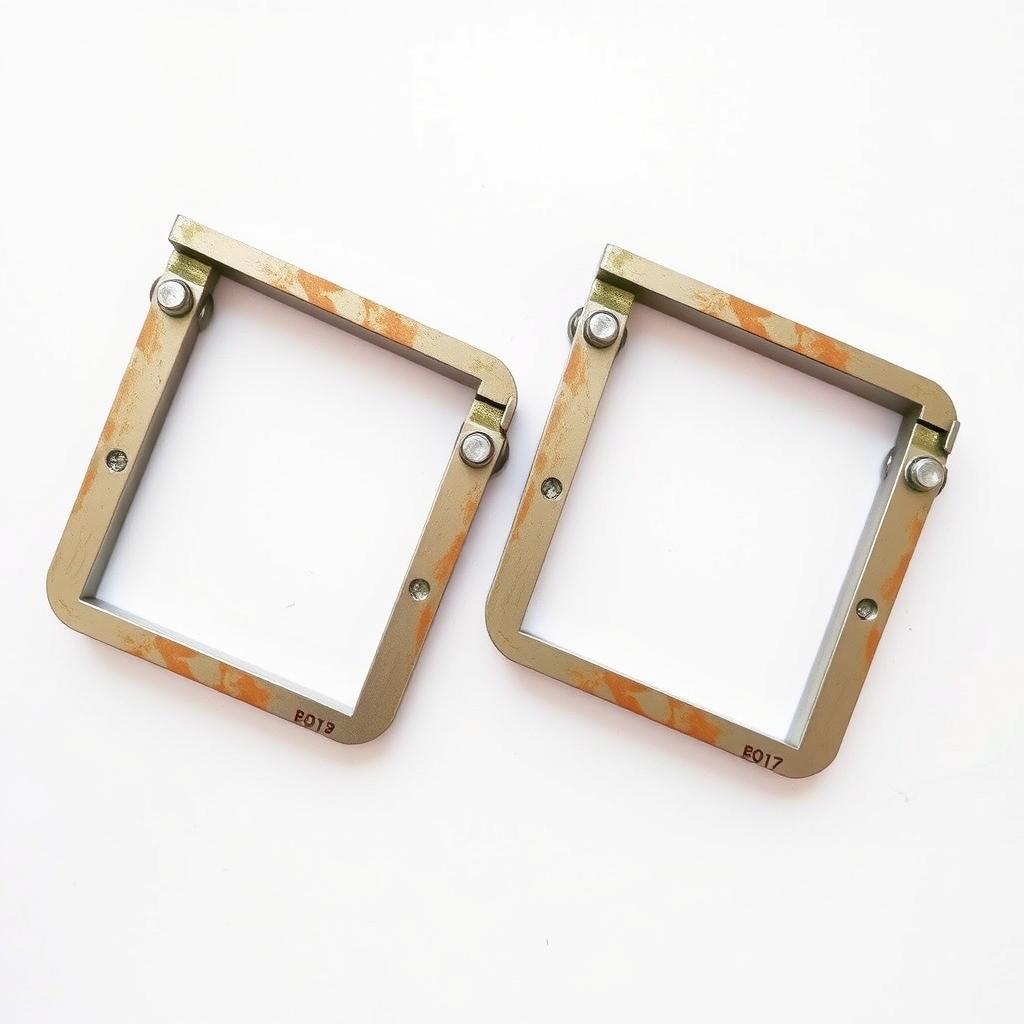
Metal L-brackets
A hardware-store alternative when the shelf sits flush to the wall
- Illustration
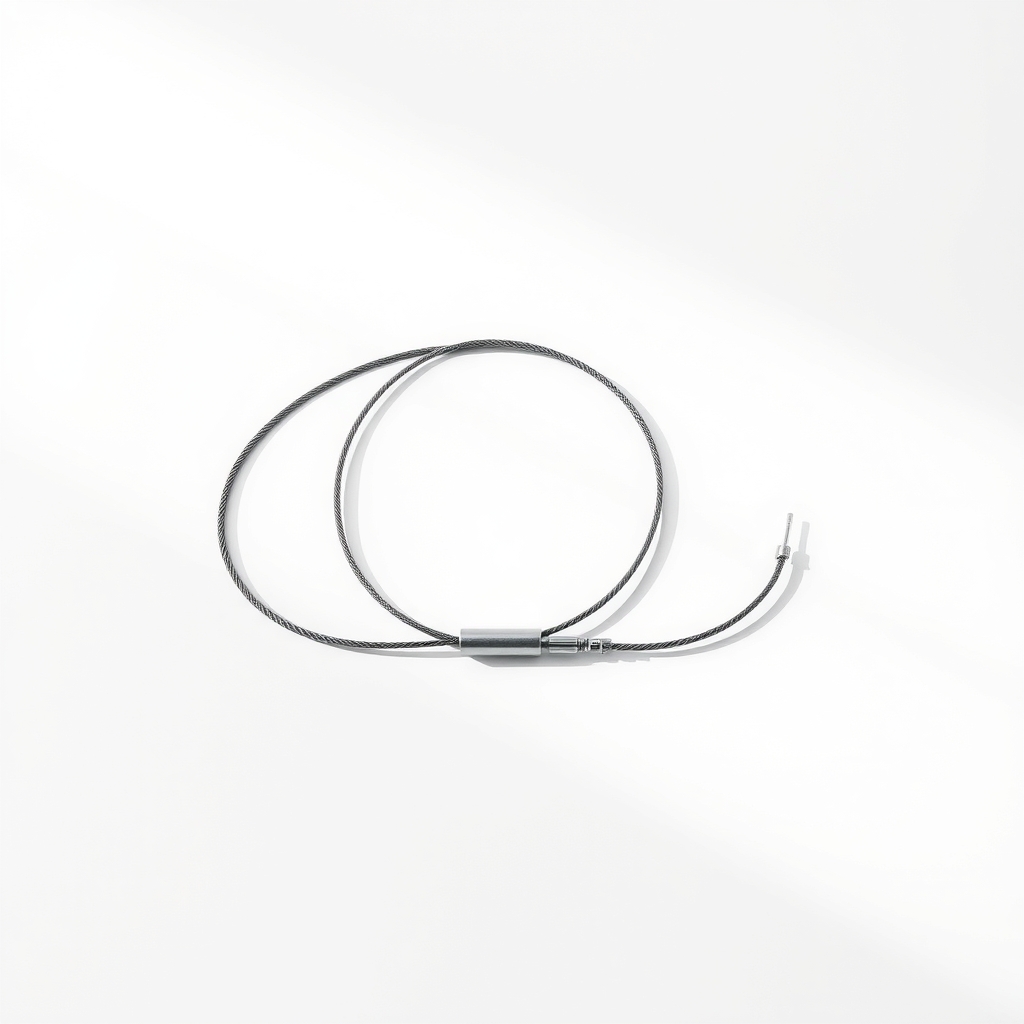
Steel anti-tip cable or brace kit
For tall, heavy shelves
Why it happens
Top-heavy loading
Heavy books on high shelves raise the center of gravity, and a narrow base tips easily.
An uneven floor or soft carpet
A floor that slopes forward, or feet that sink into carpet, tilt the shelf. That is why a shelf leans forward or to the low side.
Loose joints and a flimsy back panel
Bolts and cam locks loosen over time, and the frame racks sideways. A thin back panel that is torn, missing or not nailed down lets the frame lean to one side.
Climbing or pulling
A child, a pet or an adult reaching for a top shelf can pull the shelf over. The force of a pull can be far more than the weight on it.
Try this first (free)
Do these in order, starting with the simplest.
-
1. Unload and rebalance
Take the books off. Put hardcovers and binders on the bottom two shelves and lighter items on top.
-
2. Check the level
Tool used: Level or phone level appSet the level on the top and on the side. A bubble off to one side shows where it leans. Slide shims under the low feet until it is level, and in carpet put a hard board under the feet.
-
3. Tighten the frame
Tool used: Drill or screwdriverSnug up every bolt and cam lock. Check that the back panel is nailed or stapled along all edges, since a square frame resists leaning.
-
4. Find the stud
Tool used: Stud finderScan the wall behind the top of the shelf for studs, usually 16 inches apart. Mark the center of the stud.
IllustrationCheck price on AmazonTool for this step
Stud finder · Knocking on the wall and listening for a solid sound also works
-
5. Anchor the top to the wall
Tool used: Anti-tip furniture strap kitScrew the wall plate into the stud with the screws provided. Attach the other end to the shelf's top rail or another solid frame piece, not the thin back panel. Pull the strap snug and check that you cannot tilt the shelf forward.
IllustrationCheck price on AmazonTool for this step
Anti-tip furniture strap kit · Choose hardware for your wall type
When free fixes aren't enough
Rebalancing and leveling lower the risk but do not remove it. A shelf that is not fixed to the wall can still fall if a child climbs, a pet jumps, an earthquake hits or someone leans on it. Tipping furniture injures children each year, and the U.S. Consumer Product Safety Commission urges people to anchor it. Anchor any tall shelf, however stable it feels. If you rent, two small screw holes patch easily, but check your lease and ask your landlord. For brick or concrete, use anchors made for that wall.
Buy the fix
Still stuck after the free fixes? These are the products we would look at.
| Pick | Product | Fixes | Who it's for | Buy |
|---|---|---|---|---|
| Best pick | Anti-tip furniture strap kit with metal wall plates | a bookshelf that can fall forward | Anyone with a bookshelf about 3 feet or taller, and every home with kids or pets. | Check price |
| Budget pick | Heavy-duty metal L-brackets | tipping on shelves that stand flush to the wall | People comfortable with a drill who want the cheapest hardware-store fix. | Check price |
| Upgrade pick | Steel anti-tip cable or brace kit | tall, heavy shelves that need a stiffer tie | People with a very tall or book-heavy unit, or strong climbers at home. | Check price |
Anti-tip furniture strap kit with metal wall plates
Fixes: a bookshelf that can fall forward
Look for: Metal wall plates and strap buckles, not thin plastic; Screws for wood studs, plus anchors for drywall or masonry; At least two straps for a wide shelf; Straps you can unclip when you need to move the shelf.
- Who it's for
- Anyone with a bookshelf about 3 feet or taller, and every home with kids or pets.
- Honest downside
- The shelf's top rail is too thin to hold a screw. Choose a stronger frame point, or a bracket.
Heavy-duty metal L-brackets
Fixes: tipping on shelves that stand flush to the wall
Look for: Thick steel with at least two screw holes on each side; Screws long enough to reach a wall stud; A size that sits between the shelf top and the wall.
- Who it's for
- People comfortable with a drill who want the cheapest hardware-store fix.
- Honest downside
- The shelf cannot sit flush to the wall because of a baseboard or outlet, or you plan to move it often.
Steel anti-tip cable or brace kit
Fixes: tall, heavy shelves that need a stiffer tie
Look for: Steel cable or brace rated above your loaded shelf weight; Tamper-resistant fasteners; Hardware that fits your wall type.
- Who it's for
- People with a very tall or book-heavy unit, or strong climbers at home.
- Honest downside
- A strap kit is enough for a light, short shelf.
As an Amazon Associate I earn from qualifying purchases. We don't show prices because they change, so use the button to see today's price.
How we picked: How we picked: this page is based on furniture anti-tip guidance from consumer safety groups, instructions from strap and bracket makers, and the problems and fixes owners report in reviews. We do not test products by hand.
Match the screw to your wall
- Wood stud: the strongest anchor. Use the wood screws from the kit.
- Drywall, no stud: toggle anchors rated well above the shelf's weight, never push-in plastic.
- Plaster over lath: find the stud and screw there.
- Brick or concrete: masonry anchors and a masonry drill bit.
What to skip
Sticky putty and adhesive pads
Putty and stick-on pads only hold light objects. A loaded bookshelf can pull them off the wall. Use screws into a stud.
Frequently asked questions
How do I fix a bookshelf that leans to one side?
Can I anchor a bookshelf in a rental?
Where does the strap attach on the bookshelf?
How do I fix a bookshelf to the wall with no studs?
Related problems
As an Amazon Associate I earn from qualifying purchases. Affiliate disclosure