How to Stop a Small Room Echoing: Soft Fixes That Work
Bare walls, hard floors and little furniture bounce sound around. Add soft surfaces for free, then use acoustic panels where the echo is worst.
By Jamilur Rahman Updated November 5, 2026 · 6 min read
- Time
- 30 min
- Cost
- $50-$150
- Difficulty
- Easy
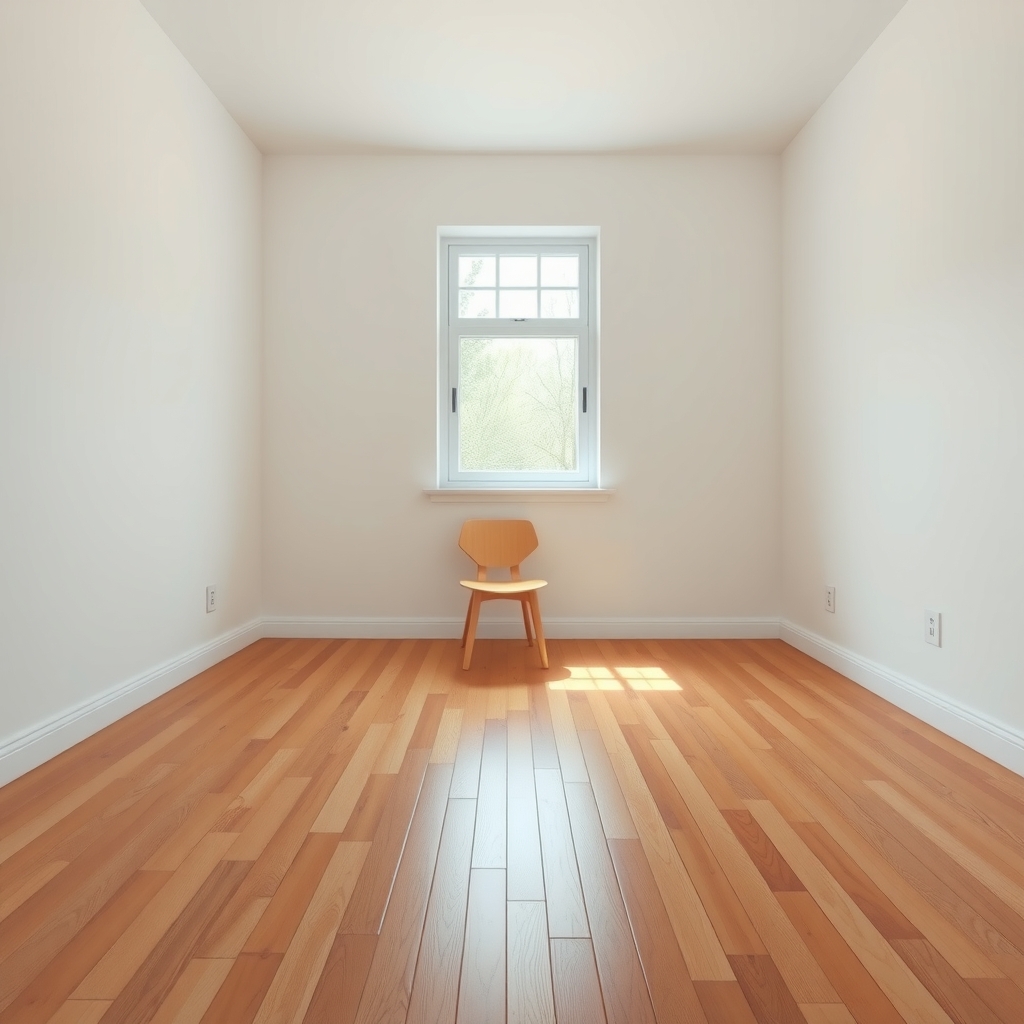
In this guide
Quick answer
How to stop a small room echoing: add soft, uneven surfaces so sound stops bouncing between bare walls. Start with a rug, curtains, a full bookshelf and soft furniture. If the room still sounds hollow when you clap, acoustic wall panels on the walls beside and across from where you sit or talk absorb the rest and keep the echo from coming back.
Free fix vs. permanent fix
Add soft things to hard surfaces
- Lay a rug or thick blankets on a hard floor
- Hang heavy curtains, or a quilt on a wall
- Fill a bookshelf and add soft furniture
- Add a plant or two to break up flat walls
How long it lasts: Stays fixed as long as the items stay put. Often cuts a mild echo by a lot, but may leave a ring on bare walls.
Fabric-wrapped acoustic wall panels
Echo is sound bouncing off flat, hard walls. Panels made of dense absorbing material soak up the middle and high sounds that cause that hollow ring, which a rug alone cannot reach. Placed on the right walls, a few panels do more than a pile of decor.
How long it lasts: For years. Fixed on the wall, they absorb echo every day without any upkeep.
As an Amazon Associate I earn from qualifying purchases.
What you'll need
-
Rug and rug pad
A thick rug on a hard floor helps the most
You have it -
Heavy curtains or a quilt
Hang a thick quilt on a wall until you have panels
Free - Our pick Illustration
Fabric-wrapped acoustic panels
Pick the thickest set you like the look of
- Illustration
Acoustic foam panels
Cheaper, lighter, fine for a small area
- Illustration
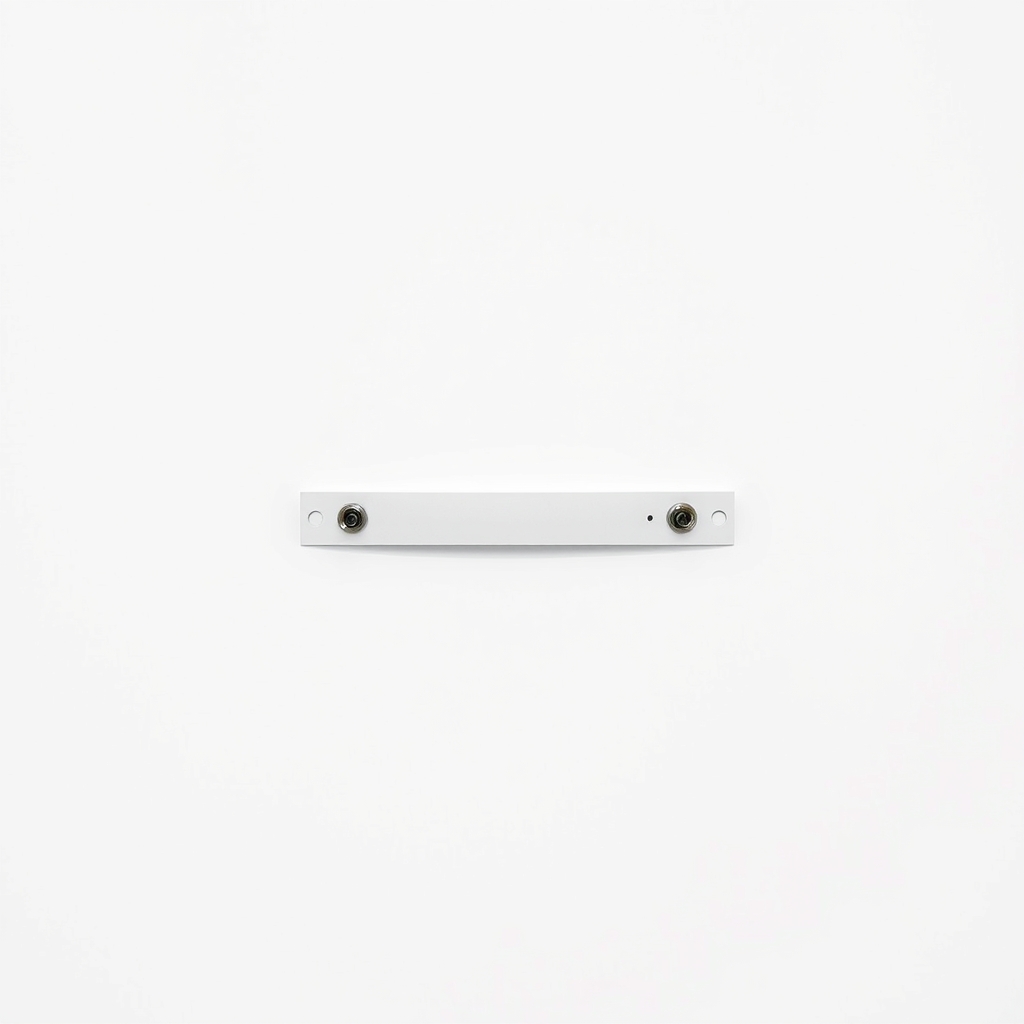
Removable mounting strips
Hang panels without drilling if you rent
Why it happens
Flat, hard walls facing each other
Parallel bare walls throw sound back and forth. Each bounce keeps the sound ringing for a split second after you stop talking.
A hard floor and ceiling
Wood, tile and vinyl reflect sound. A small room with few things in it has no soft surface to take the sound in.
Not much furniture
Sofas, beds, bookshelves and curtains all absorb or scatter sound. An almost empty room sounds hollow, which is why a new place often echoes.
Big glass areas
Windows and glass doors are very reflective, and a bare window sits right in your voice's path in many small rooms.
Try this first (free)
Do these in order, starting with the simplest.
-
Clap to find the echo
Stand where you usually talk and clap once. A quick, flat sound is fine. A ringing flutter means hard walls are facing each other. Walk the room and clap near each wall to find the worst one.
-
Cover the floor
Tool used: Rug and rug padLay a thick rug with a pad under it where you stand or sit. A rug alone cuts ringing from the floor, and the pad adds a layer of soft that absorbs more.
-
Hang something thick on the bare wall and window
Tool used: Heavy curtains or a quiltHeavy curtains over a window help a lot. For a wall, hang a thick quilt or blanket on hooks at head height, then clap again to hear the difference.
-
Fill the bookshelf and break up flat walls
A full bookshelf scatters sound well. Add a plant, an uneven wall hanging or a soft chair, especially on the wall facing the one you talk toward.
-
Test again, then decide on panels
Clap again. If the ring is gone or short, you are done. If the room still sounds hollow, hang panels on the first bounce points.
When free fixes aren't enough
If you have a rug, curtains and furniture and the room still sounds bright or hollow, the walls are doing the damage, and only absorbing material on them can fix it. Panels do not block sound from leaving the room or from neighbors. They only reduce echo inside it. If you need to keep noise from passing through walls, that is a different job. Aim to cover roughly a fifth of the wall area to start, and add more if you still hear the ring.
Buy the fix
Still stuck after the free fixes? These are the products we would look at.
| Pick | Product | Fixes | Who it's for | Buy |
|---|---|---|---|---|
| Best pick | Fabric-wrapped acoustic wall panels | hollow, ringing sound from bare walls | Anyone who talks, records or takes calls in the room and wants the cleanest result. | Check price |
| Budget pick | Acoustic foam panels | mild echo on one wall for a low price | Renters, students and anyone who just needs to tame the bright, hollow sound in a small space. | Check price |
Fabric-wrapped acoustic wall panels
Fixes: hollow, ringing sound from bare walls
Look for: At least 1 to 2 inches of dense absorbing core, such as fiberglass or polyester fiber; A listed noise reduction coefficient, with a higher number meaning more absorption; A fabric cover that looks like decor; Mounting hardware or a way to hang them without damage.
- Who it's for
- Anyone who talks, records or takes calls in the room and wants the cleanest result.
- Honest downside
- You need to block noise from neighbors. Panels reduce echo, not sound that passes through walls.
Acoustic foam panels
Fixes: mild echo on one wall for a low price
Look for: Dense foam, at least 1 inch thick, not packing foam; A fire rating or flame-retardant label; Self-adhesive or removable mounting.
- Who it's for
- Renters, students and anyone who just needs to tame the bright, hollow sound in a small space.
- Honest downside
- You care about the look, or the foam is sold as soundproofing. It only absorbs echo.
As an Amazon Associate I earn from qualifying purchases. We don't show prices because they change, so use the button to see today's price.
How we picked: How we picked: this page is based on room-acoustics basics from audio and building-science guides, product listings that state absorption ratings, and the results owners report in reviews. We do not test products by hand.
Where to put panels first
Sound bounces off the walls beside and in front of you before it reaches the corners, so treat these first. Hold a mirror along the wall and have someone move it until you can see your speaker or mouth. That spot is a first bounce point.
- One panel at each side wall, at ear height.
- One on the wall you face.
- One on the wall behind you if the echo is still there.
How to stop echo in a home office
Calls pick up echo from the wall in front of your monitor and from a bare wall behind you. A rug under the desk and a panel behind or beside the screen help the most. Close to the mic is better than a better mic: a headset or desk mic a hand away from your mouth hears the room much less.
What to skip
Egg cartons and thin craft foam
Egg cartons and thin craft foam do almost nothing and can be a fire hazard. Real acoustic material is dense and thick enough to absorb sound. Skip anything sold as soundproofing, since a panel cannot stop sound passing through a wall.
Frequently asked questions
How to stop room echo without drilling?
How to stop echo in a home office?
How many acoustic panels does a small room need?
Do acoustic panels soundproof a room?
Related problems
 Free fix inside
Home Office & Cables · Video Calls
Why Does My Zoom Call Echo? The Quick Cause and the Headset Fix
Read the fix Free fix inside
Home Office & Cables · Video Calls
Why Is My Zoom Call So Quiet? Speaker and Mic Fixes That Help
Read the fix Free fix inside
Home Office & Cables · Video Calls
How to Fix Your Microphone on a Zoom Call: Cable, Port, or Mic
Read the fix Free fix inside
Bedroom & Sleep · Neighbor Noise
Upstairs Neighbors Stomping? What Helps on Your Side of the Ceiling
Read the fixAs an Amazon Associate I earn from qualifying purchases. Affiliate disclosure