Garage Too Hot? Start With the Door, Not the Air Conditioner
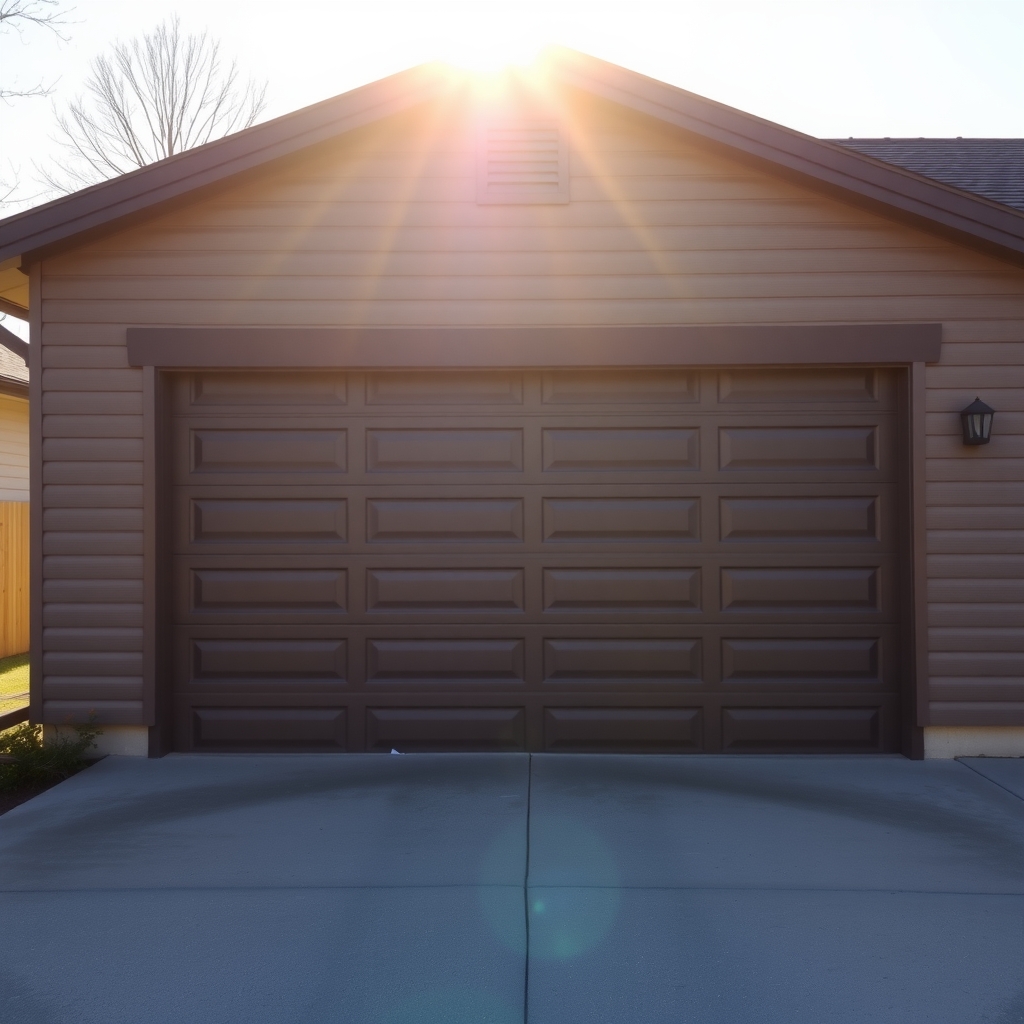
A bare metal garage door soaks up sun and radiates heat inside. Vent the garage for free, then insulate the door to stop most of that heat getting in.
By Jamilur Rahman Updated November 5, 2026 · 6 min read
- Time
- 15 min to vent, 1-2 hours to insulate
- Cost
- $50-$150
- Difficulty
- Medium
In this guide
Quick answer
Why is my garage so hot? The door is usually the biggest culprit. A thin metal door in the sun soaks up heat and gives it off inside, and a closed garage has nowhere to vent it. Open the garage at night, add a fan to push the hot air out and move heat sources out of the space. For the part that stays, a garage door insulation kit cuts the heat entering through the largest surface.
Free fix vs. permanent fix
Vent it and cut the heat sources
- Open the garage in the cool of the evening and early morning
- Push hot air out with a fan in a door or window
- Park cars and run hot appliances elsewhere when you can
- Seal gaps and shade the sunny side if you can
How long it lasts: Helps a lot on mild days. On hot sunny days the door keeps heating the space.
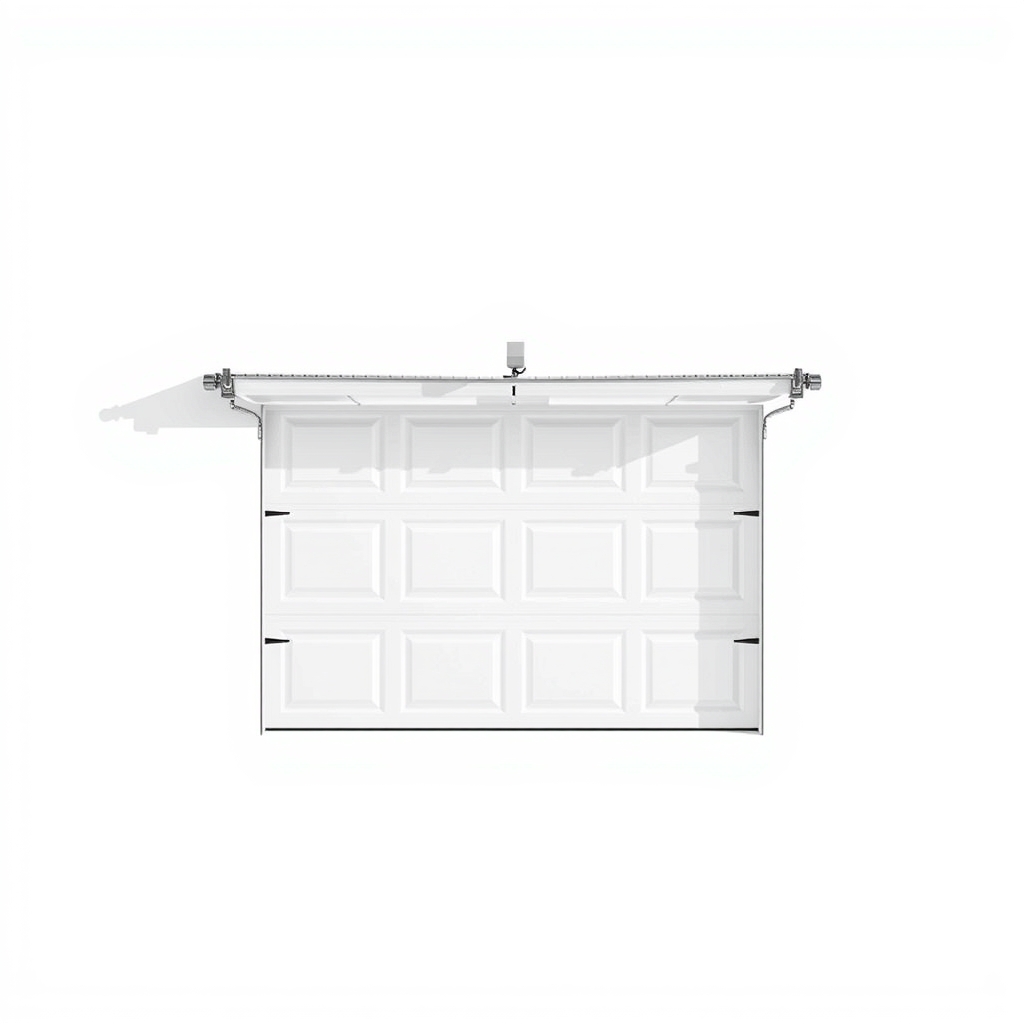
A garage door insulation kit
A garage door is often the largest uninsulated surface in the space. Insulation panels slow heat passing through it, so less sun heat reaches the inside and the garage stays more even through the day. Owners also report less noise.
What to get: Garage door insulation kit
How long it lasts: Years. Panels fit inside the door sections and stay in place.
As an Amazon Associate I earn from qualifying purchases.
What you'll need
-
Box fan
In a doorway or window to push hot air out
You have it -
Tape measure and a notebook
To size your door sections before you buy a kit
You have it -
Shade cloth or a tree on the sunny side
Block sun before it reaches the door
Free - Our pick Illustration
Garage door insulation kit
Pick the kit sized for your door
- Illustration
Bottom door seal and weatherstripping
Seals the gaps where hot air leaks in
Why it happens
A thin, uninsulated door facing the sun
A single-layer metal door gets hot to the touch in summer and heats the air inside. A dark color makes it worse.
No airflow
A sealed garage with no vent keeps the heat that comes in. Hot air collects at the ceiling, and the space bakes through the afternoon.
A hot roof or an attic above
A garage with an attic or a bedroom over it gets heat from the roof as well. A garage under a dark roof can be much hotter than the outside air.
Heat from inside
A car that just came home, a freezer, a dryer or a workshop machine all give off heat. They add to a space that cannot shed it.
Gaps around the door
Worn bottom seals and side gaps let hot air in. They also let in dust and insects.
Try this first (free)
Do these in order, starting with the simplest.
-
Vent at the coolest times
Open the garage door, or a window or side door, in the evening and early morning when the air outside is cooler. Close it again before the sun gets high.
-
Push the hot air out with a fan
Tool used: Box fanPut a box fan in a window or side door facing outward, and open another opening on the shady side so cooler air flows in. This works best at night.
-
Move heat sources out when you can
Park a hot car outside for an hour, run the dryer and workshop tools at cooler times, and take hot items out of the space. Keep spray cans, paint and fuel out of the heat, since they can burst or leak.
-
Shade the sunny side
Tool used: Shade cloth or a tree on the sunny sideShade cloth, an awning or a tree on the sunny side keeps sun off the door. Light-colored paint on a dark door helps too, if the maker allows it.
-
Measure the door and check the gaps
Tool used: Tape measure and a notebookLook at the bottom seal and the sides for light or cracks. Measure the width and height of the door, and the panel sections, so you can buy the right size kit.
When free fixes aren't enough
If the garage is still too hot after venting and shading, heat is coming through the door itself, since it is the biggest surface and no fan can stop that. An insulation kit slows the heat. It will not cool the garage. For a big drop, add venting and shade as well. Keep the kit clear of the springs, cables, tracks and sensors. A door that feels heavy after adding insulation, or that drifts up or down when halfway open, needs a pro to rebalance the springs. Never adjust those springs yourself. Never run an engine in a closed garage, since carbon monoxide builds up fast.
Buy the fix
Still stuck after the free fixes? These are the products we would look at.
| Pick | Product | Fixes | Who it's for | Buy |
|---|---|---|---|---|
| Best pick | Garage door insulation kit | heat soaking through a bare garage door | Anyone with a metal door that faces the sun and a garage they use for work, storage or a car. | Check price |
| Budget pick | Garage door bottom seal and weatherstripping | hot air and dust leaking in around the door | Anyone who can see light under or beside the door. | Check price |
Garage door insulation kit
Fixes: heat soaking through a bare garage door
Look for: A size that matches your door width and height, such as 9 by 7 or 16 by 7; A cut-to-fit panel design that sits inside each door section; A stated R-value, with a higher number meaning more resistance to heat; Fasteners, tape or clips included, and a facing that wipes clean.
- Who it's for
- Anyone with a metal door that faces the sun and a garage they use for work, storage or a car.
- Honest downside
- Your door is already insulated, is wood or a heavy panel, or has weak springs. Ask a pro to check the balance before you add weight.
Garage door bottom seal and weatherstripping
Fixes: hot air and dust leaking in around the door
Look for: A length that fits your door width; Rubber or vinyl that stays flexible in heat; Fasteners or adhesive that suit your door.
- Who it's for
- Anyone who can see light under or beside the door.
- Honest downside
- The seal is fine and the door itself is what is hot. A seal will not stop that.
As an Amazon Associate I earn from qualifying purchases. We don't show prices because they change, so use the button to see today's price.
How we picked: How we picked: this page is based on garage door maker guides on insulation and spring safety, public advice on ventilation and carbon monoxide, and what owners report in kit reviews. We do not test products by hand.
Know your door before you buy a kit
- Steel sections with recesses: the usual fit for a cut-to-fit kit.
- Already insulated door: a thick foam layer means a kit adds little.
- Wood or very heavy door: weight matters more, so ask a pro.
What to skip
Fans that only stir the hot air and a window AC for a leaky garage
A fan inside a closed garage just moves hot air around. A window or portable air conditioner in an uninsulated, leaky garage runs all day and loses the fight. Vent, shade and insulate first, then think about cooling.
Frequently asked questions
Does insulating a garage door really cool the garage?
Is it safe to put insulation on a garage door?
How do I vent a hot garage?
Is a hot garage bad for what I store there?
Related problems
 Free fix inside
Outdoor & Garage · Garage Door
Garage Door Gaps on the Sides? Seal Them in an Afternoon
Read the fix Free fix inside
Outdoor & Garage · Garage Smell
Garage Smells Musty? Fix the Moisture, Not Just the Smell
Read the fix Free fix inside
Outdoor & Garage · Garage Flooding
Garage Floods When It Rains? A Threshold Seal Is Step One
Read the fix Free fix inside
Air & Temperature · Hot House
House Hotter Than Outside? Where the Heat Gets In
Read the fixAs an Amazon Associate I earn from qualifying purchases. Affiliate disclosure