House Hotter Than Outside? Where the Heat Gets In
Sun through the glass, a hot attic and stored heat can leave your home hotter than the air outside. Block the sun first, then add thermal curtains.
By Jamilur Rahman Updated November 5, 2026 · 7 min read
- Time
- 15 min a day
- Cost
- $20-$50
- Difficulty
- Easy
In this guide
Quick answer
Why is my house hotter than outside? Sun pours in through the windows, the roof and walls soak up that heat, and a shut-up house keeps it in after the air outside cools. Close curtains on sun-facing windows before the sun hits, open the house at night and cut indoor heat. If one window or room still runs hot, thermal blackout curtains block far more heat than blinds or thin drapes.
Free fix vs. permanent fix
Shade, night venting and less indoor heat
- Close blinds and curtains on sunny windows before the sun reaches them
- Keep windows shut by day, open them at night when it is cooler outside
- Move the oven, dryer and dishwasher to the evening
- Use a fan in a window to push hot air out
How long it lasts: It works as a daily routine and slows the heat. It cannot undo a hot attic or a big west-facing window.
Thermal blackout curtains
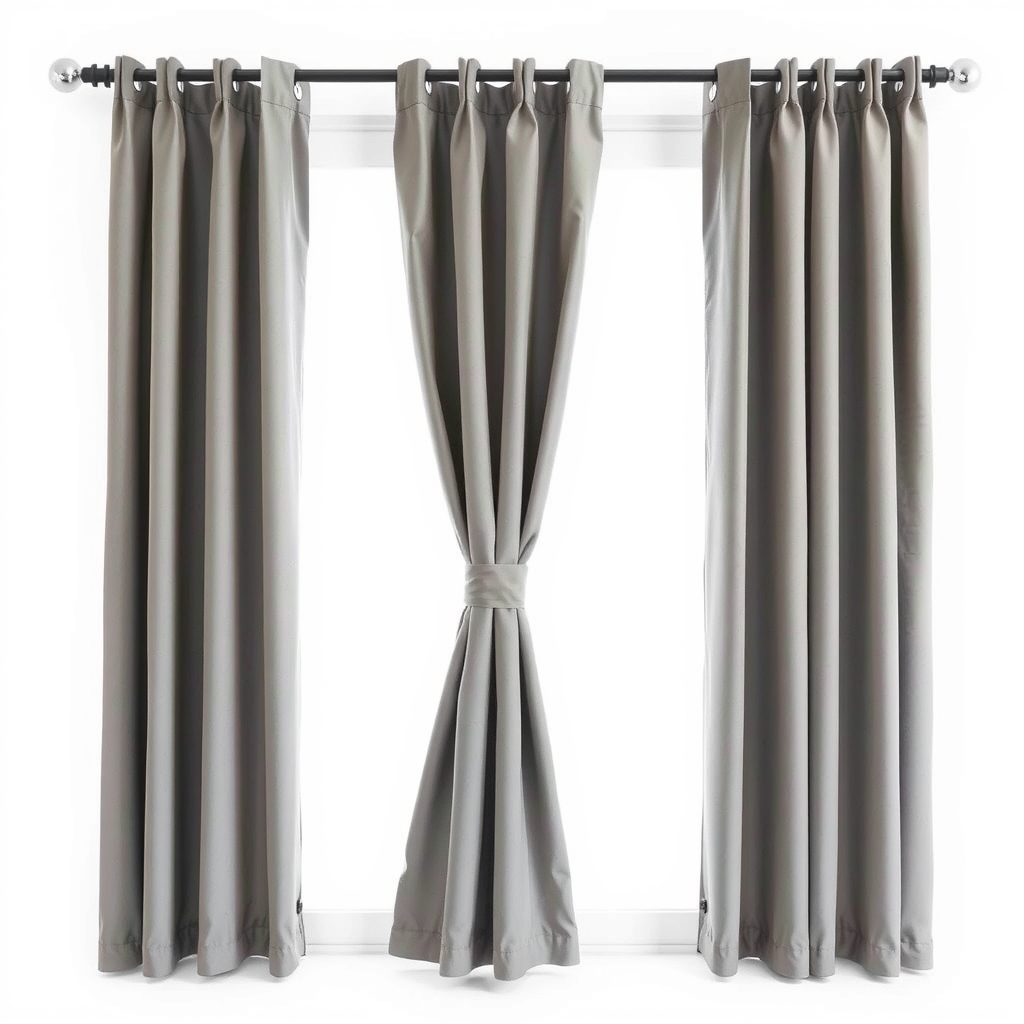
Most of the heat in a hot room comes through the glass. A thick, lined curtain with a reflective or foam backing, hung close to the window, stops it after it gets past the glass. The US Department of Energy says medium-colored drapes with a white plastic backing can cut heat gain by about a third.
How long it lasts: Years. They block sun every day without you doing anything beyond closing them.
As an Amazon Associate I earn from qualifying purchases.
What you'll need
-
Existing blinds or curtains
Close them before the sun hits, not after the room is hot
You have it -
Phone weather app
Shows the outdoor temperature so you know when to open up
Free -
Box fan
Set it in a window facing out to push hot air away
You have it - Our pick Illustration
Thermal blackout curtains
Measure the window and add width so the curtain overlaps the frame
- Illustration
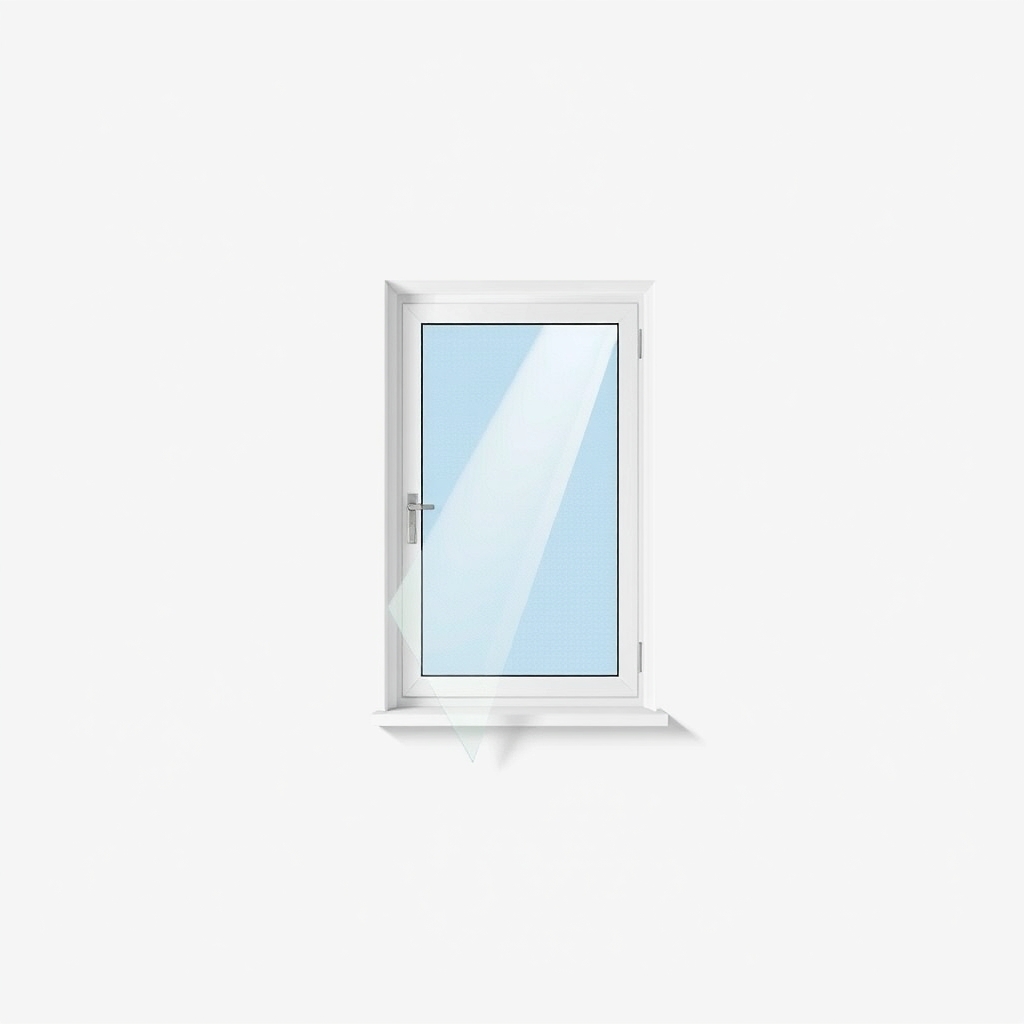
Removable heat-blocking window film
For windows where you cannot hang curtains
Why it happens
Sun coming through the glass
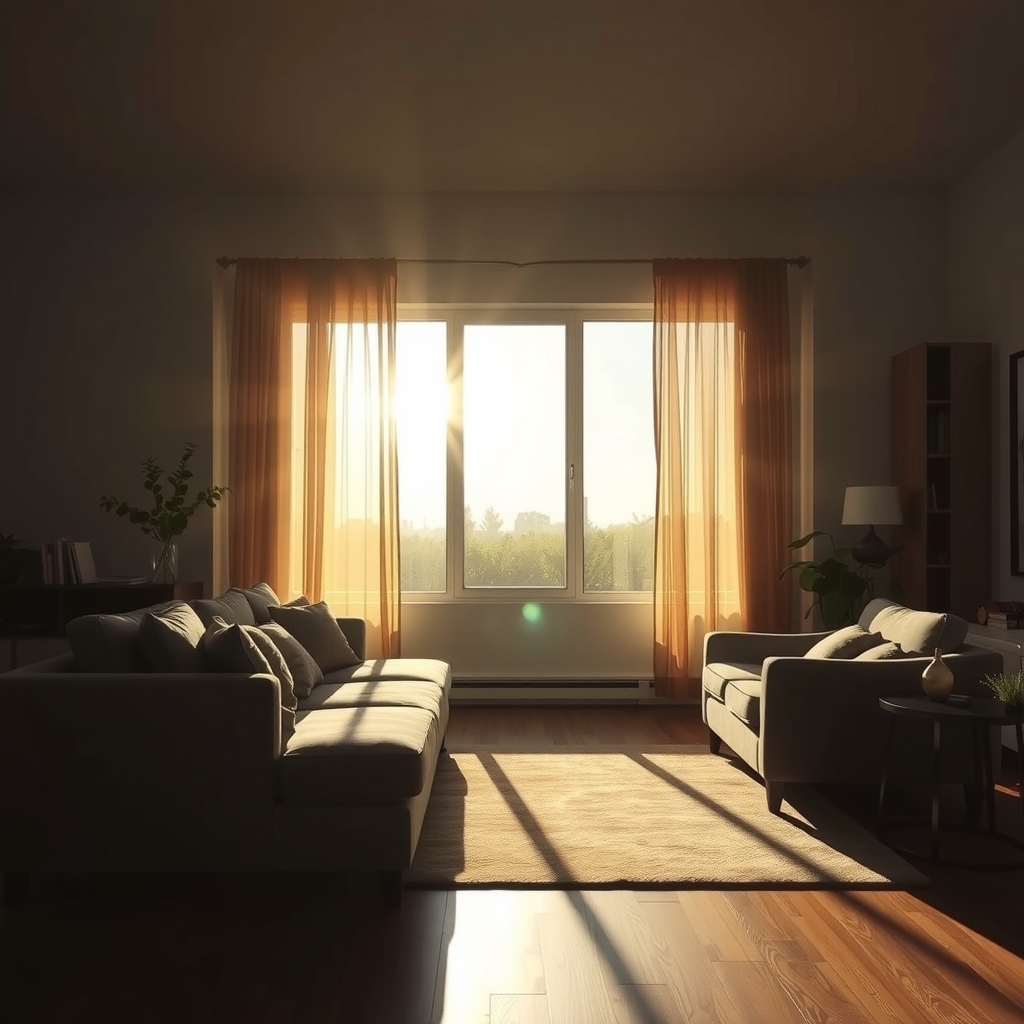
Glass lets sunlight in, and the sunlight turns into heat on floors, furniture and walls. East windows heat up in the morning, and west windows get hit hardest in the afternoon.
A hot attic and roof
A roof in full sun can get much hotter than the air outside. That heat moves down through the ceiling, so top-floor rooms run warmer, especially with thin attic insulation.
Stored heat in walls and floors
Walls, concrete and brick soak up heat all day and give it back in the evening. That is why the house can stay warmer than the air outside after sunset.
Heat made inside the house
An oven, a dryer, a dishwasher, electronics, old bulbs and people all add heat. In a small, shut-up home it adds up fast.
A closed house with no airflow
With windows shut all night, the stored heat has nowhere to go, so each day starts hot and ends hotter.
Try this first (free)
Do these in order, starting with the simplest.
-
Check inside against outside
Tool used: Phone weather appLook at the outdoor temperature at about 3 p.m. and again at 9 p.m., then compare it with indoors. If inside is warmer after dark, the house is storing heat and you should vent it at night.
-
Shade sun-facing windows early
Tool used: Existing blinds or curtainsClose blinds and curtains on east windows by mid-morning and west windows by noon. Do it before the room heats up, because it is much harder to cool after the fact.
-
Keep the house shut by day
Close windows once the outside is warmer than inside. Opening them in the afternoon just brings more heat in.
-
Open up and push the heat out at night
Tool used: Box fanWhen the air outside drops below the air inside, open windows on opposite sides. A box fan in one window facing out pulls cooler air in through the others.
-
Move the heat makers to the evening
Run the oven, dryer and dishwasher after dark or in the early morning, swap old bulbs for LEDs and switch off electronics you are not using.
-
Cover the worst window properly
Tool used: Thermal blackout curtainsHang thermal curtains as close to the glass as you can, wider than the frame and long enough to reach the sill or floor. Keep them closed all day on that window.
IllustrationCheck price on AmazonTool for this step
Thermal blackout curtains · Measure the window and add width so the curtain overlaps the frame
When free fixes aren't enough
If you do the free steps and one window still lets in hot sun all afternoon, the curtains you have are not blocking enough, and thermal blackout curtains are the fix. But curtains only handle heat that comes through the glass. If the top floor is far hotter than the ground floor and the ceiling feels warm to the touch, the attic is the main source. That means better insulation and ventilation, and an energy audit or a roofer can check it.
Buy the fix
Still stuck after the free fixes? These are the products we would look at.
| Pick | Product | Fixes | Who it's for | Buy |
|---|---|---|---|---|
| Best pick | Thermal blackout curtains | sun heat coming through the glass | Anyone with a sunny east or west window, especially a bedroom or a room that is the hottest in the house. | Check price |
| Budget pick | Removable heat-blocking window film | sun heat on windows where a curtain will not work | Renters and windows where you cannot hang a curtain, such as a small bathroom or stairwell window. | Check price |
| Upgrade pick | 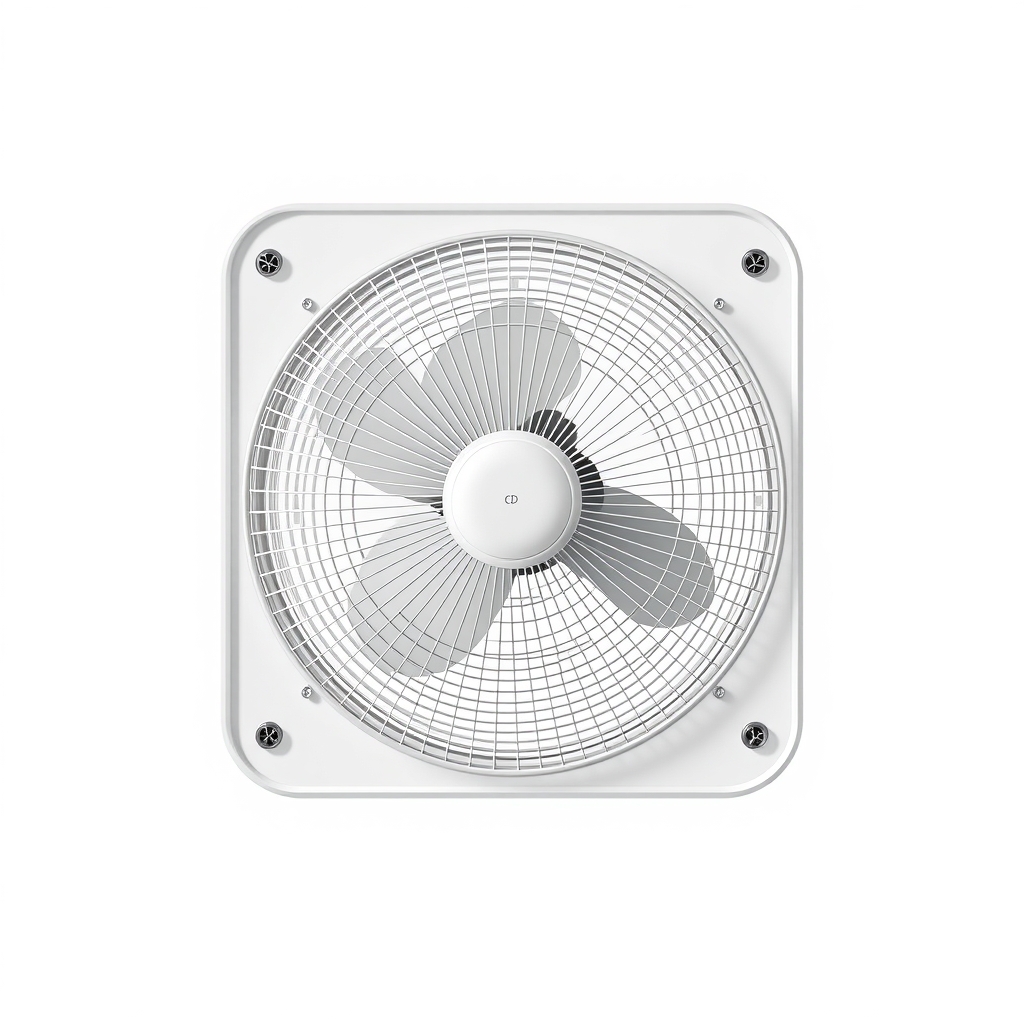 Reversible window fan | stored heat that stays after dark | People who sleep in a room that stays warm all night and have a window that opens wide. | Check price |
Thermal blackout curtains
Fixes: sun heat coming through the glass
Look for: Multiple layers or a foam or reflective backing, and a label that says thermal or insulated; A light backing on the side facing the window; Enough width to cover the frame, ideally about 1.5 to 2 times the window width; Long enough to reach the sill or floor.
- Who it's for
- Anyone with a sunny east or west window, especially a bedroom or a room that is the hottest in the house.
- Honest downside
- The heat comes mostly from the attic, or the window gets little sun. Curtains will not change much.
Removable heat-blocking window film
Fixes: sun heat on windows where a curtain will not work
Look for: Reflective, not just tinted; Removable or static-cling, so it is renter-friendly; A listed fit for your glass type.
- Who it's for
- Renters and windows where you cannot hang a curtain, such as a small bathroom or stairwell window.
- Honest downside
- You have double-pane or special coated glass. Check the film maker's notes first, since some films are not meant for it.
Reversible window fan
Fixes: stored heat that stays after dark
Look for: An intake and exhaust setting, so you can push heat out at night; Adjustable panels to fit your window; Speeds that stay quiet in the bedroom.
- Who it's for
- People who sleep in a room that stays warm all night and have a window that opens wide.
- Honest downside
- The air outside is hotter or smoky, or the window will not open wide enough to hold the fan.
As an Amazon Associate I earn from qualifying purchases. We don't show prices because they change, so use the button to see today's price.
How we picked: How we picked: this page is based on US Department of Energy window-covering advice, home cooling guides and what owners report in reviews of thermal curtains. We do not test products by hand.
Which window to cover first
- West-facing: the worst in the afternoon and evening, the hottest hours.
- East-facing: strong morning sun that warms the room before noon.
- South-facing: heavy sun at midday in summer.
- North-facing: gets little direct sun, so cover it last.
When heat becomes a health risk
Babies, older adults and people with heart or lung conditions can get sick from heat even indoors. If anyone feels dizzy, sick or confused, move them somewhere cooler and get medical help if it does not pass. If indoor air is in the 90s degrees F, a fan alone is not enough. Go to a cooler place, such as a library or a friend's home.
What to skip
Cracking windows by day and thin dark curtains
Opening windows on a hot afternoon lets more heat in. Thin sheer or dark curtains hang in the sun and warm up, then radiate that heat into the room. Pick a light, lined, thicker fabric and keep the window closed during the hot hours.
Frequently asked questions
Why is my house so hot?
Why is my room the hottest in the house?
Why is my house hotter inside than outside at night?
Do blackout curtains really make a room cooler?
Related problems
 Free fix inside
Air & Temperature · Hot Apartment
Keep an Apartment Cool Without AC: 9 Tricks, Cheapest First
Read the fix Free fix inside
Air & Temperature · Upstairs Heat
Upstairs Too Hot Even With the AC On? 6 Fixes That Rebalance It
Read the fix Free fix inside
Air & Temperature · Hot Room
Room Still Hot With the Fan On? A Fan Only Moves Hot Air
Read the fix Free fix inside
Bedroom & Sleep · Bedroom Curtains
Bedroom Curtains Not Blocking Light? What Blackout Really Means
Read the fixAs an Amazon Associate I earn from qualifying purchases. Affiliate disclosure