Keep an Apartment Cool Without AC: 9 Tricks, Cheapest First
Most apartment heat comes through the windows. Start with free fixes, then add a peel-off film that blocks the sun's heat before it gets in.
By Jamilur Rahman Updated November 5, 2026 · 6 min read
- Time
- 30 min today
- Cost
- $20-$50
- Difficulty
- Easy
In this guide
Quick answer
To keep an apartment cool in summer without AC, stop the sun heating the room, then move the heat out at night. Close blinds on sunny windows by morning, shut windows in the heat of the day and open them after dark. The trick that lasts all summer is heat-blocking window film, which cuts the sun's heat at the glass, where most of it gets in.
Free fix vs. permanent fix
Seven no-cost habits
- Close blinds and curtains on sunny windows before the heat builds
- Keep windows shut by day and open them after dark
- Skip the oven and dryer in the afternoon
- Cool yourself with a cold shower and a damp cloth
How long it lasts: They take the edge off in mild heat. In a heat wave or a top-floor flat, the sun still gets through the glass.
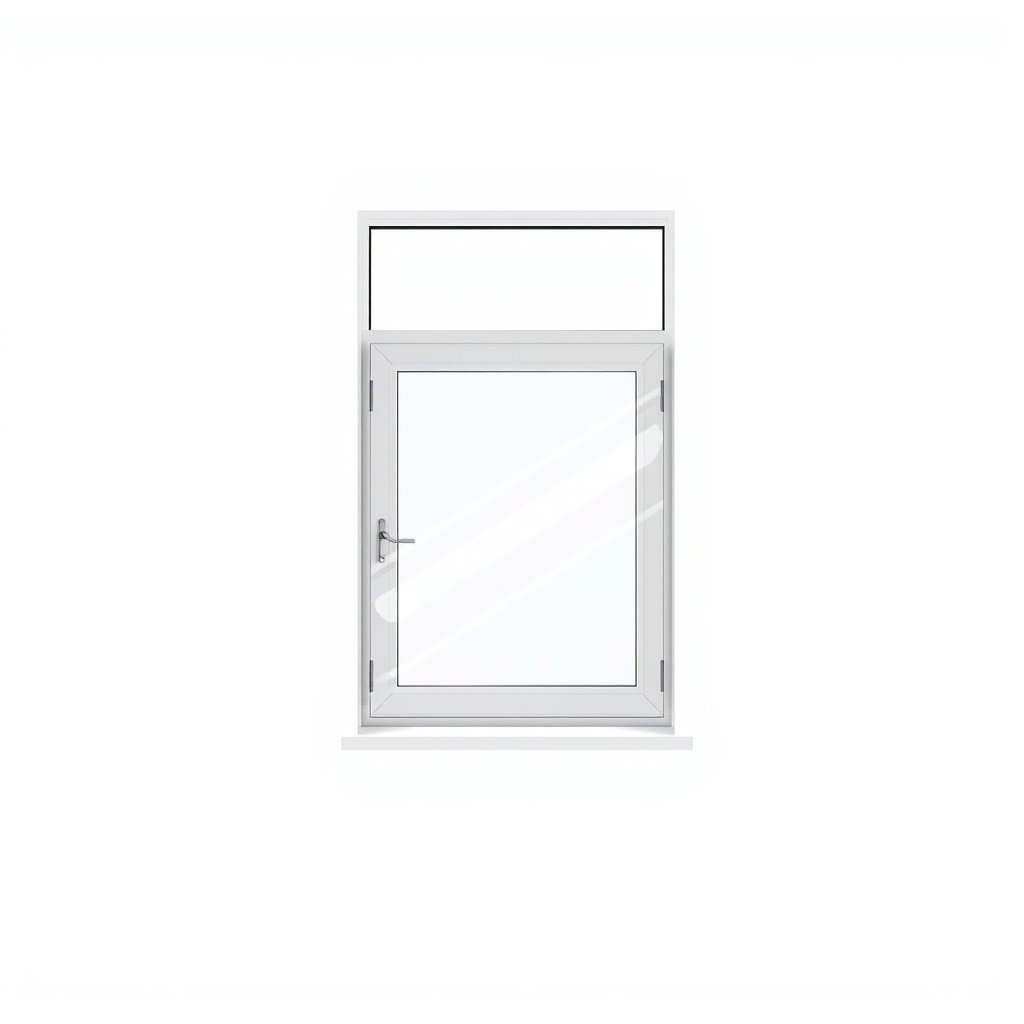
Heat-blocking window film on sunny windows
Sunlight through glass is one of the biggest sources of indoor heat. Curtains only catch it after it has come through the glass. Film blocks part of that heat at the window and lets daylight through, so you can keep the blinds open.
What to get: Static-cling heat-blocking window film
How long it lasts: A whole summer, and many seasons. Static-cling types peel off and can be reused.
As an Amazon Associate I earn from qualifying purchases.
What you'll need
-
Blinds or curtains
Close them before the sun arrives
You have it -
Box fan
Moves night air through the room
You have it -
Frozen water bottle
Wrap it in a towel and keep it near you
Free -
Spray bottle and tape measure
To cut and apply film
You have it - Our pick Illustration
Heat-blocking window film
Static-cling is the rental-friendly kind
- Illustration
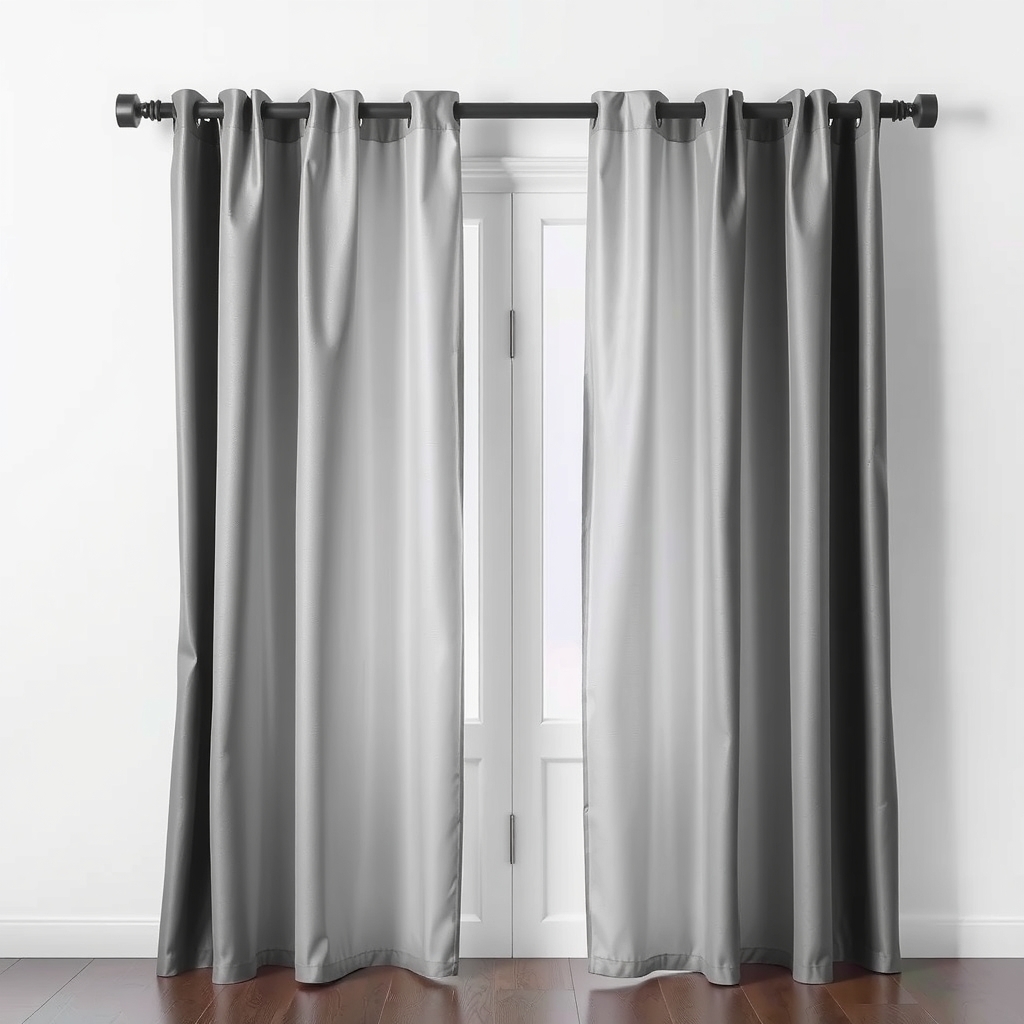
Thermal blackout curtains
For bedrooms, or windows where film will not work
Why it happens
Sun through the glass
South and west windows let in heat all afternoon. The floor, walls and furniture soak it up and release it well into the night.
Heat from above and the neighbors
A top-floor flat sits under a sun-baked roof. Units below and beside you add heat through shared walls.
No cross-breeze and indoor heat
A closed unit with no path for air traps the day's heat. The oven, dryer, electronics and bodies add more.
Try this first (free)
Do these in order, starting with the simplest.
-
1. Block the sun before it hits
Tool used: Blinds or curtainsClose blinds or curtains on sunny windows in the morning. Keep them shut until the sun moves off.
-
2. Shut windows by day, open them at night
When it is hotter outside than inside, keep windows closed. After dark, open two on opposite sides so a breeze runs through.
-
3. Cut indoor heat
Skip the oven, dryer and dishwasher in the afternoon. Switch to LED bulbs and unplug devices you do not use.
-
4. Use a fan to push night air
Tool used: Box fanAt night, put a fan in the open window facing out to push hot air away, with another window open to let cooler air in.
-
5. Cool yourself, not just the room
Tool used: Frozen water bottleTake a lukewarm shower, put a damp cloth on your neck and keep a frozen bottle near your feet.
-
6. Live in the coolest room
Spend the hot afternoon in the shadiest room, or on the lowest floor if you have one. Keep doors closed to the sunniest rooms.
-
7. Lighten up
Switch to cotton or linen sheets and loose clothes, and drink water often.
-
8. Stick heat-blocking film on the sunny windows
Tool used: Heat-blocking window filmMeasure each pane, spray the glass with soapy water, press the film on and trim the edges. It takes about 15 minutes a window.
IllustrationCheck price on AmazonTool for this step
Heat-blocking window film · Static-cling is the rental-friendly kind
-
9. Add thermal blackout curtains
Tool used: Thermal blackout curtainsIn the bedroom, hang thermal blackout curtains over the film. Pull them in the morning to cut the heat that is left.
IllustrationCheck price on AmazonTool for this step
Thermal blackout curtains · For bedrooms, or windows where film will not work
When free fixes aren't enough
If the free steps still leave a south or west room too warm in the afternoon, the sun is doing the work, and only blocking it at the glass will help. Film does that without losing your daylight. It does not make the room cold, but it takes the sharp edge off, and a fan can handle the rest. If indoor air reaches the 90s °F, a fan is not enough and you need a cooler place for the afternoon.
Buy the fix
Still stuck after the free fixes? These are the products we would look at.
| Pick | Product | Fixes | Who it's for | Buy |
|---|---|---|---|---|
| Best pick | Static-cling heat-blocking window film | sun heat pouring through sunny windows all afternoon | Anyone with south or west windows who wants a cooler room and still wants daylight. | Check price |
| Upgrade pick | Thermal blackout curtains with a reflective liner | heat and light in a bedroom, or windows film cannot cover | Someone who wants a dark, cooler bedroom, or who cannot apply anything to the glass. | Check price |
Static-cling heat-blocking window film
Fixes: sun heat pouring through sunny windows all afternoon
Look for: Solar heat control, not just privacy or frosted film; Static cling or removable, so it is safe for a rental; A roll wide enough for your window, in a tint you can live with.
- Who it's for
- Anyone with south or west windows who wants a cooler room and still wants daylight.
- Honest downside
- Your windows are double-pane or low-e and the film maker warns against use. Read its notes, and your lease, first.
Thermal blackout curtains with a reflective liner
Fixes: heat and light in a bedroom, or windows film cannot cover
Look for: A heat-reflective or insulated backing; Wide and long enough to cover the whole window with overlap; Grommets or a rod pocket that match your rod.
- Who it's for
- Someone who wants a dark, cooler bedroom, or who cannot apply anything to the glass.
- Honest downside
- You want daylight all day. Curtains give you shade, not a cooler room with the light on.
As an Amazon Associate I earn from qualifying purchases. We don't show prices because they change, so use the button to see today's price.
How we picked: How we picked: this page is based on public heat-safety and energy-saving guidance, window film makers' install notes, and the problems and fixes owners report in reviews. We do not test products by hand.
Dorm room too hot or no AC? Tricks that fit dorm rules
For a dorm room with no AC, how to keep it cool comes down to the same steps. Close the blinds early, run a fan facing out of the window at night, and put static-cling film or foil-backed shades on the sunny glass. Keep the door closed so the hallway heat stays out. Check your housing rules before applying anything to the window. A damp cloth on the neck and a frozen bottle make a hot room much easier to sleep in.
When heat becomes a health risk
Babies, older adults and people with heart or lung conditions can get sick from heat even indoors. If anyone feels dizzy, sick, confused or very sweaty, move them somewhere cooler right away and get medical help if it does not pass.
What to skip
Ice in front of a fan and tiny portable units
A bowl of ice gives a few minutes of relief, then the ice melts. Small evaporative coolers only work well in dry air, and in humid places they make the room sticky. Put the money into blocking the sun.
Frequently asked questions
Why is my apartment so hot, even hotter than outside?
Does closing the windows keep an apartment cooler?
Do fans actually cool a room?
Can I put window film on a rental?
Related problems
 Free fix inside
Air & Temperature · Hot Room
Room Still Hot With the Fan On? A Fan Only Moves Hot Air
Read the fix Free fix inside
Air & Temperature · Hot House
House Hotter Than Outside? Where the Heat Gets In
Read the fix Free fix inside
Air & Temperature · Upstairs Heat
Upstairs Too Hot Even With the AC On? 6 Fixes That Rebalance It
Read the fix Free fix inside
Bedroom & Sleep · Bedroom Temperature
Bedroom Too Hot at Night? 7 Fixes, Cheapest First
Read the fixAs an Amazon Associate I earn from qualifying purchases. Affiliate disclosure