Bedroom Too Hot at Night? 7 Fixes, Cheapest First
Walls store the day's heat and release it after dark. Six free fixes come first; a quiet tower fan is the last step for the heat that is left.
By Jamilur Rahman Updated November 5, 2026 · 6 min read
- Time
- 10 min tonight
- Cost
- $50-$150
- Difficulty
- Easy
In this guide
Quick answer
A bedroom stays hot at night because the sun heats it all day, the walls hold that heat, and your bedding and electronics add more. Try the six free fixes below first. If the room is still too warm, the seventh step is a quiet tower fan with a timer, which keeps air moving over you all night even when the room cannot get any cooler.
Free fix vs. permanent fix
Six free fixes, in order
- Close blinds on sunny windows in the morning
- Open two windows at night, only when it is cooler outside
- Switch off heat sources an hour before bed
- Swap to a sheet and cotton or linen bedding
How long it lasts: Takes the edge off on mild nights. On hot nights the walls still release stored heat and you may stay warm.
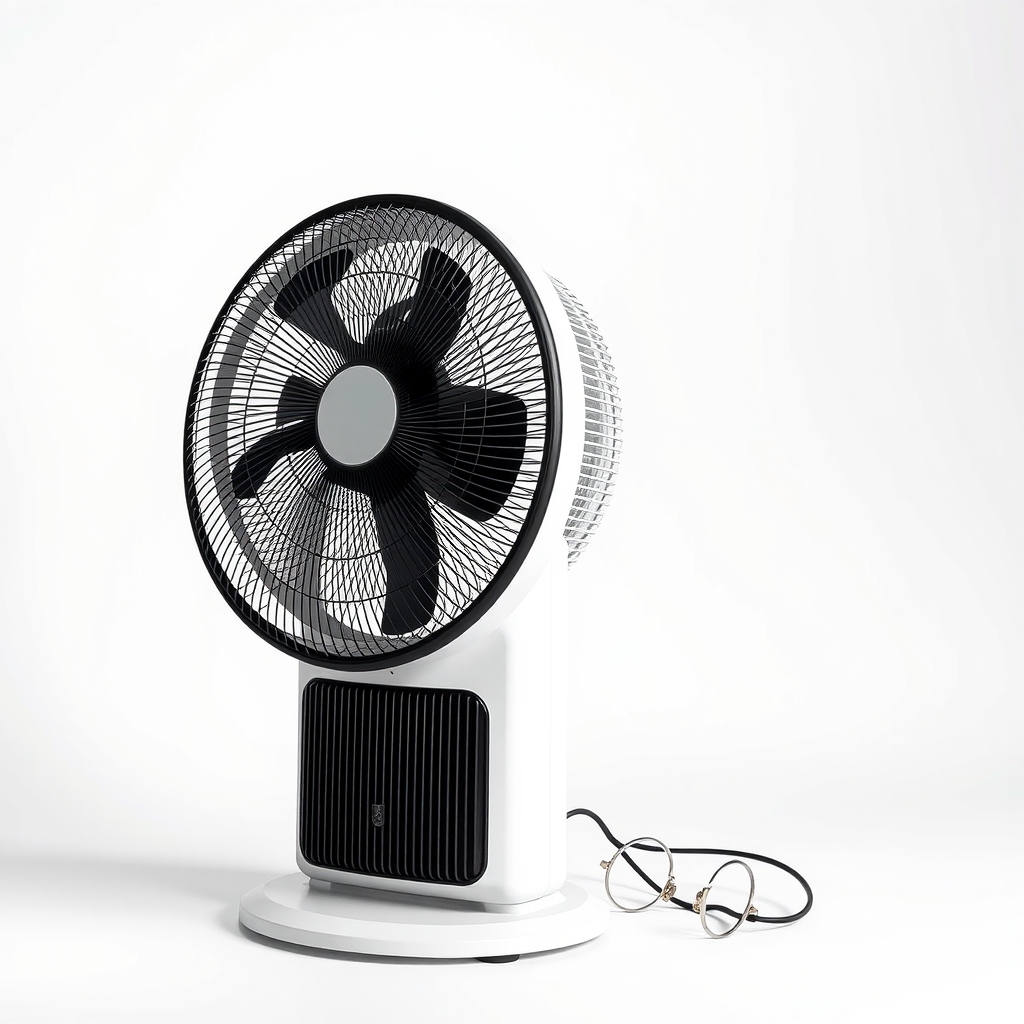
A quiet tower fan with a timer
A fan does not lower the room temperature, but moving air across your skin helps sweat evaporate, so you feel cooler. A tower fan does it quietly in a small footprint, and the timer shuts it off once you are asleep.
What to get: Quiet tower fan for the bedroom
How long it lasts: Every night for years. It cools you, not the room.
As an Amazon Associate I earn from qualifying purchases.
What you'll need
-
Blinds or curtains
Close them before the sun hits
You have it -
Box fan or ceiling fan
Use what you already own first
You have it -
Frozen water bottle
Wrap it in a towel and keep it near your feet
Free - Illustration
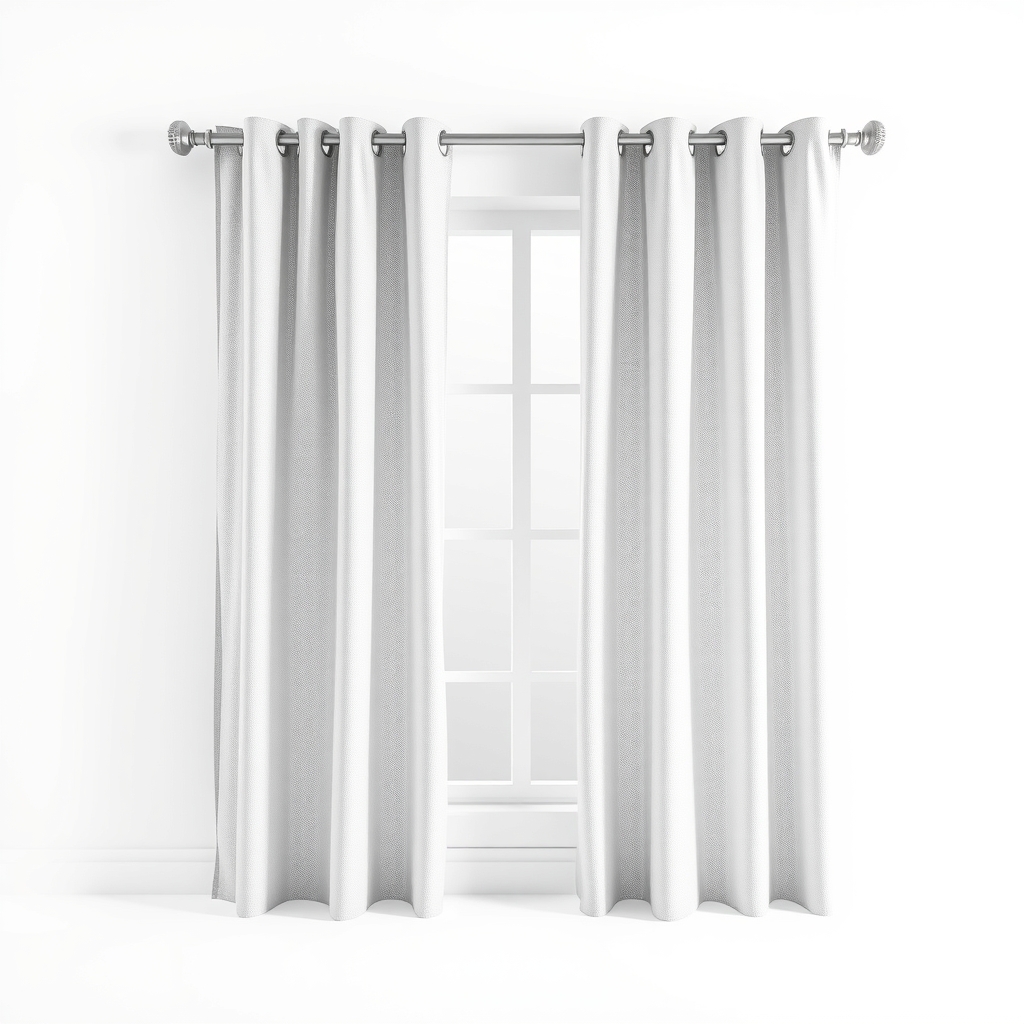
Blackout curtains or reflective shades
A bedsheet pinned over a bare window works until then
- Our pick Illustration
Quiet tower fan
For the heat left after the free steps
Why it happens
Sun heating the room all day
Sunny windows let in a lot of heat. The walls, floor and ceiling soak it up and then release it in the evening, right when you want to sleep.
No path for the hot air to leave
A closed room with no cross-breeze holds the day's heat. Hot air also rises, so an upstairs bedroom collects it from the whole house.
Heat sources inside the room
TVs, game consoles, chargers and warm bulbs all give off heat. So do you. A sleeping adult adds heat to a small room.
Bedding that traps heat
A thick comforter, polyester sheets and a dense foam mattress topper all hold body heat close to you.
Try this first (free)
Do these in order, starting with the simplest.
-
1. Block the sun before it hits the room
Tool used: Blinds or curtainsClose blinds or curtains on sunny windows in the morning, before the room heats up. Blackout or reflective shades work best, and a bedsheet pinned over a bare window beats nothing.
-
2. Open windows only when it is cooler outside
Keep windows shut during the hot day. At night, open two windows once the air outside is cooler than inside, ideally on opposite sides, so a breeze runs through.
-
3. Switch off heat sources an hour before bed
Turn off the TV and console, unplug chargers you do not need and use LED bulbs. Skip the oven and dryer in the evening.
-
4. Switch to lighter bedding
Cotton or linen sheets let heat and moisture escape better than polyester. Swap the comforter for a thin blanket or just a sheet. If your mattress topper is foam, try a week without it.
-
5. Cool your body, not just the room
Tool used: Frozen water bottleTake a lukewarm shower before bed, put a damp washcloth on your neck or wrists, or keep a frozen water bottle near your feet.
-
6. Use the fans you already own
Tool used: Box fan or ceiling fanSet a ceiling fan to push air down (counterclockwise from below in summer). Or put a box fan in a window facing out, with another window open, to push hot air out.
When free fixes aren't enough
Fix 7: if the room is still warm after the free steps, the walls are releasing stored heat and you cannot ventilate it away on a warm night. Stirring the air is what is left. A quiet tower fan on low with a timer does that without the noise of a box fan, and it takes little floor space beside a bed. It will not lower the temperature, and it will not protect you once indoor air is in the 90s °F. Then you need a cooler place, not a fan.
Buy the fix
Still stuck after the free fixes? These are the products we would look at.
Quiet tower fan for the bedroom
Fixes: feeling hot in still air once the room has cooled a little
Look for: Low-speed settings that stay quiet, with a listed sound level or reviews that mention quiet; Oscillation, so air does not blast one spot; A timer that shuts it off after you fall asleep; A remote or buttons you can reach from bed.
- Who it's for
- Someone who has done the free steps and wants steady, quiet airflow while sleeping, without a loud box fan.
- Honest downside
- The room is in the 90s °F. A fan may not protect you from heat that high. Also skip aiming it straight at your face if it dries out your throat.
As an Amazon Associate I earn from qualifying purchases. We don't show prices because they change, so use the button to see today's price.
How we picked: How we picked: this page is based on sleep-temperature guidance from sleep health groups, public heat-safety advice, and what people report in reviews of bedroom fans. We do not test products by hand.
What temperature to aim for
Sleep groups often suggest a bedroom between about 60 and 67°F (15 to 19°C). If you cannot reach that, aim for the coolest the room will go. Every few degrees you shave off helps.
When heat becomes a health risk
Babies, older adults and people with heart or lung conditions can get sick from heat even indoors. If anyone feels dizzy, sick, confused or very sweaty, move them to a cooler place right away and get medical help if it does not pass. Fans alone may not protect people once indoor air is in the 90s °F.
What to skip
Ice-in-front-of-a-fan hacks and swamp coolers
A bowl of ice gives a little relief for a short time, then the ice melts and you are back where you started. Evaporative coolers only work well in dry air, and in humid places they add moisture that makes sleep feel sticky.
Frequently asked questions
Is it OK to sleep with a fan on all night?
Why is my bedroom so hot at night but fine during the day?
Why is my upstairs bedroom hotter than the rest of the house?
Related problems
 Free fix inside
Bedroom & Sleep · Mattress Topper
Mattress Topper Sleeping Hot? 3 Cooler Picks (and 1 to Skip)
Read the fix Free fix inside
Bedroom & Sleep · Comforter Temperature
Comforter Too Hot? 3 Lighter Picks (and 1 to Skip)
Read the fix Free fix inside
Air & Temperature · Hot Room
Room Still Hot With the Fan On? A Fan Only Moves Hot Air
Read the fixAs an Amazon Associate I earn from qualifying purchases. Affiliate disclosure