Room Still Hot With the Fan On? A Fan Only Moves Hot Air
A fan moves air, it does not cool it. Block the sun and push the hot air out first, then a twin window fan swaps hot room air for cooler night air.
By Jamilur Rahman Updated November 5, 2026 · 6 min read
- Time
- 20 min
- Cost
- $20-$50
- Difficulty
- Easy
In this guide
Quick answer
A fan does not cool the air. It moves air over your skin so sweat dries faster, but the room stays the same temperature. To cool the room itself, block incoming heat, push hot air out and pull cooler air in. A twin window fan does the last two jobs at once, sealed into the window frame.
Free fix vs. permanent fix
Shade the sun, vent the hot air out
- Shade sunny windows before the room heats up
- Turn a box fan to face out in an open window
- Open another window or door so cooler air comes in
- Switch off unused electronics and old bulbs
How long it lasts: Works on evenings when it is cooler outside than inside. It stops helping when nights stay warm.
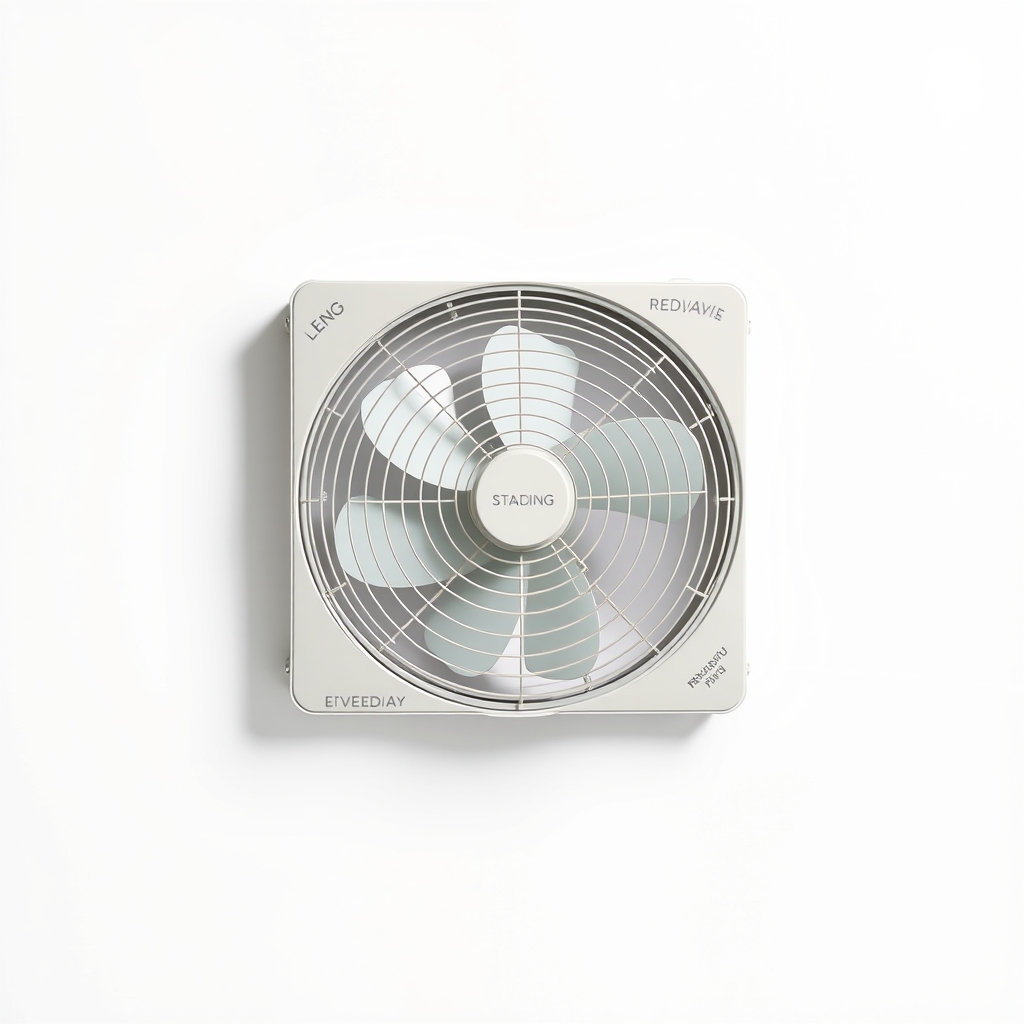
A twin window fan
A single box fan leaves gaps around it and has to be turned by hand. A twin window fan fits the frame, runs one fan in and one out, and moves the room's hot air out while pulling cooler air in. It only works when the air outside is cooler.
What to get: Twin window fan with reversible airflow
How long it lasts: Every night of the hot season. It stays in the window.
As an Amazon Associate I earn from qualifying purchases.
What you'll need
-
Blinds or curtains
Close them on the sunny side before the room heats
You have it -
Box fan
Faces out in an open window to push hot air out
You have it -
Towel
Stuffed around the box fan to seal the gaps
You have it - Illustration
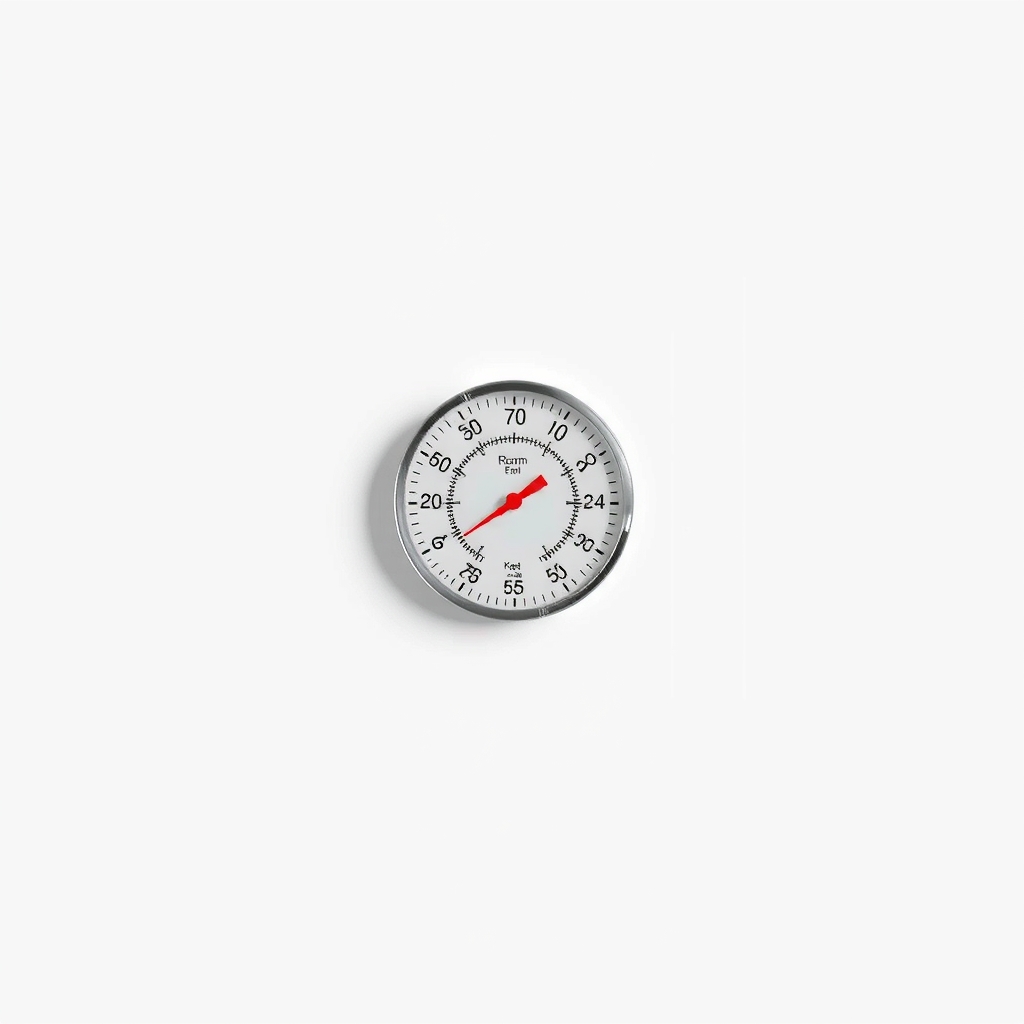
Room thermometer
Optional; a weather app covers the outdoor reading
- Illustration
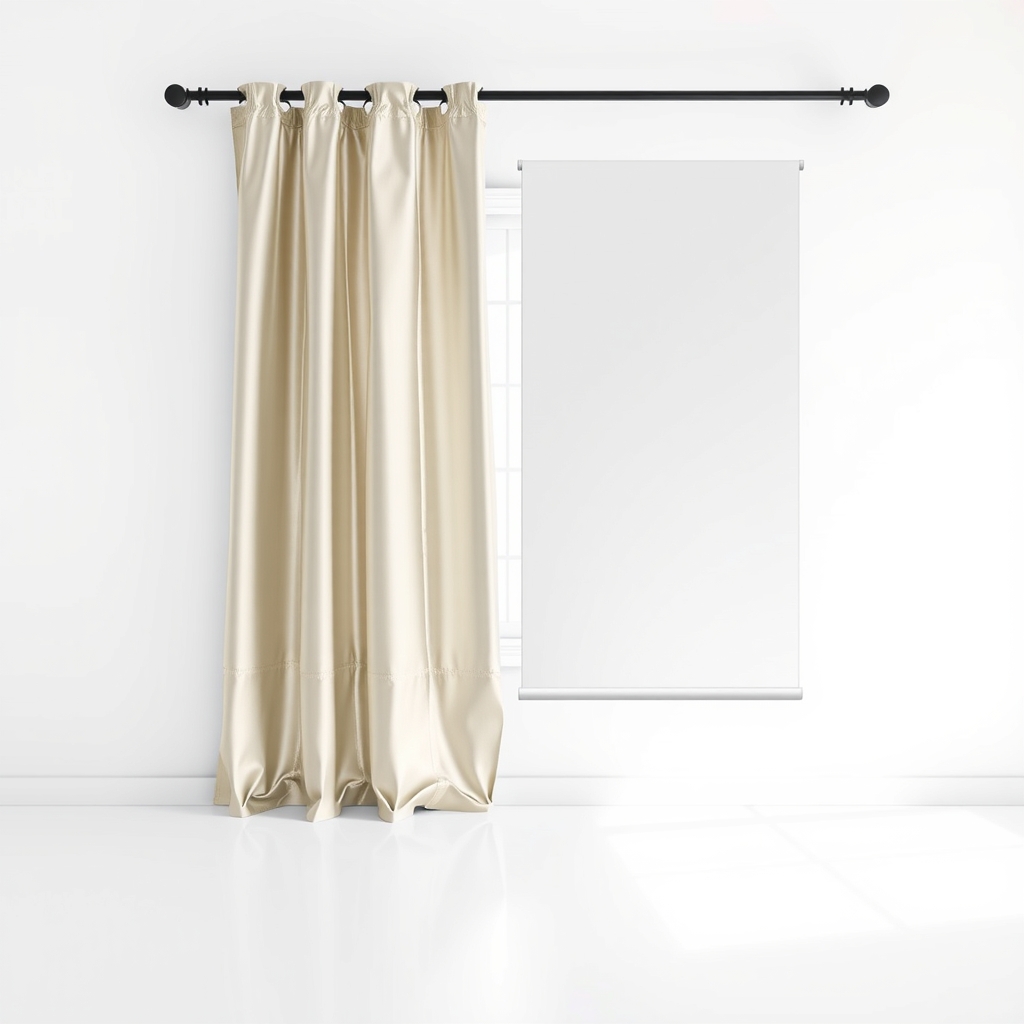
Reflective thermal blackout curtains
For a window that gets direct sun
- Our pick Illustration
Twin window fan with reversible airflow
One fan in, one out, sealed to the frame
Why it happens
Heat is coming in faster than the fan matters
Sunlight through glass, a hot roof and warm outside air all add heat. A fan circulating that heat does not remove it. Rooms with big west-facing windows or a roof directly above are the worst.
The fan only stirs the same hot air
In a closed room, a fan recirculates the same air. The motor even adds a small amount of heat of its own.
Heat sources inside the room
Electronics, lights, cooking and people all give off heat. A resting person gives off about as much as a 100-watt bulb.
Humid air
Sweat dries slowly in humid air, so the fan's cooling effect on your skin feels weak even when it is running.
Try this first (free)
Do these in order, starting with the simplest.
-
Check where the heat is coming from
Tool used: Room thermometerPut a thermometer in the room, away from the fan and the sun, and check the outdoor temperature in the shade. If the room is hotter than outside, heat is made or trapped inside, so cut indoor sources and push hot air out. If it is cooler but sticky, sun or humidity is the problem, so keep windows shut by day.
IllustrationCheck price on AmazonTool for this step
Room thermometer · Optional; a weather app covers the outdoor reading
-
Block the sun on the sunny side
Tool used: Blinds or curtainsClose blinds or curtains on any window that gets direct sun, before the room heats up. Reflective backing helps. Glass lets sunlight in but traps the heat it makes, so shading the outside of the window works best if you can reach it.
-
Turn the fan into an exhaust
Tool used: Box fanPut a fan in a window facing out, and open another window or door to a cooler room so replacement air comes in. Use this when it is cooler outside than inside, usually after sunset. Stuff a towel into the gap around the fan so hot air cannot slip back in.
-
Cut the heat made inside
Turn off unused electronics, swap old bulbs for LEDs, and cook or run the oven in the early morning. Even a charger or a console left on adds a steady trickle of heat to a small room.
When free fixes aren't enough
A box fan works, but it needs a towel around it and a hand to flip it. If you vent the room every night, a twin window fan gives you one fan in, one out and a snug fit. Reflective curtains help when the heat is sun coming through the glass. Neither helps when nights stay hot and humid, because outdoor air is not cooler and you just move warm air around. Once indoor air is in the 90s °F, a fan may not protect you.
Buy the fix
Still stuck after the free fixes? These are the products we would look at.
| Pick | Product | Fixes | Who it's for | Buy |
|---|---|---|---|---|
| Best pick | Twin window fan with reversible airflow | a hot room that needs outside air swapped for inside air | People in rooms with one or two windows who want to pull in cool night air and push hot air out. | Check price |
| Budget pick | Reflective thermal blackout curtains or foil-backed window shades | sunlight heating the room through the glass | Renters with a sunny window who need a cheap, no-install way to cut heat gain. | Check price |
Twin window fan with reversible airflow
Fixes: a hot room that needs outside air swapped for inside air
Look for: Two fans that can each push air in or out; Adjustable side panels that fit your window width; Multiple speeds.
- Who it's for
- People in rooms with one or two windows who want to pull in cool night air and push hot air out.
- Honest downside
- You live where the nights stay hot and humid. It will just move warm air. Also skip it if your window cannot be opened safely or has an AC unit.
Reflective thermal blackout curtains or foil-backed window shades
Fixes: sunlight heating the room through the glass
Look for: A reflective or foil-backed side that faces the window; Wide enough to cover the whole window.
- Who it's for
- Renters with a sunny window who need a cheap, no-install way to cut heat gain.
- Honest downside
- Your hot room has no direct sun. Then the heat is coming from somewhere else.
As an Amazon Associate I earn from qualifying purchases. We don't show prices because they change, so use the button to see today's price.
How we picked: How we picked: this page is based on heat-safety advice from health agencies, fan and window-fan manuals, and the problems and fixes people report in reviews. We do not test products by hand.
Three fan setups and when each works
- Exhaust at night: a fan in the window facing out, with another window open. Works when it is cooler outside than inside.
- Cross breeze: a fan at one window facing in, with a window open on the opposite side. Works in the evening on breezy days.
- Personal cooling: a fan aimed at you. Works for comfort in a warm room, but does not lower the temperature.
When a fan is not enough
Once the room is in the 90s °F, a fan may not protect you, especially if you are older, pregnant, have a health condition or are looking after a baby. Go somewhere cooler, drink water, and get medical help if anyone feels dizzy, confused or sick. Check on older neighbors.
What to skip
Small personal air coolers and fan-and-ice setups
These work by evaporating water, so they cool a little in dry air and add moisture in humid air. They do not cool a whole room. A fan alone is also a poor plan when it is above about 90°F indoors.
Frequently asked questions
Does a fan make a room hotter?
Does a ceiling fan cool a room?
Why is my room so hot compared with the rest of the house?
Related problems
As an Amazon Associate I earn from qualifying purchases. Affiliate disclosure