Garage Smells Musty? Fix the Moisture, Not Just the Smell
A musty garage means damp air and mildew. Clear the wet items and stop the leaks, then run a garage dehumidifier so the smell does not come back.
By Jamilur Rahman Updated November 5, 2026 · 7 min read
- Time
- 2 hours
- Cost
- $150+
- Difficulty
- Medium
In this guide
Quick answer
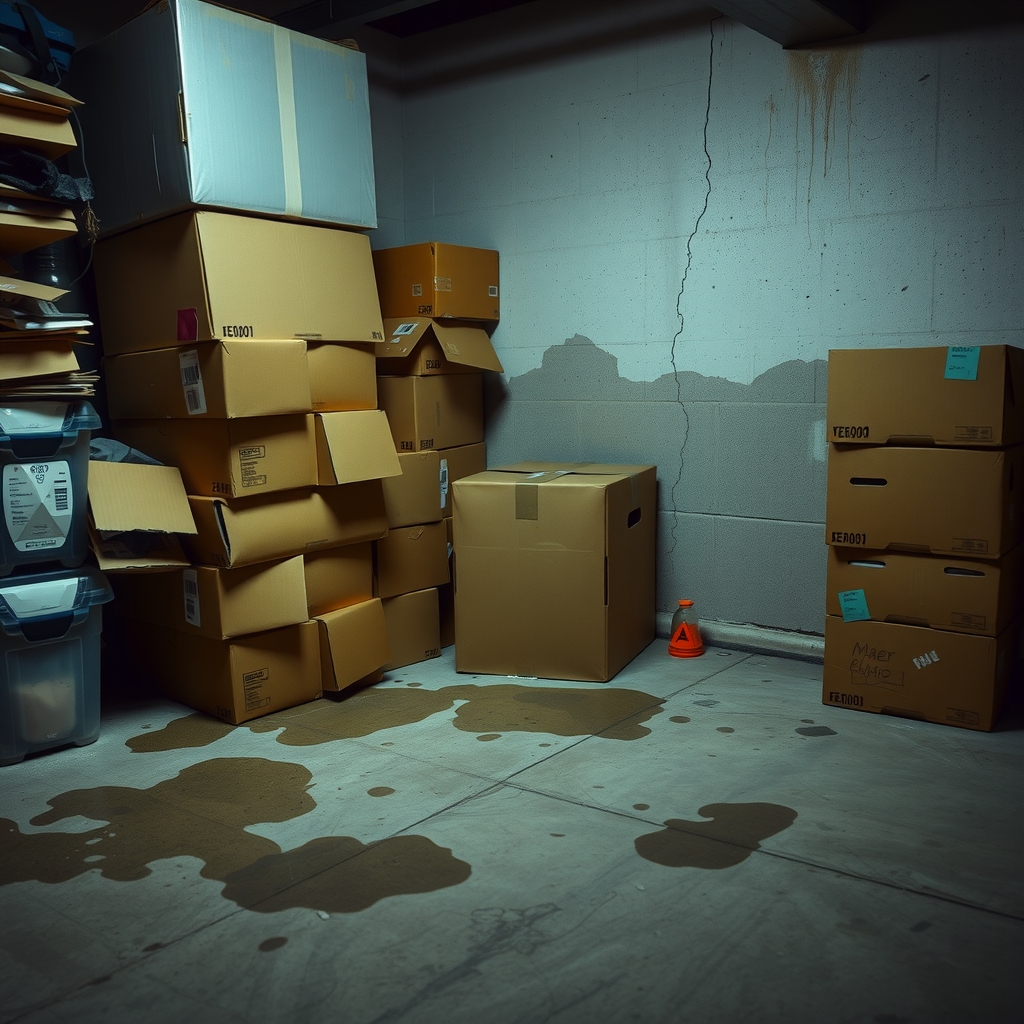
Why does your garage smell musty? Damp air lets mildew grow on concrete, cardboard, wood and stored gear, and the smell is the mildew. Clearing out wet items, scrubbing surfaces and fixing leaks removes it for now. Ventilating helps only on dry days. A garage dehumidifier with a drain hose keeps the humidity low all year, which is what stops the musty smell from coming back.
Free fix vs. permanent fix
Clear, clean and ventilate
- Throw out or dry moldy cardboard and soaked items
- Wash hard surfaces with soap and water
- Fix leaks at gutters, downspouts and the door seal
- Open the door on dry, breezy days
How long it lasts: Weeks, if the damp source is small. If the slab or the air stays humid, the smell is back after the next wet spell.
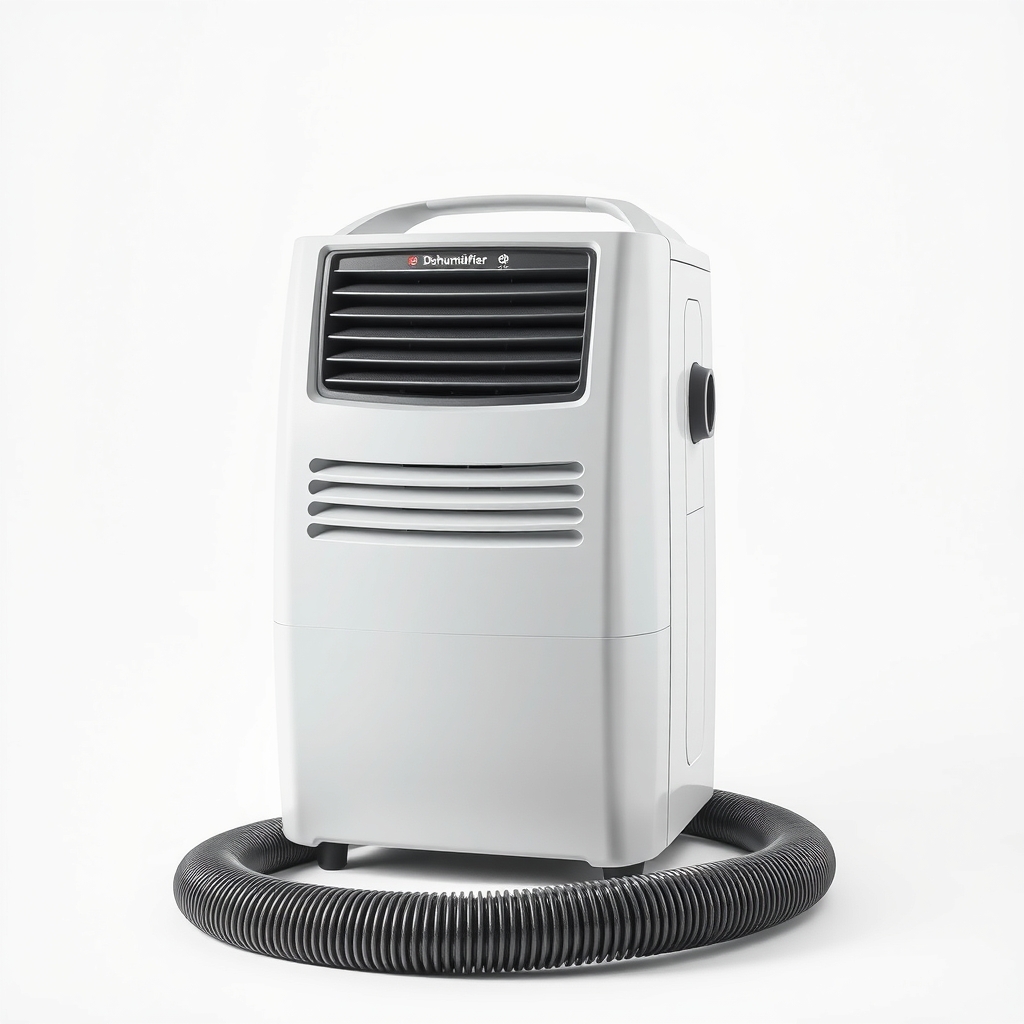
A garage dehumidifier with a drain hose
Airing out the garage helps on dry days, but on humid or rainy days it brings more moisture in. A dehumidifier pulls water out of the air all the time. With a drain hose it runs without a bucket to empty, so the dampness stays gone.
What to get: Garage dehumidifier with a continuous drain hose
How long it lasts: For as long as it runs. It holds the humidity down so mildew cannot restart.
As an Amazon Associate I earn from qualifying purchases.
What you'll need
-
Rubber gloves and a dust mask
For handling moldy items
You have it -
Bucket, scrub brush and dish soap
For washing the slab, shelves and tools
You have it - Illustration
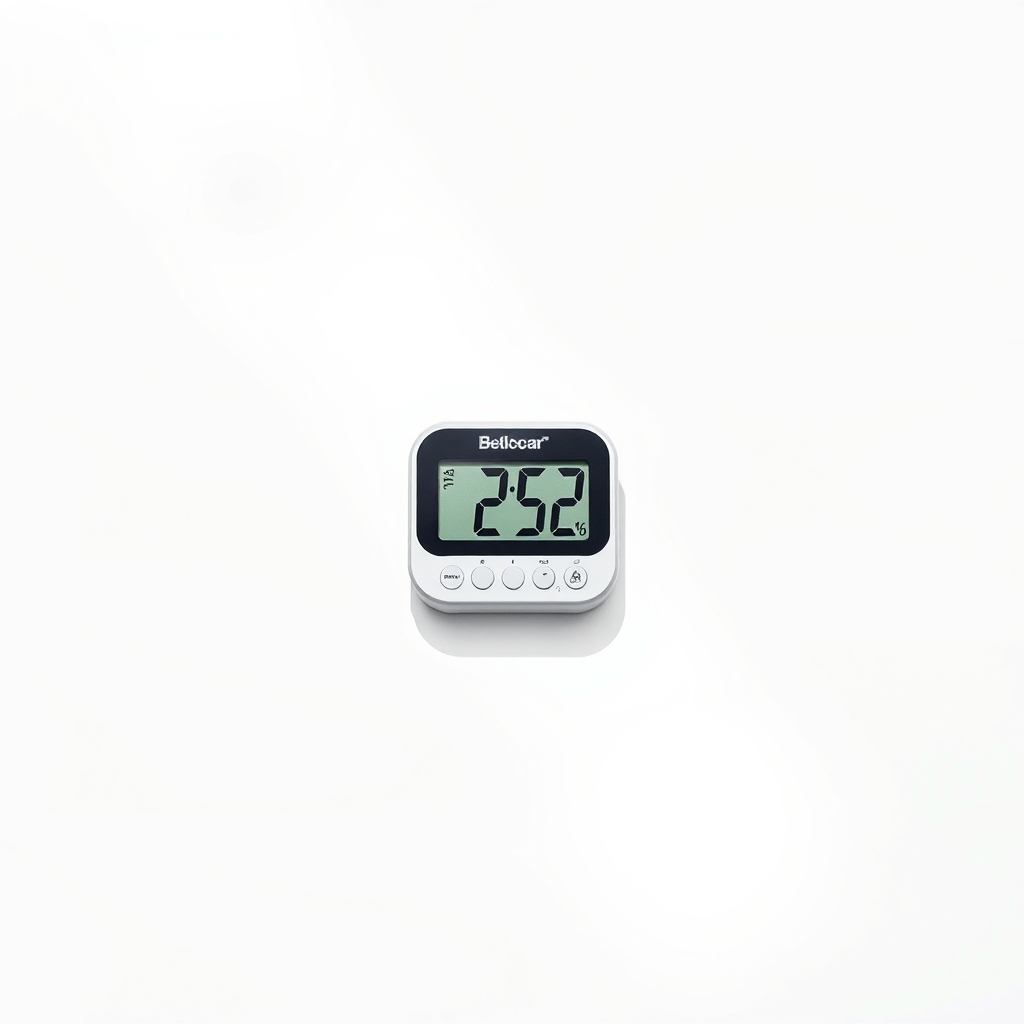
Digital hygrometer
Shows whether the humidity is over 60 percent
- Our pick Illustration
Garage dehumidifier with a drain hose
Low-temperature rated, with a continuous drain
- Illustration
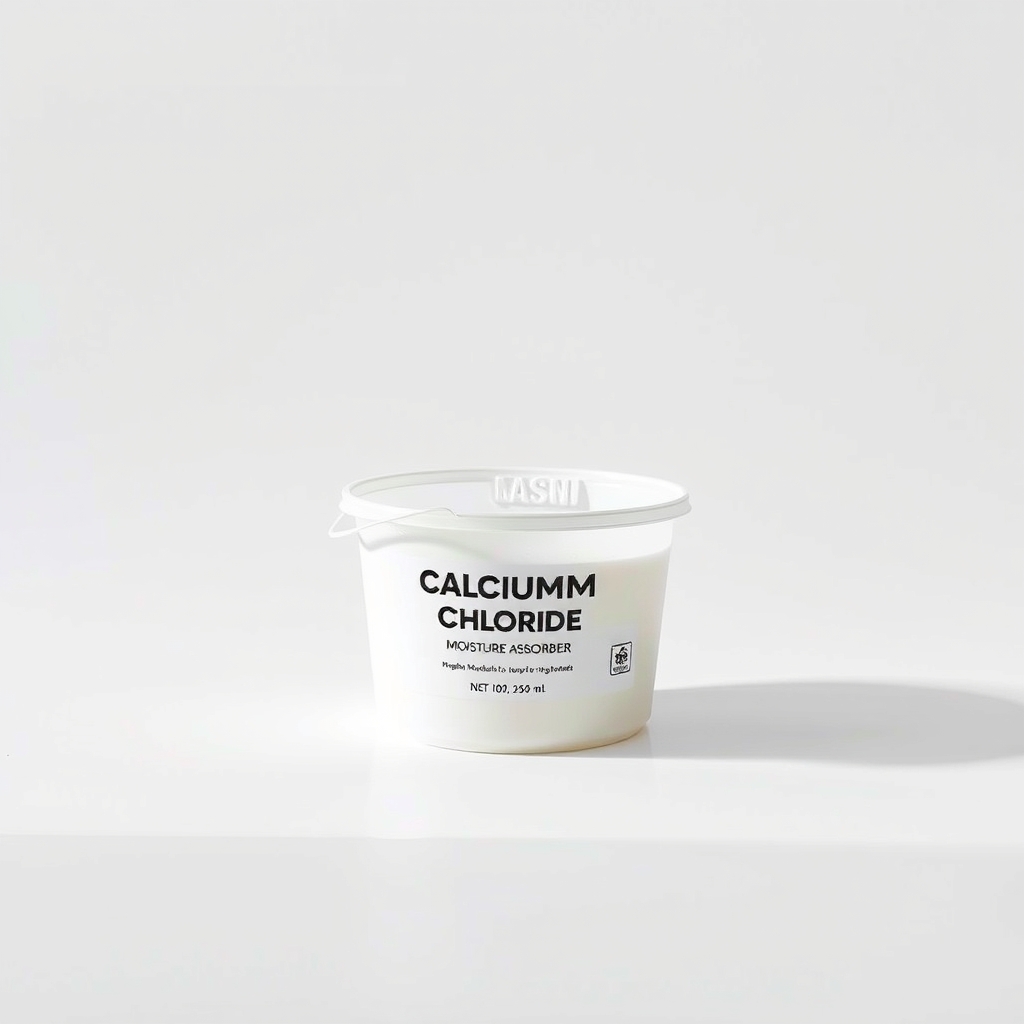
Calcium chloride moisture absorber tubs
For a cabinet or a tiny space, not a whole garage
- Illustration
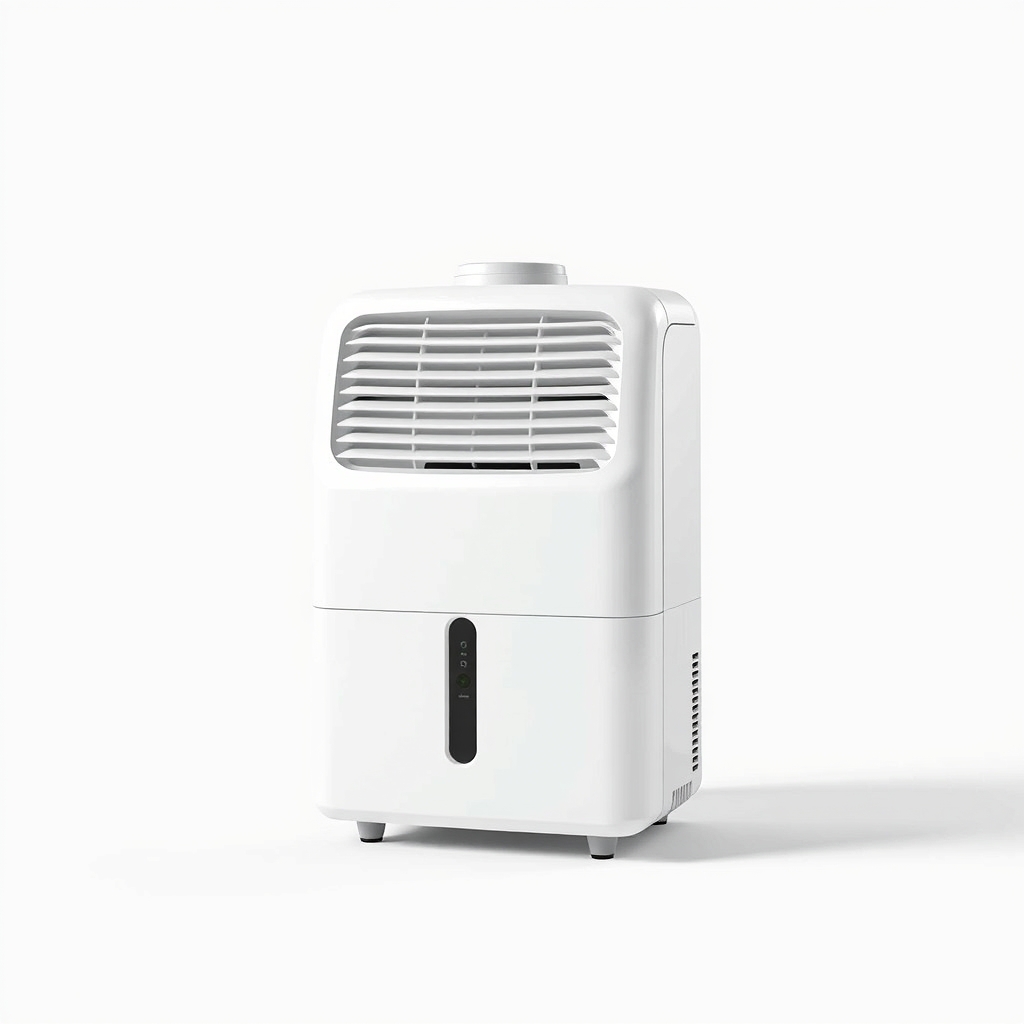
Dehumidifier with a built-in pump
For garages with no floor drain
Why it happens
Humid air and a damp slab
Concrete is porous and soaks up ground moisture. In humid weather it sweats, and the damp air feeds mildew on anything it touches.
Water coming in from outside
Clogged gutters, a downspout that empties at the wall, a worn door seal or a driveway that slopes toward the door push rainwater into the garage. That is why the smell is worst after rain.
Damp stuff stored inside
Cardboard boxes, old rags, wet tools, sports gear and tires hold moisture. Cardboard grows mildew first, and a wet car brings in more.
Poor airflow
A closed garage has no air movement, so damp air just sits. Boxes pushed against the wall block what little air moves.
Other smells that mimic mildew
Old paint, gas cans, trash, rodent droppings and a dry floor drain trap all smell stale. Check these before you blame mold.
Try this first (free)
Do these in order, starting with the simplest.
-
Find where the damp comes from
Look for stains, white powder on the concrete, wet corners and drips. Check the door seal, the gutters and the downspouts. A downspout should empty at least 4 to 6 feet from the foundation.
-
Take out the wet and moldy stuff
Tool used: Rubber gloves and a dust maskBag moldy cardboard and soft items you cannot clean. Move boxes off the floor and away from the walls. Wear gloves and a mask while you work.
-
Wash the surfaces
Tool used: Bucket, scrub brush and dish soapScrub the slab, shelves and tools with dish soap and water, rinse and let everything dry fully. Never mix cleaning products. The EPA says detergent and water is enough for most surface mold, and bleach is not needed.
-
Ventilate only on dry days
Open the door and a window on a dry, breezy day, and run a fan. Skip this on humid or rainy days, when outdoor air adds moisture.
-
Measure the humidity
Tool used: Digital hygrometerSet a hygrometer in the middle of the garage. Mildew grows when humidity stays above about 60 percent. If it is over 60 percent after cleaning, the air needs drying.
IllustrationCheck price on AmazonTool for this step
Digital hygrometer · Shows whether the humidity is over 60 percent
-
Run a dehumidifier
Tool used: Garage dehumidifier with a drain hoseLeave space around it, run its drain hose to a floor drain or outside, and set the humidistat near 50 percent. Check the reading again after a day.
IllustrationCheck price on AmazonTool for this step
Garage dehumidifier with a drain hose · Low-temperature rated, with a continuous drain
When free fixes aren't enough
Cleaning and airing out remove the smell for now, but they do not change the humidity. If the smell is back after the next wet week, or the hygrometer reads over 60 percent most days, the garage needs drying. A dehumidifier works on the rainy, humid days when ventilating makes things worse. Call a pro if mold covers a large area (the EPA's rule of thumb is about 10 square feet or more), grows on drywall or insulation, or follows sewage or flood water. If you smell gas, leave and call the gas company.
Buy the fix
Still stuck after the free fixes? These are the products we would look at.
| Pick | Product | Fixes | Who it's for | Buy |
|---|---|---|---|---|
| Best pick | Garage dehumidifier with a continuous drain hose | damp air that grows mildew and a musty smell | A garage that stays humid, smells musty after rain or has a slab that sweats. | Check price |
| Budget pick | Calcium chloride moisture absorber tubs | damp air in a cabinet, a storage closet or a very small space | A single cabinet, a shed corner or a tiny garage. | Check price |
| Upgrade pick | Dehumidifier with a built-in pump | no floor drain to run a gravity hose to | A garage with no floor drain or a drain higher than the unit. | Check price |
Garage dehumidifier with a continuous drain hose
Fixes: damp air that grows mildew and a musty smell
Look for: A drain hose connection, so there is no bucket to empty; A low-temperature rating or auto-defrost, since many models stop working in the cold; A capacity that suits your garage size on the maker's chart; An adjustable humidistat.
- Who it's for
- A garage that stays humid, smells musty after rain or has a slab that sweats.
- Honest downside
- Water is leaking in. Fix the leak first. Also check the unit's minimum temperature against your winters.
Calcium chloride moisture absorber tubs
Fixes: damp air in a cabinet, a storage closet or a very small space
Look for: A collection tray that holds the liquid; A size rated for the space you put it in; A leak-resistant container.
- Who it's for
- A single cabinet, a shed corner or a tiny garage.
- Honest downside
- You want to dry a whole garage. They hold a limited amount of water and cannot keep up.
Dehumidifier with a built-in pump
Fixes: no floor drain to run a gravity hose to
Look for: A pump that lifts water up and out through a hose; Low-temperature operation; A humidistat and a clear display.
- Who it's for
- A garage with no floor drain or a drain higher than the unit.
- Honest downside
- You already have a floor drain next to the unit. A gravity-drain model costs less.
As an Amazon Associate I earn from qualifying purchases. We don't show prices because they change, so use the button to see today's price.
How we picked: How we picked: this page is based on EPA mold and moisture guidance, dehumidifier maker manuals, home-repair guides for damp garages, and what owners report in reviews. We do not test products by hand.
Smells that are not mildew
- Gasoline or fuel: remove the source, ventilate and keep sparks away.
- Skunk: see the related page on cutting that odor.
- Sewer or drain smell: a dry floor drain trap. Pour in a bucket of water.
- Rotten eggs: a possible gas leak. Leave and call the gas company.
Never run a car or any engine in a closed garage. Carbon monoxide builds up fast.
What to skip
Air fresheners and bleach sprays
Fragrance masks the smell for a day while the mildew keeps growing. Bleach does not reach the roots of mold in wood or cardboard, and the fumes are harsh in a closed garage. Remove the damp and the moldy items, then dry the air.
Frequently asked questions
Why does my garage smell musty after rain?
How do I get rid of garage odor, a bad garage smell or a mildew smell?
How do I get rid of an old garage smell?
Why does my garage smell even when it is not damp?
How damp is too damp for a garage?
Related problems
 Free fix inside
Outdoor & Garage · Garage Flooding
Garage Floods When It Rains? A Threshold Seal Is Step One
Read the fix Free fix inside
Outdoor & Garage · Garage Smell
Garage Drain Smell? A Dry Trap Is the Likely Culprit
Read the fix Free fix inside
Outdoor & Garage · Garage Smell
Garage Smells Like Skunk? What Actually Cuts the Odor
Read the fix Free fix inside
Outdoor & Garage · Garage Heat
Garage Too Hot? Start With the Door, Not the Air Conditioner
Read the fixAs an Amazon Associate I earn from qualifying purchases. Affiliate disclosure