Garden Hose Valve Leaking or Stuck? Swap in a Ball Valve
A hose valve that drips or sticks is usually worn washers or mineral grit. Try the free fixes, then fit a quarter-turn brass ball valve that lasts.
By Jamilur Rahman Updated November 5, 2026 · 6 min read
- Time
- 10 min
- Cost
- Under $20
- Difficulty
- Easy
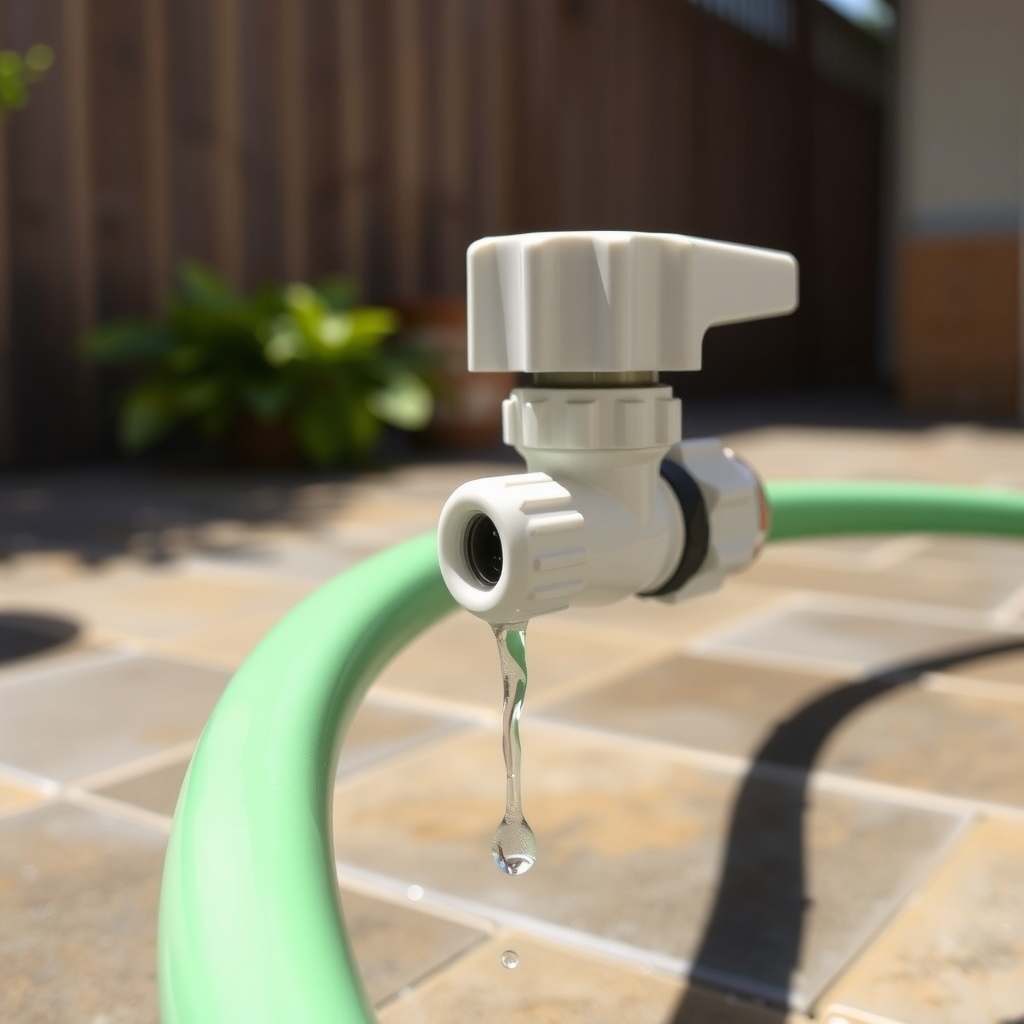
In this guide
Quick answer
To fix a garden hose valve, find out whether it leaks at the threads, leaks at the handle, or will not turn. Worn rubber washers cause a leak at the ends, and mineral crust or a dry stem cause a stuck handle. Both are cheap to try. A cracked body or a worn stem seal cannot be repaired, and a brass quarter-turn ball valve is the replacement that stays tight for years.
Free fix vs. permanent fix
Wash, grease and re-seal
- Turn off the water and unscrew the valve
- Replace the washers and clean the threads
- Soak a stuck valve in vinegar, then work the handle
- Rub a little silicone grease on the stem
How long it lasts: A season, if the body is sound. A cracked body, a stripped handle or a leak at the stem will not stay fixed.
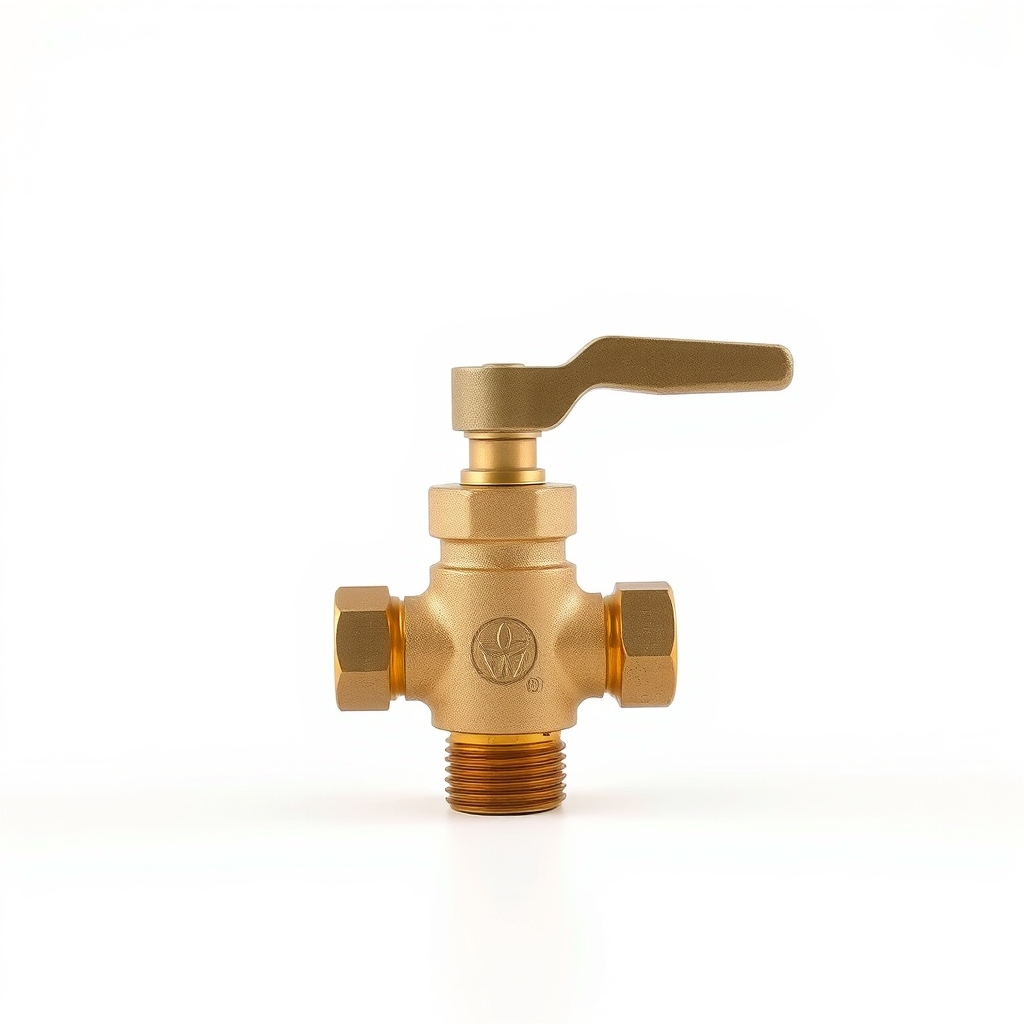
A brass quarter-turn ball valve
Plastic and cheap zinc valves wear out, seize up with minerals and crack in the sun or after a freeze. A brass ball valve has a simple quarter-turn design with fewer parts to fail, so it opens and closes cleanly and keeps a tight seal.
What to get: Brass hose shut-off ball valve
How long it lasts: Years. A ball valve seals with a solid ball and seat, and brass resists cracking and sun damage.
As an Amazon Associate I earn from qualifying purchases.
What you'll need
-
Rag and adjustable pliers
To grip a stuck valve body without marring it
You have it -
White vinegar
Dissolves mineral crust on a stuck stem
You have it - Illustration
Silicone grease
A thin film on the stem helps it turn and seal
- Illustration
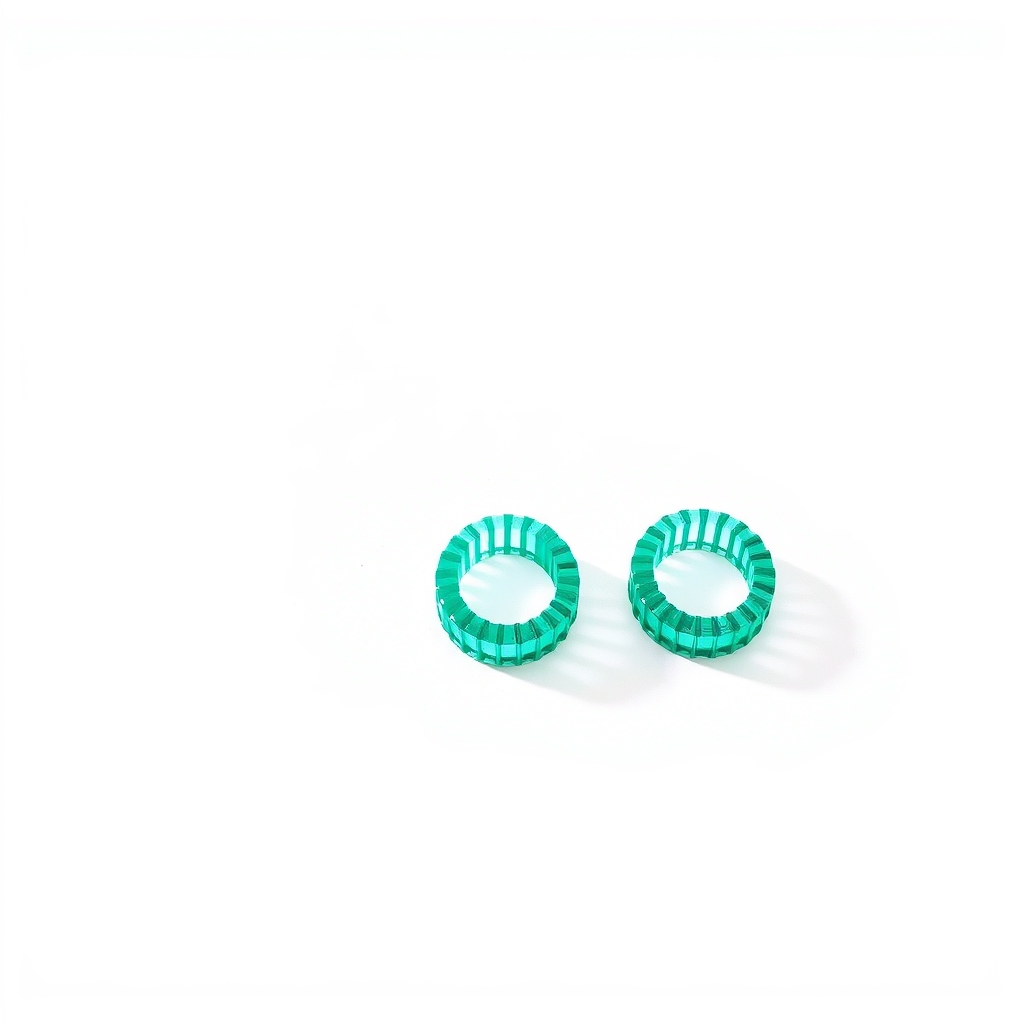
Hose washers
A multi-pack of flat rubber washers
- Our pick Illustration
Brass hose shut-off ball valve
Standard 3/4-inch hose threads, quarter-turn handle
- Illustration
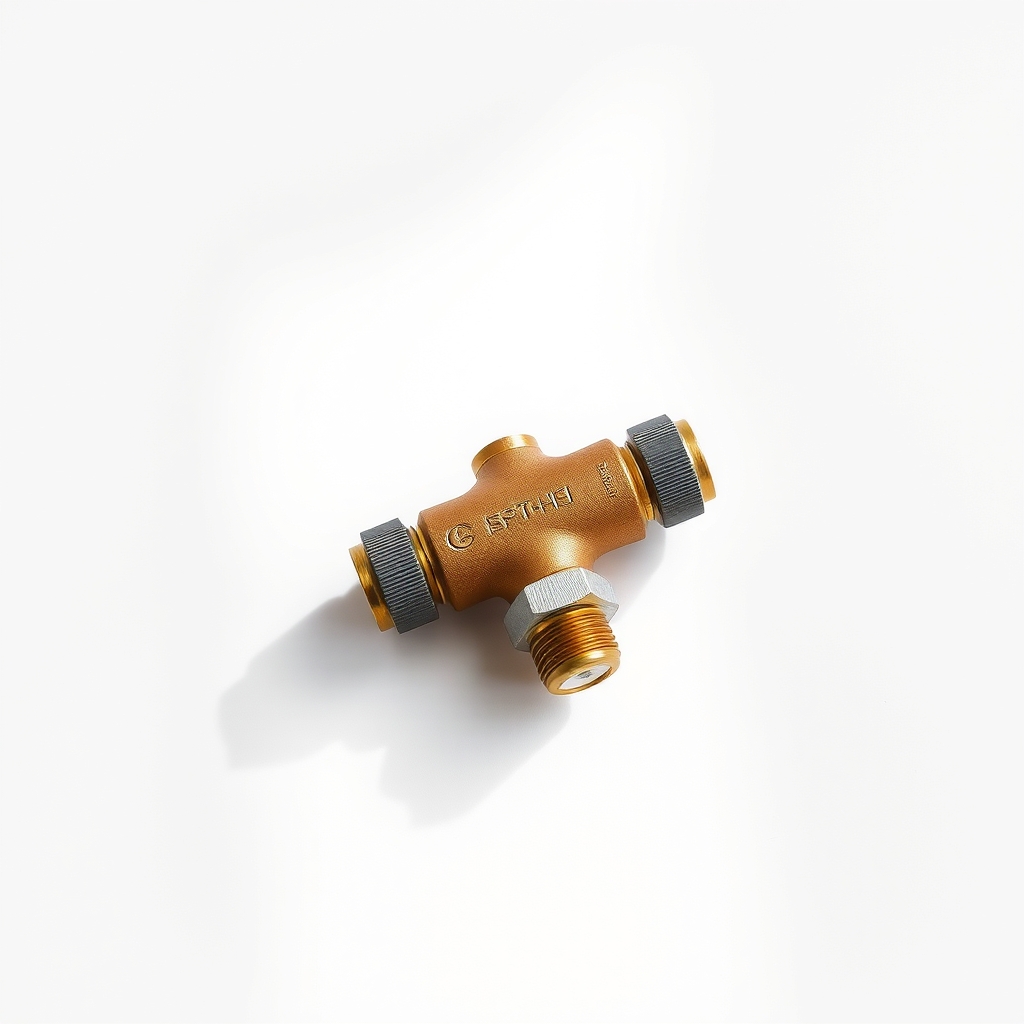
Two-way brass hose splitter
Two outlets, each with its own shut-off
Why it happens
Worn washers at the threads
A hose valve seals on a rubber washer at each end. Flattened or missing washers leak where the valve meets the faucet, the hose or the nozzle.
A worn stem seal or O-ring
Dripping from around the handle means the seal around the stem has worn out. Plastic and soft-metal valves wear faster than brass.
Mineral build-up and grit
Hard water leaves crust on the stem and the ball. The handle gets stiff or stuck, and the valve may not close all the way.
Freeze damage or sun cracks
Water left in a closed valve over winter expands and cracks the body. Plastic also turns brittle after seasons in the sun.
Try this first (free)
Do these in order, starting with the simplest.
-
Shut off the water and free the valve
Tool used: Rag and adjustable pliersClose the faucet and open the valve to drain the hose. Unscrew the valve by hand. If it is stuck, grip the body with a rag and pliers and turn gently. Do not twist the handle.
-
Replace the washers
Tool used: Hose washersPick the old washer out of each female end, press new ones in flat and hand-tighten. A leak at a connection is nearly always this.
IllustrationCheck price on AmazonTool for this step
Hose washers · A multi-pack of flat rubber washers
-
Free a stuck handle
Tool used: White vinegarSoak the valve in white vinegar for an hour to dissolve mineral crust. Rinse it, then work the handle back and forth until it moves smoothly.
-
Grease the stem
Tool used: Silicone greaseWipe the stem dry and rub on a thin film of silicone grease. It lets the valve turn easily and helps the stem seal hold.
IllustrationCheck price on AmazonTool for this step
Silicone grease · A thin film on the stem helps it turn and seal
-
Replace the valve if the body is cracked or the handle strips
Tool used: Brass hose shut-off ball valveFit a brass ball valve with a fresh washer at each end and hand-tighten. When the handle lines up with the valve, it is open. Turn it a quarter turn across the valve to close it.
IllustrationCheck price on AmazonTool for this step
Brass hose shut-off ball valve · Standard 3/4-inch hose threads, quarter-turn handle
When free fixes aren't enough
Washers and grease fix leaks at the connections and a sticky stem. They do not fix a cracked body, a stripped plastic handle or a ball that no longer seals. If the valve still drips from the handle after a good clean, or you replace one every season, switch to brass. Also check that the water is not coming from the outdoor faucet itself. A dripping spigot handle is a different repair, and the related pages cover it.
Buy the fix
Still stuck after the free fixes? These are the products we would look at.
| Pick | Product | Fixes | Who it's for | Buy |
|---|---|---|---|---|
| Best pick | Brass hose shut-off ball valve | a hose valve that leaks, sticks or cracks | Anyone replacing a worn plastic valve, or adding a shut-off at the spigot. | Check price |
| Budget pick | Garden hose washers, multi-pack | a leak at the threads of an otherwise sound valve | A valve with a good body that just drips at a connection. | Check price |
| Upgrade pick | Two-way brass hose splitter with shut-offs | one worn spigot taking every on and off, and the trip back to the faucet | Anyone who runs two hoses, or a hose and a sprinkler, from one spigot. | Check price |
Brass hose shut-off ball valve
Fixes: a hose valve that leaks, sticks or cracks
Look for: A solid brass body; Standard 3/4-inch garden hose threads at both ends; A quarter-turn handle with a firm stop; Rubber washers fitted at both ends.
- Who it's for
- Anyone replacing a worn plastic valve, or adding a shut-off at the spigot.
- Honest downside
- You need it for drinking water, such as an RV tank, and the listing does not say it is drinking-water safe or lead-free.
Garden hose washers, multi-pack
Fixes: a leak at the threads of an otherwise sound valve
Look for: Flat, soft rubber; Sized for standard 3/4-inch hose threads; A multi-pack, so you have spares.
- Who it's for
- A valve with a good body that just drips at a connection.
- Honest downside
- The leak is at the handle or the body is cracked.
Two-way brass hose splitter with shut-offs
Fixes: one worn spigot taking every on and off, and the trip back to the faucet
Look for: A solid brass body; A separate valve for each outlet; Handles you can turn with wet hands; Rubber washers fitted.
- Who it's for
- Anyone who runs two hoses, or a hose and a sprinkler, from one spigot.
- Honest downside
- You only run one hose. A single valve costs less.
As an Amazon Associate I earn from qualifying purchases. We don't show prices because they change, so use the button to see today's price.
How we picked: How we picked: this page is based on garden hose and faucet care guides, valve maker instructions, and the problems and fixes people report in owner reviews. We do not test products by hand.
Valve, spigot or hose: which part is leaking?
- Drip at the valve's handle: stem seal. Replace the valve.
- Drip where the valve meets the hose or faucet: the washer.
- Drip at the faucet handle on the wall: the spigot, not the valve.
- Water from the hose end: the nozzle or the hose fitting.
How a ball valve works
Inside is a ball with a hole through it. Turn the handle a quarter turn and the hole either lines up with the water path (open) or turns sideways (closed). There is no screw-down washer to wear out the way an old-style valve has. If the handle is in line with the valve, it is open. If it is across, it is closed.
What to skip
Thread tape and a wrench on hose threads
A garden hose thread seals on its rubber washer, so thread tape does little there. Cranking on a wrench flattens the washer and can crack a plastic body. Hand-tight with a good washer is what seals.
Frequently asked questions
Why is my garden hose valve leaking at the handle?
How do I free a stuck garden hose valve?
Can I leave a shut-off valve on the spigot all winter?
Is a brass ball valve safe for drinking water?
Related problems
 Free fix inside
Outdoor & Garage · Hose Connection
Garden Hose Leaking at the Connection? Start With a Cheap Washer
Read the fix Free fix inside
Outdoor & Garage · Outdoor Faucet
Garden Faucet Leaking? A New Washer Usually Does It
Read the fix Free fix inside
Outdoor & Garage · Outdoor Faucet
Garden Hose Valve for Winter: Shut It Off and Cover the Spigot
Read the fix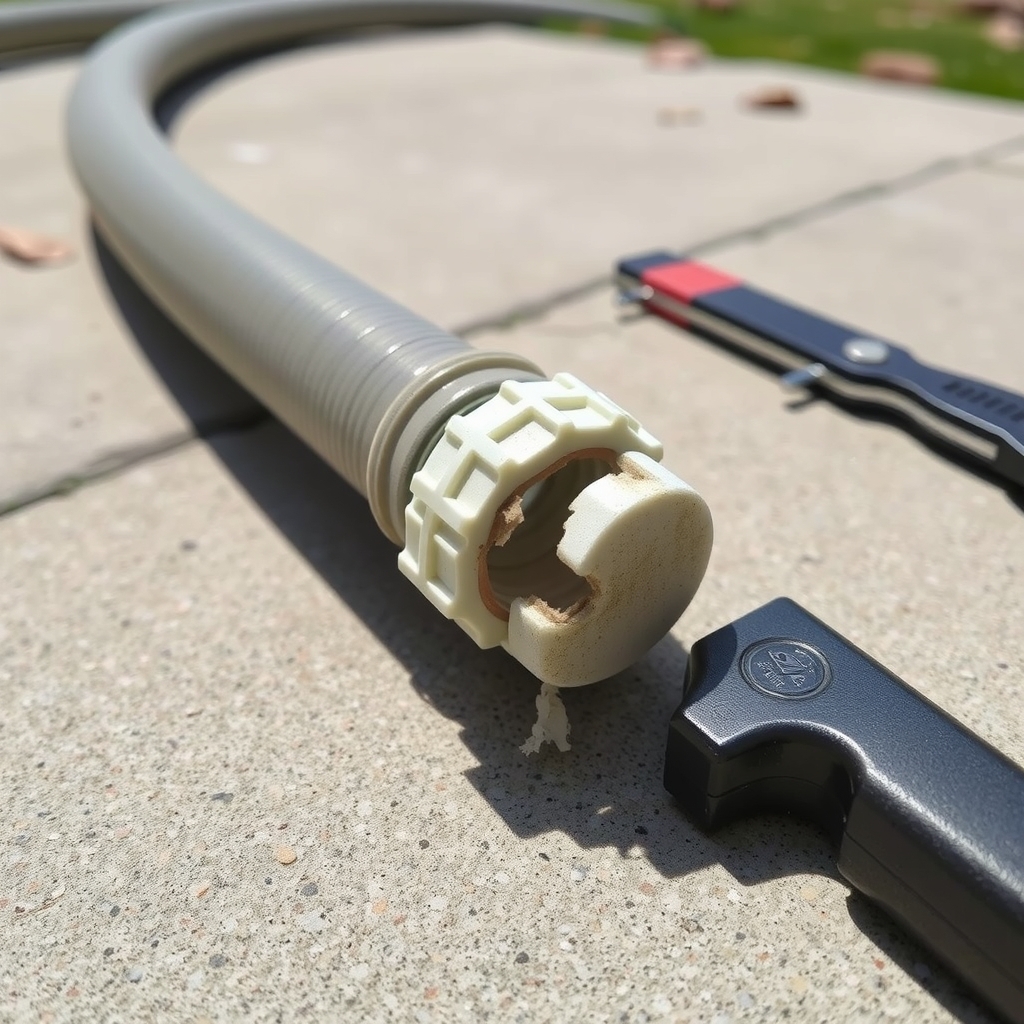 Free fix inside
Outdoor & Garage · Hose Fittings
Garden Hose End Broken or Stripped? Replace the Fitting
Read the fixAs an Amazon Associate I earn from qualifying purchases. Affiliate disclosure