Garden Hose End Broken or Stripped? Replace the Fitting
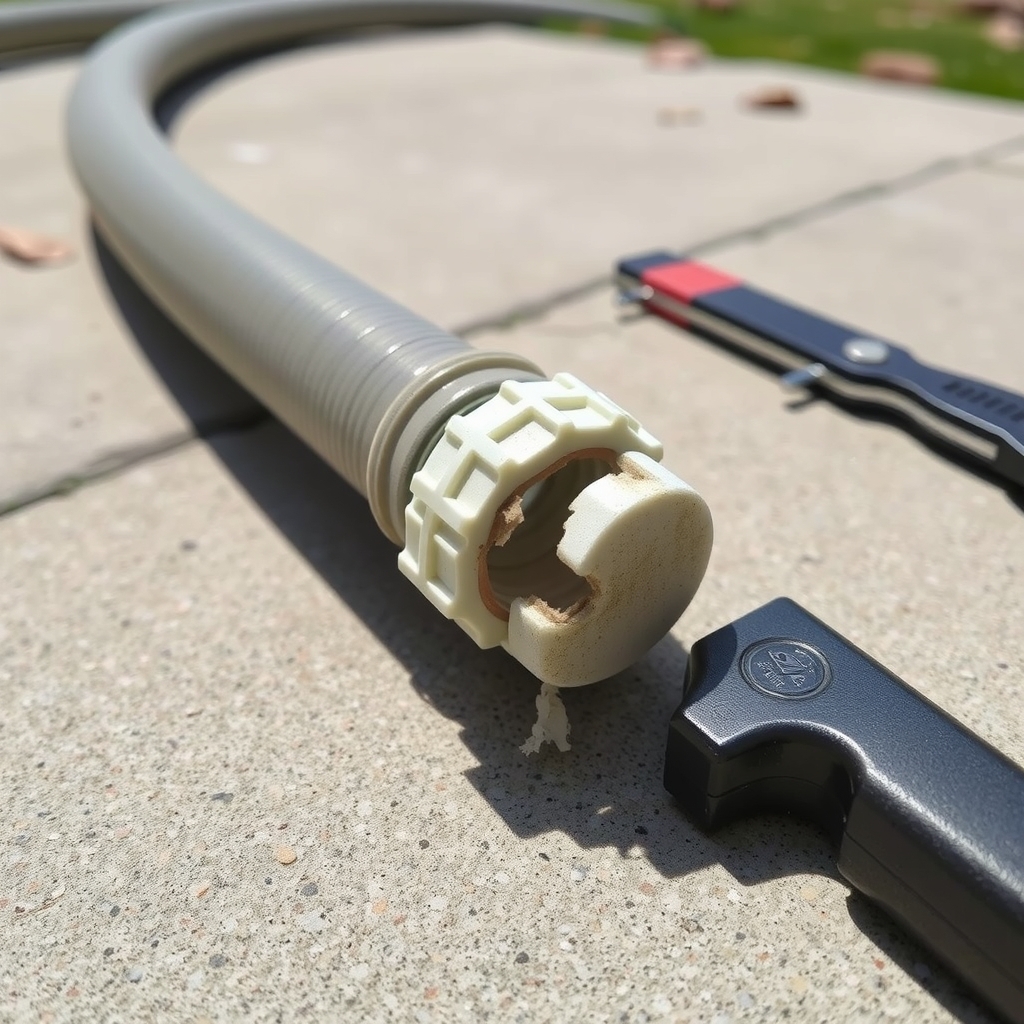
A stripped, cracked or crushed hose end cannot be repaired. Cut it off, clamp on a brass repair fitting and keep the hose you already own.
By Jamilur Rahman Updated November 5, 2026 · 6 min read
- Time
- 15 min
- Cost
- Under $20
- Difficulty
- Easy
In this guide
Quick answer
To fix a garden hose end, cut off the broken or stripped fitting and clamp on a new brass repair end. The hose is usually fine and only the fitting has failed. Stripped threads and crushed couplings cannot be repaired, so the free steps here are prep: a clean square cut, the right hose size and a warm end. The brass fitting does the real repair and costs far less than a new hose.
Free fix vs. permanent fix
Trim the hose and measure it
- Cut the damaged end off with a clean, square cut
- Check the hose for splits and kinks further back
- Measure the hose's inner diameter
- Keep the hose, since only the end has failed
How long it lasts: These steps only prepare the hose. A cut-off end still needs a new fitting to connect to anything.
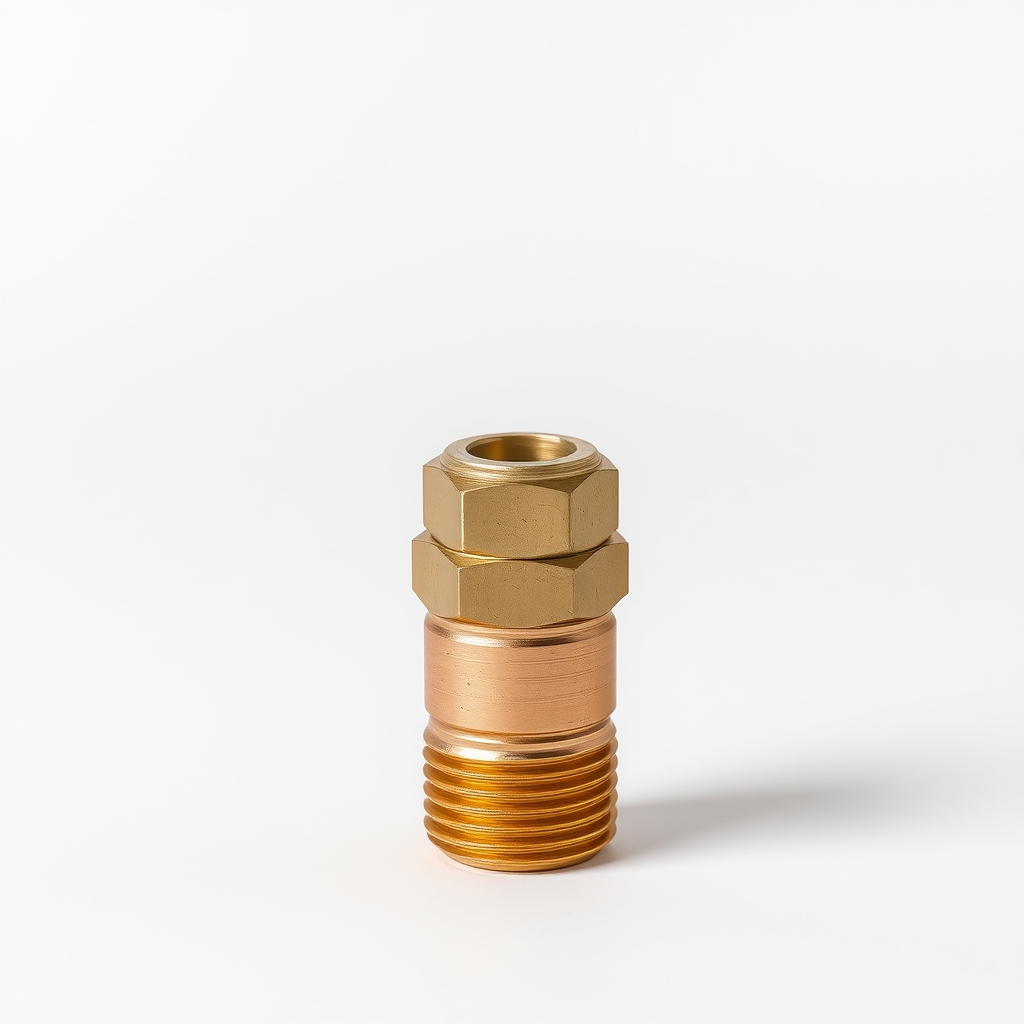
A brass hose end repair fitting
The hose is usually fine. It is the end that fails. Cutting off the damaged part and clamping on a new brass end costs a fraction of a new hose, and brass threads survive being screwed on and off for years.
What to get: Brass hose end repair fitting
How long it lasts: Years. Brass does not crack in the sun or strip like plastic, and it clamps onto the hose itself.
As an Amazon Associate I earn from qualifying purchases.
What you'll need
-
Utility knife or pruners
For a clean, square cut
You have it -
Tape measure or ruler
To measure the hose's inner diameter
You have it -
Screwdriver
Tightens the clamp on the new fitting
You have it -
Hot tap water
Softens a stiff hose end so the barb slides in
Free - Our pick Illustration
Brass hose end repair fitting
Male or female end, sized to your hose
- Illustration
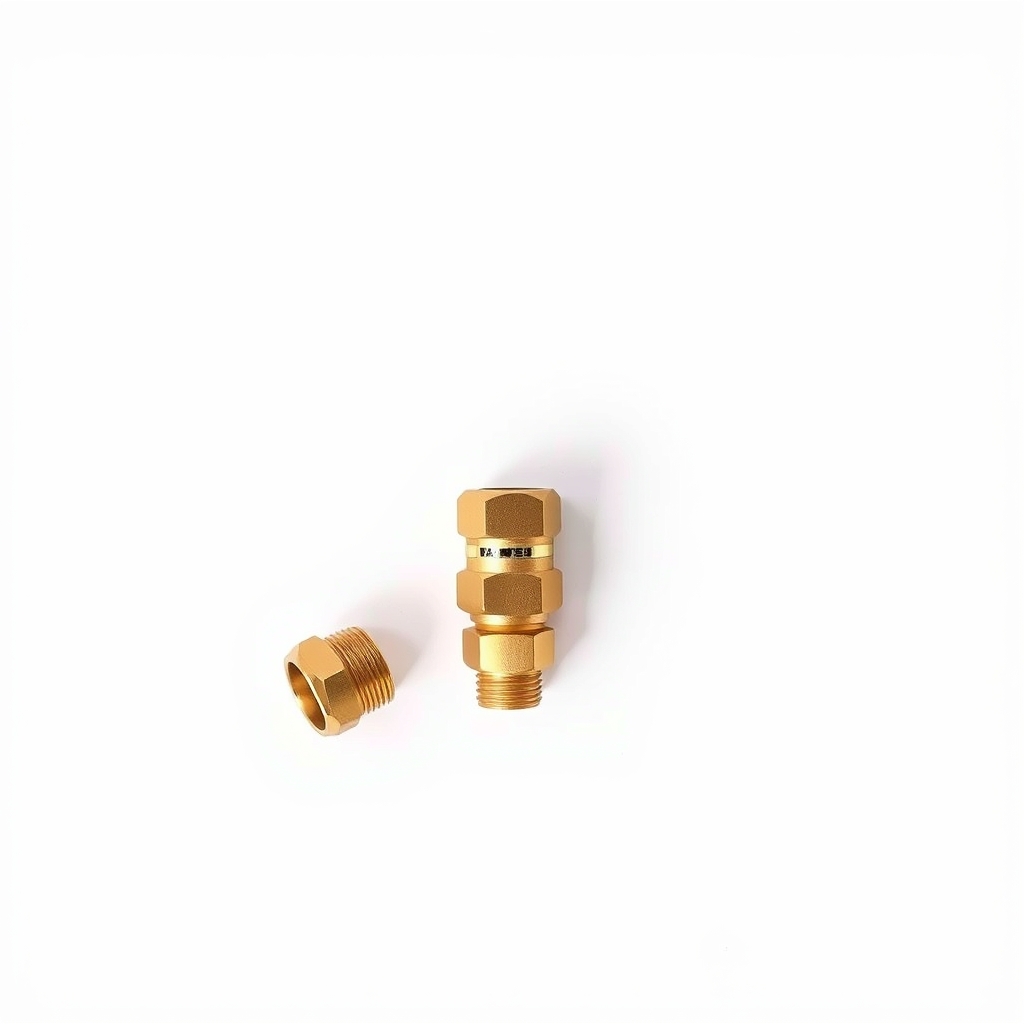
Brass quick-connect hose set
For hoses where you swap nozzles and sprinklers often
Why it happens
Cross-threaded or over-tightened
Forcing a connection on crooked, or cranking it with pliers, strips the threads. Plastic and thin aluminum strip first.
Crushed by a mower or a car
A hose end that gets run over or stepped on bends the collar and splits the plastic. The hose itself usually survives.
Pulled off the barb
Yanking the hose by its length pulls the end out of the fitting and tears the hose around the barb.
Sun and freeze damage
Plastic fittings turn brittle in the sun. Water left in a coupling freezes, expands and cracks it.
Try this first (free)
Do these in order, starting with the simplest.
-
Drain the hose and cut off the damaged end
Tool used: Utility knife or prunersTurn off the water and let the hose drain. Cut the hose square, a half inch or more past the damage, so what is left is clean and round. A sharp knife on a board works, and hose cutters give a cleaner cut.
-
Measure the inside diameter
Tool used: Tape measure or rulerRepair fittings are sold by the hose's inner diameter, not by thread. Common sizes are 1/2, 5/8 and 3/4 inch. Check the printing on the hose, or measure across the cut opening.
-
Warm the hose end if it is stiff
Tool used: Hot tap waterDip the cut end in hot tap water for a minute so the vinyl softens. A soft end slides onto the barb without a fight.
-
Fit the new end
Tool used: Brass hose end repair fittingLoosen the clamp or collar, push the barb in until the hose butts against the shoulder, slide the clamp over the hose and tighten it with a screwdriver until snug. Do not crush the hose. It should not twist or pull off by hand.
IllustrationCheck price on AmazonTool for this step
Brass hose end repair fitting · Male or female end, sized to your hose
-
Test it and check the washer
Tool used: ScrewdriverScrew the end on by hand and turn the water on slowly. Look for drips at the clamp and at the thread. Add a fresh rubber washer if the old one is flat.
When free fixes aren't enough
There is no free fix for stripped threads or a crushed fitting. The broken end has to be replaced, and the free steps only prepare the hose. If the hose is split, bulging or badly kinked for a foot or more past the end, cut off more or buy a new hose. A repair end only helps a hose that is still sound. If you have replaced the same end more than once, brass quick-connects save repeat repairs.
Buy the fix
Still stuck after the free fixes? These are the products we would look at.
| Pick | Product | Fixes | Who it's for | Buy |
|---|---|---|---|---|
| Best pick | Brass hose end repair fitting | a broken, stripped or crushed hose end | Anyone with a good hose and one ruined end. | Check price |
| Upgrade pick | Brass quick-connect hose fitting set | threads that strip from screwing on and off again and again | Anyone who swaps nozzles and sprinklers often. | Check price |
Brass hose end repair fitting
Fixes: a broken, stripped or crushed hose end
Look for: A brass body and a brass or stainless clamp, not plastic; Sized for your hose's inner diameter; The male or female end that matches the one you broke; A rubber washer included in the female end.
- Who it's for
- Anyone with a good hose and one ruined end.
- Honest downside
- The hose is split along its length or badly kinked. Buy a new hose.
Brass quick-connect hose fitting set
Fixes: threads that strip from screwing on and off again and again
Look for: Brass connectors, with a barbed end sized to your hose; Both male and female ends in the set; A rubber washer or O-ring that seals when snapped together; A firm, easy lock.
- Who it's for
- Anyone who swaps nozzles and sprinklers often.
- Honest downside
- You rarely change what is on the end of the hose. A plain repair end costs less.
As an Amazon Associate I earn from qualifying purchases. We don't show prices because they change, so use the button to see today's price.
How we picked: How we picked: this page is based on garden hose repair guides, fitting maker instructions, and the problems and fixes people report in owner reviews. We do not test products by hand.
Male or female end: which one do you need?
The end that screws onto the faucet is the female end, with threads inside. The end that takes a nozzle or a sprinkler is the male end, with threads outside. Buy the one that matches the end you broke.
Which hose size do you have?
- 1/2 inch: light garden hoses.
- 5/8 inch: the most common home hose.
- 3/4 inch: heavy-duty and high-flow hoses.
If you are unsure, measure the inside of the cut end and pick the nearest size.
What to skip
Tape, glue and clamps over a cracked end
Tape and glue on a cracked plastic end fail under water pressure. A hose clamp tightened over a crushed fitting cuts into the hose. Cut the damaged end off and replace it, rather than patching it.
Frequently asked questions
How do I fix a stripped garden hose end?
What size repair end do I need?
Can I fix a hose end without cutting the hose?
Why does my new end still leak?
Related problems
 Free fix inside
Outdoor & Garage · Hose Connection
Garden Hose Leaking at the Connection? Start With a Cheap Washer
Read the fix Free fix inside
Outdoor & Garage · Garden Hose
Hole in the Garden Hose? Mend It for Less Than a New Hose
Read the fix Free fix inside
Outdoor & Garage · Hose Connection
Garden Hose Popping Off? Quick-Connect Fittings Hold Tight
Read the fix Free fix inside
Outdoor & Garage · Garden Hose
Garden Hose Valve Leaking or Stuck? Swap in a Ball Valve
Read the fixAs an Amazon Associate I earn from qualifying purchases. Affiliate disclosure