Garden Hose Leaking at the Connection? Start With a Cheap Washer
A leak where the hose meets the faucet is almost always a flat, dry or missing rubber washer. Swap it in minutes and hand-tighten.
By Jamilur Rahman Updated November 5, 2026 · 6 min read
- Time
- 5 min
- Cost
- Under $20
- Difficulty
- Easy
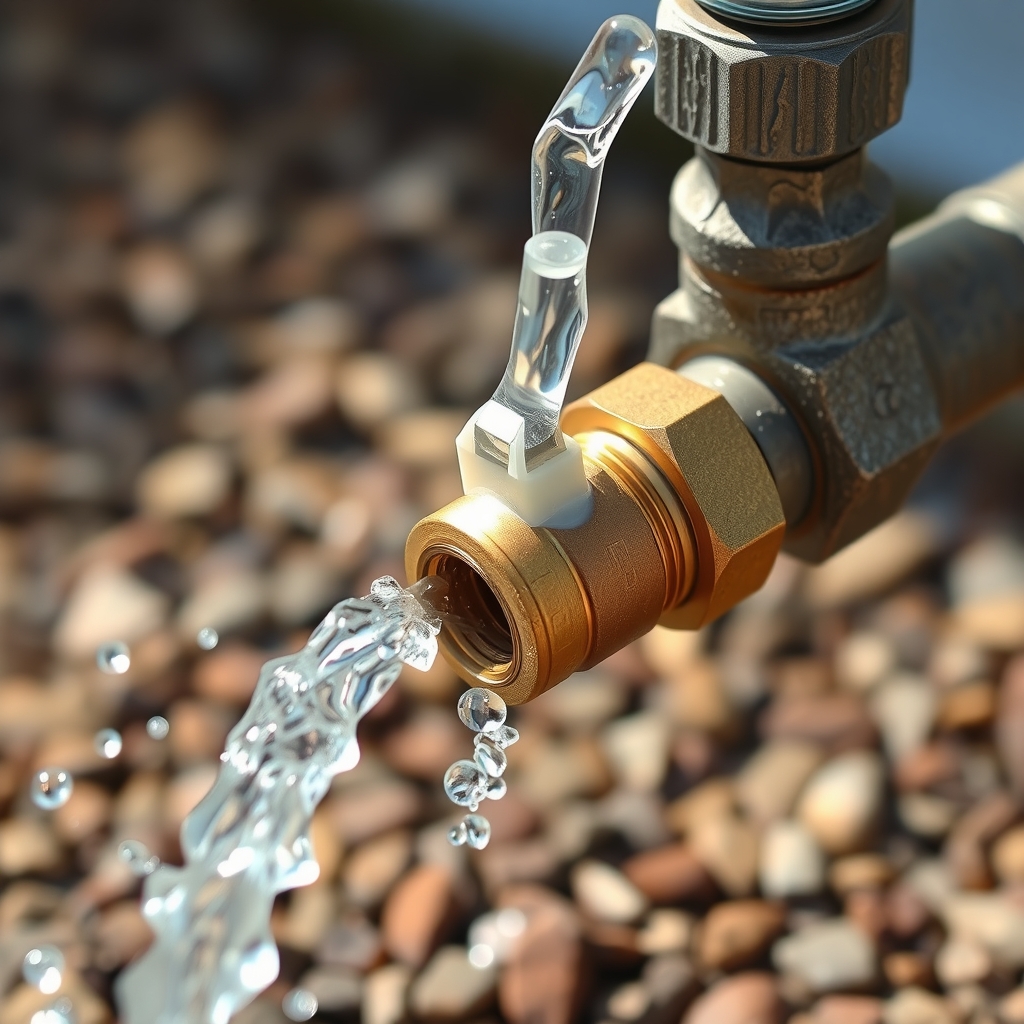
In this guide
Quick answer
A hose that leaks where it meets the faucet or another hose is almost always leaking past a rubber washer that has dried out, flattened or fallen out of the coupling. Turn off the water, pick out the old washer, press in a new one and hand-tighten the connection. A multi-pack of garden hose washers costs a few dollars, and you can keep spares for next time.
Free fix vs. permanent fix
Clean, re-seat and hand-tighten
- Turn off the water and unscrew the connection
- Clean grit from the washer and the threads
- Press the washer flat into the coupling
- Tighten by hand, without pliers or a wrench
How long it lasts: A few weeks if the washer is still soft. If it is dry, cracked or flat, the leak comes back.
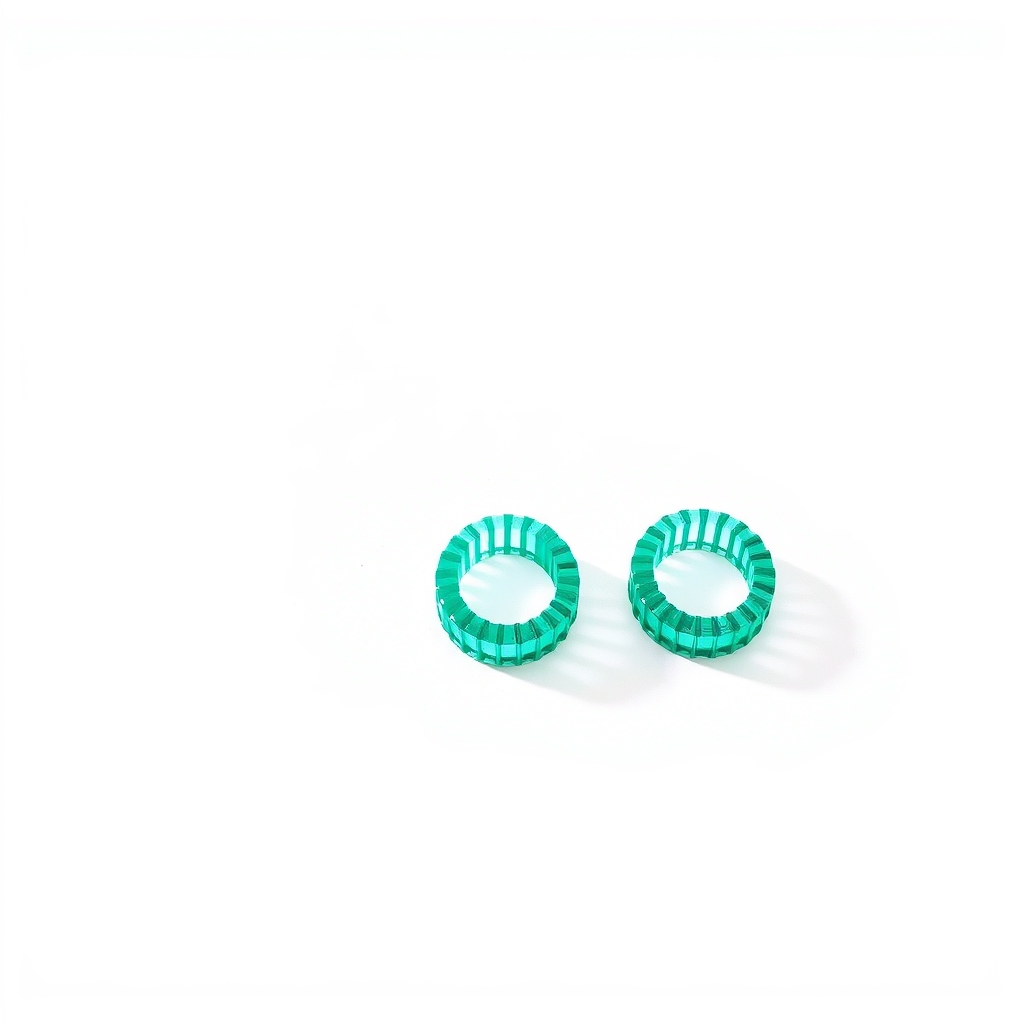
New garden hose washers
The washer is the seal. When the rubber hardens or flattens, no amount of tightening will stop a leak. A fresh washer fixes the actual cause, and a pack lets you swap it again for years at a few cents each.
What to get: Garden hose washers (multi-pack)
How long it lasts: Several seasons. A new washer stays soft and seals every time you connect.
As an Amazon Associate I earn from qualifying purchases.
What you'll need
-
Small flat screwdriver or pick
To lift out the old washer
You have it -
Old toothbrush
Scrubs grit off the threads
Free - Our pick Illustration
Garden hose washers
A multi-pack, standard hose size
- Illustration
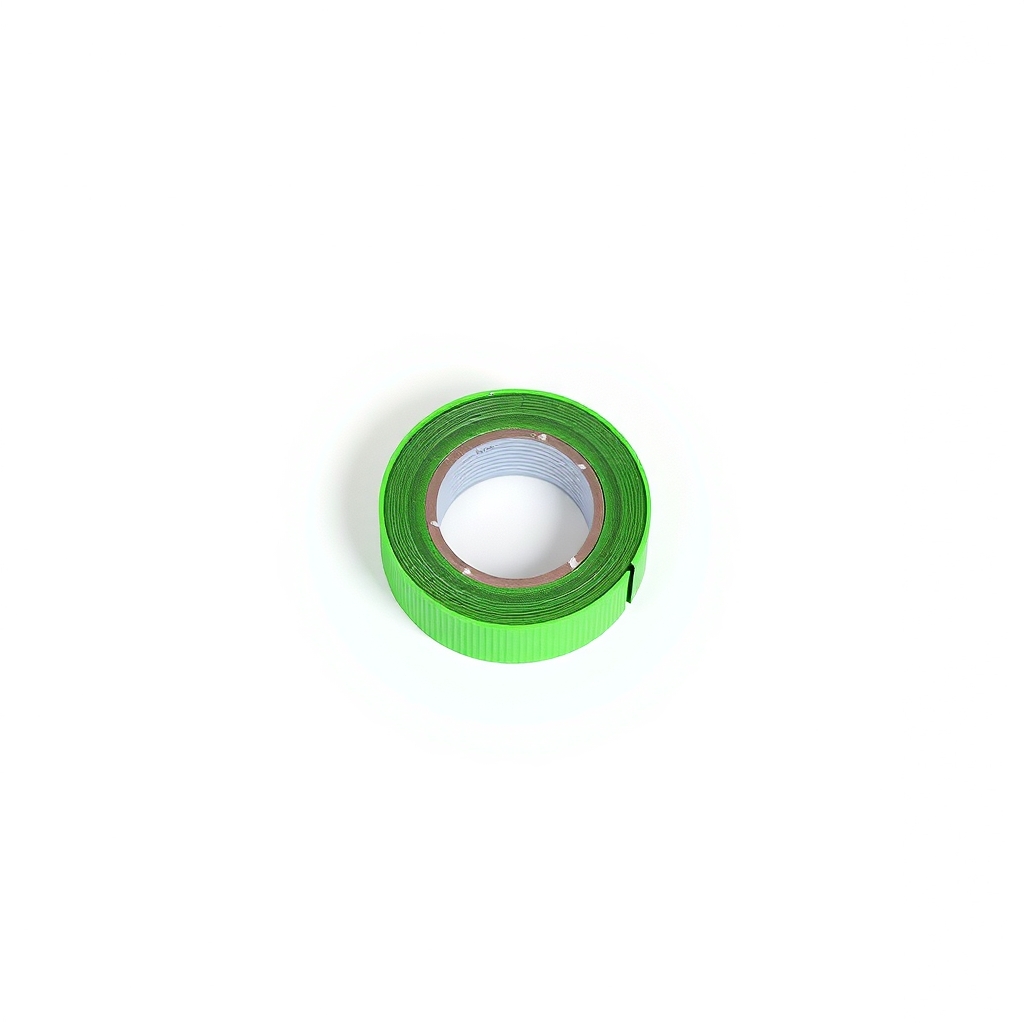
Plumber's thread seal tape
Optional help for worn threads on the faucet
- Illustration
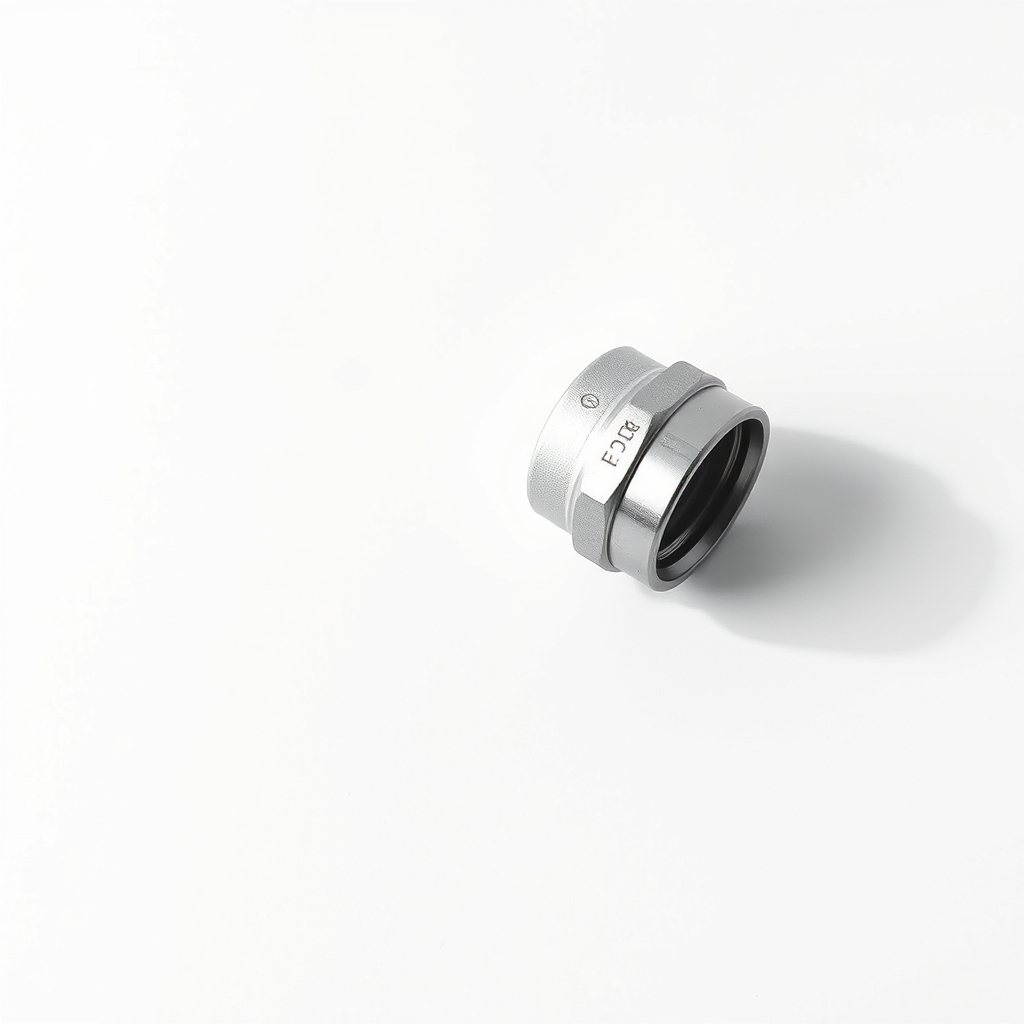
Metal hose end repair fitting
Only if the coupling itself is cracked or bent
Why it happens
A dried or flattened washer
The rubber washer inside the female end gets hard from sun and age, or squashed flat from overtightening. A hard, flat washer cannot seal against the faucet.
A washer that fell out
Washers can slip out when you unscrew a hose. Without one, the metal edges meet and water sprays out the gap.
Grit or a bent coupling
Sand or old rubber on the threads stops the washer from seating. A dented or cross-threaded end cannot seal at all.
A loose or worn connection
A connection that is only finger-snug can leak at pressure. Worn faucet threads or a leaking vacuum breaker can also cause a leak that looks like a hose leak.
Try this first (free)
Do these in order, starting with the simplest.
-
Turn off the water and unscrew the hose
Close the faucet, open the nozzle to release pressure and unscrew the connection. Drain the water out of the hose end.
-
Look at the washer
Check that a washer is there and sits flat. It should be soft and a little springy. If it is hard, cracked, flattened or missing, replace it.
-
Clean the threads and the seat
Tool used: Old toothbrushScrub the threads on the faucet and the inside of the coupling with an old toothbrush to clear grit and old rubber.
-
Replace the washer
Tool used: Small flat screwdriver or pickLift the old washer out with a small screwdriver or pick. Press the new one flat into the coupling, all the way to the bottom. Make sure it does not twist.
-
Hand-tighten and test
Tool used: Garden hose washersScrew the coupling on straight until it is snug by hand. Open the faucet slowly. If it drips, tighten a little more. Pliers can crush the washer, so keep them off the connection.
IllustrationCheck price on AmazonTool for this step
Garden hose washers · A multi-pack, standard hose size
When free fixes aren't enough
Cleaning and tightening only help if the washer is still soft and in place. A washer that is hard, flat or missing never seals again, so a new one is the real fix, and it costs only a few dollars for a multi-pack. If a fresh washer still leaks, look at the coupling: a bent, cracked or stripped end needs to be replaced. If water leaks from behind the faucet handle, from the faucet body or from inside the wall, turn the water off at the shutoff and call a plumber, since a hose washer will not help.
Buy the fix
Still stuck after the free fixes? These are the products we would look at.
| Pick | Product | Fixes | Who it's for | Buy |
|---|---|---|---|---|
| Best pick | Garden hose washers (multi-pack) | leaks at the faucet or between hoses caused by a worn seal | Anyone whose hose leaks at a connection, and anyone who wants spares in the garage. | Check price |
| Upgrade pick | Metal hose end repair fitting | a cracked, bent or stripped hose coupling that a washer cannot save | People whose plastic end is cracked or whose coupling is dented. | Check price |
Garden hose washers (multi-pack)
Fixes: leaks at the faucet or between hoses caused by a worn seal
Look for: Fits standard 3/4 inch garden hose threads; Soft rubber or silicone that stays flexible in sun and cold; A multi-pack, so you have spares; Optional: a few with a built-in filter screen for spray nozzles.
- Who it's for
- Anyone whose hose leaks at a connection, and anyone who wants spares in the garage.
- Honest downside
- The leak is from the coupling body, the hose itself or the faucet handle. A washer will not fix those.
Metal hose end repair fitting
Fixes: a cracked, bent or stripped hose coupling that a washer cannot save
Look for: Solid brass or other metal with a tough finish; Sized for your hose inner diameter, often 5/8 or 3/4 inch; Clamps or a screw collar that holds the hose without crushing it; Comes with a washer.
- Who it's for
- People whose plastic end is cracked or whose coupling is dented.
- Honest downside
- The leak went away with a new washer. Save your money.
As an Amazon Associate I earn from qualifying purchases. We don't show prices because they change, so use the button to see today's price.
How we picked: How we picked: this page is based on garden hose and outdoor faucet care guides, product instructions from hose fitting makers, and the problems and fixes people report in reviews. We do not test products by hand.
Not sure where the water is coming from?
- Spraying from the joint where hose and faucet meet: washer or loose connection.
- Leaking behind the handle: a worn faucet packing nut or washer, which is a faucet repair.
- Water running from the top of the faucet: a leaking vacuum breaker.
- Leaking where the hose meets its own metal end: the coupling has pulled away, so use a repair fitting.
What to skip
Wrenching the connection tight
Tools and a lot of force can crush the washer and strip the plastic threads. It looks like a fix for a day, then the washer flattens and the leak returns. Replace the washer and hand-tighten instead.
Frequently asked questions
Why is my garden hose connection leaking?
Why does my garden hose leak at the faucet?
How do I stop hose connections from leaking for good?
Does thread tape help a hose connection?
Related problems
 Free fix inside
Outdoor & Garage · Outdoor Faucet
Garden Faucet Leaking? A New Washer Usually Does It
Read the fix Free fix inside
Outdoor & Garage · Outdoor Faucet
Garden Hose Not Connecting to Tap? Adapters That Fit Most Faucets
Read the fix Free fix inside
Outdoor & Garage · Garden Hose
Hole in the Garden Hose? Mend It for Less Than a New Hose
Read the fixAs an Amazon Associate I earn from qualifying purchases. Affiliate disclosure