Garden Hose Valve for Winter: Shut It Off and Cover the Spigot
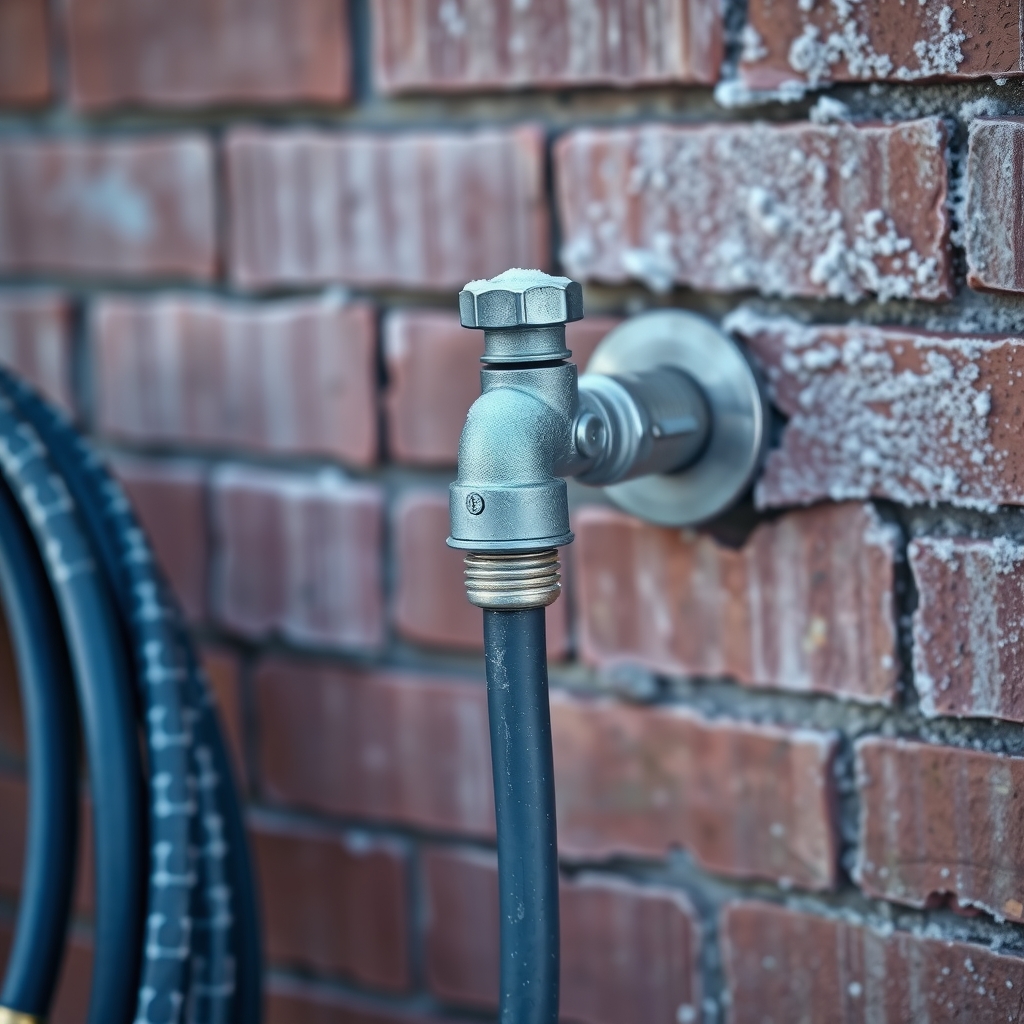
A frozen spigot can split a pipe inside the wall. Remove the hose, shut off and drain the line, then cover the spigot for the cold snaps.
By Jamilur Rahman Updated November 5, 2026 · 6 min read
- Time
- 20 min
- Cost
- Under $20
- Difficulty
- Easy
In this guide
Quick answer
Before the first hard freeze, disconnect every hose, shut off the water to the outside spigot if you have an interior valve, open the spigot to drain it, and leave it open. Then put an insulated cover over it. The shutoff and draining keep the pipe from bursting. The cover adds protection on the coldest nights.
Free fix vs. permanent fix
Disconnect, shut off and drain
- Remove hoses, splitters, timers and nozzles
- Close the interior shutoff valve for the spigot, if there is one
- Open the outdoor spigot to drain it
- Open the small bleeder cap on the interior valve, if it has one
How long it lasts: The whole winter, if you have an interior shutoff valve and drain the line. Without a shutoff, a hard freeze can still split the pipe.
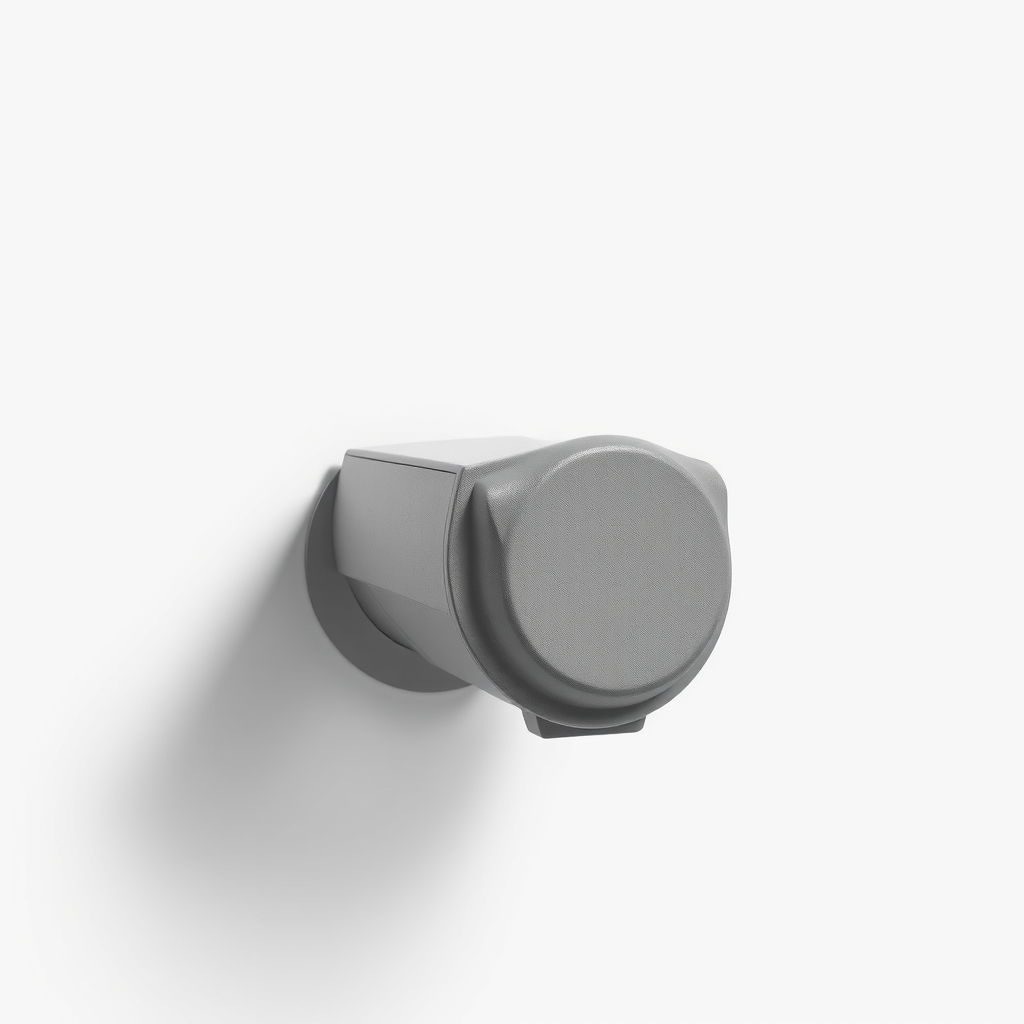
An insulated outdoor faucet cover
Freeze damage starts at the spigot, where wind chills the metal fastest. A foam cover slows heat loss, so the water inside is less likely to freeze in a cold snap. If you have a shutoff and drained the line, it is extra insurance. If you cannot shut the line off, it is your main defense.
What to get: Insulated outdoor faucet cover
How long it lasts: Many winters. It is reusable: on in fall, off in spring.
As an Amazon Associate I earn from qualifying purchases.
What you'll need
-
Bucket and rag
To catch water at the interior valve
You have it -
Wall hook or shelf for the hose
Store the hose drained, indoors or in a shed
You have it - Our pick Illustration
Insulated outdoor faucet cover
Foam dome with a cord that cinches to the pipe
- Illustration
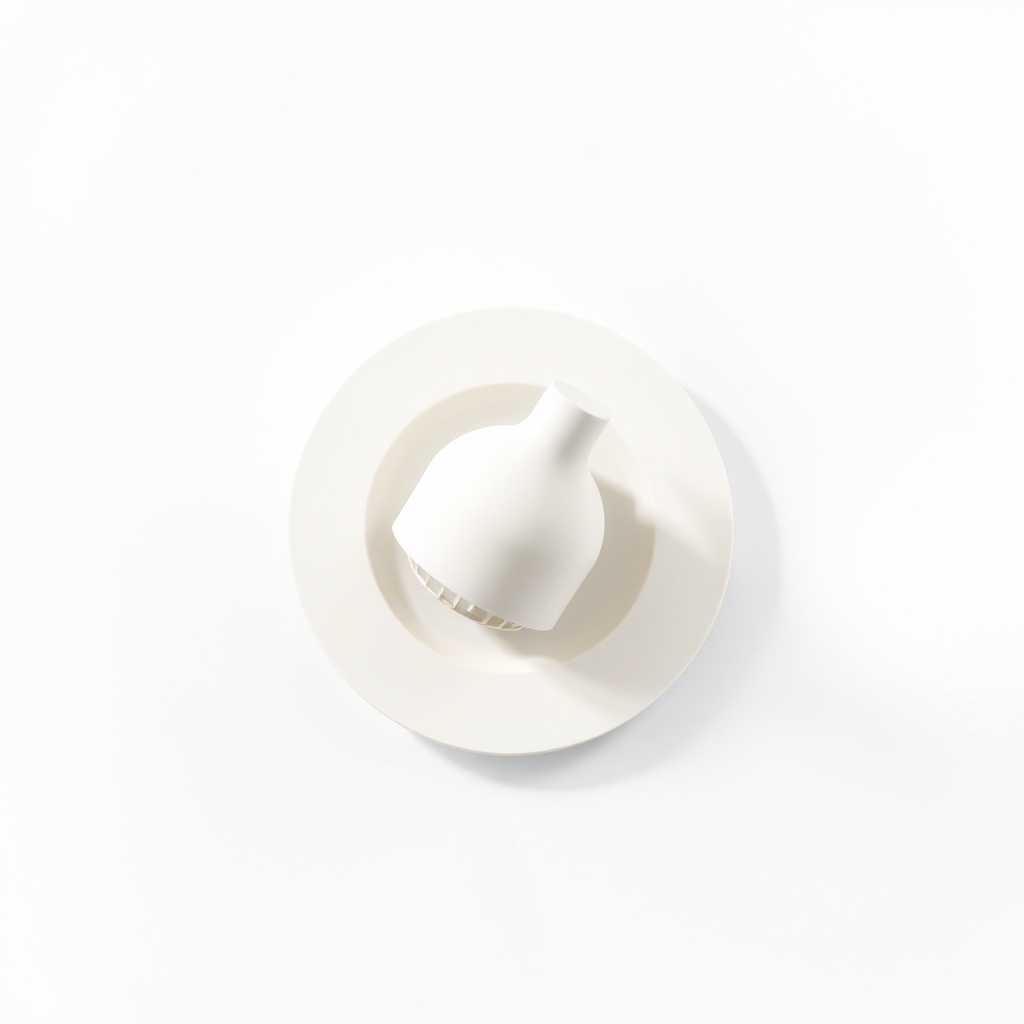
Rigid-shell insulated faucet cover
For windy sites where a soft cover blows off
Why it happens
Water trapped inside the spigot
Water expands when it freezes. A faucet or pipe full of water has no room, so the metal cracks. The split often hides in the wall until spring, when the water is turned on.
A hose left on
A hose or splitter keeps water in the spigot. On a frost-free faucet it blocks the draining that makes the faucet frost-free.
Wind chilling the spigot
The spigot sits on the outside wall in cold air and wind. It loses heat faster than the pipe inside the wall.
A line that cannot be shut off
With no interior valve you cannot drain the pipe behind the spigot. It stays full all winter.
Try this first (free)
Do these in order, starting with the simplest.
-
Disconnect and drain every hose
Tool used: Wall hook or shelf for the hoseUnscrew hoses, splitters, timers and spray nozzles before the first freeze. Lift each hose to drain it, coil it and hang it up. Do not leave water inside.
-
Find the interior shutoff
Look where the pipe to the outside spigot passes through the wall: a basement, crawlspace or utility room. Many older homes have a valve on that pipe. Close it fully; a lever valve is closed when the handle sits crosswise to the pipe.
-
Open the outside spigot and drain
Tool used: Bucket and ragOpen the outdoor handle. If the interior valve has a small bleeder cap, open it with a bucket underneath. Let the water run until it stops.
-
Leave the spigot open
With an interior valve closed, leave the outdoor handle open so any trace of water can run out. With a frost-free faucet and no interior valve, remove the hose, close the handle and let the long barrel drain.
-
Cover the spigot
Tool used: Insulated outdoor faucet coverSlide the insulated cover over the spigot with the open side against the wall. Cinch the cord snug and check for gaps.
IllustrationCheck price on AmazonTool for this step
Insulated outdoor faucet cover · Foam dome with a cord that cinches to the pipe
-
Know your main shutoff
If a pipe ever bursts, close the main water valve fast. Find it now, not during an emergency.
When free fixes aren't enough
If you have no interior shutoff and the faucet is not frost-free, you cannot drain the pipe, so the cover is your main defense. It slows heat loss, it does not add heat, so it will not save a spigot through days of deep cold. Water dripping or running inside the house after a freeze, or a damp wall, means the pipe may have split. Close the main shutoff and call a plumber. Never thaw a pipe with a flame.
Buy the fix
Still stuck after the free fixes? These are the products we would look at.
| Pick | Product | Fixes | Who it's for | Buy |
|---|---|---|---|---|
| Best pick | Insulated outdoor faucet cover | heat loss at the spigot that lets the water freeze | Anyone with an outdoor spigot where winter freezes, especially with no interior shutoff. | Check price |
| Upgrade pick | Rigid-shell insulated faucet cover | wind and snow knocking a soft cover loose | Windy yards, or homes where a soft foam cover has blown off before. | Check price |
Insulated outdoor faucet cover
Fixes: heat loss at the spigot that lets the water freeze
Look for: Thick foam insulation, not a thin fabric sleeve; A cord or strap that cinches against the wall; A size that covers your spigot, including a long handle or vacuum breaker; A weather-resistant outer shell that does not soak up water.
- Who it's for
- Anyone with an outdoor spigot where winter freezes, especially with no interior shutoff.
- Honest downside
- Your area never drops to freezing. Skip it.
Rigid-shell insulated faucet cover
Fixes: wind and snow knocking a soft cover loose
Look for: A rigid outer shell that holds its shape in wind; Foam lining thick enough for your winters; A strap or seal that fits snug against siding or brick.
- Who it's for
- Windy yards, or homes where a soft foam cover has blown off before.
- Honest downside
- A soft cover already stays put on your wall.
As an Amazon Associate I earn from qualifying purchases. We don't show prices because they change, so use the button to see today's price.
How we picked: How we picked: this page is based on plumbing winterizing guides, utility and insurer freeze-prevention advice, and the problems and fixes owners report in reviews of faucet covers. We do not test products by hand.
Frost-free or standard? How to tell
- Frost-free faucet: a long barrel, often 6 inches or more, runs into the wall and slopes down toward the outside. Remove the hose and let it drain. The valve is inside the heated space.
- Standard faucet: a short body with the valve at the wall. It holds water and needs an interior shutoff and draining.
- Not sure: look at the pipe in the basement or crawlspace. A shutoff valve on it means you can drain the line.
What to skip
Wrapping the spigot in towels or a plastic bag
Towels soak up water and freeze, and a plastic bag traps damp air against the metal. Neither is insulation. A foam cover is made for the job.
Frequently asked questions
Do I need to turn off the water to my outdoor faucet for winter?
Can I leave my hose on a frost-free spigot in winter?
At what temperature will an outdoor spigot freeze?
How do I stop a garden hose from freezing?
Is a spigot cover enough on its own?
Related problems
 Free fix inside
Outdoor & Garage · Outdoor Faucet
Garden Faucet Leaking? A New Washer Usually Does It
Read the fix Free fix inside
Outdoor & Garage · Garden Hose
Garden Hose Keeps Bursting? Rubber Hoses That Take Pressure
Read the fix Free fix inside
Outdoor & Garage · Outdoor Faucet
Garden Hose Not Connecting to Tap? Adapters That Fit Most Faucets
Read the fix Free fix inside
Outdoor & Garage · Hose Connection
Garden Hose Leaking at the Connection? Start With a Cheap Washer
Read the fixAs an Amazon Associate I earn from qualifying purchases. Affiliate disclosure