Garden Hose Keeps Bursting? Rubber Hoses That Take Pressure
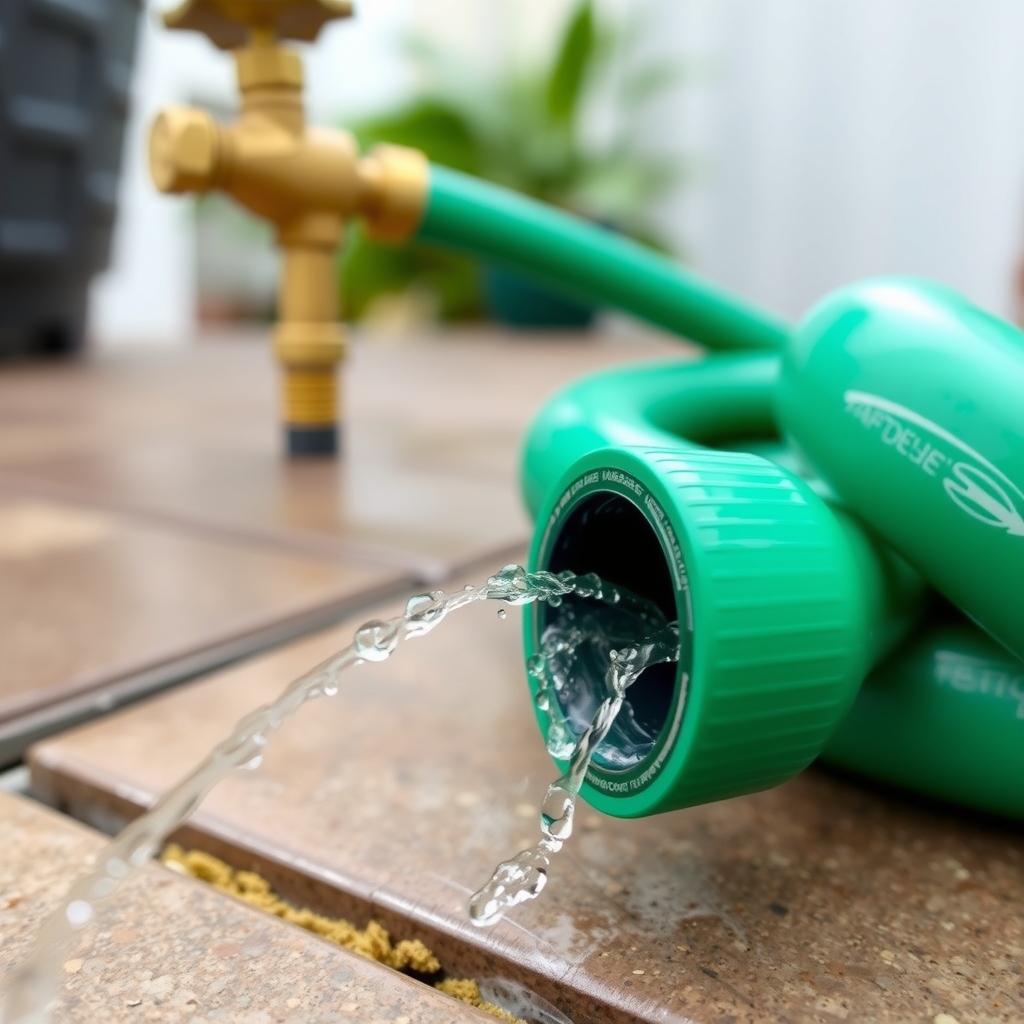
Hoses split from kinks, sun, ice and pressure left on. Fix the habits first, then switch to a heavy-duty rubber hose built to take what thin vinyl cannot.
By Jamilur Rahman Updated November 5, 2026 · 7 min read
- Time
- 20 min
- Cost
- $50-$150
- Difficulty
- Easy
In this guide
Quick answer
A hose bursts when its wall is weakened by a kink, sun, freezing water or pressure left on, and then a normal surge of pressure finds the weak spot. Turn the spigot off after every use, drain the hose, store it out of the sun and check your home's water pressure. If you still lose hoses, or use one hard, a heavy-duty rubber hose takes pressure, sun and cold better than thin vinyl.
Free fix vs. permanent fix
Stop what is wearing the hose out
- Turn the spigot off after each use, then open the nozzle to release pressure
- Drain and coil the hose loosely in the shade
- Never leave water in the hose in freezing weather
- Check your home's water pressure at the spigot
How long it lasts: It works if habit was the cause: left on, left in the sun or left out in winter. It cannot save a thin hose that is already worn.
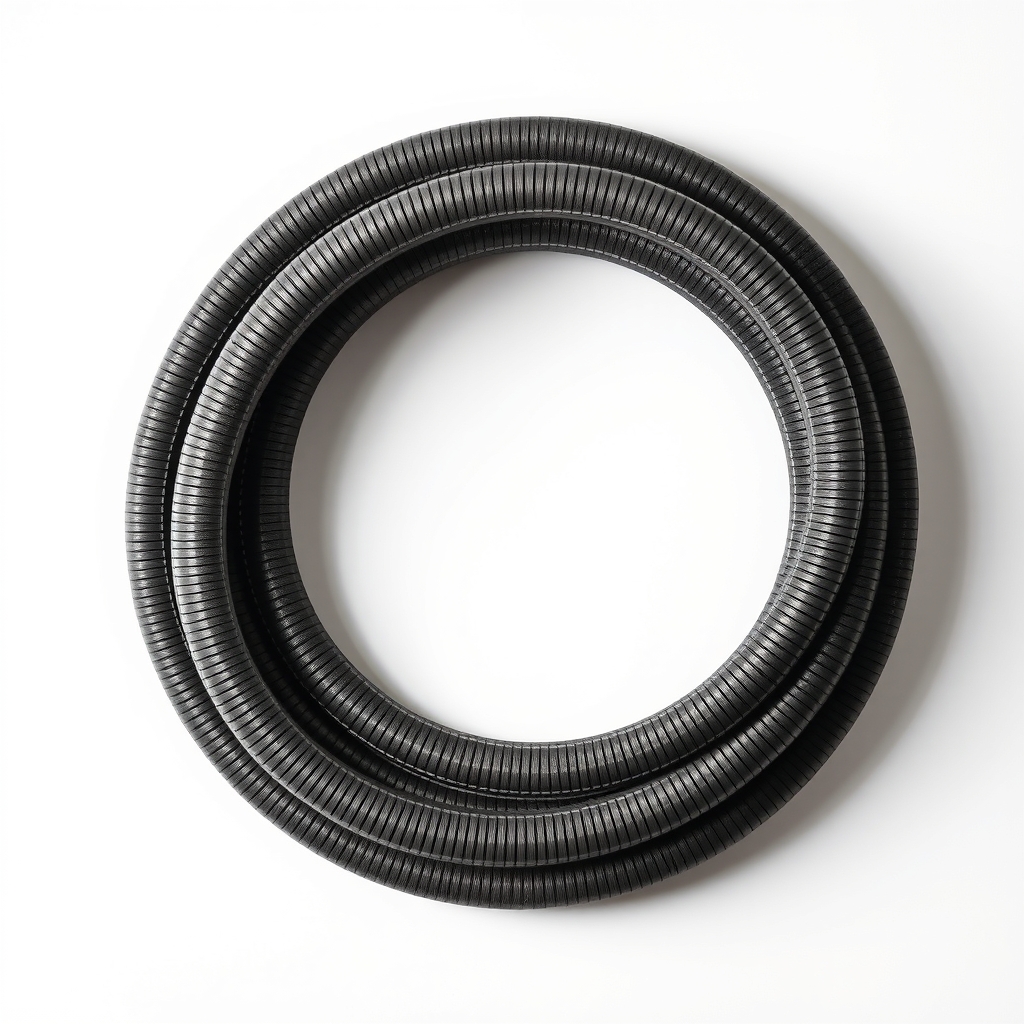
A heavy-duty rubber garden hose
Thin vinyl hoses crack as they age and soften in the heat. A heavy-duty rubber hose has a thicker wall rated for higher pressure, so a kink or a surge is less likely to split it. It costs more and weighs more, but you buy it once instead of every season.
What to get: Heavy-duty rubber garden hose
How long it lasts: Many years with normal care. Rubber stays flexible in cold and resists sun and kinks better than vinyl.
As an Amazon Associate I earn from qualifying purchases.
What you'll need
- Illustration
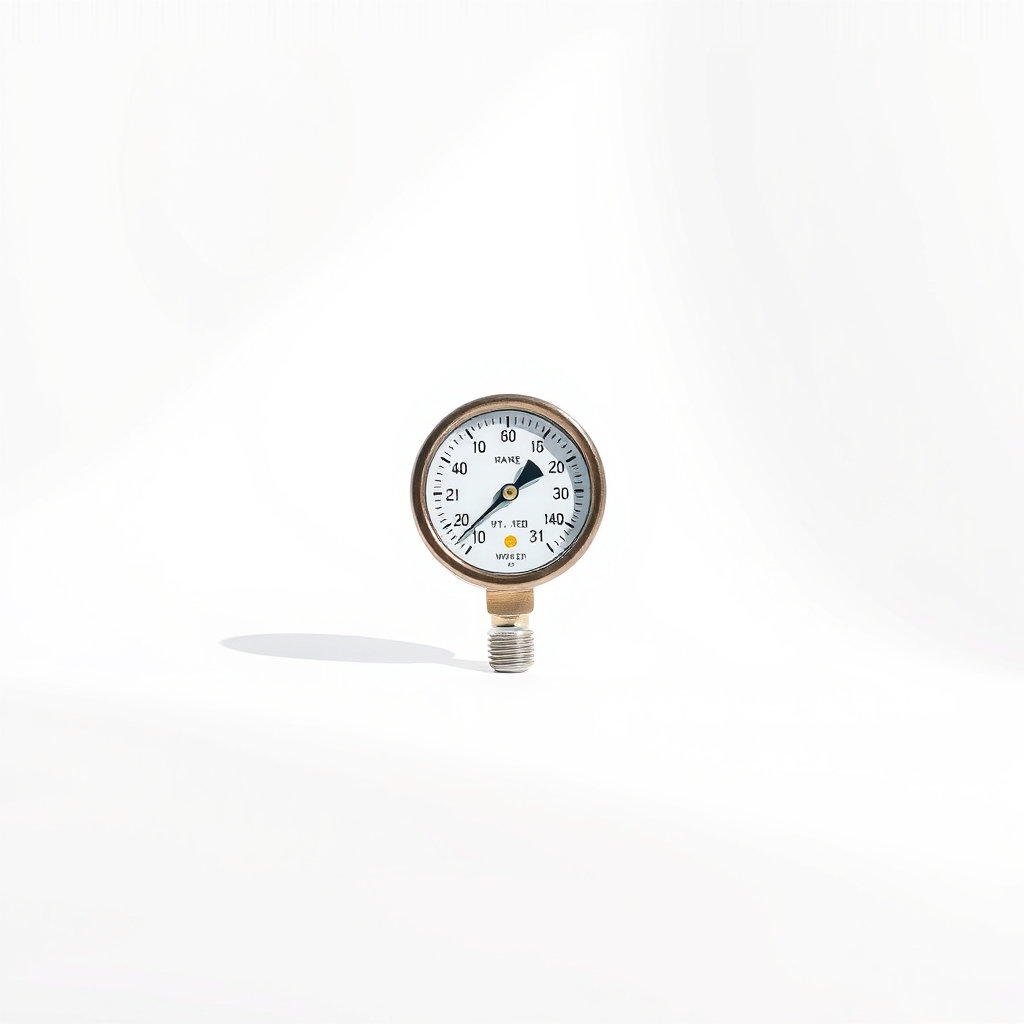
Hose-thread water pressure gauge
Screws onto the spigot and shows your home's pressure
-
Utility knife
To cut out a split section cleanly
You have it - Our pick Illustration
Heavy-duty rubber garden hose
Rubber wall, solid brass fittings, a listed burst strength
- Illustration
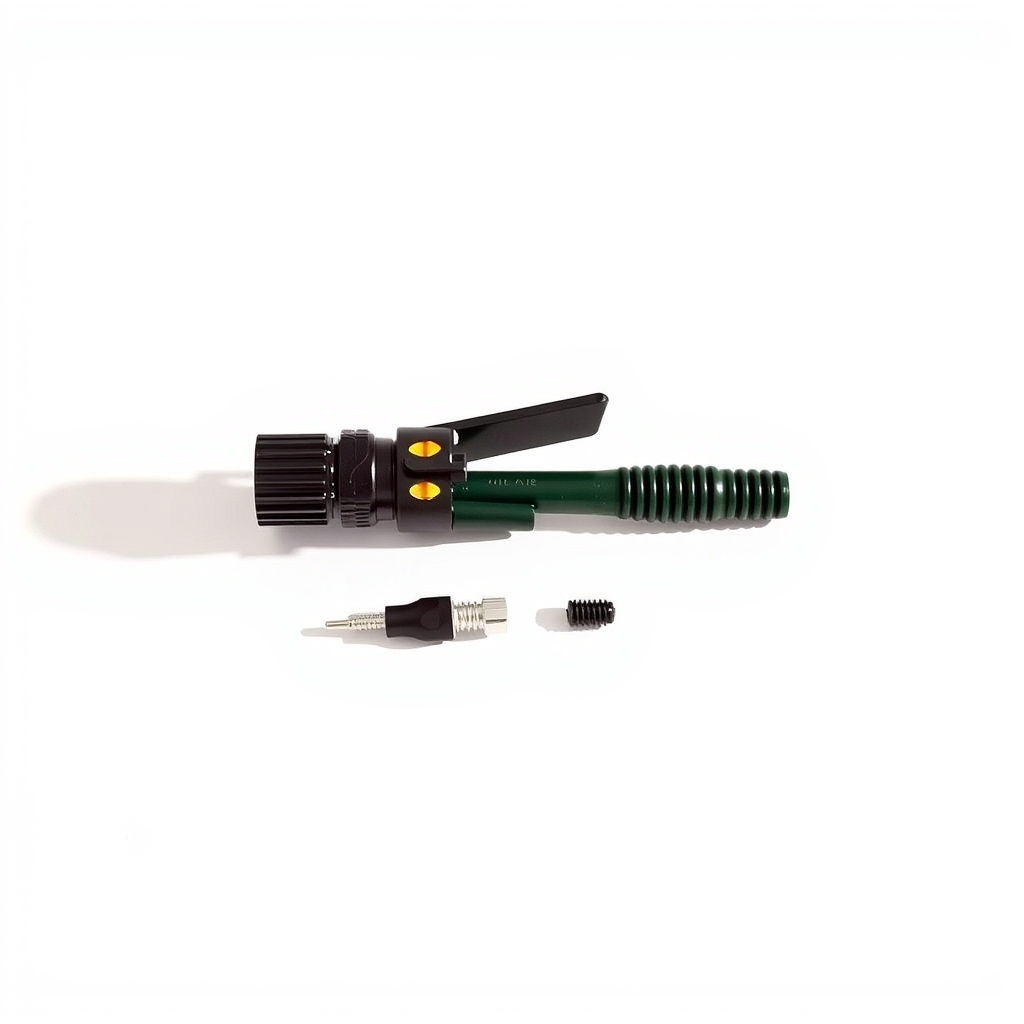
Hose repair mender kit
Joins the ends after you cut out one split
Why it happens
Pressure left on
Closing the nozzle with the spigot on keeps the whole hose under full pressure, and the sun heats the water inside and raises it more.
Kinks and sharp bends
A kink near the spigot stretches the wall on the outside of the bend. Repeated kinks make a weak spot that splits later, often at the same place.
Sun and age
Vinyl hoses stiffen and crack after a few seasons of sun. A hose that feels hard or sticky is nearing the end.
Ice
Water left in a hose freezes and expands. A split that shows up in spring often happened in the first freeze.
High household pressure
Typical home pressure is about 40 to 60 psi. Above about 80 psi, hoses and fixtures wear faster. That is a plumbing problem, not a hose problem.
Try this first (free)
Do these in order, starting with the simplest.
-
Read the split
Near the spigot end points to kinks or a hose pulled tight. Along the middle points to sun, age or a sharp edge. A bulge before the burst points to pressure. A split after winter points to ice.
-
Check your water pressure
Tool used: Hose-thread water pressure gaugeScrew the gauge onto the outdoor spigot with no hose attached, then open it. Typical home pressure is about 40 to 60 psi. If it reads above about 80 psi, a plumber can fit a pressure regulator.
IllustrationCheck price on AmazonTool for this step
Hose-thread water pressure gauge · Screws onto the spigot and shows your home's pressure
-
Turn the spigot off after every use
Shut the spigot, then squeeze the nozzle open to release the pressure. A hose lying in the sun under full pressure is the usual way hoses split.
-
Store it drained and out of the sun
Coil it loosely in big loops in the shade, on a hanger or a reel. Drain it before a freeze. Tight kinks and left-out hoses fail first.
-
Cut out a single split if the rest is good
Tool used: Utility knifeIf the split is in one short spot and the hose is otherwise supple, cut out the damaged piece square with a utility knife and join the ends with a mender. A hose with several small cracks is done.
When free fixes aren't enough
If your hose is more than a few years old, feels stiff or has cracks along its length, new habits will not save it. The same goes if your pressure is normal and the hose still bursts: thin vinyl does not have the wall to take sun, kinks and surges for long. A heavy-duty rubber hose is thicker, heavier and stays supple in cold, which is the fix when you keep replacing hoses. If the gauge reads above about 80 psi, call a plumber about the pressure. If the spigot itself leaks inside the wall, call one too.
Buy the fix
Still stuck after the free fixes? These are the products we would look at.
| Pick | Product | Fixes | Who it's for | Buy |
|---|---|---|---|---|
| Best pick | Heavy-duty rubber garden hose | hoses that split from pressure, heat, sun, cold and kinks | People who go through a hose every year or two, or use theirs hard all season. | Check price |
| Budget pick | Garden hose repair mender kit | one split in an otherwise good hose | Anyone with a younger hose and a single split. | Check price |
Heavy-duty rubber garden hose
Fixes: hoses that split from pressure, heat, sun, cold and kinks
Look for: A rubber wall, not thin vinyl, with a listed burst strength; Solid brass couplings with a protective collar at both ends; A diameter that suits your use; 5/8 inch is the usual home size; A drinking-water-safe or lead-free label if you will fill pet bowls or drink from it.
- Who it's for
- People who go through a hose every year or two, or use theirs hard all season.
- Honest downside
- You cannot lift a heavy hose, or you water a small patio a few times a year. A lighter hose is easier to handle.
Garden hose repair mender kit
Fixes: one split in an otherwise good hose
Look for: A size that matches your hose, usually 5/8 or 3/4 inch; Metal clamp fittings you tighten with a screwdriver; Enough pieces to repair the hose end or the middle.
- Who it's for
- Anyone with a younger hose and a single split.
- Honest downside
- The hose is old, hard or cracked in several places. A mender just moves the burst to the next weak spot.
As an Amazon Associate I earn from qualifying purchases. We don't show prices because they change, so use the button to see today's price.
How we picked: How we picked: this page is based on plumbing guidance on household water pressure and freeze protection, garden hose care guides, and what owners report in reviews of rubber and vinyl hoses. We do not test products by hand.
Why rubber beats vinyl, in plain terms
- Thicker wall: rubber hoses are built heavier, so a surge is spread across more material.
- Stays flexible in cold: vinyl stiffens and cracks in the chill, while rubber stays supple.
- Resists sun: good rubber hoses are made to handle sunlight better than thin vinyl.
- The trade-off: rubber is heavier and can heat the water inside on a hot day. Let the first few seconds run out.
Care that doubles a hose's life
Even a good hose can burst if it freezes full of water. Drain it before winter, coil it loosely and keep it out of direct sun. Do not drive over it or pull it around sharp corners.
What to skip
Expanding hoses and thin lightweight hoses
Expanding and collapsible hoses have a thin inner tube, and many owners report that they split sooner than a rubber hose. They suit light use and easy storage, but they are not the fix for bursting.
Frequently asked questions
Why does my garden hose burst at the spigot?
Can I leave my hose connected to the spigot?
Are rubber hoses worth the money?
Can I drink from a rubber hose?
Related problems
 Free fix inside
Outdoor & Garage · Garden Hose
Hole in the Garden Hose? Mend It for Less Than a New Hose
Read the fix Free fix inside
Outdoor & Garage · Garden Hose
Garden Hose Kinking Again? Kink-Resistant Hoses Worth Buying
Read the fix Free fix inside
Outdoor & Garage · Outdoor Faucet
Garden Hose Valve for Winter: Shut It Off and Cover the Spigot
Read the fixAs an Amazon Associate I earn from qualifying purchases. Affiliate disclosure