Washing Machine Shaking Violently? Level It, Then Add Pads
A washer shakes when it is off level, overloaded or sitting on a bouncy floor. Level the feet first, then add anti-vibration pads for what is left.
By Jamilur Rahman Updated November 5, 2026 · 8 min read
- Time
- 20 min
- Cost
- Under $20
- Difficulty
- Easy
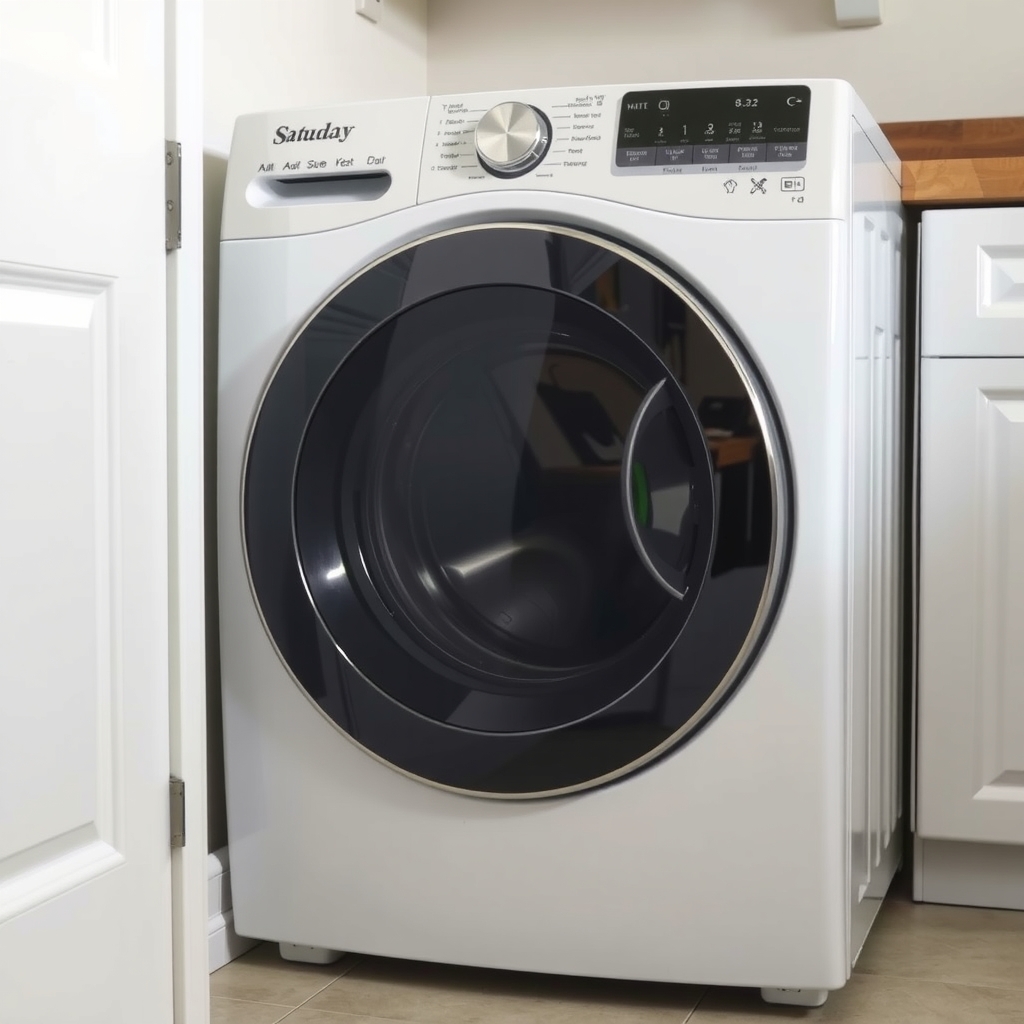
In this guide
Quick answer
To stop a washing machine from shaking, level all four feet, make sure the shipping bolts are out and spread the load evenly. If it still bounces on the spin cycle, set anti-vibration pads under the feet to absorb the rest. Most violent shaking comes from an off-level machine or a lopsided load, and the free steps fix it for many people. Pads are the easy fix for a bouncy floor, or a washer that drifts out of position again after a few weeks.
Free fix vs. permanent fix
Level the feet and rebalance the load
- Unplug the washer and pull it out a few inches
- Check the level front to back and side to side
- Turn the feet until all four touch the floor, then tighten the lock nuts
- Wash bulky items in a mixed load, not alone
How long it lasts: Often permanent on a solid floor. On a bouncy floor the shaking creeps back as the feet settle.
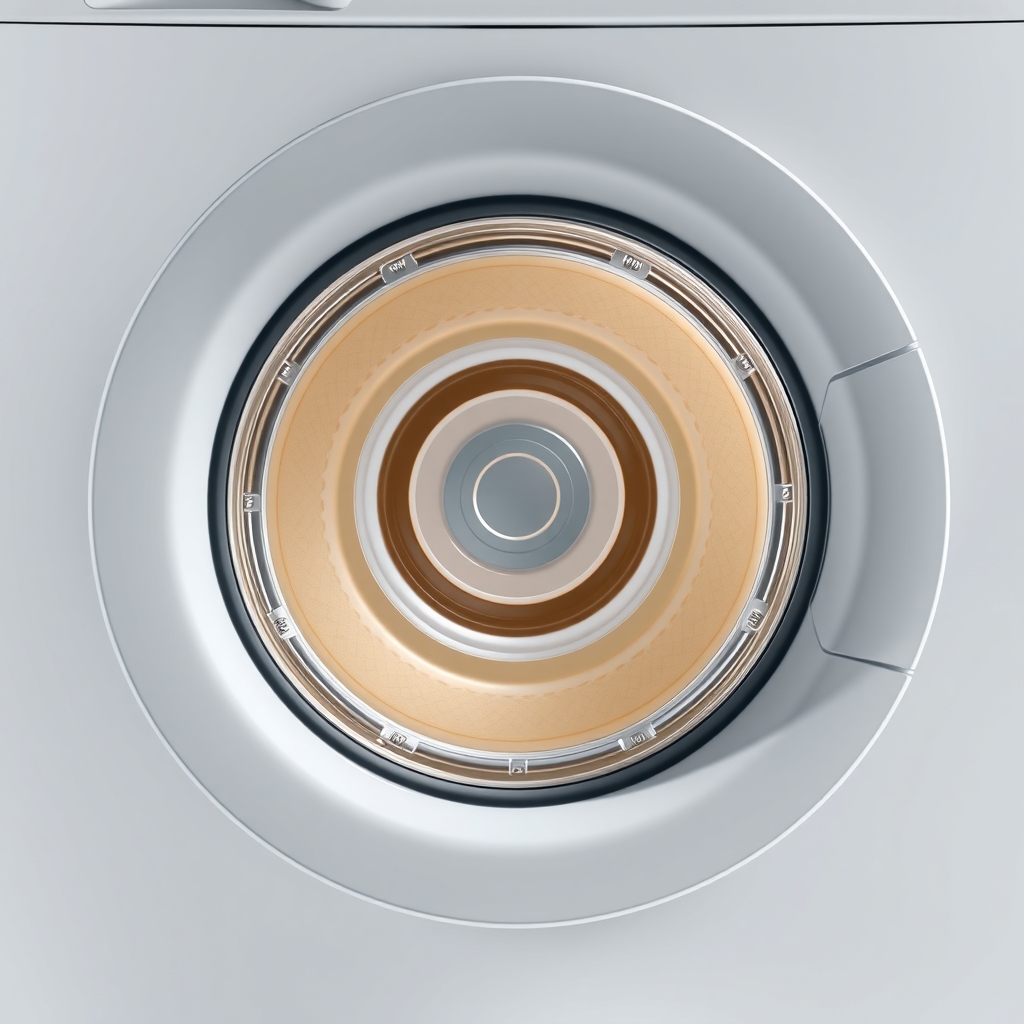
Anti-vibration pads under all four feet
Leveling stops the wobble. Pads handle what leveling cannot: a floor that flexes, slick tile and the shudder of a fast spin. They also cut the noise that travels through the floor to the rooms below.
What to get: Anti-vibration pads for a washing machine
How long it lasts: Years. The rubber soaks up vibration and grips the floor, so the machine stays put.
As an Amazon Associate I earn from qualifying purchases.
What you'll need
-
Bubble level or phone level app
Check the top of the washer both ways
You have it -
Adjustable wrench or pliers
For the lock nuts on the feet
You have it - Our pick Illustration
Anti-vibration pads
A set of four, one under each foot
- Illustration
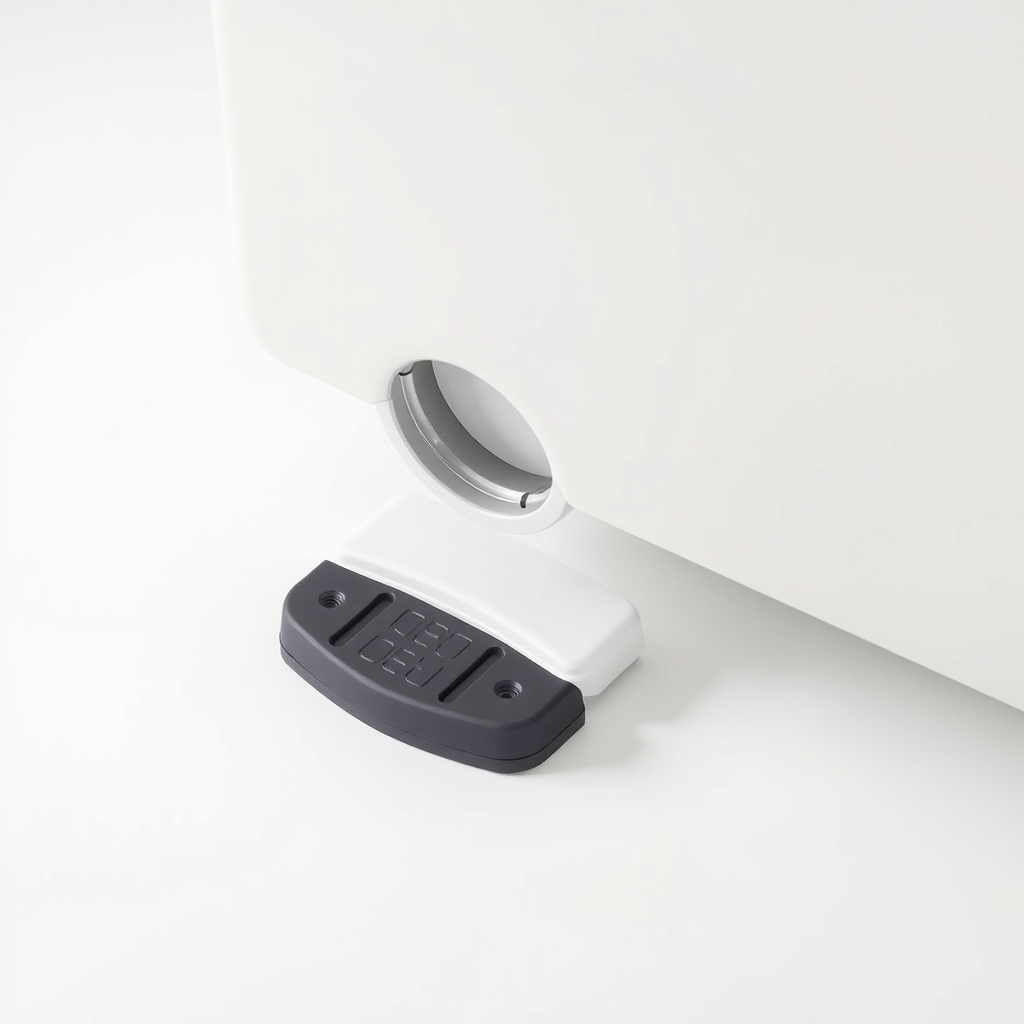
Rubber-base leveling feet
Only if your original feet are worn or will not hold their height
Why it happens
Feet that are not level
If one foot hangs in the air, the drum pounds the floor on the spin cycle. Floors slope, and feet loosen over time from the vibration.
Shipping bolts still in a new front-loader
Front-load washers ship with bolts that lock the drum for transport. Left in, they stop the drum from floating on its springs, and the whole machine slams around. The manual shows where they are.
A lopsided or overloaded drum
One heavy towel, a bath mat or a soaked comforter bunches up on one side. The drum goes out of balance, the washer bangs as it tries to correct, and it may stop with an error.
A weak or bouncy floor
Wood floors upstairs flex under a spinning drum. The machine may be fine and the floor is amplifying it.
Worn parts inside
Shock absorbers in a front-loader and suspension rods in a top-loader lose their damping with age. Loud grinding or rumbling during spin can also mean worn drum bearings.
Try this first (free)
Do these in order, starting with the simplest.
-
Unplug it and pull it out
Unplug the washer and pull it out a few inches so you can reach all four feet. Do not tilt a machine with water in it, and get a second person if you need to lift a corner.
-
Check for shipping bolts
If the washer is new, or was moved recently, look on the back for large bolts with plastic spacers that locked the drum. Remove all of them and plug the holes with the caps that came in the box. The manual shows the count.
-
Check the level both ways
Tool used: Bubble level or phone level appSet a bubble level on top of the washer and check side to side, then front to back. Then push down hard on each top corner. If it rocks, one foot is off the floor.
-
Adjust the feet and lock them
Tool used: Adjustable wrench or pliersTurn each foot by hand or with pliers until the washer is level and does not rock. Raise a low foot, lower a high one. Then tighten the lock nut up against the washer body so the foot cannot spin loose again.
-
Fix the load
Fill the drum no more than about three-quarters full. Mix large and small items, and do not wash one heavy item alone. In a top-loader, pause and spread a bunched-up load around the drum.
-
Add pads if it still shakes
Tool used: Anti-vibration padsRun a spin-only cycle with a normal load. If it still hops, lift each corner a few inches, slide a pad under each foot and check the level again.
IllustrationCheck price on AmazonTool for this step
Anti-vibration pads · A set of four, one under each foot
When free fixes aren't enough
If the feet are level, the drum is unlocked and the load is even, but the washer still hops or drifts, the floor is the likely cause. Wood floors upstairs flex, and tile or sealed concrete lets a machine slide. Pads add grip and soak up vibration. If it still shakes, or you hear loud grinding, rumbling or banging even with a small load, the shock absorbers, suspension or bearings may be worn. That is a repair, so call a technician rather than keep running it.
Buy the fix
Still stuck after the free fixes? These are the products we would look at.
| Pick | Product | Fixes | Who it's for | Buy |
|---|---|---|---|---|
| Best pick | Anti-vibration pads for a washing machine | vibration, walking and floor noise that leveling alone does not stop | Anyone on a wood, tile or bouncy floor whose washer still shakes or drifts after leveling. | Check price |
| Upgrade pick | Rubber-base leveling feet for a washing machine | worn or stripped stock feet that will not hold their height | Washers whose original feet are cracked, stripped or keep turning loose. | Check price |
Anti-vibration pads for a washing machine
Fixes: vibration, walking and floor noise that leveling alone does not stop
Look for: A set of four, sized to fit under your washer's feet; Thick rubber or rubber and cork, not thin foam; A grippy, non-slip top and bottom; A weight rating that covers the washer with a full load.
- Who it's for
- Anyone on a wood, tile or bouncy floor whose washer still shakes or drifts after leveling.
- Honest downside
- The washer is not level yet. Pads cannot fix a foot that hangs in the air, so level first.
Rubber-base leveling feet for a washing machine
Fixes: worn or stripped stock feet that will not hold their height
Look for: A thread size and length that match your stock feet; A rubber base that grips the floor; A weight rating that covers the washer; A lock nut to hold the height.
- Who it's for
- Washers whose original feet are cracked, stripped or keep turning loose.
- Honest downside
- Your original feet adjust and hold fine. Pads are enough. Check the thread size in your manual first, since it varies by brand.
As an Amazon Associate I earn from qualifying purchases. We don't show prices because they change, so use the button to see today's price.
How we picked: How we picked: this page is based on washer manuals and installation guides, appliance repair advice, and the problems and fixes owners report in reviews of vibration pads. We do not test products by hand.
How to fix a washing machine that keeps going off balance (front load and top load)
- Front-load: stop the cycle, open the door when it unlocks, and spread the clothes evenly around the drum. Add one or two towels if you are washing a single heavy item. Then restart on spin.
- Top-load: lift the lid, pull the load away from one side and spread it evenly around the agitator or drum.
- Both: wash comforters and bath mats with a few other items, and do not push the drum past the maximum load in your manual.
If the error keeps coming back with an even load, go back to the level check and the pads. If that fails, the suspension may be worn.
What the noises mean
- Thump or bang at the start of spin: off-balance load or an unlevel machine.
- Rattle or click: a coin, button or bra underwire in the drum or drain pump.
- Rumble or grinding that gets louder as the spin speeds up: worn drum bearings. Call a technician.
- Squeal: a worn belt or pulley in some models.
What to skip
Cardboard, folded towels and wood shims under the feet
Cardboard and towels compress, soak up water and let the foot slip, so the shaking comes back within weeks. Loose wood shims can crush or slide out. If you need to fill a gap, use a rubber pad made for appliances. And never run a washer with the shipping bolts still in.
Frequently asked questions
Why does my washing machine shake violently on the spin cycle?
Why is my washing machine so loud when it spins?
How do I stop a front-load washer from walking or moving?
Why does my washing machine keep saying unbalanced?
Is it safe to keep using a washer that shakes?
Related problems
 Free fix inside
Laundry · Dryer
How to Stop a Dryer From Shaking: Level the Feet, Add Pads
Read the fix Free fix inside
Laundry · Moving Appliances
Washing Machine Too Heavy to Move? Appliance Sliders Help a Lot
Read the fix Free fix inside
Laundry · Washing Machine
How to Stop Washing Machine Water Hammer (the Banging Pipes Fix)
Read the fix Free fix inside
Laundry · Washing Machine
Washing Machine Leaking? Start at the Hoses, Not the Pump
Read the fixAs an Amazon Associate I earn from qualifying purchases. Affiliate disclosure