Washing Machine Too Heavy to Move? Appliance Sliders Help a Lot
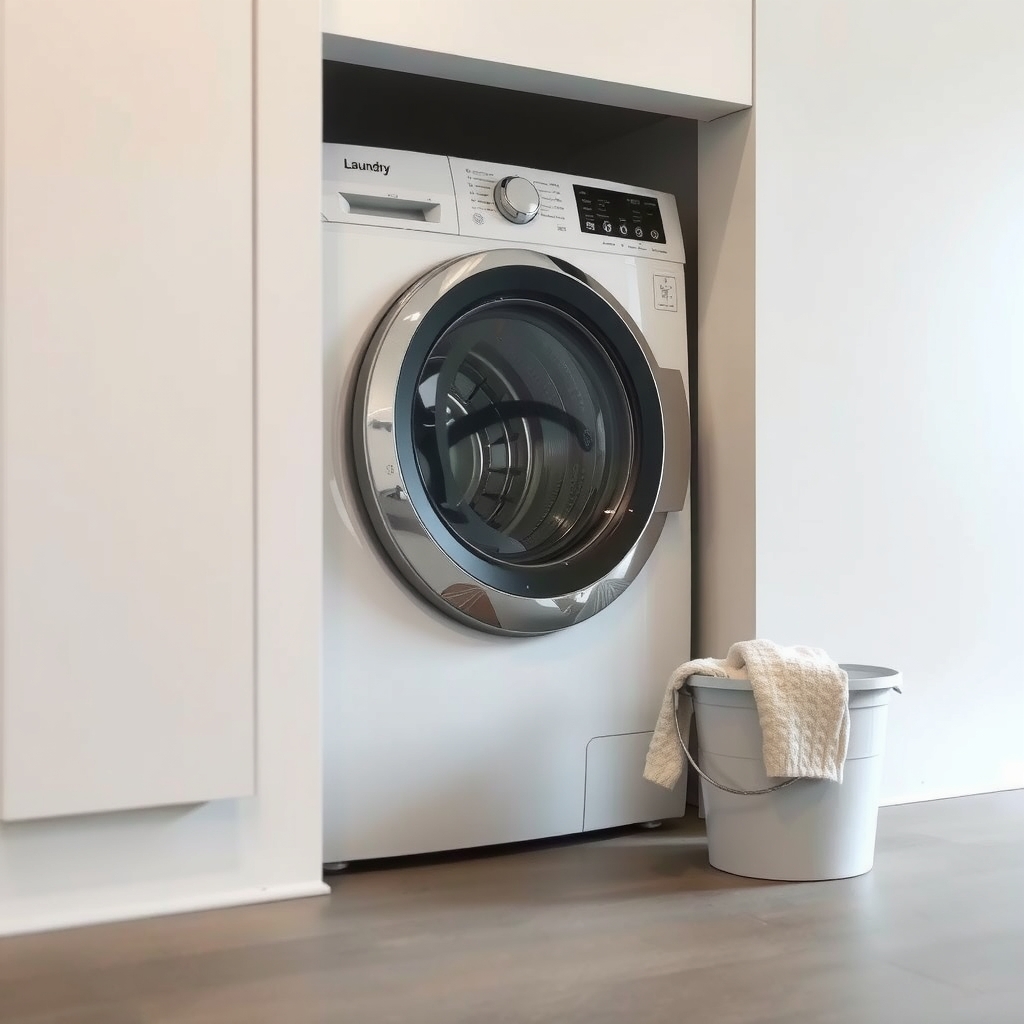
Most washers weigh well over 150 pounds. Prep it safely, then slide it on appliance sliders instead of lifting or dragging, and spare your back and floor.
By Jamilur Rahman Updated November 5, 2026 · 7 min read
- Time
- 45 min
- Cost
- $20-$50
- Difficulty
- Medium
In this guide
Quick answer
Most washers weigh well over 150 pounds, so do not lift or drag one. Unplug it, shut off both water valves, disconnect the hoses and drain what is left. Then tip one side up a little with a helper and slide an appliance slider under each foot. Sliders take the friction out, so you can push the washer across a smooth floor without scratches. For stairs or long moves, use an appliance dolly.
Free fix vs. permanent fix
Prep the machine and slide it on cardboard
- Unplug it and shut off both water valves
- Drain and disconnect the hoses
- Slip flattened cardboard under the feet
- Push slowly with a helper, using your legs and not your back
How long it lasts: Works for one short move on a smooth floor. Cardboard tears, towels bunch up, and your back and floor take the risk.
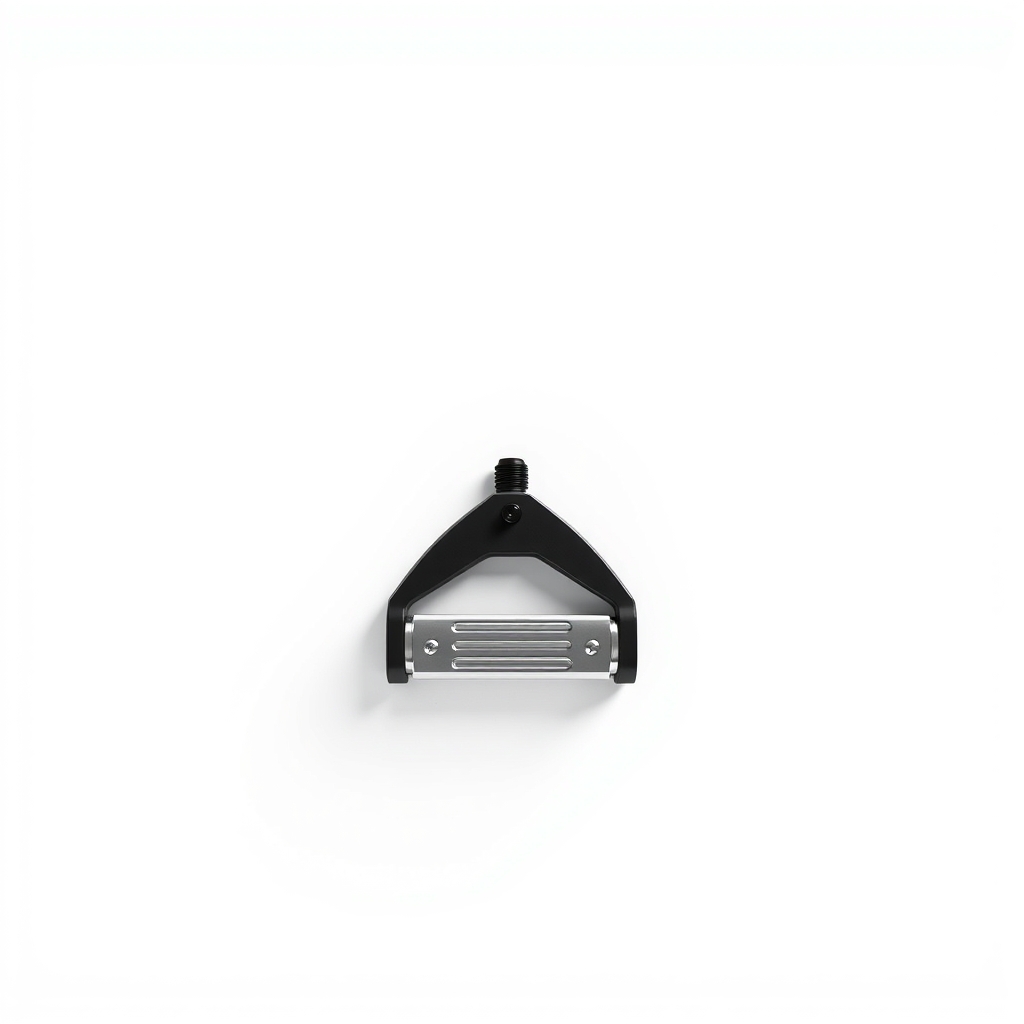
Appliance sliders under each foot
The weight is the problem, and the friction makes it worse. Sliders let the machine glide, so you push instead of carry. Smooth, soft-faced sliders protect the floor, and a set you keep makes every later move much easier.
What to get: Heavy-duty appliance sliders
How long it lasts: Years. Sliders are reusable, so you can pull the washer out to clean behind it, or move it again, whenever you need to.
As an Amazon Associate I earn from qualifying purchases.
What you'll need
-
Work gloves
For grip on the cabinet and hoses
You have it -
Bucket and old towels
For the water left in the hoses
You have it -
Flattened cardboard
Protects a delicate floor along the path
Free -
Adjustable pliers
For stiff hose couplings
You have it - Our pick Illustration
Appliance sliders
Pick a set rated for more than your washer weighs
- Illustration
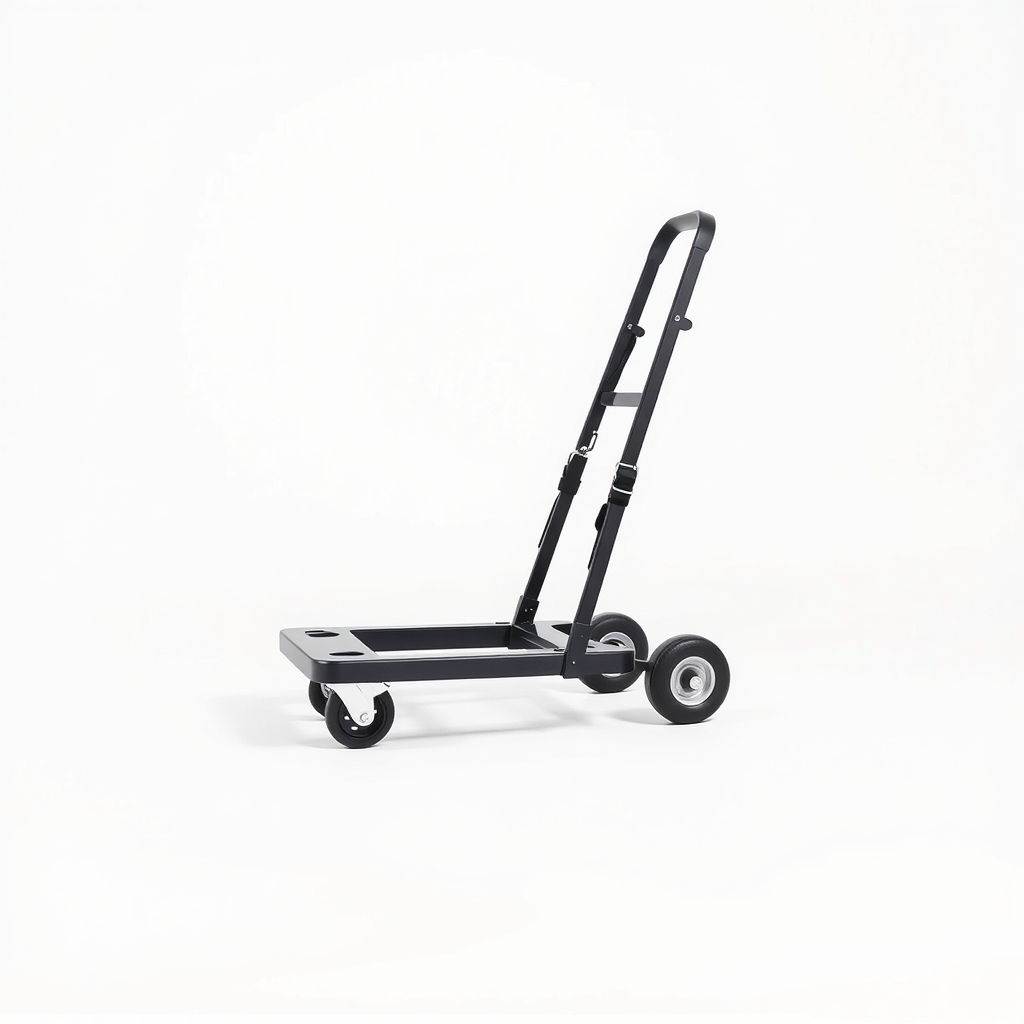
Appliance dolly with strap
For stairs, steps and long moves
Why it happens
Washers are heavy by design
A big drum, a motor and heavy counterweights keep the machine steady when it spins. Many washers weigh 150 to 250 pounds, and front-loaders are often the heaviest.
Water left inside
Water stays in the tub, hoses and pump even after a cycle. It adds weight and spills when you tip the machine.
Rubber feet that grip the floor
Adjustable feet have rubber pads that resist a push. Pushing hard can scuff vinyl or wood, and the machine can lurch.
Hoses, cord and tight spaces
A short cord and stiff hoses limit how far you can pull. A close wall leaves no room to get a hand behind it.
Try this first (free)
Do these in order, starting with the simplest.
-
Unplug the washer and shut off the water
Unplug the machine, and turn both the hot and cold valves to off. Do not move a washer that is still connected.
-
Disconnect and drain the hoses
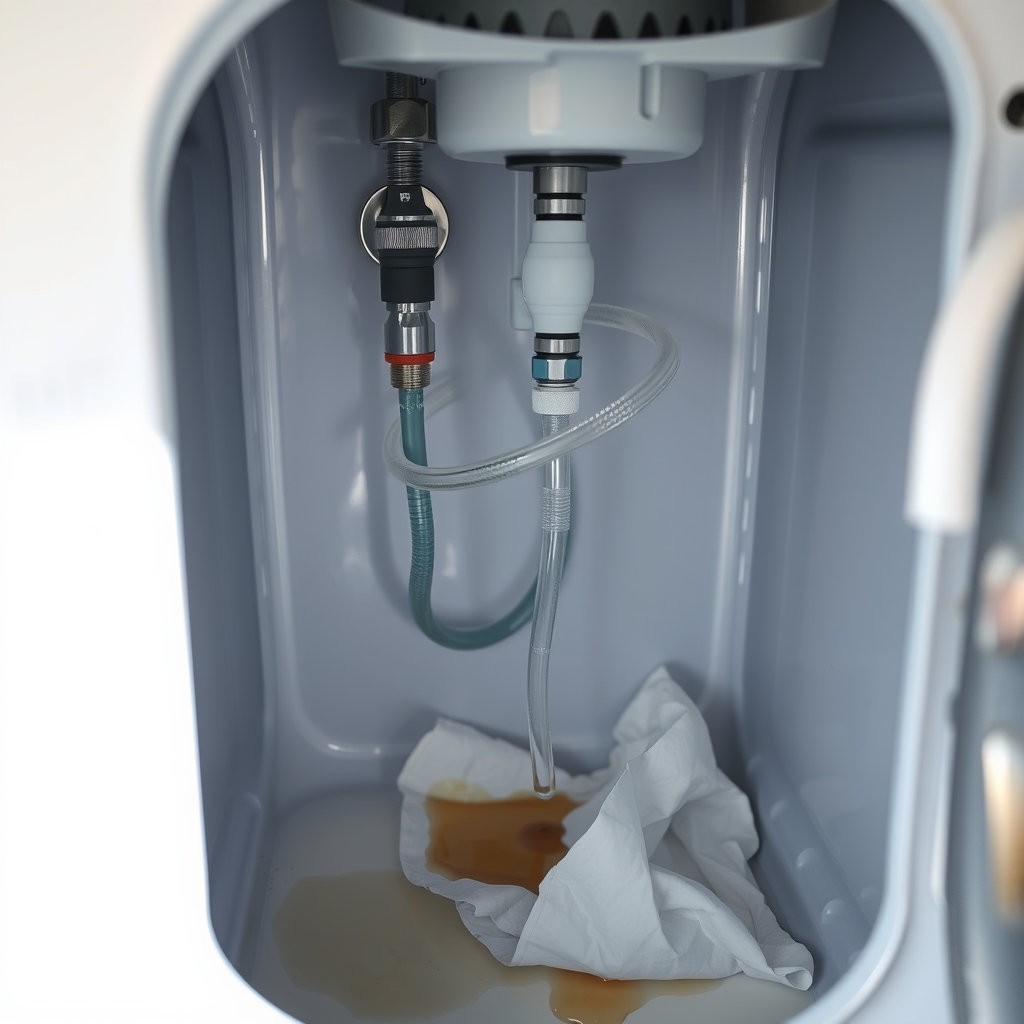
Tool used: Bucket and old towelsPut a bucket and towels under the hose connections. Unscrew the hoses by hand, or with pliers if they are tight, and let them drain. Pull the drain hose out of the standpipe. For a long move, check the manual for shipping bolts that lock the drum.
-
Clear and protect the path
Tool used: Flattened cardboardRemove rugs and anything you could trip on. Lay flattened cardboard along the path on a hardwood or vinyl floor, so grit does not scratch it.
-
Tip the machine and slide the sliders under
Tool used: Appliance slidersWith a helper, tip one side up just enough to slip a slider under each foot on that side. Then do the other side. Center each foot on its slider, and use the soft side on hard floors.
IllustrationCheck price on AmazonTool for this step
Appliance sliders · Pick a set rated for more than your washer weighs
-
Push slowly
Tool used: Work glovesPush from the side or the back with your legs, a few inches at a time, keeping your back straight. Have your helper watch the hoses, cord and floor. Do not pull on the lid or door.
-
Reconnect and level it
Tool used: Adjustable pliersTip each side up again to remove the sliders. Reconnect the hoses hand-tight, plus a little with pliers if the manual says so. Open the valves and check for drips, then plug in and adjust the feet until the washer does not rock.
When free fixes aren't enough
Cardboard and towels work once, on a smooth floor and over a short distance. They rip, bunch up and slip out from under a washer that weighs around 200 pounds, and the tilt needed to place them is where backs get hurt. Sliders stay under the feet, carry a rated weight and make repeat moves simple. If the route has stairs, a step, a threshold or thick carpet, sliders will not do. Use an appliance dolly with a strap and two people, or hire movers for a long move or steep stairs. Do not lay a washer on its side or back unless the manual says it is safe.
Buy the fix
Still stuck after the free fixes? These are the products we would look at.
| Pick | Product | Fixes | Who it's for | Buy |
|---|---|---|---|---|
| Best pick | Heavy-duty appliance sliders | the friction and weight that make a washer hard to push | Anyone moving a washer or dryer a few feet to clean behind it or swap it. | Check price |
| Upgrade pick | Appliance dolly with strap | moving a washer over stairs, steps and long distances | Anyone moving a washer to another room or floor, or over a step. Best with two people. | Check price |
Heavy-duty appliance sliders
Fixes: the friction and weight that make a washer hard to push
Look for: A weight rating that covers your washer with room to spare, since many weigh 150 to 250 pounds; A smooth underside, with a soft or felt side for hard floors; A raised lip or non-slip top that keeps the foot centered; A size that fits the washer's feet.
- Who it's for
- Anyone moving a washer or dryer a few feet to clean behind it or swap it.
- Honest downside
- Your route has stairs, steps or thresholds. Use a dolly instead.
Appliance dolly with strap
Fixes: moving a washer over stairs, steps and long distances
Look for: A weight rating well above the washer's weight; A ratchet or cam strap that cinches the machine; Stair rollers or a stair-climbing design; Grip handles you can hold with gloves on.
- Who it's for
- Anyone moving a washer to another room or floor, or over a step. Best with two people.
- Honest downside
- You only need to pull it forward a couple of feet to clean behind it. Sliders are cheaper and easier.
As an Amazon Associate I earn from qualifying purchases. We don't show prices because they change, so use the button to see today's price.
How we picked: How we picked: this page is based on washer manuals and moving guides from appliance makers, and the problems and fixes people report in reviews of appliance sliders and dollies. We do not test products by hand.
Sliders on carpet, wood and tile
- Carpet: use the smooth, hard side down so the slider glides over the pile.
- Hardwood and vinyl: use the soft or felt side down, and sweep first.
- Tile: either side works. Avoid sliding across loose or cracked tiles.
Moving it for a good reason: clean behind the washer
Pulling the washer out is also the best time to check the hoses for bulges or cracks, vacuum lint and wipe the wall. A hose that looks worn is worth replacing before you push the machine back.
What to skip
Dragging it by the lid or door, or tipping it on its side
The lid, door and hoses are not handles, and they can break or tear. A washer laid on its side can leak and damage the drum supports. Use the slider method, or a dolly with a strap.
Frequently asked questions
How heavy is a washing machine?
Do I need to drain the water before moving it?
Do I need to lock the drum of a front-loader before moving it?
Will sliders scratch my floor?
Related problems
As an Amazon Associate I earn from qualifying purchases. Affiliate disclosure