How to Stop Washing Machine Water Hammer (the Banging Pipes Fix)
That bang when the washer stops filling is a pressure shock in the pipes. Check the valves and pressure, then add arrestors to soak it up.
By Jamilur Rahman Updated November 5, 2026 · 6 min read
- Time
- 15 min
- Cost
- $20-$50
- Difficulty
- Easy
In this guide
Quick answer
Water hammer is a bang or knock in the pipes at the moment the washer stops filling. The machine's valve shuts in a split second, and the moving water slams into it. Make sure the supply valves are fully open, secure loose pipes and check your water pressure. If it still bangs, screw a pair of water hammer arrestors between the washer hoses and the wall valves. They absorb the shock, so the pipes stop knocking.
Free fix vs. permanent fix
Open the valves, check pressure, secure the pipes
- Open both washer valves all the way
- Look for loose pipes that can slap the wall
- Test house water pressure with a gauge
- In an older home, drain the pipes to refill the air chambers
How long it lasts: Can fix a loose pipe or a half-closed valve for good. If the cause is the washer's fast valve, the bang usually returns.
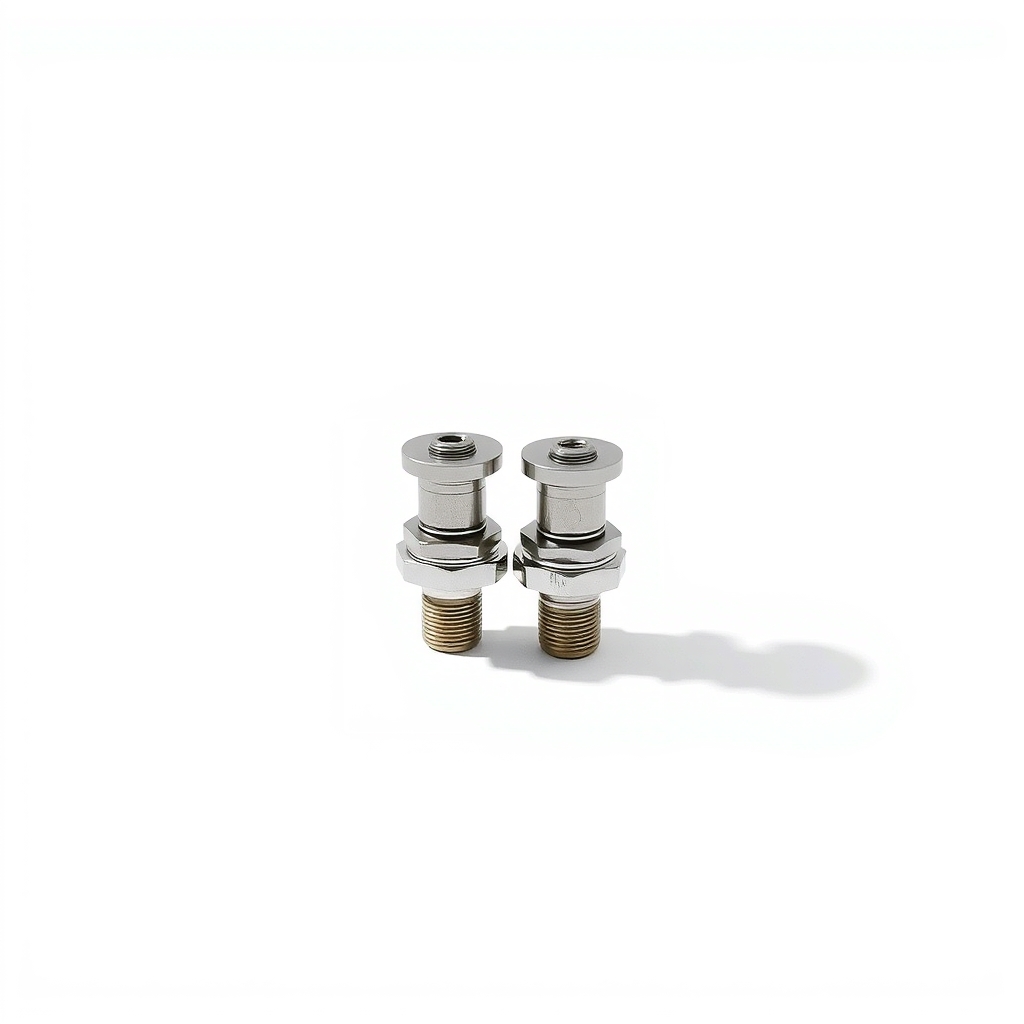
Washing machine water hammer arrestors
An arrestor holds a cushion that gives the pressure surge somewhere to go. One on each supply line stops the shock at the machine, with no plumbing work.
What to get: Washing machine water hammer arrestors (screw-on pair)
How long it lasts: Years. They sit in the line and absorb the shock on every fill.
As an Amazon Associate I earn from qualifying purchases.
What you'll need
-
Rag and small bucket
For the drips when you take the hoses off
You have it -
Adjustable pliers
For the last quarter turn on a fitting
You have it - Illustration
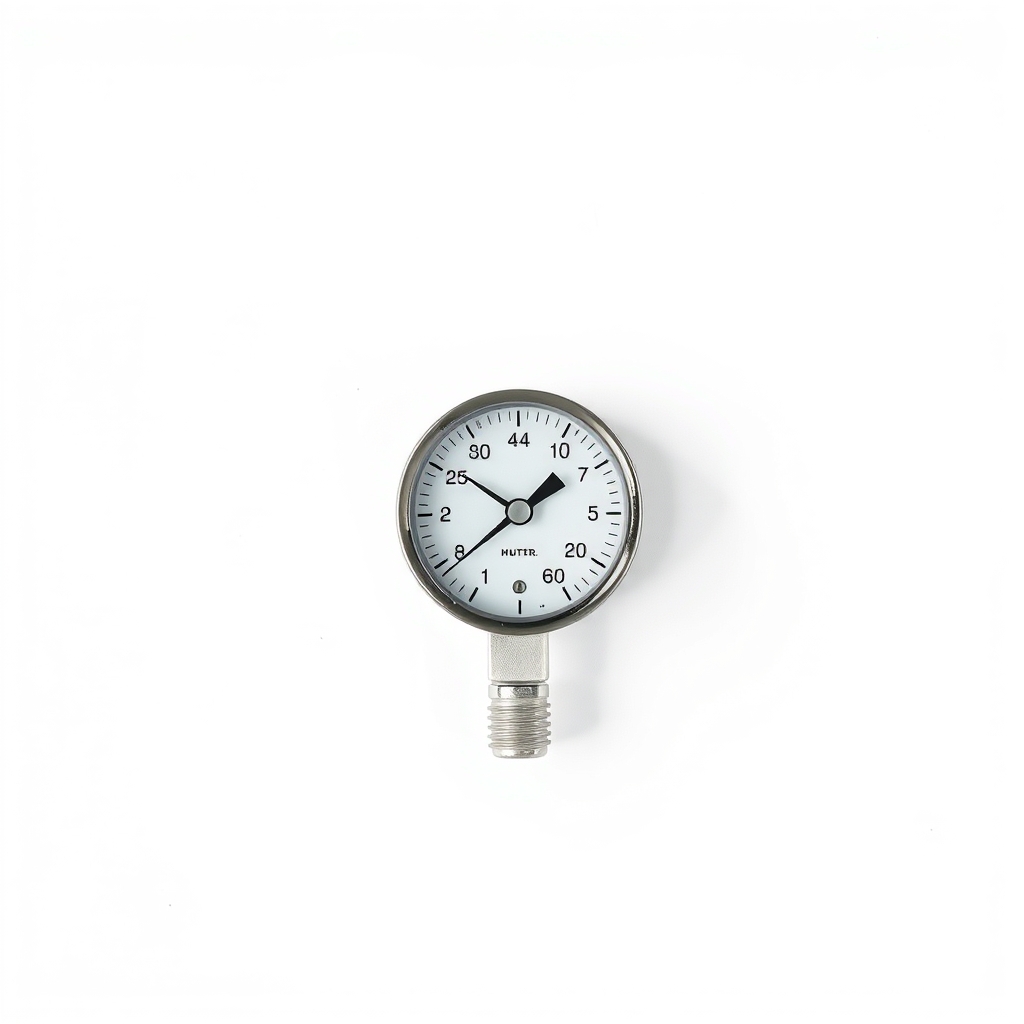
Water pressure gauge
Screws onto a hose-thread faucet; a few dollars and reusable
- Our pick Illustration
Washer water hammer arrestors
A pair, one for hot and one for cold
Why it happens
A washer valve that snaps shut
When the tub is full, the machine's fill valve closes in a split second. The water in the pipe has nowhere to go, so it hits the valve and sends a shock back through the line. You hear that as a bang.
High water pressure
Most homes run between 40 and 80 psi. Higher than that makes the shock stronger. A pressure gauge tells you where you stand.
Loose pipes
A pipe that can move will slap against a stud or joist when the shock hits, which makes the bang louder.
Waterlogged air chambers in an older home
Some older homes have short capped pipes that held air to cushion the shock. Over time they fill with water and stop working.
Try this first (free)
Do these in order, starting with the simplest.
-
Find out when it knocks
Note whether the bang comes only when the washer stops filling, or when other fixtures shut off too. If it is only the washer, the machine's fast valve is the trigger.
-
Open both valves all the way
A valve that is only partly open can make the water chatter and bang. Turn both washer valves fully open, hot and cold.
-
Check the water pressure
Tool used: Water pressure gaugeWith no water running in the house, screw a gauge onto an outdoor faucet or the laundry valve and read it. Steady pressure above about 80 psi is hard on pipes, and a plumber can fit or adjust a pressure-reducing valve.
IllustrationCheck price on AmazonTool for this step
Water pressure gauge · Screws onto a hose-thread faucet; a few dollars and reusable
-
Secure loose pipes
Look along the exposed pipes in a basement, crawlspace or wall opening. A pipe that moves when you push it needs a strap or foam cushion where it touches the framing.
-
Drain the lines in an older home
Turn off the main valve, open the faucets to drain the pipes, then close them and turn the water back on. If your pipes have air chambers, this refills them with air. Open a faucet briefly to purge any trapped air.
-
Fit the arrestors
Tool used: Washer water hammer arrestorsTurn both washer valves off. Unscrew each hose, screw an arrestor onto each valve, then connect the hose to the arrestor. Hand-tight plus a quarter turn with pliers is usually enough. Turn the water on and check for drips.
IllustrationCheck price on AmazonTool for this step
Washer water hammer arrestors · A pair, one for hot and one for cold
When free fixes aren't enough
If the pressure is normal, the valves are open and the pipes are secure, but the knock continues, the cause is the washer's quick-closing fill valve, and nothing at the wall can slow that down. Arrestors on the hookup add the cushion the pipes lack. If the bang comes from several fixtures, the pressure reads above 80 psi or a pipe is leaking, an arrestor at the washer will not be enough. Call a plumber for a pressure-reducing valve, or for arrestors installed in the wall.
Buy the fix
Still stuck after the free fixes? These are the products we would look at.
Washing machine water hammer arrestors (screw-on pair)
Fixes: pipes that bang when the washer's fill valve shuts
Look for: A pair, one for hot and one for cold; 3/4 inch hose threads on both ends, to fit the washer valves and hoses; A sealed piston or chamber design that absorbs the shock; A metal body, not thin plastic.
- Who it's for
- Anyone whose pipes knock when the washer stops filling and who has checked the valves and the pressure.
- Honest downside
- The banging happens all over the house, or your pressure reads above 80 psi. Fix the pressure first, with a plumber.
As an Amazon Associate I earn from qualifying purchases. We don't show prices because they change, so use the button to see today's price.
How we picked: How we picked: this page is based on plumbing guides on water hammer and water pressure, instructions from arrestor makers, and the problems and fixes people report in reviews. We do not test products by hand.
Is it really water hammer?
- A sharp bang or knock when the water stops: water hammer.
- A rattle or buzz while the washer fills: a loose pipe or a valve that is not fully open.
- A whistle or squeal: a partly closed valve or a worn washer inside it.
- Thumping during the spin cycle: the washer is out of level, which is a different fix.
What your pressure reading means
Most homes run between about 40 and 80 psi. Read the gauge with no water running. If the needle sits above 80, the pipes are under more strain than they should be, and a plumber can fit a pressure-reducing valve. If it sits well below 40, the banging is not about pressure.
What to skip
Closing the valves partway to quiet it
Turning a valve partly closed can soften the bang, but it slows the fill and may only change the noise to a chatter. It does nothing to absorb the shock. Use arrestors instead.
Frequently asked questions
Can water hammer damage my pipes?
Where do water hammer arrestors go on a washer?
Why does the banging only happen with my washer?
Do I need a plumber for this?
Related problems
As an Amazon Associate I earn from qualifying purchases. Affiliate disclosure