Water Filter Jug Going Green? The Algae Reset and a Better Pitcher
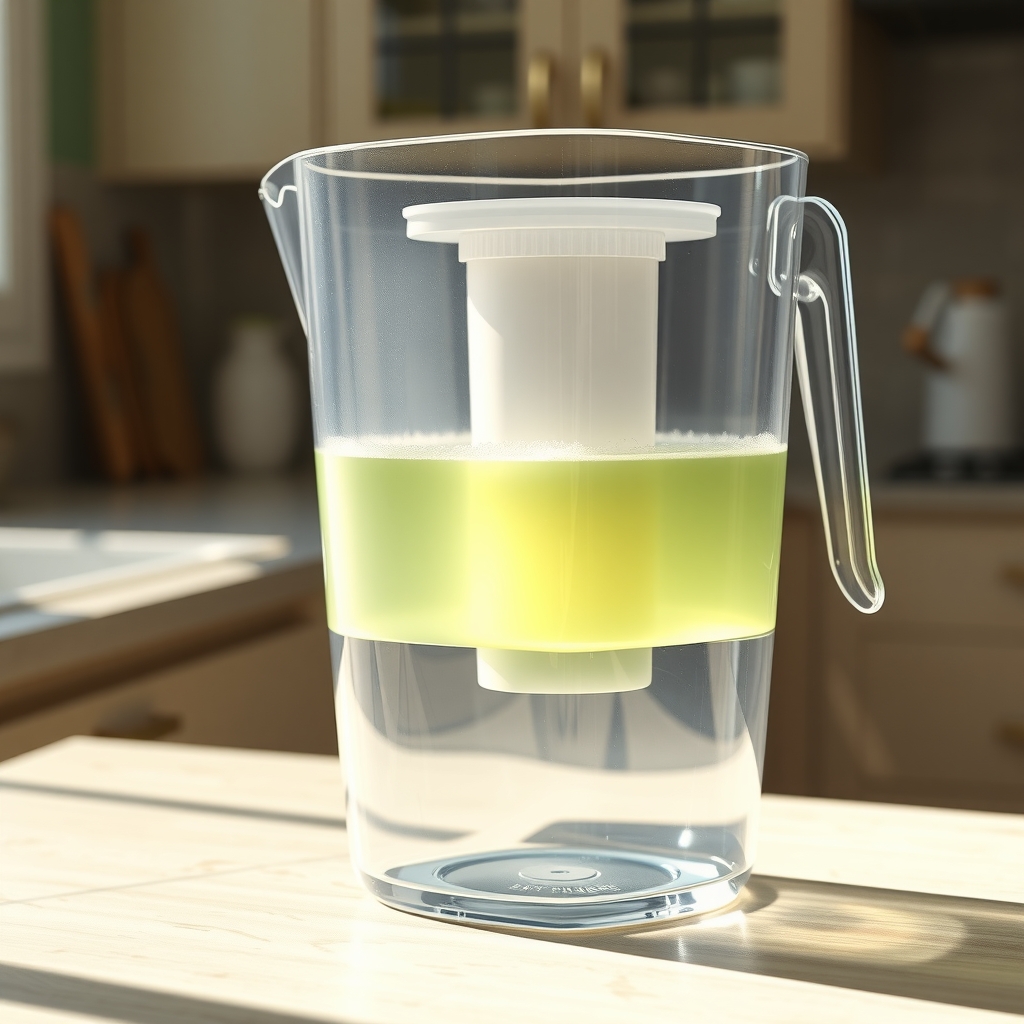
Green film in your filter jug is algae, fed by light and warmth. Wash it out, then block the light with an opaque pitcher so it stays gone.
By Jamilur Rahman Updated November 5, 2026 · 7 min read
- Time
- 30 min
- Cost
- $20-$50
- Difficulty
- Easy
In this guide
Quick answer
Why is my water filter jug going green? Algae is growing inside it, because clear plastic lets in light and filtered water has lost the chlorine that slows growth. Pour out the water, wash every part, soak it in vinegar and swap the filter if it sat in green water. To keep it from coming back, store the jug in the fridge and think about an opaque pitcher that blocks the light.
Free fix vs. permanent fix
Wash it out and store it cold
- Pour out the water and take the jug apart
- Scrub it, then soak the parts in a vinegar and water mix
- Replace the filter if it sat in green water
- Keep the jug in the fridge, out of direct sun
How long it lasts: Weeks to a few months. If a clear jug goes back on a bright or warm counter, the green returns.
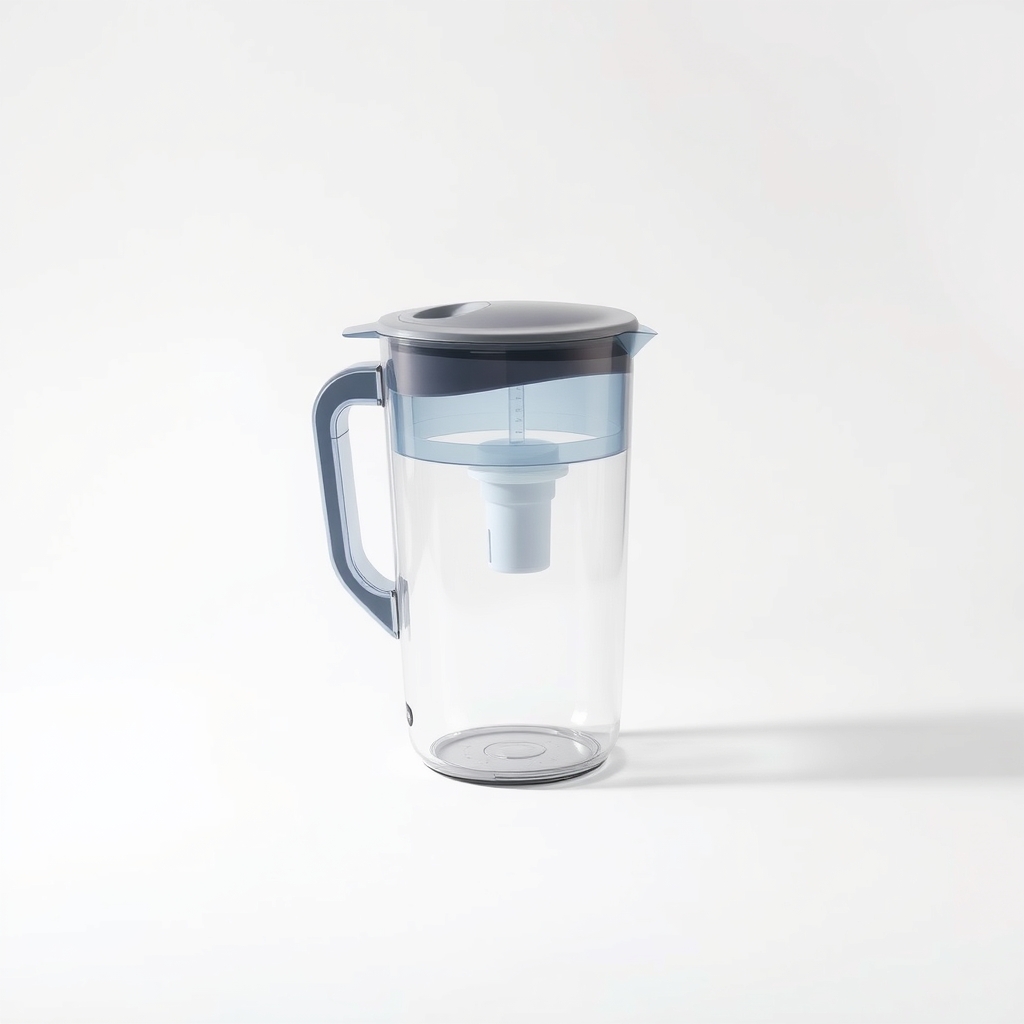
An opaque filter pitcher
Washing removes the green you have now, but you cannot wash light out of a clear jug. A solid-colored pitcher takes away the thing algae needs, so you scrub far less often. You still need to wash it, just not on a rescue schedule.
What to get: Opaque water filter pitcher
How long it lasts: For the life of the pitcher. Algae needs light, and a solid body keeps most of it out.
As an Amazon Associate I earn from qualifying purchases.
What you'll need
-
Dish soap
Mild soap for every part
You have it -
White vinegar
Loosens film and removes the smell
You have it - Illustration
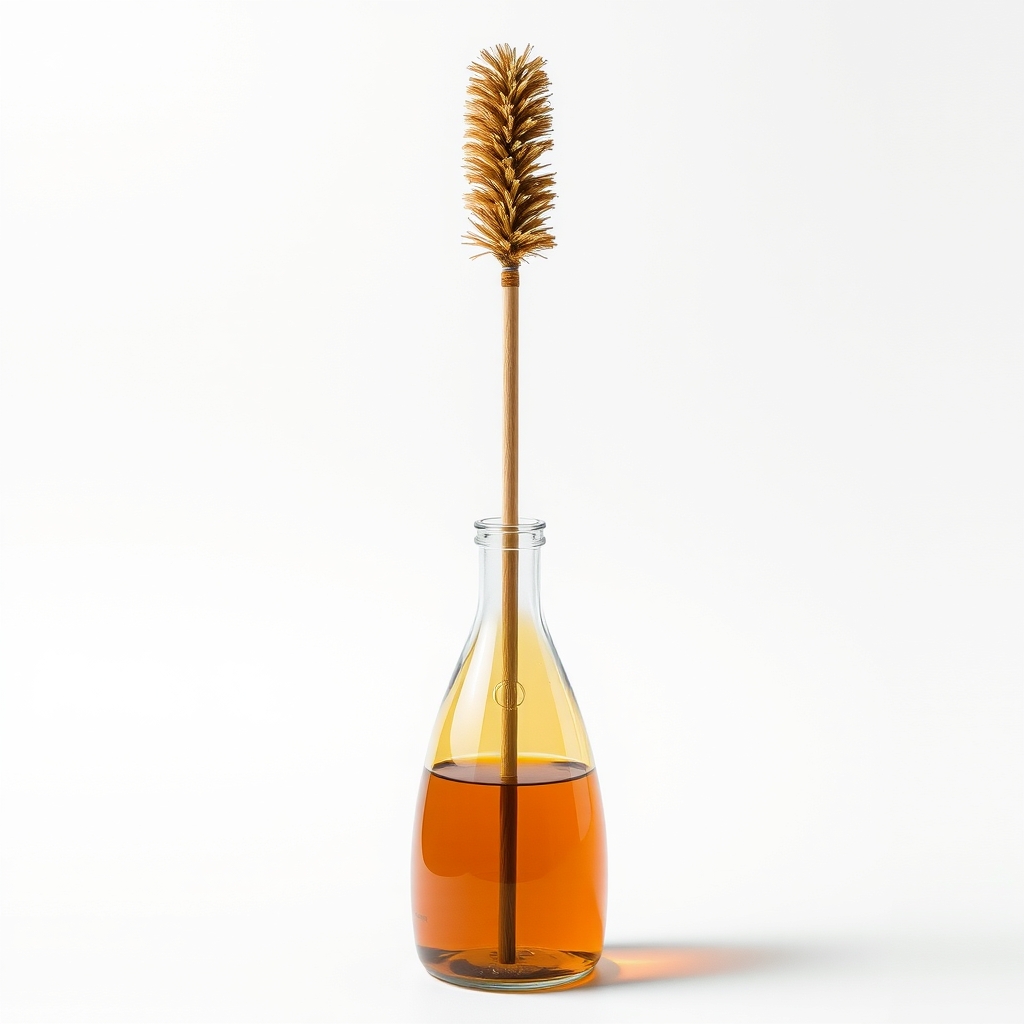
Long-handle bottle brush
Reaches the corners and spout that a sponge cannot
- Illustration
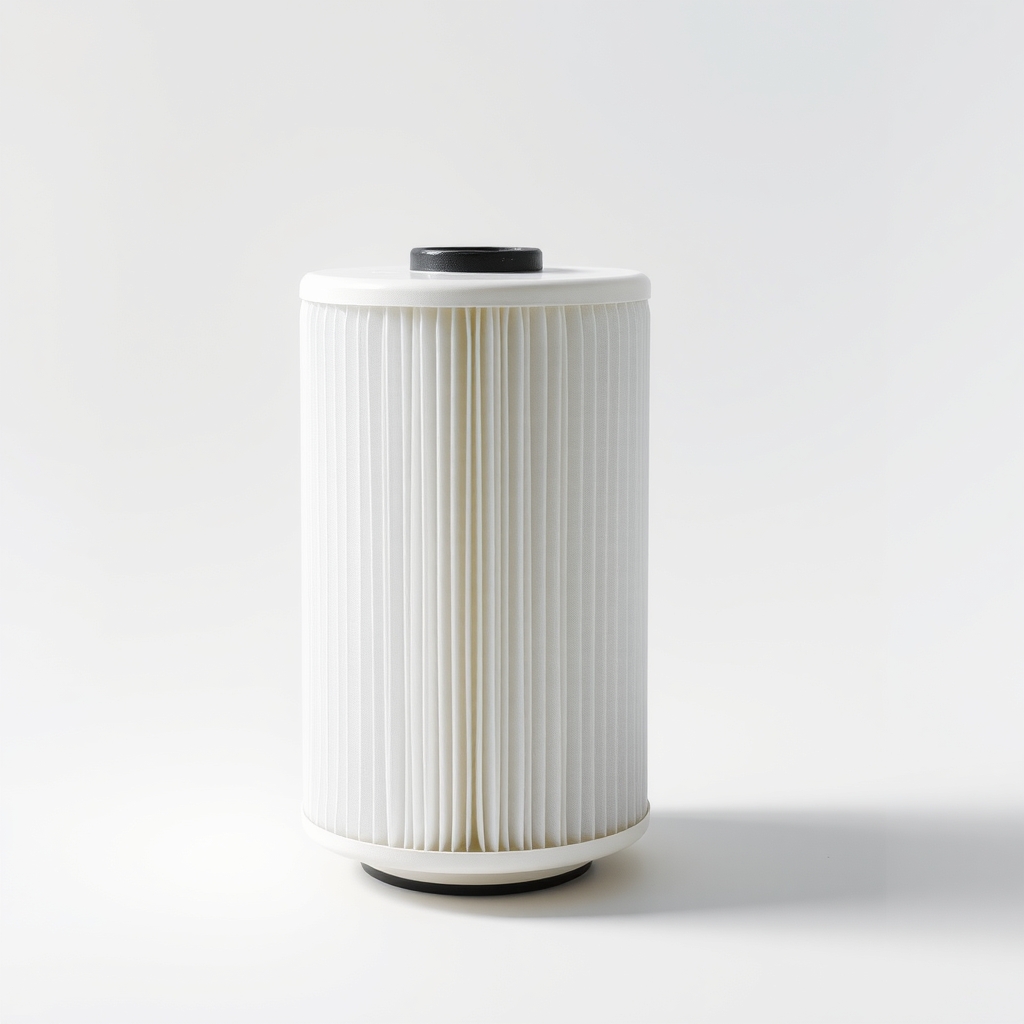
Replacement filter cartridge
Only if the old one sat in green water or is past its date. It must match your pitcher model
- Our pick Illustration
Opaque water filter pitcher
Blocks the light algae needs
Why it happens
Light through clear plastic
Algae grows from light, water and a little food. A clear jug on a counter or windowsill gives it the light. Even bright room light is enough over a few weeks.
Filtered water that sits warm
Tap water often carries a small amount of chlorine that holds growth back. A filter removes it. Filtered water left on the counter for days is an easy place for slime to start.
Parts that never get washed
Most people rinse the jug but skip the lid, the spout and the underside of the reservoir. A thin film builds there and seeds new growth every time you refill.
A filter left too long
A filter past its date, or one that sits wet while the jug is empty, can get slimy too. Brita-type standard filters are usually changed about every two months or 40 gallons. Check your own box.
Try this first (free)
Do these in order, starting with the simplest.
-
Pour it out and take it apart
Throw out any water that looks green or smells off. Separate the lid, reservoir, jug and filter. Do not just top it up.
-
Scrub every part with dish soap
Tool used: Long-handle bottle brushWash in warm soapy water with a bottle brush. Get into the spout, the lid hinge and the bottom corners. Your manual may allow the top rack of a dishwasher, but check, since some lids warp.
IllustrationCheck price on AmazonTool for this step
Long-handle bottle brush · Reaches the corners and spout that a sponge cannot
-
Soak the parts in vinegar
Tool used: White vinegarMix one part white vinegar with about three parts warm water and soak the jug and reservoir for 15 to 30 minutes. Rinse well until there is no vinegar smell. Skip bleach.
-
Decide whether the filter stays
Tool used: Replacement filter cartridgeIf it sat in green water, or it is past its replacement date, swap it. Rinse the new one as the box says before first use, and pour out the first few pitchers.
IllustrationCheck price on AmazonTool for this step
Replacement filter cartridge · Only if the old one sat in green water or is past its date. It must match your pitcher model
-
Refill and keep it cold
Fill it, put it in the fridge and use it within a few days. Wash it again every week or two. Cold water slows growth a lot.
When free fixes aren't enough
If the jug lives on the counter, or your kitchen gets bright sun, a clear one will go green again even after a good wash. You are fighting light, and washing cannot stop that. An opaque pitcher blocks it. If you see black or fuzzy spots rather than a green film, or the plastic smells or stays stained after cleaning, stop using it and replace it. Scratched, cloudy plastic holds film more easily.
Buy the fix
Still stuck after the free fixes? These are the products we would look at.
| Pick | Product | Fixes | Who it's for | Buy |
|---|---|---|---|---|
| Best pick | Opaque water filter pitcher | algae growing in a clear pitcher | Anyone whose jug sits on the counter or in a bright kitchen, or who is tired of scrubbing green film. | Check price |
| Budget pick | Long-handle bottle brush for pitchers | slime and film in corners you cannot reach by hand | People who like their current pitcher and just want a reliable way to scrub it. | Check price |
Opaque water filter pitcher
Fixes: algae growing in a clear pitcher
Look for: A solid or tinted body that blocks light, not clear plastic; A wide lid opening or removable reservoir so you can wash it; Replacement filters that are easy to find and list what they are certified to reduce; A size that fits your fridge shelf or door.
- Who it's for
- Anyone whose jug sits on the counter or in a bright kitchen, or who is tired of scrubbing green film.
- Honest downside
- You always keep the jug in the fridge and the free steps are enough. You can also skip it if you like seeing the water level and do not mind a weekly wash.
Long-handle bottle brush for pitchers
Fixes: slime and film in corners you cannot reach by hand
Look for: Soft bristles that will not scratch plastic; A long or bendable handle that reaches corners; Bristles you can rinse clean.
- Who it's for
- People who like their current pitcher and just want a reliable way to scrub it.
- Honest downside
- Your pitcher is cracked, stained for good or has black spots after scrubbing. Replace the pitcher instead.
As an Amazon Associate I earn from qualifying purchases. We don't show prices because they change, so use the button to see today's price.
How we picked: How we picked: this page is based on pitcher care instructions from filter makers, general food-safety cleaning advice and what owners report in reviews of filter pitchers. We do not test products by hand.
Algae or mold? How to tell
Algae looks like a thin green or yellow-green film or slime on the inside walls, often where light hits. Mold looks fuzzy or spotty, usually white, gray or black, and often sits on the lid or under the rim. Both mean it is time for a full wash. Algae washes off. Fuzzy mold or a smell that stays after soaking is a reason to replace the jug.
A simple routine that keeps it clean
- Weekly: pour out the old water, wash the jug, lid and reservoir with dish soap, and refill.
- Every month or so: soak the parts in a vinegar and water mix and rinse.
- Every filter change: clean everything first, then fit the new filter.
What to skip
Bleach soaks and topping up old water
Skip bleach and harsh cleaners. They can leave a smell and taste in the plastic, and some pitchers do not tolerate them. Dish soap and vinegar are enough. Also skip topping up: pour out the old water before you refill, so the jug never holds the same water for days.
Frequently asked questions
Is it safe to drink water from a filter jug that went green?
Why does my water filter jug go green, and why is my Brita filter jug going green?
How do I stop my water filter jug going green for good?
How do I prevent mold in a water filter pitcher?
Is there a water filter pitcher with no mold?
Related problems
 Free fix inside
Kitchen · Water Filter Pitcher
Water Filter Pitcher Smells Like Fish? Replace This First
Read the fix Free fix inside
Kitchen · Water Filter Pitcher
Brita Pitcher Filter So Slow? Why It Clogs and How to Speed It Up
Read the fix Free fix inside
Kitchen · Water Filter Pitcher
Water Filter Pitcher Not Plastic? 3 Glass Pitchers Worth Buying
Read the fix Free fix inside
Kitchen · Electric Kettle
White Stuff in Your Electric Kettle? It's Limescale: Remove It Fast
Read the fixAs an Amazon Associate I earn from qualifying purchases. Affiliate disclosure