Brita Pitcher Filter So Slow? Why It Clogs and How to Speed It Up
A slow filter is usually trapped air, a clogged cartridge or one that is past its date. Fix the cheap causes first, then swap in a fresh filter.
By Jamilur Rahman Updated November 5, 2026 · 6 min read
- Time
- 20 min
- Cost
- $20-$50
- Difficulty
- Easy
In this guide
Quick answer
Why is my Brita pitcher filter so slow? Most of the time the cartridge has trapped air, is clogged with sediment or scale, or is past its replacement date. Reseat it, clear the air, fill the top reservoir all the way and check the date. If it is old, a fresh filter fixes it, and a high-flow filter made for your pitcher keeps it from dragging again.
Free fix vs. permanent fix
Clear the air and reseat the filter
- Remove the filter and push it back in firmly
- Soak it upright in cold water to release air
- Rinse the reservoir and fill it to the top
- Check how old the filter is
How long it lasts: Often fixes a new, trapped-air filter for good. On an old, clogged one, it helps for a few days at most.
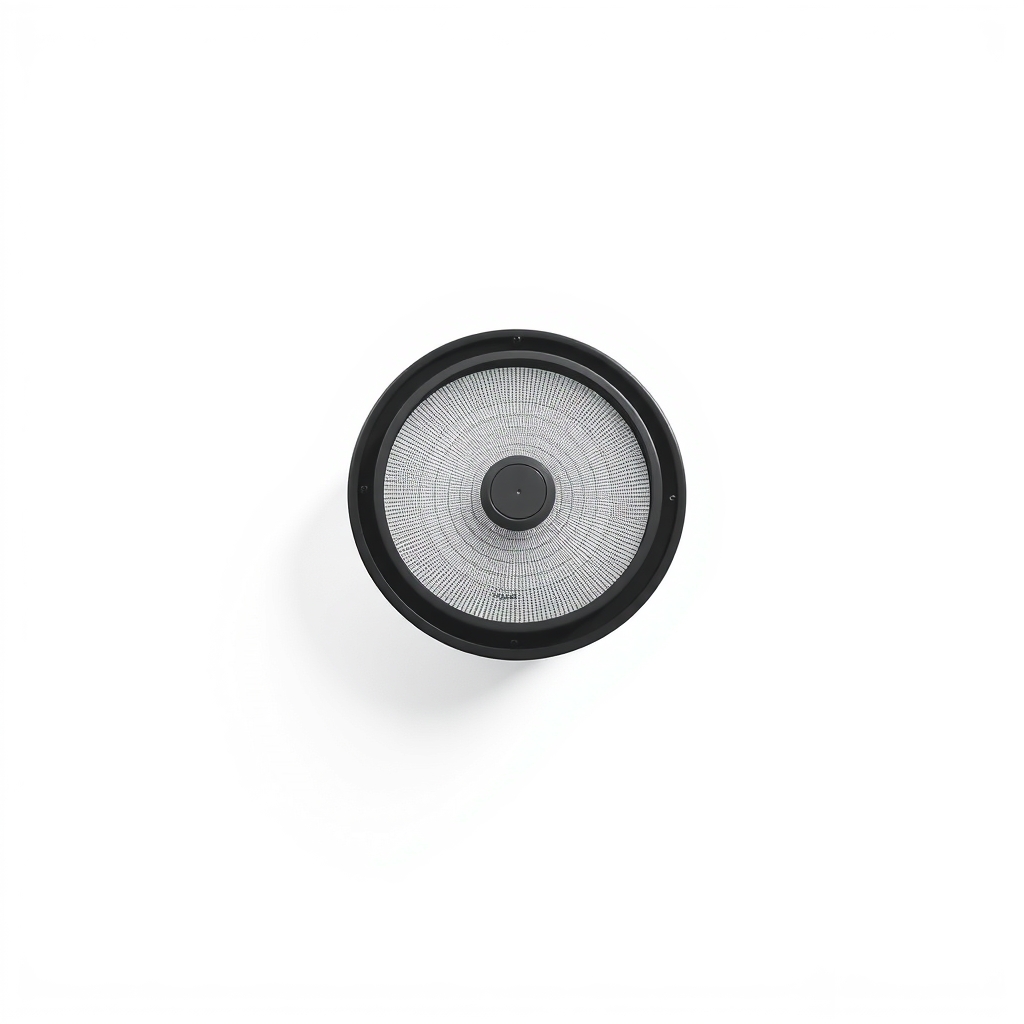
A fresh, high-flow replacement filter
A clogged cartridge cannot be cleaned back to new, because the media inside is what is blocked. Fitting a fresh one made for your pitcher, with a flow rate you can live with, is the fix that holds.
What to get: High-flow replacement filter for your pitcher model
How long it lasts: Several weeks to months, depending on your water and the filter you choose.
As an Amazon Associate I earn from qualifying purchases.
What you'll need
-
Bowl of cold water
For soaking out trapped air
You have it -
Marker or phone reminder
To date each new filter and set the next change
Free - Our pick Illustration
High-flow replacement pitcher filter
Must match your exact pitcher model
- Illustration
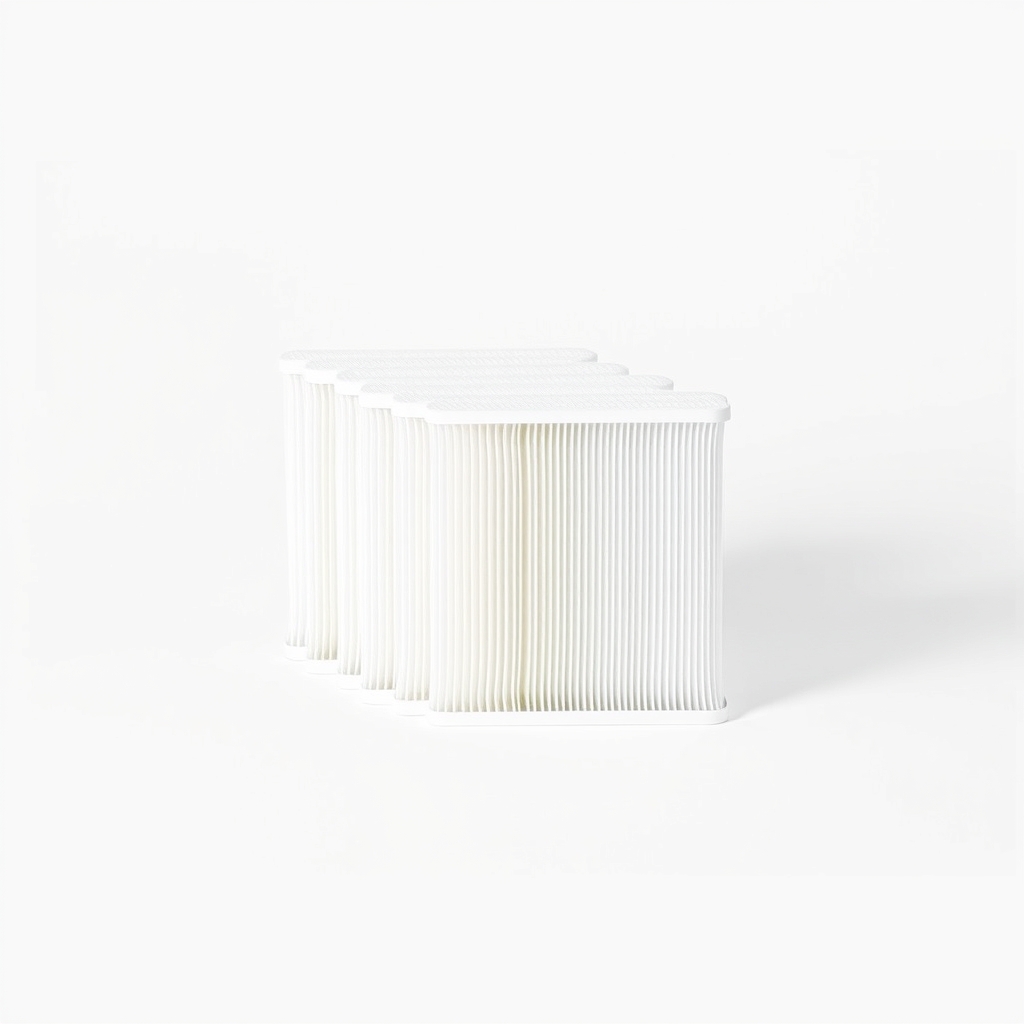
Multi-pack of standard replacement filters
Lower cost per filter if you change on schedule
Why it happens
Trapped air in a new filter
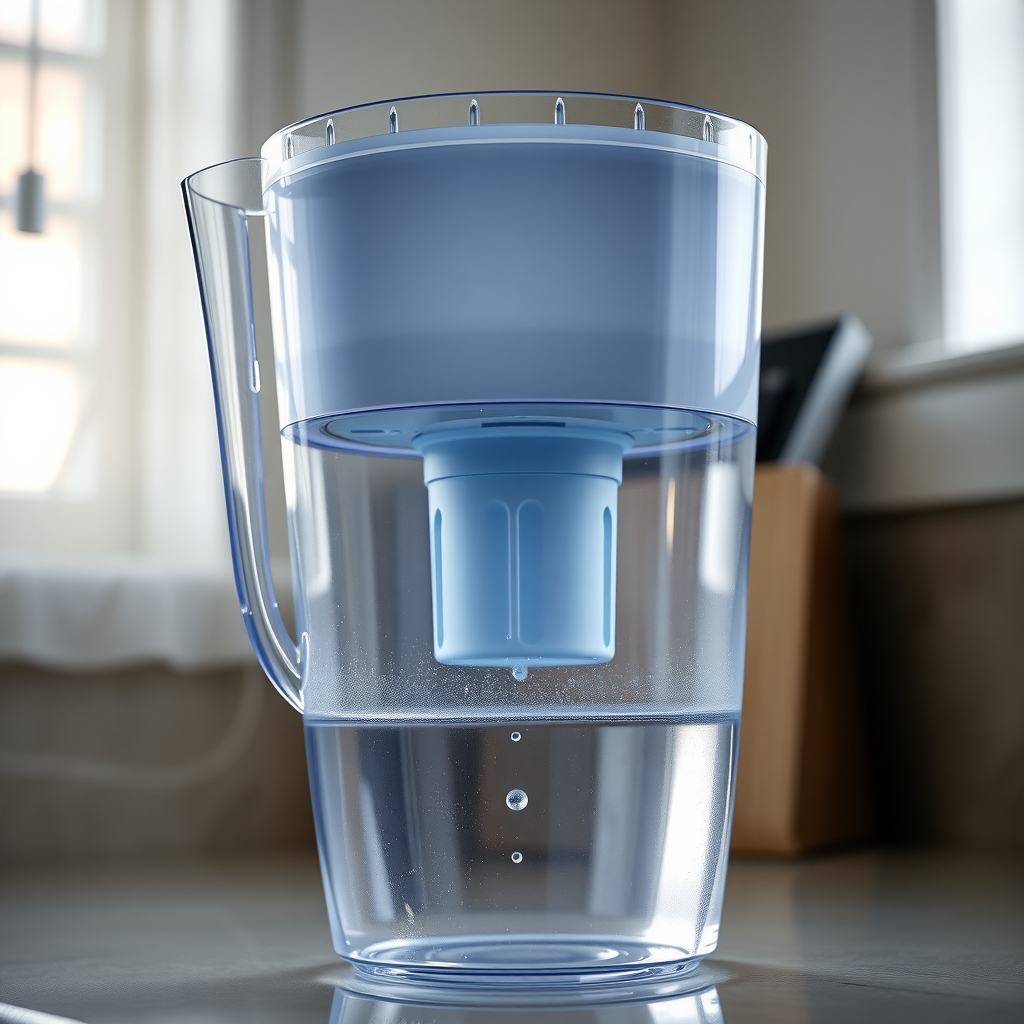
A dry cartridge can hold an air pocket that blocks the water. A filter that floats instead of sitting low in the water is the usual sign.
A filter that is past its date
Brita standard filters are usually changed about every two months or 40 gallons, and the longer-life ones less often. Past that, the media clogs and flow drops.
Sediment, scale or hard water
Particles and minerals in tap water collect in the cartridge. Hard water or well water clogs a filter sooner than the box dates assume.
A filter that is not seated well
If the cartridge is loose or tilted in its seat, water bypasses it or pools above it. A firm press often changes the flow right away.
A denser longer-life filter
Some long-life filters pack in more media and flow slower by design. Owners often report this. It is not a fault, but it can feel like one.
Try this first (free)
Do these in order, starting with the simplest.
-
Remove the filter and reseat it firmly
Lift it out and press it back until it clicks or sits flat. A loose filter lets water pool above it and slows the flow.
-
Soak it upright to release air
Tool used: Bowl of cold waterHold the filter upright in a bowl of cold water for 15 to 20 minutes, then rinse it under cold tap water for about 20 seconds. Fit it back in.
-
Fill the top reservoir all the way
A full reservoir pushes water through faster than a half-full one. Use cold tap water only. Hot water can damage the filter.
-
Check the age and date it
Tool used: Marker or phone reminderIf you cannot remember when you changed it, treat it as old. Write the change date on the new one and set a reminder for the next.
-
Swap it if it is past its date
Tool used: High-flow replacement pitcher filterRinse the new cartridge for about 15 seconds before first use, or as the box says. Pour out the first few pitchers, since a little carbon dust is normal.
IllustrationCheck price on AmazonTool for this step
High-flow replacement pitcher filter · Must match your exact pitcher model
When free fixes aren't enough
If the filter is new, seated well and soaked, and flow is still slow after a day or two, the cartridge may be a dense long-life type that simply flows slowly, or your tap water carries a lot of sediment. If it is old, no rinse will bring it back. A fresh filter fixes it. If your water is cloudy or very hard, expect to change the filter sooner than the box says. If the water tastes bad even after a new filter, see the related page on smells.
Buy the fix
Still stuck after the free fixes? These are the products we would look at.
| Pick | Product | Fixes | Who it's for | Buy |
|---|---|---|---|---|
| Best pick | High-flow replacement filter for your pitcher model | a slow, clogged or worn-out pitcher filter | Anyone whose filter is past its date, or who finds the current type too slow to use. | Check price |
| Budget pick | Multi-pack of standard replacement filters | a slow filter, at a lower cost per change | Households that change filters on time and want the lowest cost per filter. | Check price |
High-flow replacement filter for your pitcher model
Fixes: a slow, clogged or worn-out pitcher filter
Look for: An exact fit for your pitcher model, so check the model number; A listed flow rate or owner reviews that mention fast filtering; Certification for what you want it to reduce, such as chlorine or lead; A change interval you can keep up with.
- Who it's for
- Anyone whose filter is past its date, or who finds the current type too slow to use.
- Honest downside
- Your filter is new and only needs air cleared. Skip buying until the free steps fail. Do not buy one that does not match your pitcher.
Multi-pack of standard replacement filters
Fixes: a slow filter, at a lower cost per change
Look for: A match for your pitcher model; A pack of three or more, so each filter costs less; Standard-life media, which flows faster than long-life ones.
- Who it's for
- Households that change filters on time and want the lowest cost per filter.
- Honest downside
- You rarely change filters. A pack will sit in the cupboard, and a clogged filter is the problem.
As an Amazon Associate I earn from qualifying purchases. We don't show prices because they change, so use the button to see today's price.
How we picked: How we picked: this page is based on filter-maker instructions for rinsing and replacement, general water-filter guidance and what owners report in reviews. We do not test products by hand.
How to prime a new filter correctly
Follow the box first, since models differ. Most call for a short rinse under cold running water, about 15 seconds. Seat the filter firmly, fill the top with cold tap water and pour out the first few pitchers. A few specks of carbon dust are normal. If the filter floats, it has trapped air, so soak it upright and try again.
What to skip
Banging, boiling and washing the cartridge
Do not tap the filter on the counter, pour hot water through it or scrub the media. You can break the cartridge, and hot water can harm the carbon. Once it is clogged with sediment, it does not clean back to new.
Frequently asked questions
Why is my water filter jug not working?
Why is my Brita filter pitcher not working at all?
Why is my water filter pitcher not working after I changed the filter?
How often should I replace my Brita pitcher filter?
Related problems
 Free fix inside
Kitchen · Water Filter Pitcher
Water Filter Jug Going Green? The Algae Reset and a Better Pitcher
Read the fix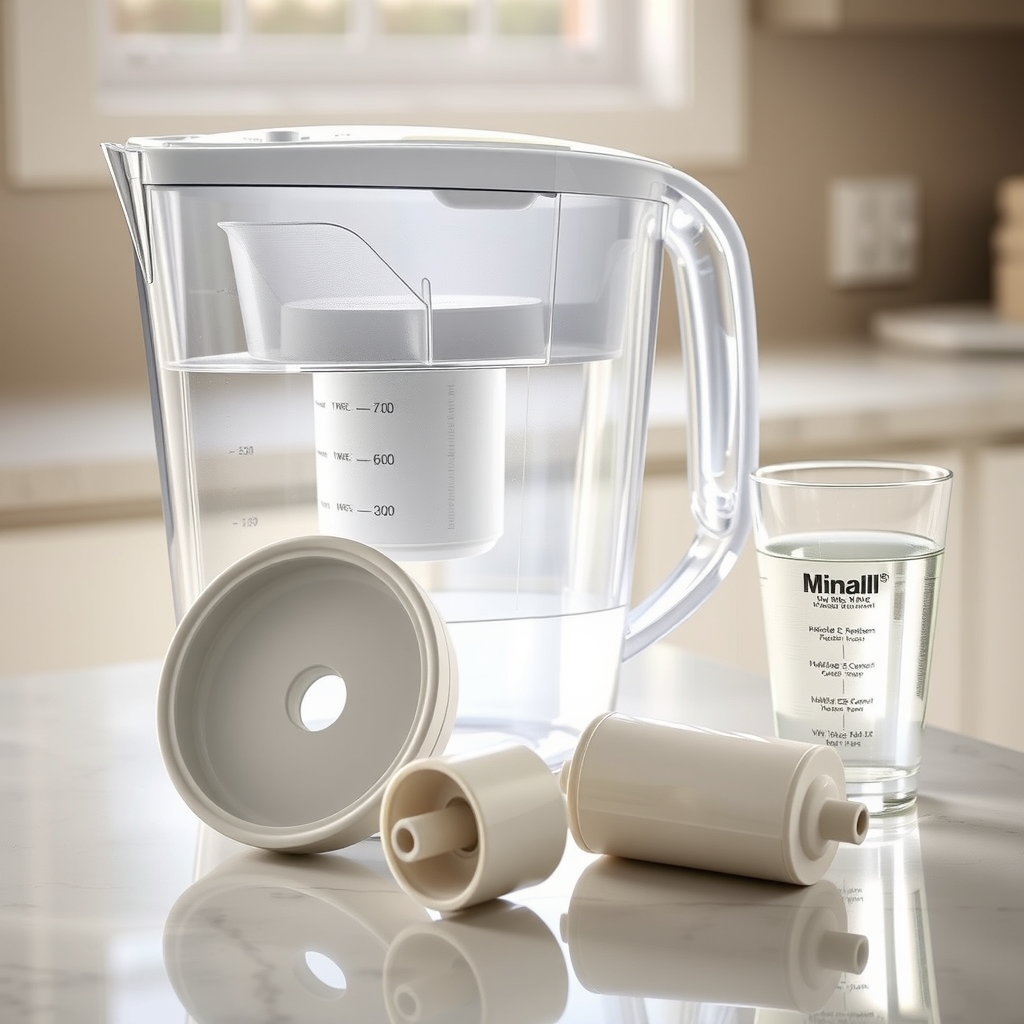 Free fix inside
Kitchen · Water Filter Pitcher
Water Filter Pitcher Smells Like Fish? Replace This First
Read the fix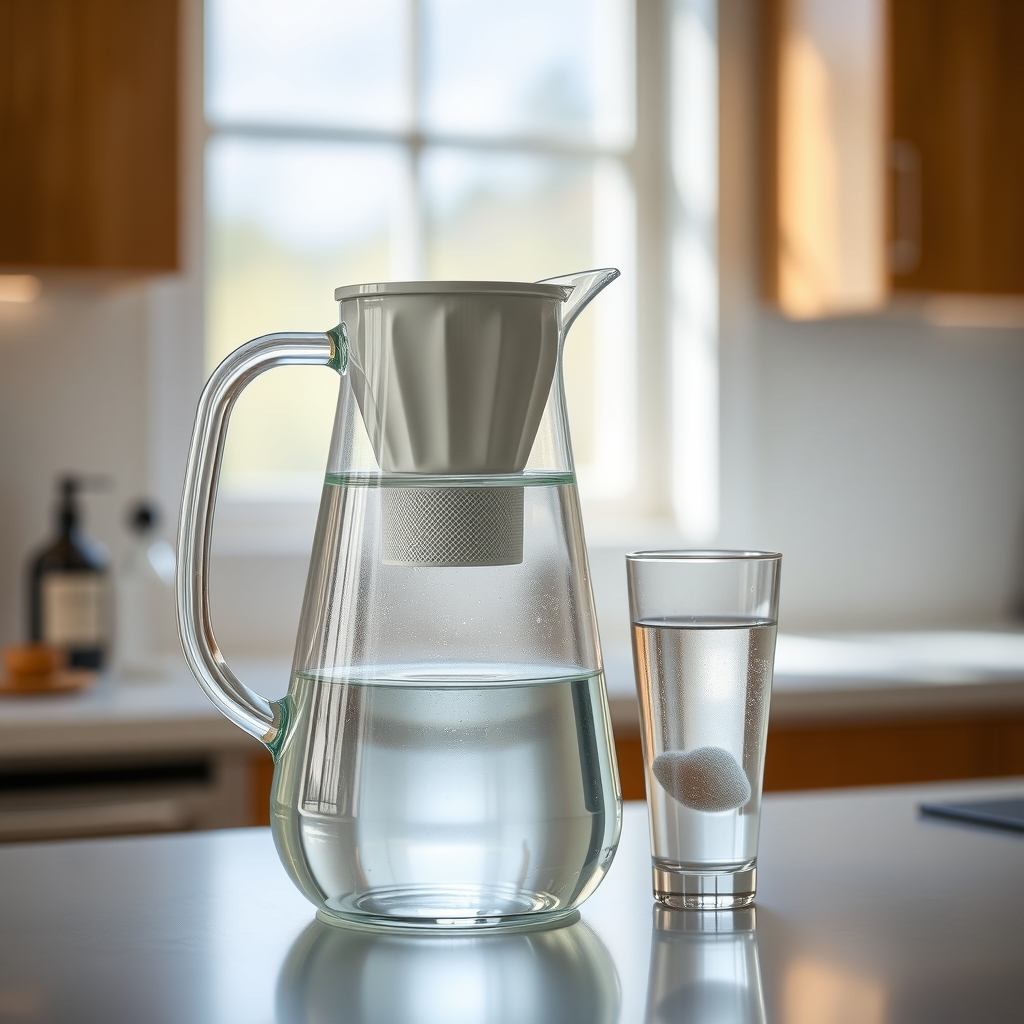 Free fix inside
Kitchen · Water Filter Pitcher
Water Filter Pitcher Not Plastic? 3 Glass Pitchers Worth Buying
Read the fix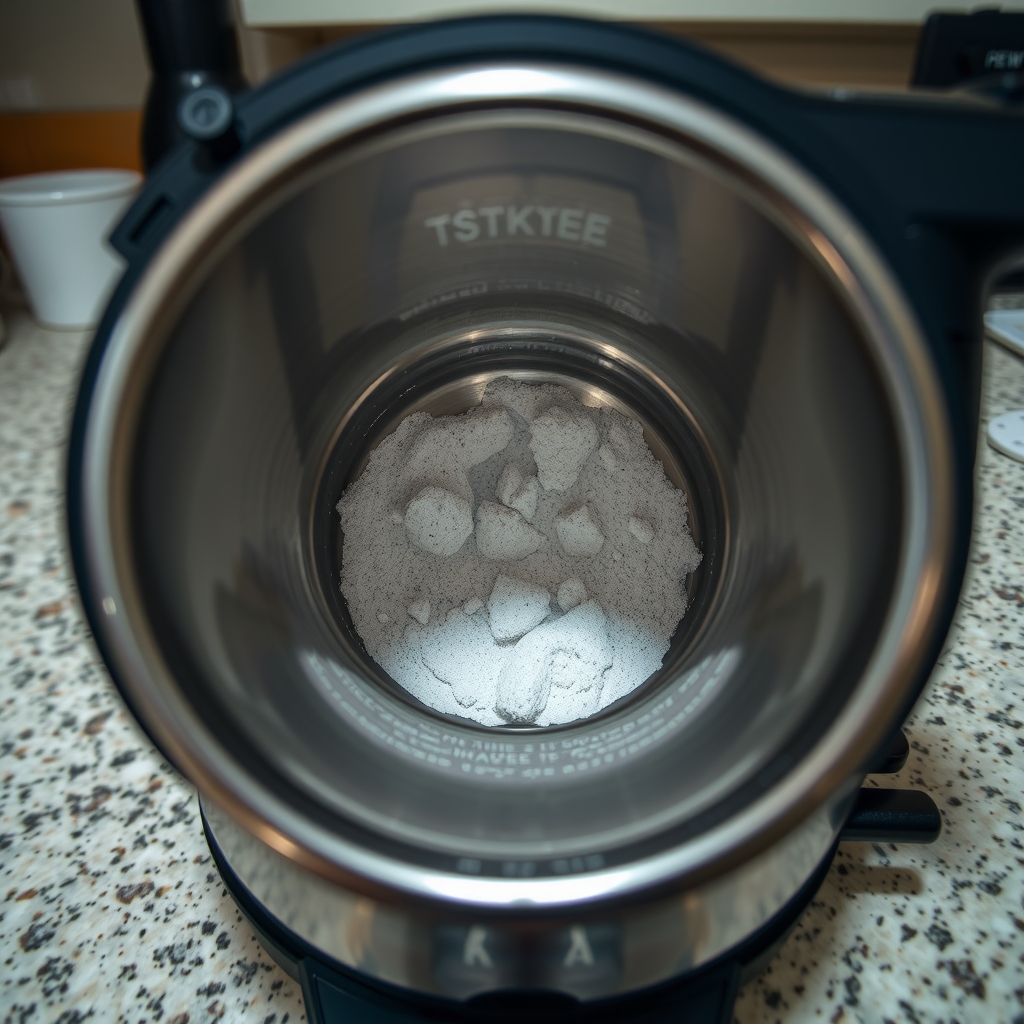 Free fix inside
Kitchen · Electric Kettle
White Stuff in Your Electric Kettle? It's Limescale: Remove It Fast
Read the fixAs an Amazon Associate I earn from qualifying purchases. Affiliate disclosure