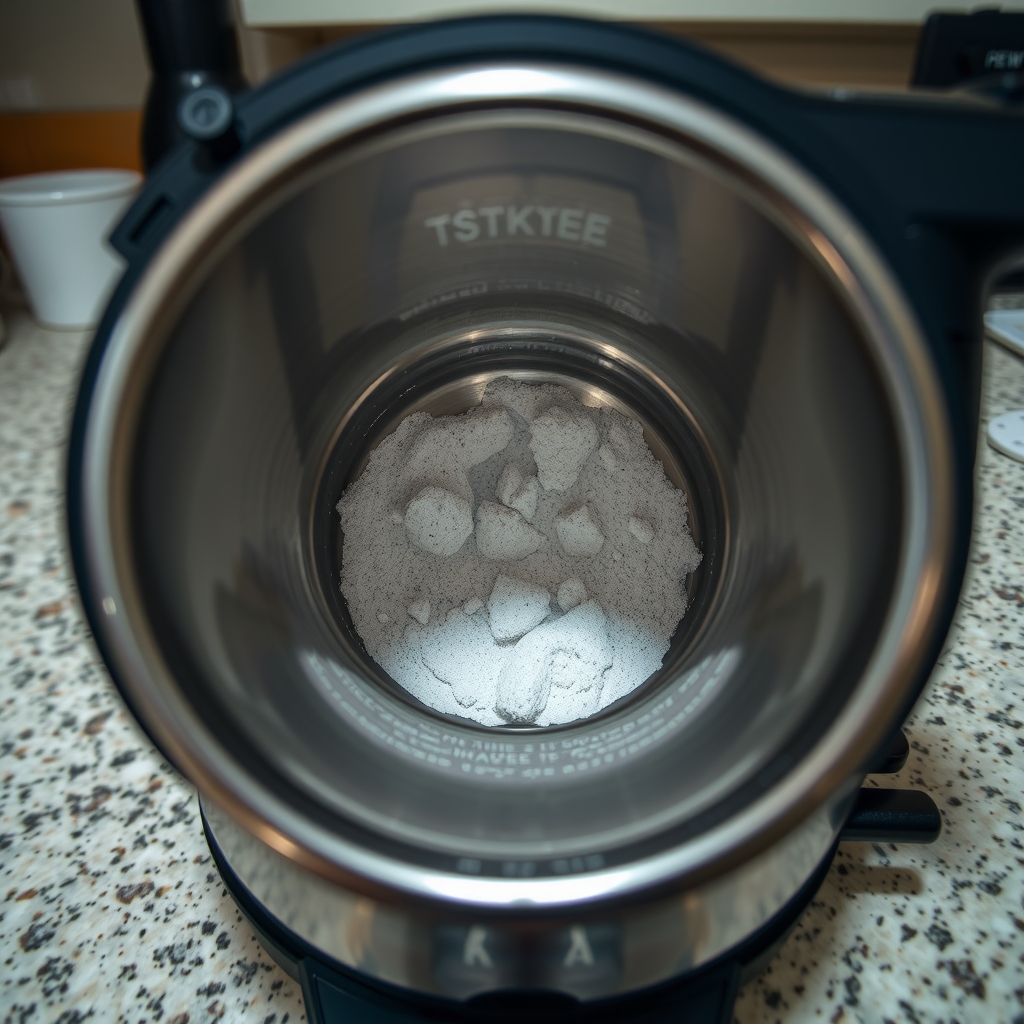
White Stuff in Your Electric Kettle? It's Limescale: Remove It Fast
That chalky white layer is limescale from hard water. Dissolve it in 20 minutes with vinegar or citric acid, then keep it from building up again.
By Jamilur Rahman Updated November 5, 2026 · 5 min read
- Time
- 30 min
- Cost
- Under $20
- Difficulty
- Easy
In this guide
Quick answer
Why does your electric kettle have white stuff? It is limescale, the calcium and magnesium that hard water leaves behind each time it boils. It is not harmful to drink, but it slows heating and flavors tea. Boil white vinegar and water in the kettle, let it sit, and rinse. Citric acid descaler does the same job without the vinegar smell, and is the easy long-term habit.
Free fix vs. permanent fix
Boil a vinegar and water soak
- Fill the kettle halfway with equal parts white vinegar and water
- Boil it, then let it stand 20 minutes
- Rinse well and boil plain water twice
- Empty the kettle after each use
How long it lasts: A month or two in hard water areas. The scale rebuilds with every boil.
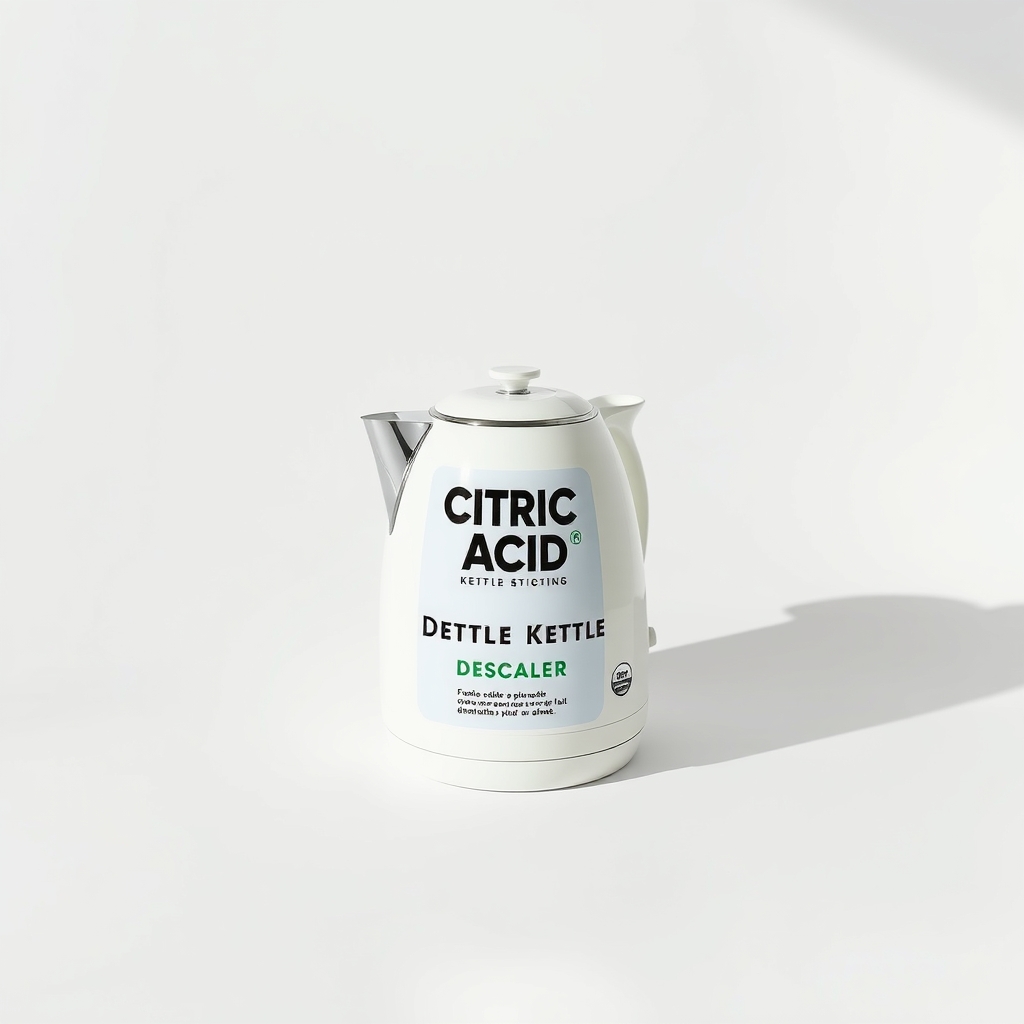
A citric acid kettle descaler
Citric acid dissolves scale well, leaves no vinegar smell and is easy on the seals. Vinegar works, so this is the convenience pick: one packet, measured dose, nothing to rinse out for long.
What to get: Citric acid kettle descaler
How long it lasts: A fresh start each month. Descaling on a schedule stops thick crust from forming.
As an Amazon Associate I earn from qualifying purchases.
What you'll need
-
White vinegar
The pantry way to dissolve scale
You have it -
Soft sponge or bottle brush
For loosened flakes; never a scouring pad
You have it -
Lemon or citric acid from the pantry
Weaker than store descaler, but fine for light scale
Free - Our pick Illustration
Citric acid kettle descaler
Powder or sachets made for kettles and coffee makers
- Illustration
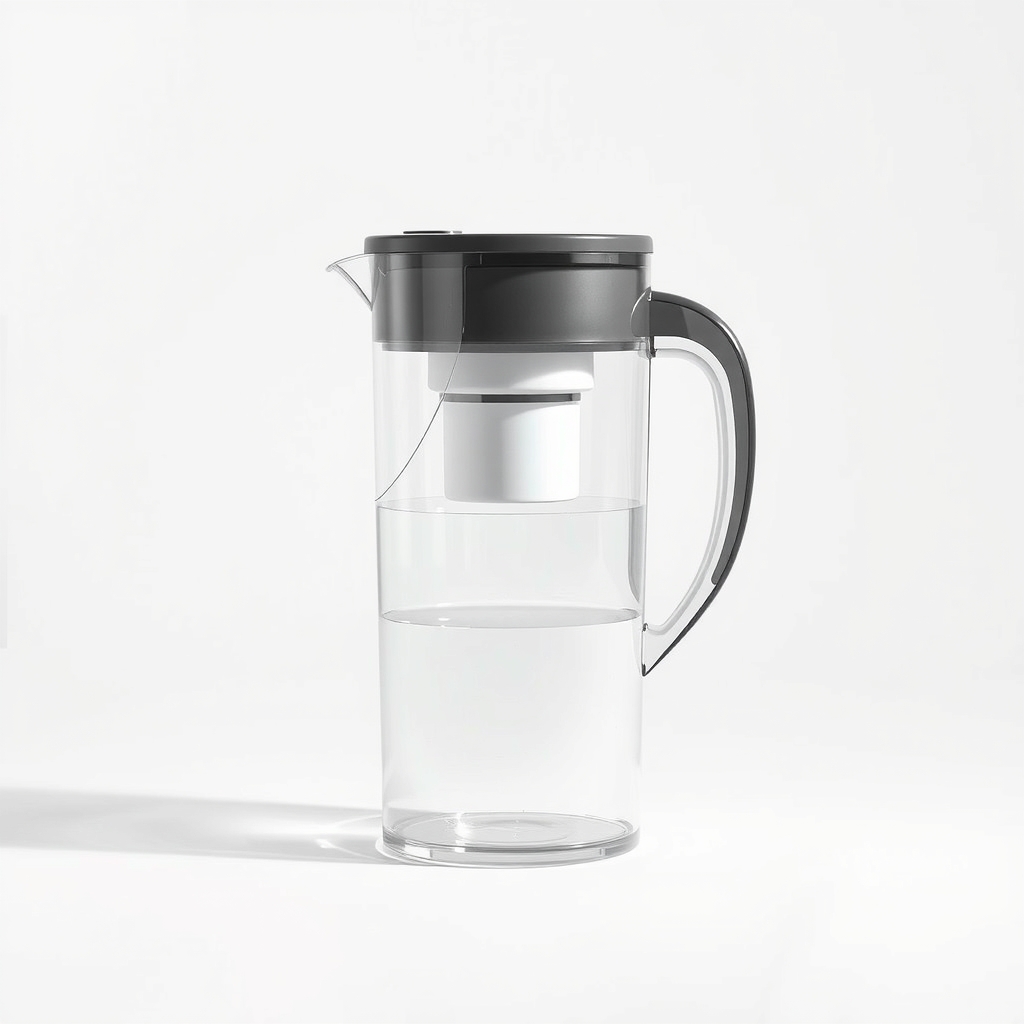
Hard-water filter pitcher
Filling the kettle with softer water slows the buildup
Why it happens
Hard water minerals
Water with lots of calcium and magnesium leaves a chalky film when it boils away. The harder your water, the faster the white layer forms.
Water left standing in the kettle
Overnight water sits and evaporates, leaving its minerals on the walls and heating plate. Emptying the kettle after use takes seconds and slows the buildup.
Never descaling
A thin film turns into a hard crust over months. Thick scale takes longer to dissolve and can make the kettle slower to boil.
Try this first (free)
Do these in order, starting with the simplest.
-
Unplug it and look at the scale
Make sure the kettle is cool and off its base. A thin white film comes off easily. Thick flakes and a crust on the element need a longer soak.
-
Mix the soak and boil it
Tool used: Citric acid kettle descalerFill the kettle halfway with equal parts white vinegar and water, or use 1 to 2 tablespoons of citric acid in a full kettle of water. Boil it once, then switch it off.
IllustrationCheck price on AmazonTool for this step
Citric acid kettle descaler · Powder or sachets made for kettles and coffee makers
-
Let it stand
Leave it for 20 to 30 minutes. Fizzing and floating white flakes mean the scale is dissolving. For heavy crust, soak up to an hour or repeat.
-
Scrub away what is left
Tool used: Soft sponge or bottle brushPour out the liquid, then wipe the inside with a soft sponge or bottle brush. A plastic or soft brush will not scratch stainless steel or the heating plate.
-
Rinse and boil twice
Fill with fresh water, boil, and pour it out. Do this twice, and the vinegar smell and taste go with it. Taste the next cup before you serve it to guests.
When free fixes aren't enough
If the white layer is back within a few weeks, you have very hard water and need a routine, not a one-off scrub. A citric acid descaler on a monthly schedule is the easiest way to stick to it. Filtering the water you boil also slows the buildup. A kettle that leaks, trips the power, sparks or smells burnt has a different problem. Stop using it, unplug it and replace it rather than descaling it again.
Buy the fix
Still stuck after the free fixes? These are the products we would look at.
| Pick | Product | Fixes | Who it's for | Buy |
|---|---|---|---|---|
| Best pick | Citric acid kettle descaler | hard water scale that builds up again every few weeks | Anyone in a hard water area who wants a measured dose with no vinegar smell. | Check price |
| Upgrade pick | Hard-water filter pitcher | scale forming faster than you can descale | People in very hard water areas who descale more often than once a month. | Check price |
Citric acid kettle descaler
Fixes: hard water scale that builds up again every few weeks
Look for: Citric acid as the main ingredient; Marked safe for kettles and food-contact appliances; Clear dosing for one kettle.
- Who it's for
- Anyone in a hard water area who wants a measured dose with no vinegar smell.
- Honest downside
- Your scale is light and you are happy using vinegar. Also skip it if your kettle manual bans acid descalers, and follow the manual instead.
Hard-water filter pitcher
Fixes: scale forming faster than you can descale
Look for: A listing that says it reduces hardness or scale; A filter size you can replace on a schedule; A pitcher that fits your fridge shelf.
- Who it's for
- People in very hard water areas who descale more often than once a month.
- Honest downside
- Your water is soft or only mildly hard. Many basic pitcher filters improve taste and do little for scale, so check the product page.
As an Amazon Associate I earn from qualifying purchases. We don't show prices because they change, so use the button to see today's price.
How we picked: How we picked: this page is based on kettle care manuals, water-hardness guidance and what owners report about descaling products in reviews. We do not test products by hand.
How often to descale
- Hard water: every 2 to 4 weeks.
- Moderate water: every 1 to 2 months.
- Soft water: a few times a year, or whenever you see flakes.
Descale sooner if the kettle takes longer to boil or the tea tastes chalky.
What to skip
Scouring pads, bleach and descaling the base
Steel wool and rough pads scratch the element and the walls, which makes scale grab on faster. Bleach is wrong for a kettle. Never put the base or the cord in water. Wipe those with a damp cloth only.
Frequently asked questions
Why does my electric kettle have spots on the bottom?
How do I stop a kettle getting limescale?
Is it safe to drink water with limescale in it?
Can I use lemon juice instead of vinegar?
Related problems
 Free fix inside
Kitchen · Coffee Maker
Coffee Maker Says Descale? How Often, What to Use, What to Avoid
Read the fix Free fix inside
Kitchen · Electric Kettle
Kettle Tasting of Plastic? Rinse Fix, Then 3 Kettles That Don't
Read the fix Free fix inside
Kitchen · Electric Kettle
Electric Kettle So Loud? Why It Screams and Quieter Ones to Buy
Read the fix Free fix inside
Kitchen · Dishwasher
Dishwasher Leaving White Residue? Hard Water Is the Likely Culprit
Read the fixAs an Amazon Associate I earn from qualifying purchases. Affiliate disclosure