Kettle Tasting of Plastic? Rinse Fix, Then 3 Kettles That Don't
A new kettle often tastes of plastic for the first few boils. Rinse it out first, then pick a kettle where the water touches glass and steel instead.
By Jamilur Rahman Updated November 5, 2026 · 7 min read
- Time
- 30 min
- Cost
- $20-$50
- Difficulty
- Easy
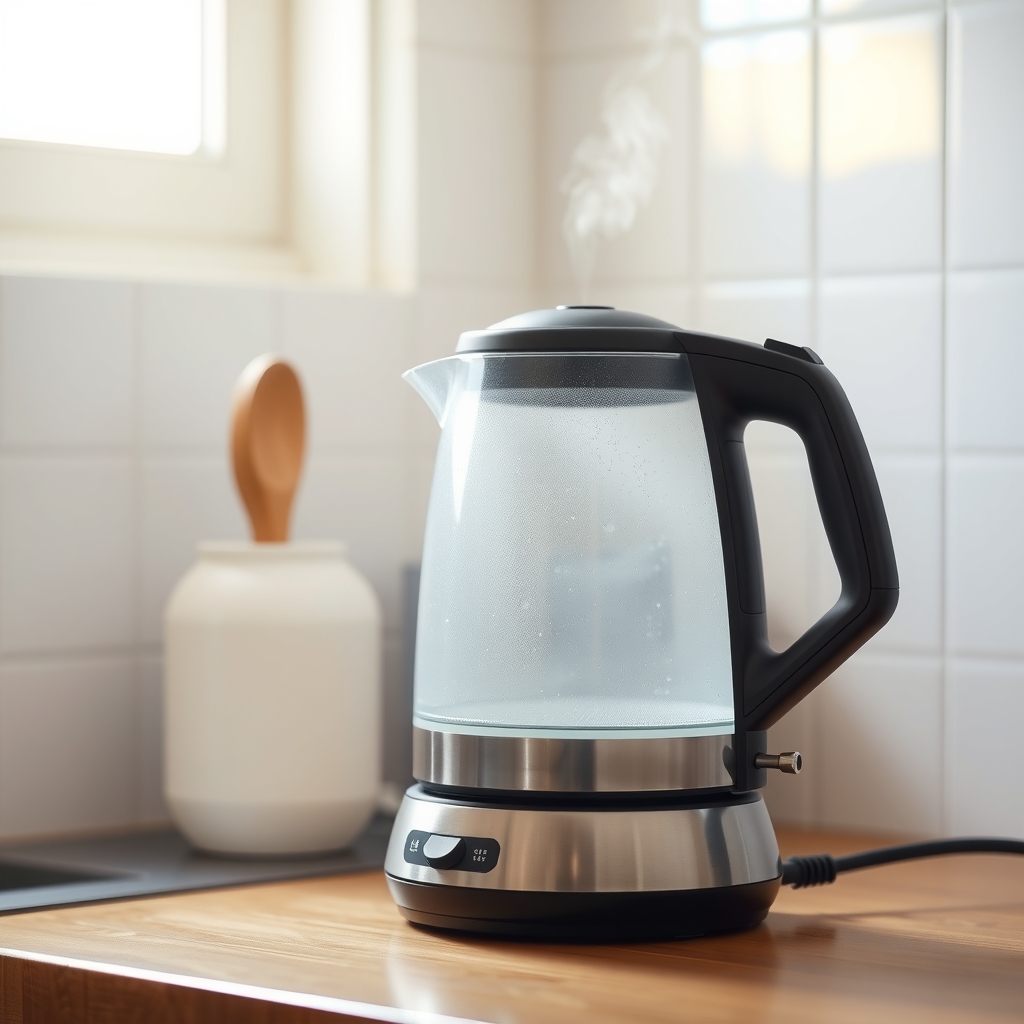
In this guide
Quick answer
To stop a kettle tasting of plastic, boil and discard full kettles of fresh water three to five times, then run a half-vinegar rinse and boil plain water twice more. A new kettle usually sheds its plastic smell within a few boils. If the taste stays, the water is touching plastic in the lid or spout, and a glass kettle with a stainless-steel lid is the fix that lasts.
Free fix vs. permanent fix
Boil, dump and descale
- Boil and discard 3 to 5 kettles of fresh water
- Boil a half-vinegar, half-water mix and let it sit 15 minutes
- Rinse, then boil plain water twice and taste a cup
- Leave the lid open between uses so it dries
How long it lasts: Often the end of it for a new kettle. If the taste comes back after a few weeks, plastic in the water path is the cause and rinsing will not remove it.
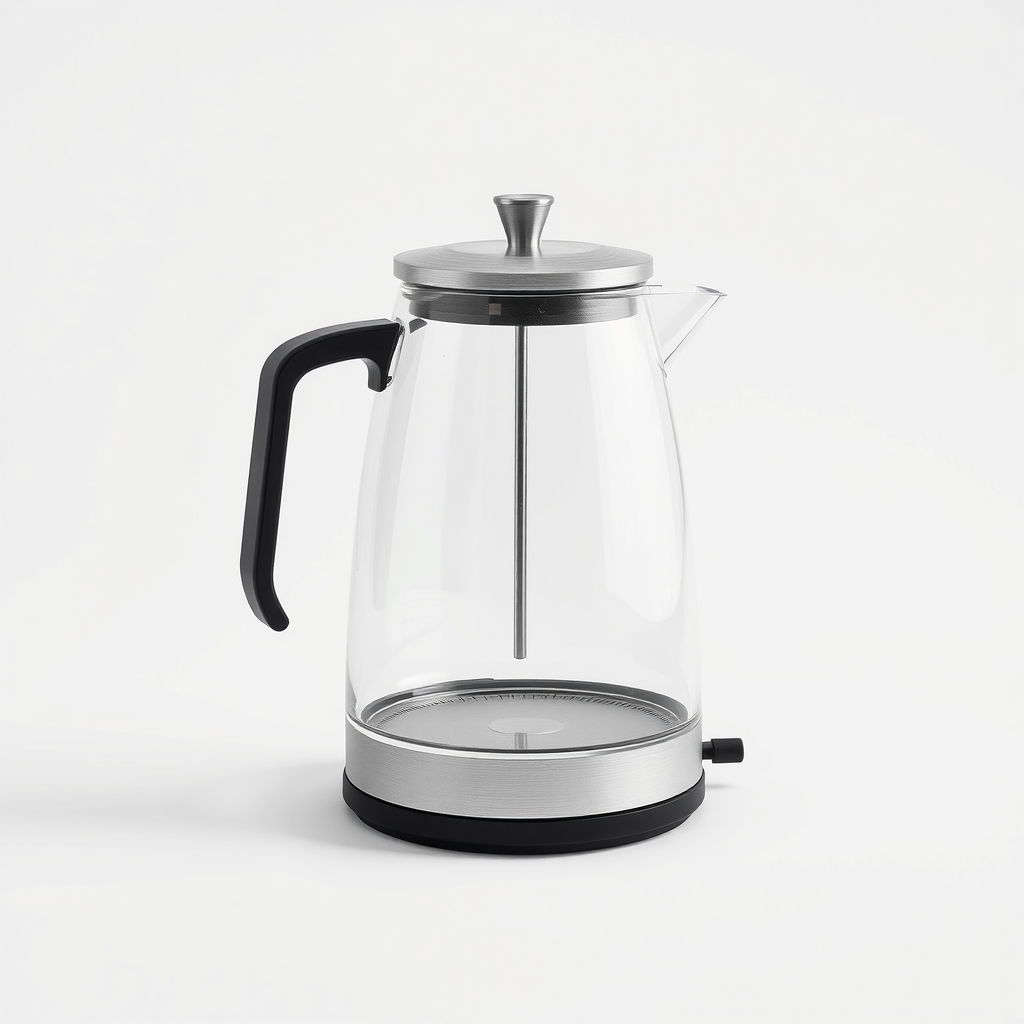
A glass kettle with a stainless-steel lid and spout
Plastic taste comes from hot water and steam touching plastic parts, usually the lid, the spout or the water-level window. A glass body with a steel lid underside and spout cuts most of that contact. The base and the handle may still be plastic, but the water never touches them.
What to get: Glass electric kettle with stainless-steel lid and spout
How long it lasts: As long as the kettle runs. The water touches glass and steel, so there is far less plastic to taste.
As an Amazon Associate I earn from qualifying purchases.
What you'll need
-
White vinegar
For the half-and-half descaling soak
You have it -
Soft sponge
Wipes the lid and spout without scratching
You have it - Illustration
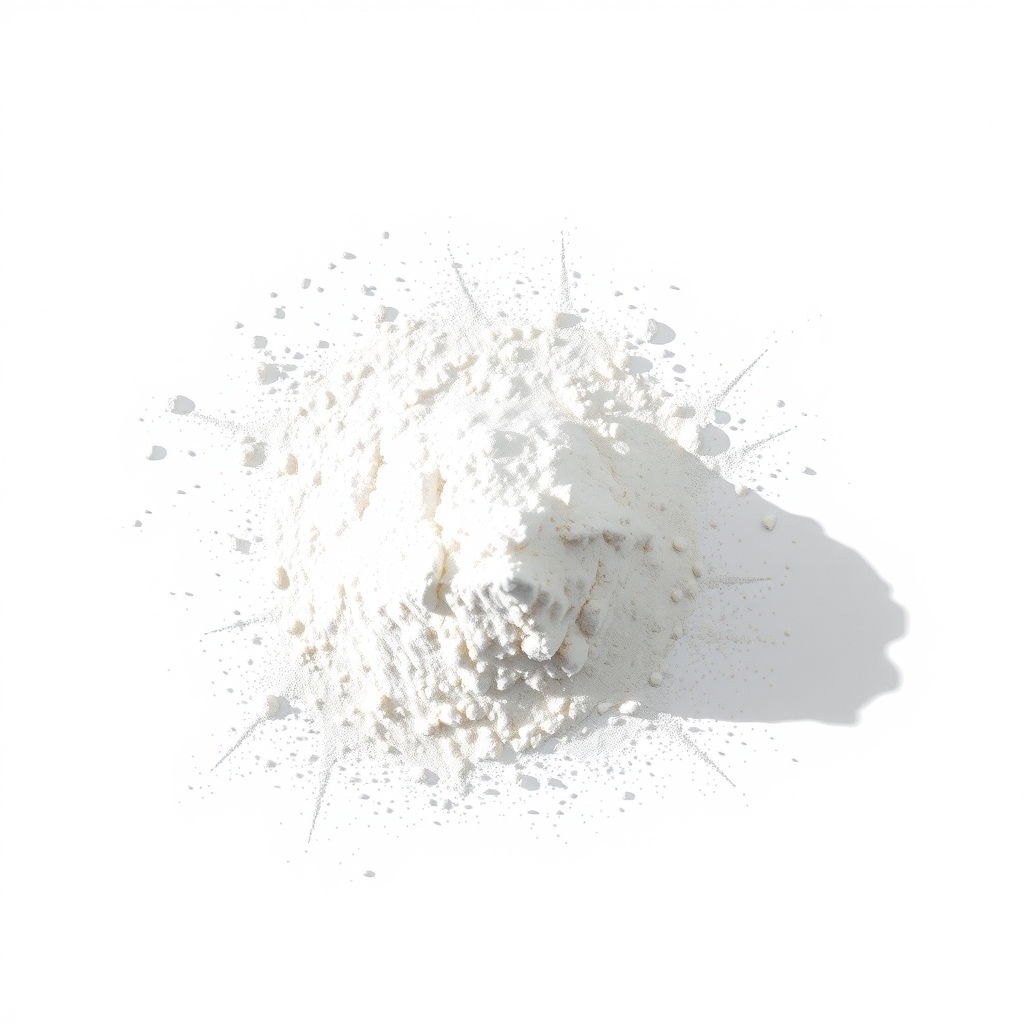
Citric acid powder
A gentler-smelling alternative to vinegar
- Our pick Illustration
Glass electric kettle
Check the lid underside and spout before you buy
- Illustration
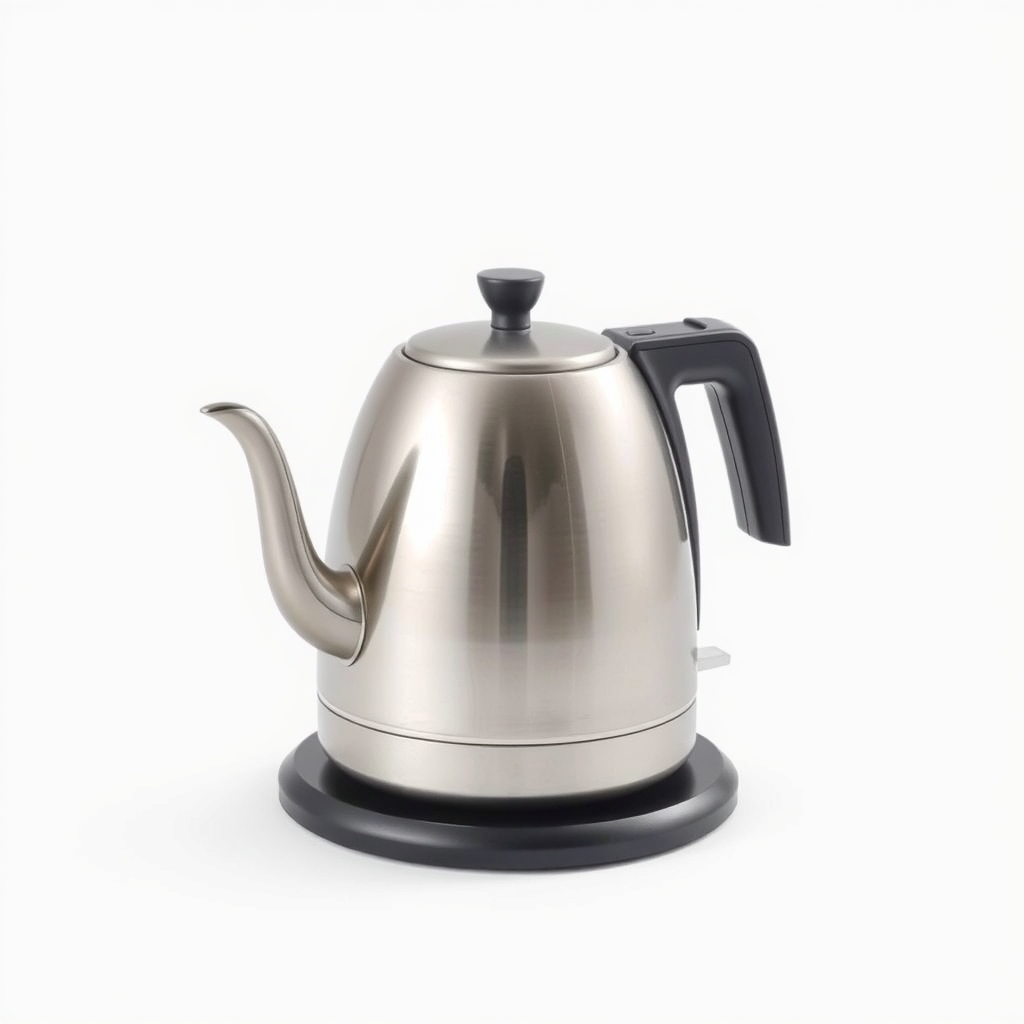
Stovetop kettle
No electric parts and no plastic in the water path
- Illustration
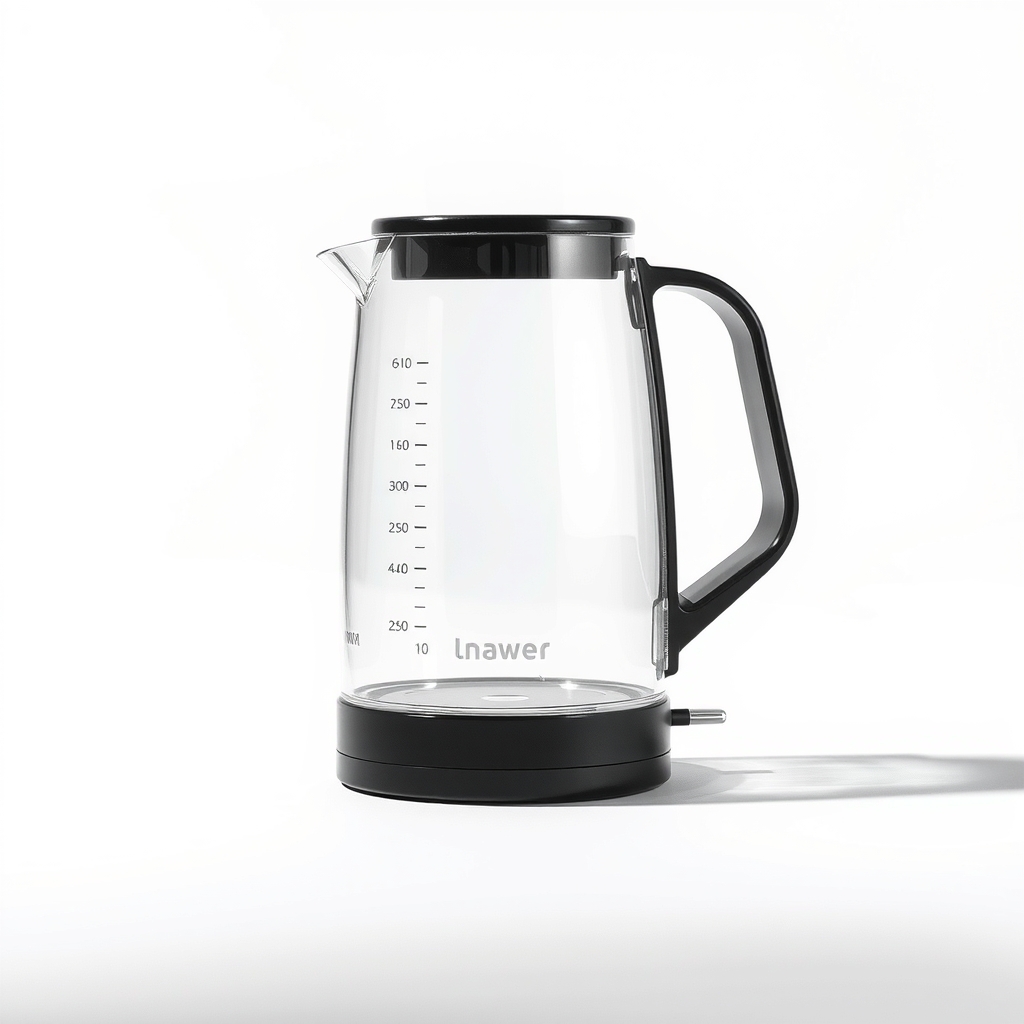
Variable-temperature glass kettle
For tea and pour-over coffee
Why it happens
Factory residue and new-plastic smell
New plastic parts, glue and the heating element can give off a smell the first few times they heat up. This fades over the first several boils.
Plastic in the water path
In many kettles the lid, the spout or the water-level window is plastic. Hot water and steam touch it every time you boil, and some people taste it for the life of the kettle.
Burnt plastic from spills or overfilling
Water that spills onto the base, or a plastic part that sits too close to the element, can give a hot, burnt smell. This is different from the mild new-kettle smell.
Limescale and stale water
Limescale and water left standing overnight add a flat, chemical taste that people often mistake for plastic. A descale clears it.
Try this first (free)
Do these in order, starting with the simplest.
-
Fill, boil and discard
Fill the kettle to the max line with fresh water, boil it and pour it out. Repeat three to five times. Do not drink the first batches.
-
Run a half-vinegar clean
Tool used: White vinegarFill the kettle halfway with water, add white vinegar to the max line, and boil. Unplug it and let it sit for 15 to 20 minutes, then pour it out.
-
Wipe the lid and spout
Tool used: Soft spongeWipe the inside of the lid and the spout with a soft sponge and a drop of dish soap. Never dunk the base in water.
-
Rinse and boil plain water twice
Rinse with cold water, then boil plain water twice and discard it. Smell the steam and taste a cup to see if the plastic note is gone.
-
Air it out between uses
Leave the lid open after each use so the inside dries, and do not leave water standing in it overnight. Fresh water each time helps the taste.
When free fixes aren't enough
If the taste is still there after five boils and a vinegar clean, plastic in the water path is the cause, and cleaning cannot change that. A strong burning smell, smoke or a smell that gets worse each time is a different problem: unplug the kettle and stop using it. A glass kettle with a stainless-steel lid and spout takes away most of the plastic contact.
Buy the fix
Still stuck after the free fixes? These are the products we would look at.
| Pick | Product | Fixes | Who it's for | Buy |
|---|---|---|---|---|
| Best pick | Glass electric kettle with stainless-steel lid and spout | hot water touching plastic parts | Anyone whose kettle still tastes of plastic after a clean cycle, or who wants to see the water and any scale. | Check price |
| Budget pick | Stovetop kettle, stainless steel or glass | plastic taste, since there are no electric parts | People who want the simplest plastic-free kettle and are happy to watch it on the stove. | Check price |
| Upgrade pick | Variable-temperature glass kettle | plastic taste plus scorched tea from boiling water | Tea and pour-over coffee drinkers. | Check price |
Glass electric kettle with stainless-steel lid and spout
Fixes: hot water touching plastic parts
Look for: A glass body, ideally borosilicate; A stainless-steel underside on the lid and steel at the spout; Auto shut-off and boil-dry protection; Capacity around 1.5 to 1.7 liters for a household.
- Who it's for
- Anyone whose kettle still tastes of plastic after a clean cycle, or who wants to see the water and any scale.
- Honest downside
- You want a kettle that stays cool to the touch. Glass bodies get hot, and the base is still plastic.
Stovetop kettle, stainless steel or glass
Fixes: plastic taste, since there are no electric parts
Look for: Stainless steel or glass where the water touches; A handle and lid knob made of a heat-resistant material; A base that suits your stove; induction needs a magnetic base.
- Who it's for
- People who want the simplest plastic-free kettle and are happy to watch it on the stove.
- Honest downside
- You want an automatic shut-off or a hands-off boil while you get ready.
Variable-temperature glass kettle
Fixes: plastic taste plus scorched tea from boiling water
Look for: Presets for green tea, black tea and coffee; A keep-warm setting of at least 30 minutes; Glass body with a steel lid and spout.
- Who it's for
- Tea and pour-over coffee drinkers.
- Honest downside
- You only make instant coffee or soup. The extra settings will go unused.
As an Amazon Associate I earn from qualifying purchases. We don't show prices because they change, so use the button to see today's price.
How we picked: How we picked: this page is based on kettle manuals and care guides, descaling advice from appliance makers, and the problems and fixes owners report in reviews. We do not test products by hand.
How to check a kettle before you buy
- The lid underside: look for steel or glass. A plastic inner lid sits in the steam all day.
- The spout and filter: a steel spout and filter keep plastic out of the pour.
- The water window: a glass or steel body needs no plastic gauge.
- Reviews: search them for plastic smell or taste, and read what owners report after a month, not a week.
What to skip
What to skip
Skip bleach, scented cleaners and long dish soap soaks inside the kettle. The residue is hard to rinse and can taste worse than plastic. Also do not treat a BPA-free label as a promise of no plastic taste. It only describes what is in the plastic, not whether water touches it.
Frequently asked questions
Why does my electric kettle smell like plastic?
Why does my electric kettle smell like burnt plastic?
Is there an electric kettle that is not plastic?
How long until the plastic taste goes away?
Related problems
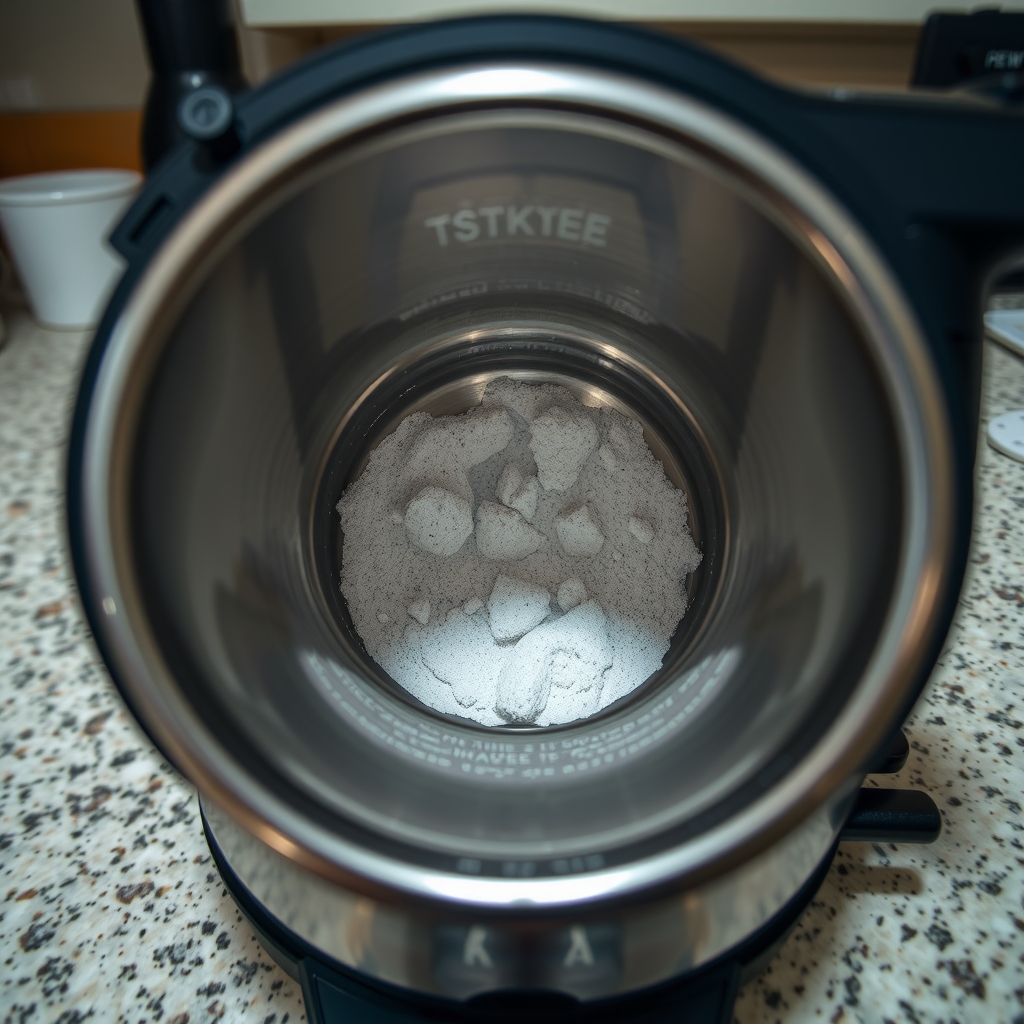 Free fix inside
Kitchen · Electric Kettle
White Stuff in Your Electric Kettle? It's Limescale: Remove It Fast
Read the fix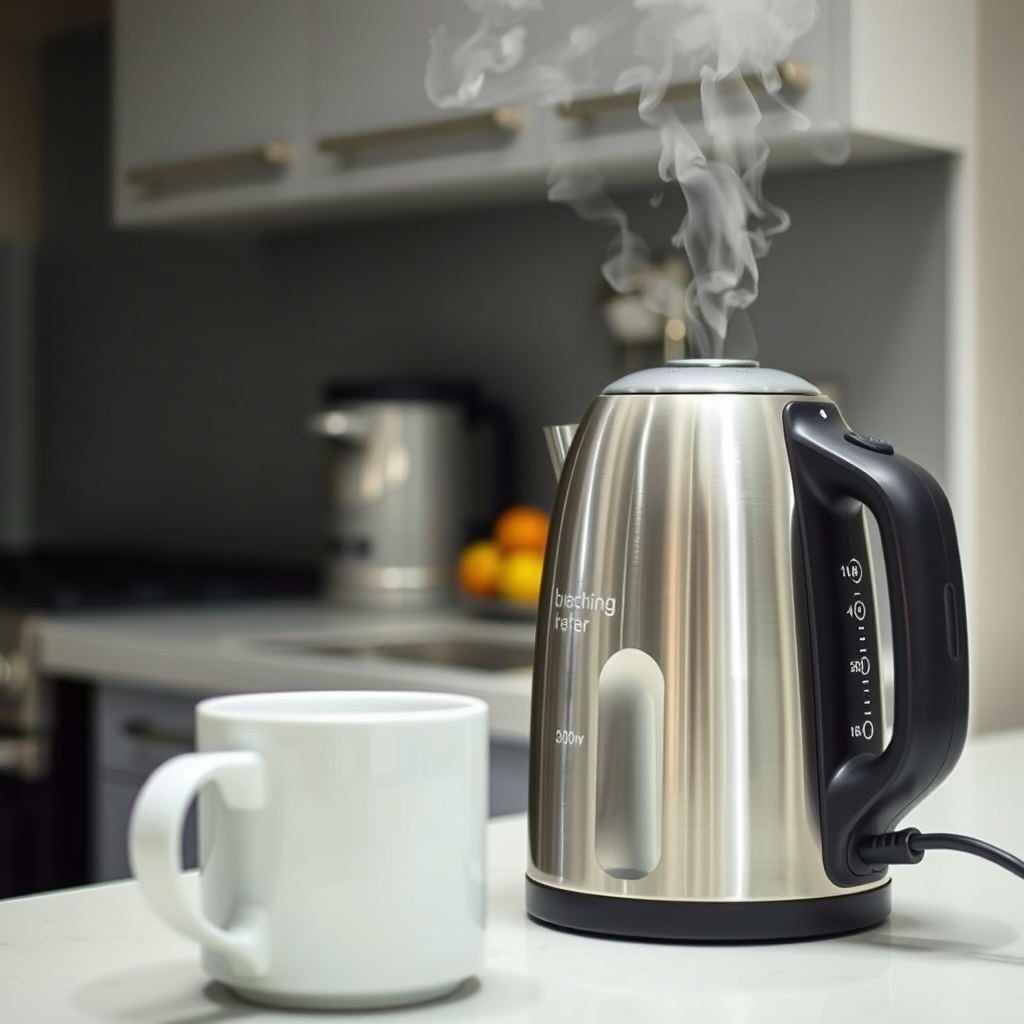 Free fix inside
Kitchen · Electric Kettle
Electric Kettle So Loud? Why It Screams and Quieter Ones to Buy
Read the fix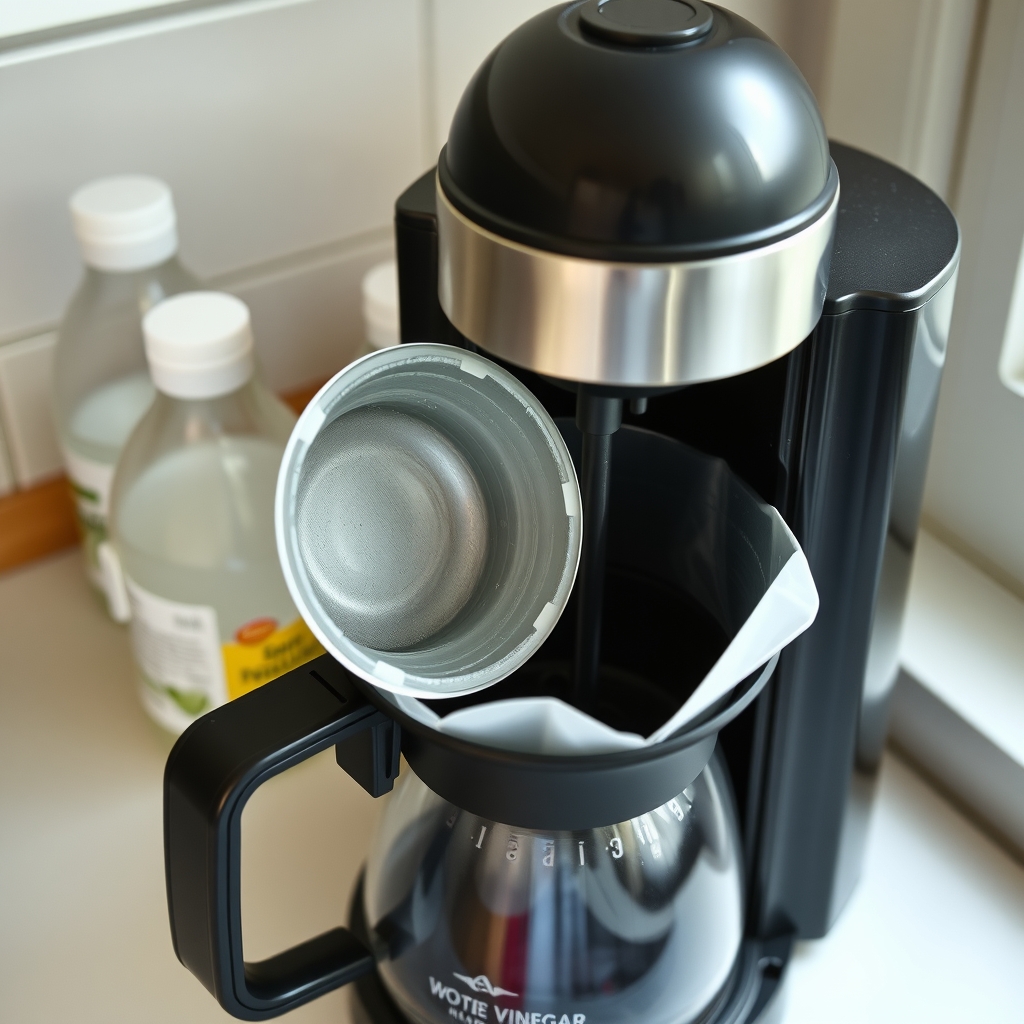 Free fix inside
Kitchen · Coffee Maker
Coffee Maker Says Descale? How Often, What to Use, What to Avoid
Read the fix Free fix inside
Kitchen · Air Fryer
Air Fryer Smells Like Burning Plastic? Normal on Day One, Not After
Read the fixAs an Amazon Associate I earn from qualifying purchases. Affiliate disclosure