Electric Kettle So Loud? Why It Screams and Quieter Ones to Buy
Scale on the heating element and a hard counter make most kettles louder. Descale it, set it on a mat, and see which quieter kettles are worth buying.
By Jamilur Rahman Updated November 5, 2026 · 6 min read
- Time
- 30 min
- Cost
- $20-$50
- Difficulty
- Easy
In this guide
Quick answer
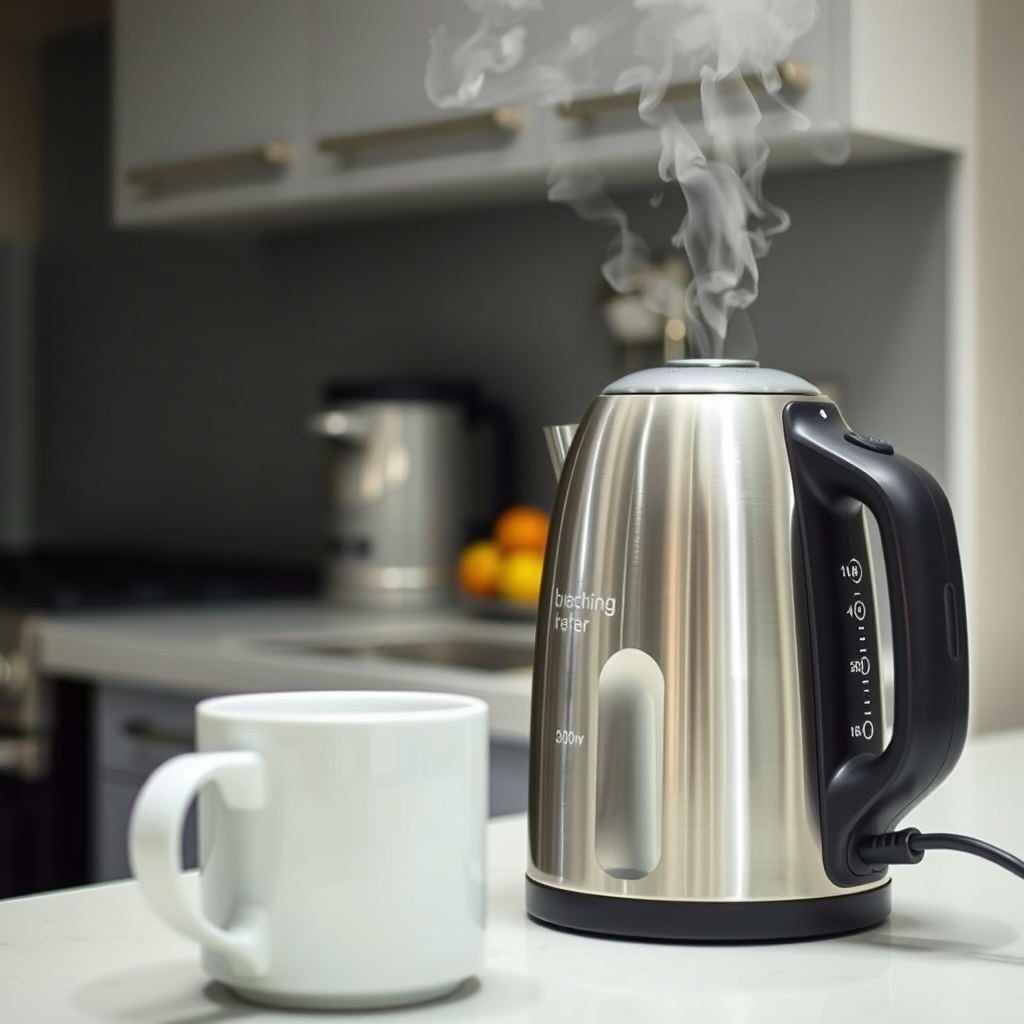
Why is my electric kettle so loud? Usually limescale on the heating element makes the water crackle and roar as it boils, and a hard counter makes it louder. Descale with vinegar or citric acid, set the kettle on a silicone mat, and keep the lid fully closed. If it is still too loud, the kettle is built loud, and an insulated, quieter model is the fix that lasts.
Free fix vs. permanent fix
Descale it and set it on a mat
- Boil equal parts water and white vinegar, or a citric acid solution, then let it sit
- Rinse well and boil fresh water twice
- Set the kettle on a silicone mat
- Fill above the minimum line and close the lid
How long it lasts: Quieter for months, until scale builds up again. How soon depends on how hard your water is.
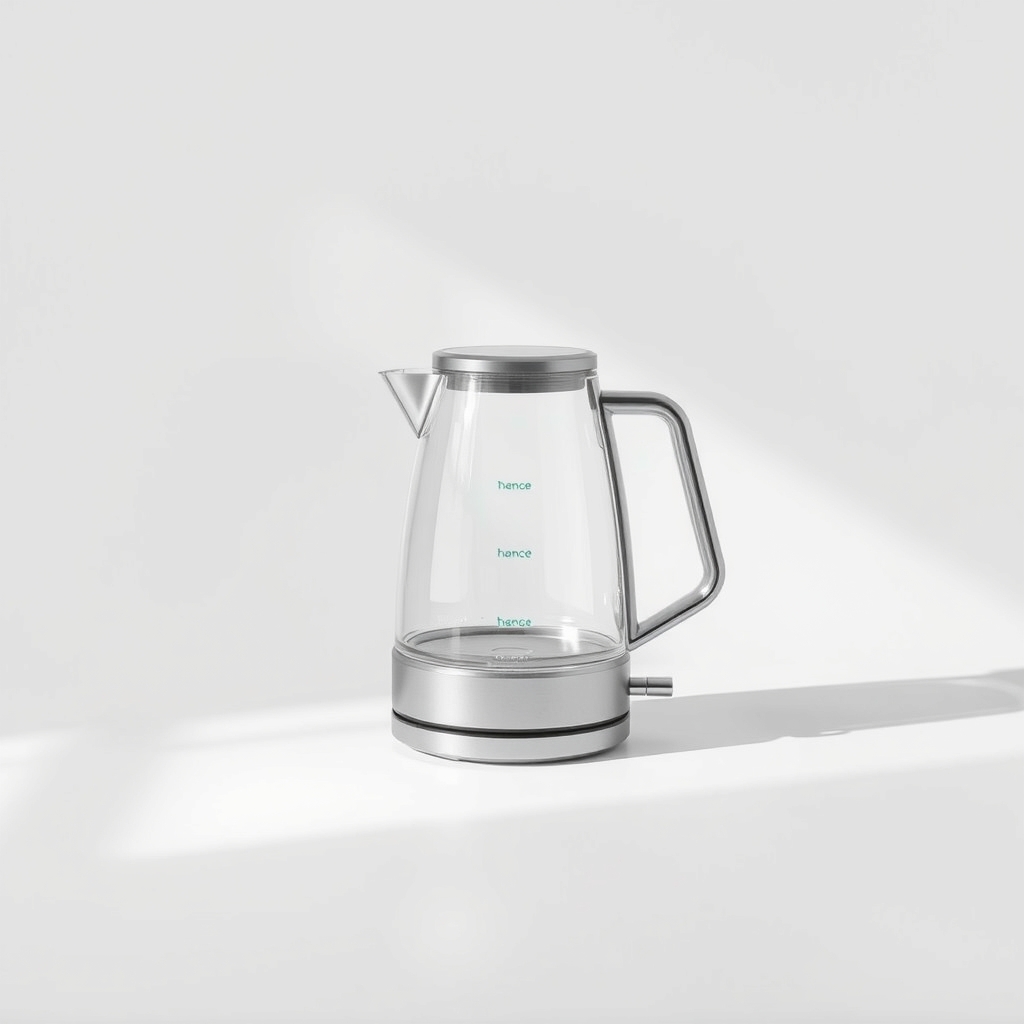
A quieter insulated electric kettle
Some kettles are loud by design: a thin body, a fast boil and steam rushing through a narrow spout. Models with an insulated or double-wall body and a tight lid tend to boil more quietly, and owners often mention it in reviews. Descaling still matters for any kettle.
What to get: Quiet electric kettle
How long it lasts: For the life of the kettle. The quieter design stays quieter if you descale it every few months.
As an Amazon Associate I earn from qualifying purchases.
What you'll need
-
White vinegar or citric acid
The descaler. Check your manual for which one it allows
You have it -
Soft sponge
For flaking scale inside
You have it - Illustration
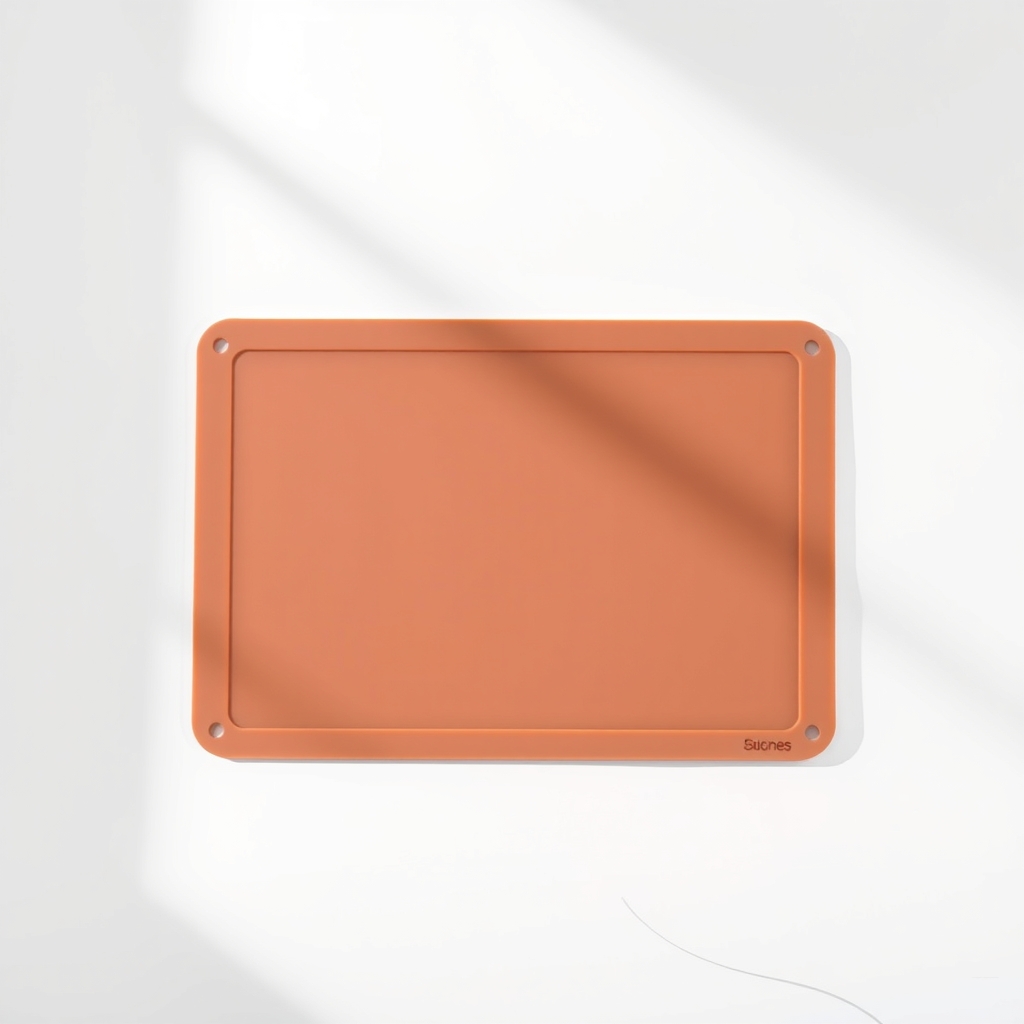
Heat-resistant silicone mat
Soaks up counter noise and rattle
- Our pick Illustration
Quiet electric kettle
If it stays loud after descaling
Why it happens
Limescale on the element
Hard water leaves a chalky layer on the heating element. Bubbles form under and around it and pop, which makes a crackling, rumbling boil.
A fast, high-power boil
The quicker a kettle drives water to a rolling boil, the louder it is. Powerful kettles are loud even when clean.
A hard counter and a thin body
Stone, tile or metal counters amplify the vibration, and a thin metal or glass body rings like a drum.
A loose lid or a gap in the steam path
A lid that does not close tightly lets steam whistle or rattle through a gap. That is often the scream people hear.
Too little water
A very small amount boils in a violent burst and makes more noise per second.
Try this first (free)
Do these in order, starting with the simplest.
-
Descale the kettle
Tool used: White vinegar or citric acidFill it halfway with equal parts water and white vinegar, or use 1 to 2 tablespoons of citric acid in a full kettle of water. Boil it, switch it off and let it sit for 20 to 30 minutes. Pour it out and wipe off flaking scale with a soft sponge.
-
Rinse and boil fresh water twice
Fill with clean water, boil it and pour it out. Repeat once more. That clears the vinegar taste.
-
Set it on a mat
Tool used: Heat-resistant silicone matA thick silicone mat under the base cuts the clatter on stone or metal counters. Keep the mat clear of the steam outlet and the cord.
IllustrationCheck price on AmazonTool for this step
Heat-resistant silicone mat · Soaks up counter noise and rattle
-
Check the lid and base
Close the lid until it clicks and look at the seal for gaps. Make sure the kettle sits flat on its base and does not rock.
-
Fill to a sensible level
Stay above the minimum mark and below the maximum. If your water is hard, filtered water slows the scale that comes back.
When free fixes aren't enough
If the kettle is still loud after descaling, a mat and a closed lid, it is loud by design. Fast, thin-bodied kettles roar, and no cleaning changes that. A kettle with an insulated or double-wall body is the real fix, but expect quieter, not silent, because boiling water makes noise. Stop using any kettle that leaks, smells of burning plastic or has a damaged cord.
Buy the fix
Still stuck after the free fixes? These are the products we would look at.
| Pick | Product | Fixes | Who it's for | Buy |
|---|---|---|---|---|
| Best pick | Quiet electric kettle | a kettle that is loud even when it is clean | Someone whose kettle sits in an open kitchen or next to a bedroom. | Check price |
| Budget pick | Heat-resistant silicone mat | counter clatter and rattle | Anyone with a stone, tile or metal counter. | Check price |
Quiet electric kettle
Fixes: a kettle that is loud even when it is clean
Look for: A double-wall or insulated body that dulls the sound; A lid that closes firmly with a tight seal; Owner reviews that specifically say it is quiet; Auto shut-off and boil-dry protection.
- Who it's for
- Someone whose kettle sits in an open kitchen or next to a bedroom.
- Honest downside
- Your kettle only got loud recently, which points to scale. Descale first. Be wary of silent claims with no owner reviews behind them, since decibel ratings are rarely listed.
Heat-resistant silicone mat
Fixes: counter clatter and rattle
Look for: Thick enough to soften vibration; A heat rating listed on the label; A non-slip underside; Large enough for the base and cord.
- Who it's for
- Anyone with a stone, tile or metal counter.
- Honest downside
- Your kettle has vents under the base that a mat would block, or it already sits on a soft surface.
As an Amazon Associate I earn from qualifying purchases. We don't show prices because they change, so use the button to see today's price.
How we picked: How we picked: this page is based on kettle maker descaling guides, general appliance care advice, and the problems and fixes people report in reviews of quieter kettles. We do not test products by hand.
Why is my electric kettle making noise? What each sound means
- Crackling or popping as it heats: scale on the element.
- A loud rumble at full boil: normal for a fast kettle, louder with scale.
- A high whistle or scream: steam escaping through a lid gap or narrow spout.
- A rattle or clunk: a hard counter or a loose lid.
- A click at shut-off, or ticking as it cools: normal.
- Humming or buzzing when it is not heating, or a burning smell: unplug it and stop using it.
What to skip
Harsh chemical descalers and wrapping the kettle
Skip bathroom limescale removers and other harsh chemicals, since residue can end up in your drink. Use vinegar or citric acid. Do not wrap a cloth around the base or body to muffle the noise. It can block vents and trap heat.
Frequently asked questions
Electric kettle too loud: is that normal?
Why does my electric kettle make so much noise when it boils?
Why is my electric kettle making noise after I turn it off?
How often should I descale an electric kettle?
Are silent kettles really quiet?
Related problems
 Free fix inside
Kitchen · Electric Kettle
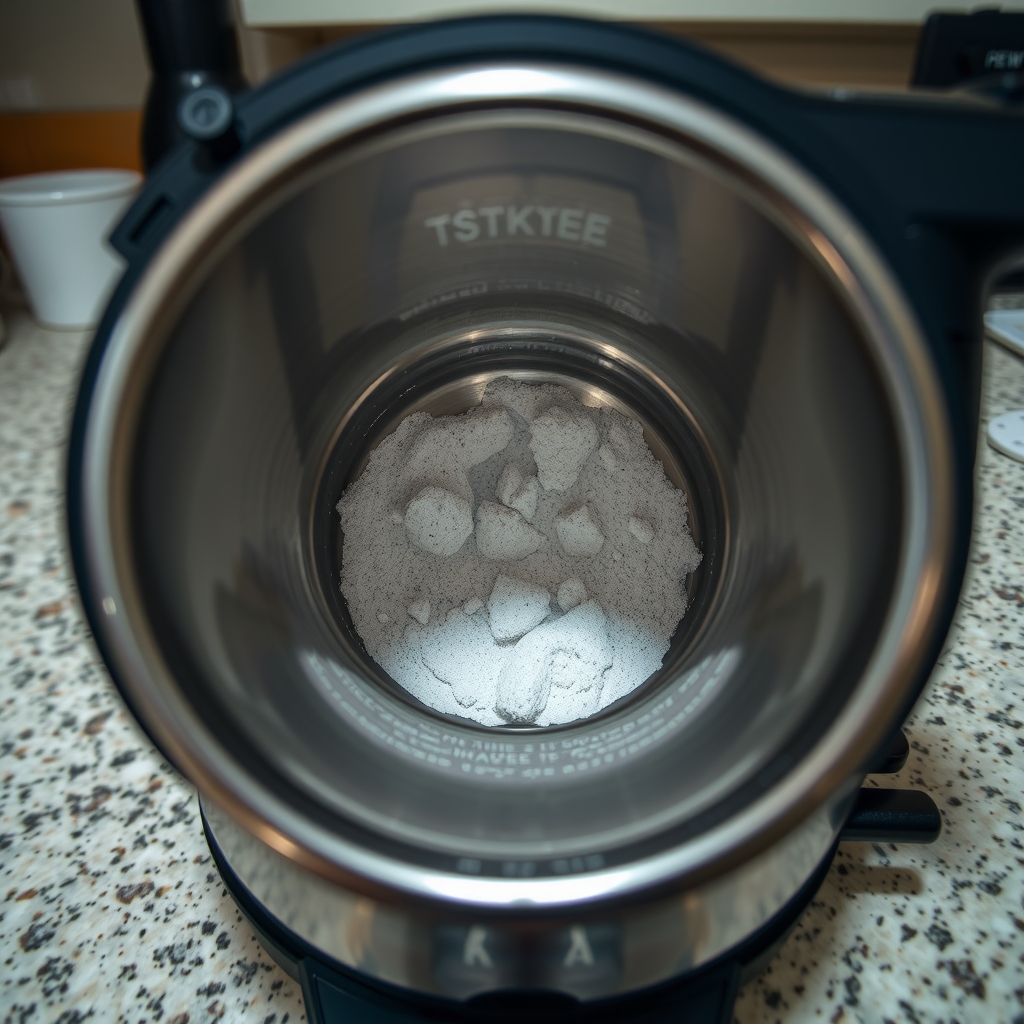
White Stuff in Your Electric Kettle? It's Limescale: Remove It Fast
Read the fix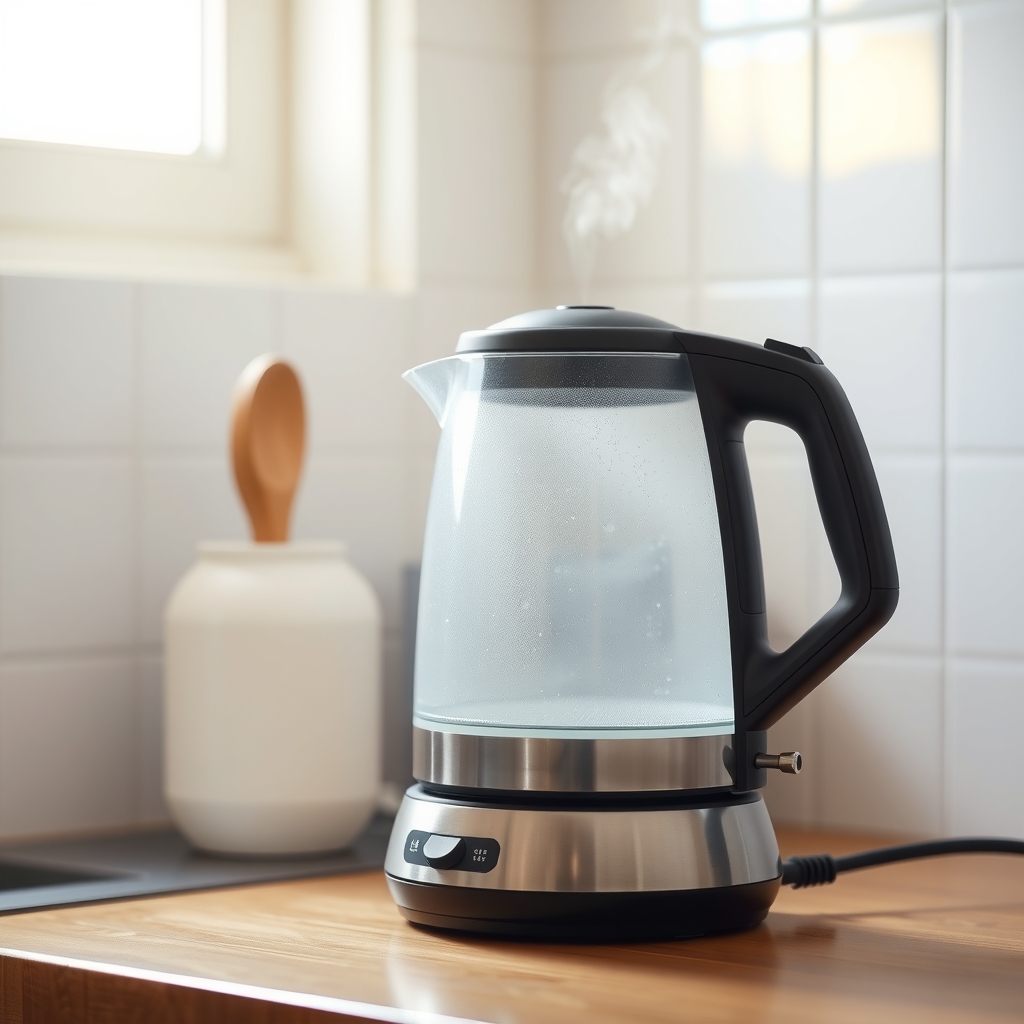 Free fix inside
Kitchen · Electric Kettle
Kettle Tasting of Plastic? Rinse Fix, Then 3 Kettles That Don't
Read the fix Free fix inside
Kitchen · Blender
Why Is My Blender So Loud? Quieter Options and What Helps
Read the fix Free fix inside
Kitchen · Dishwasher Noise
Why Is My Dishwasher So Loud? 4 Quick Checks Before You Replace It
Read the fixAs an Amazon Associate I earn from qualifying purchases. Affiliate disclosure