Why Is My Blender So Loud? Quieter Options and What Helps
A fast motor and rattling jar make most blenders loud. A mat and a few habits help a little; a sound shield is what actually quiets it.
By Jamilur Rahman Updated November 5, 2026 · 6 min read
- Time
- 10 min
- Cost
- $150+
- Difficulty
- Easy
In this guide
Quick answer
Why is my blender so loud? A powerful motor drives the blades at very high speed, and the jar rattles on a hard counter. A mat under the base and a few habits take the edge off, but they cannot change the motor. A blender with a built-in sound shield is the fix that quiets it at the source.
Free fix vs. permanent fix
Quiet the blender you own
- Put a thick mat or folded towel under the base
- Add liquid first and stay under the fill line
- Start on low, then ramp up
- Blend in short bursts, not one long run
How long it lasts: A modest drop in rattle and buzz. The motor and blades are as loud as ever.
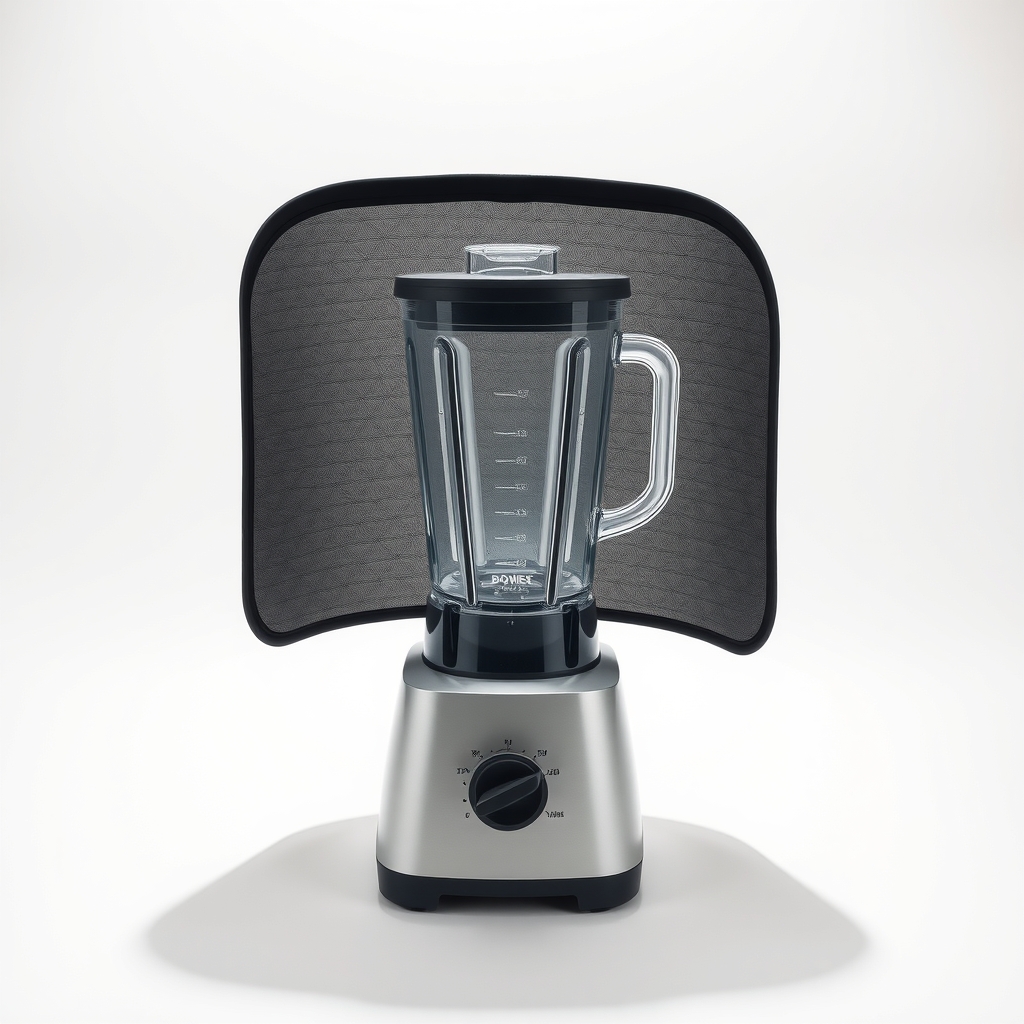
A quiet blender with a built-in sound shield
Most of the noise comes from the motor and the blades hitting food at high speed. A shield or enclosure around the jar blocks much of that sound where it starts, which no mat can do. Early-morning smoothies become easier on everyone else in the house.
What to get: Quiet blender with a sound shield
How long it lasts: For the life of the blender. The shield works on every blend.
As an Amazon Associate I earn from qualifying purchases.
What you'll need
-
Folded towel or thick silicone mat
Goes under the base to stop buzzing on a hard counter
You have it -
Owner's manual
Gives the max fill line and speed advice. Search the model number if it is lost
Free - Illustration
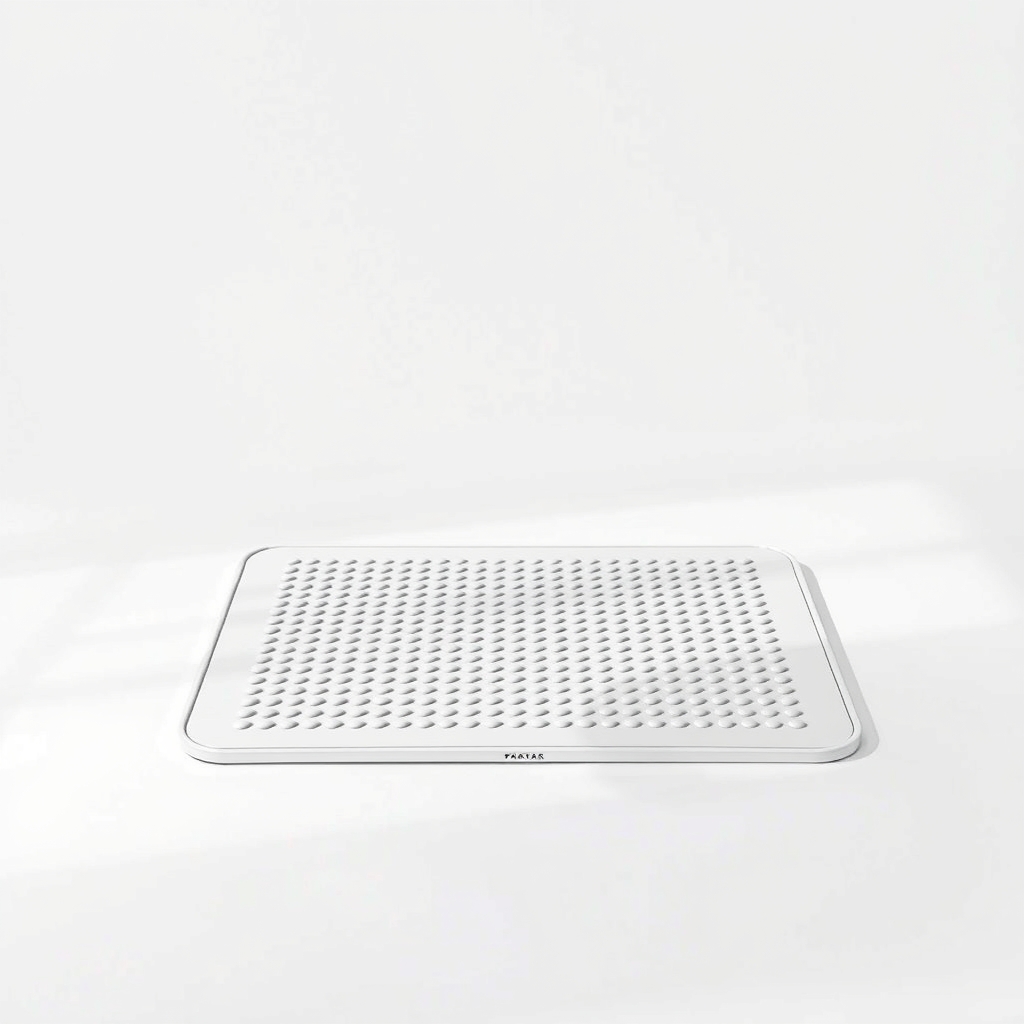
Anti-vibration appliance mat
A flat, non-slip mat that stays put better than a towel
- Our pick Illustration
Quiet blender with a sound shield
For the noise a mat cannot touch
Why it happens
A powerful motor at high speed
A blender motor spins the blades fast enough to crush ice and pulp. Motor whine and blade noise come with the job, and high-wattage models are often louder.
Hard surfaces that amplify it
Stone counters, a tile backsplash and a glass jar bounce the sound around. The base can also buzz against the counter.
Ice and frozen food
Hard chunks clatter against the blades and jar. The loudest part is usually the first few seconds, before the pieces break up.
Overfilling or a worn part
A jar run nearly empty or packed past the line strains the motor. A new grinding or squealing sound can point to a worn drive gear, a loose jar or a dull blade.
Try this first (free)
Do these in order, starting with the simplest.
-
1. Put the base on a thick mat
Tool used: Folded towel or thick silicone matSet the blender on a folded towel or a thick silicone mat. It stops the base buzzing on the counter and takes some rattle out of the sound.
-
2. Load it the right way
Tool used: Owner's manualPour in liquid first, then soft food, then ice on top. Stay under the max fill line in the manual. The blades pull the food down, so less clatters against the jar.
-
3. Start low, then ramp up
Use the lowest speed to break up big pieces, then raise it. Short bursts of 10 to 20 seconds on pulse beat one long high-speed run.
-
4. Seat the jar and lock the lid
A loose jar rattles against the base. Press it down until it sits flat, lock the lid and wipe food debris off the coupling.
-
5. Blend less often and at better times
Make one bigger batch instead of three small ones, and freeze the extra in portions. Close the kitchen door if you can.
When free fixes aren't enough
A mat and short bursts take the edge off, but they cannot change how loud the motor and blades are. If you blend early, share a wall with a bedroom, or the noise is why you skip smoothies, you are past what free steps can do. Owners say enclosed blenders are quieter, not silent: a muffled roar instead of a sharp one. If you hear grinding or a high squeal or smell hot plastic, stop and unplug it. That is a worn part, not normal loudness.
Buy the fix
Still stuck after the free fixes? These are the products we would look at.
| Pick | Product | Fixes | Who it's for | Buy |
|---|---|---|---|---|
| Best pick | Quiet blender with a sound shield | the motor and blade noise a mat cannot reach | Anyone who blends early in the morning, shares a wall with a bedroom or has a sleeping baby or roommates. | Check price |
| Budget pick | Anti-vibration appliance mat | buzzing and rattling on a hard counter | Anyone whose blender mostly buzzes and rattles against a stone or tile counter. | Check price |
Quiet blender with a sound shield
Fixes: the motor and blade noise a mat cannot reach
Look for: A sound shield or enclosure that covers the jar; A motor strong enough for ice and frozen fruit, so runs stay short; Variable speed with a low start; Owner reviews that mention noise, not just power.
- Who it's for
- Anyone who blends early in the morning, shares a wall with a bedroom or has a sleeping baby or roommates.
- Honest downside
- You blend once a month, since a towel and short bursts may be enough. Also measure first, because enclosed models are tall and may not fit under your cabinets.
Anti-vibration appliance mat
Fixes: buzzing and rattling on a hard counter
Look for: A thick, non-slip material on both sides; Big enough to hold the whole base; Easy to wipe clean.
- Who it's for
- Anyone whose blender mostly buzzes and rattles against a stone or tile counter.
- Honest downside
- The motor and blades are the main noise. A mat will not change that, so go for the shield instead.
As an Amazon Associate I earn from qualifying purchases. We don't show prices because they change, so use the button to see today's price.
How we picked: How we picked: this page is based on blender owner manuals, noise guidance from appliance makers, and what owners report in reviews about quiet and enclosed blenders. We do not test products by hand.
Loud or broken? How to tell
- Normal loud: a steady roar that settles once the ice breaks up, with some rattling on a hard counter.
- Likely a worn part: grinding, a squeal, a wobbling jar, or a blade that spins slowly.
- Stop right away: a burning smell, smoke or a hot motor housing. Unplug it and do not use it until it is checked.
What "quiet blender" should mean on the listing
Look for a sound shield or enclosure around the jar. Makers measure decibels from different distances, so only compare numbers that come from the same test. Also check the height, since enclosed models are tall and may not fit under a cabinet.
What to skip
Wrapping the blender or running it in a cabinet
Covering a running blender with towels or putting it in a closed cabinet can block the vents the motor uses to cool itself. That risks overheating the motor and does little for the noise. Use a mat and a shield instead.
Frequently asked questions
How loud is a normal blender?
Is a louder blender stronger?
Why is my blender louder than it used to be?
Do sound shields really work?
Related problems
 Free fix inside
Kitchen · Blender
Blender Blade Not Spinning? Check the Drive Gear First
Read the fix Free fix inside
Kitchen · Blender
Blender Not Blending Frozen Fruit? Layer It Right, or Upgrade
Read the fix Free fix inside
Kitchen · Blender
Blender Smells Bad? Why Rubber Gaskets Hold Odor and How to Reset
Read the fix Free fix inside
Kitchen · Blender
Blender Leaking From the Bottom? A 3-Minute Gasket Check First
Read the fixAs an Amazon Associate I earn from qualifying purchases. Affiliate disclosure