Blender Not Blending Frozen Fruit? Layer It Right, or Upgrade
Frozen fruit stalls a blender when there is no liquid at the blades. Fix the layering first, then see when a stronger motor is the real answer.
By Jamilur Rahman Updated November 5, 2026 · 7 min read
- Time
- 5 min
- Cost
- $50-$150
- Difficulty
- Easy
In this guide
Quick answer
A blender stalls on frozen fruit when the fruit sits on the blades with no liquid around them, so the motor spins in an air pocket. Pour the liquid in first, thaw the fruit for 5 minutes and add it on top in small pieces. If a good layering still leaves chunks, stalls or a hot motor, the motor is too weak, and a high-power blender with a tamper is the fix that lasts.
Free fix vs. permanent fix
Liquid first, thaw a little, layer it
- Pour in about 1 cup of liquid for every 2 cups of frozen fruit
- Let the fruit sit on the counter for 5 minutes
- Soft items next, frozen fruit on top, jar two-thirds full at most
- Start on low, then go high, and stir if it stalls
How long it lasts: Works every time for one smoothie or about two cups of fruit. It cannot give a weak motor more power, so bigger or thicker batches still stall.
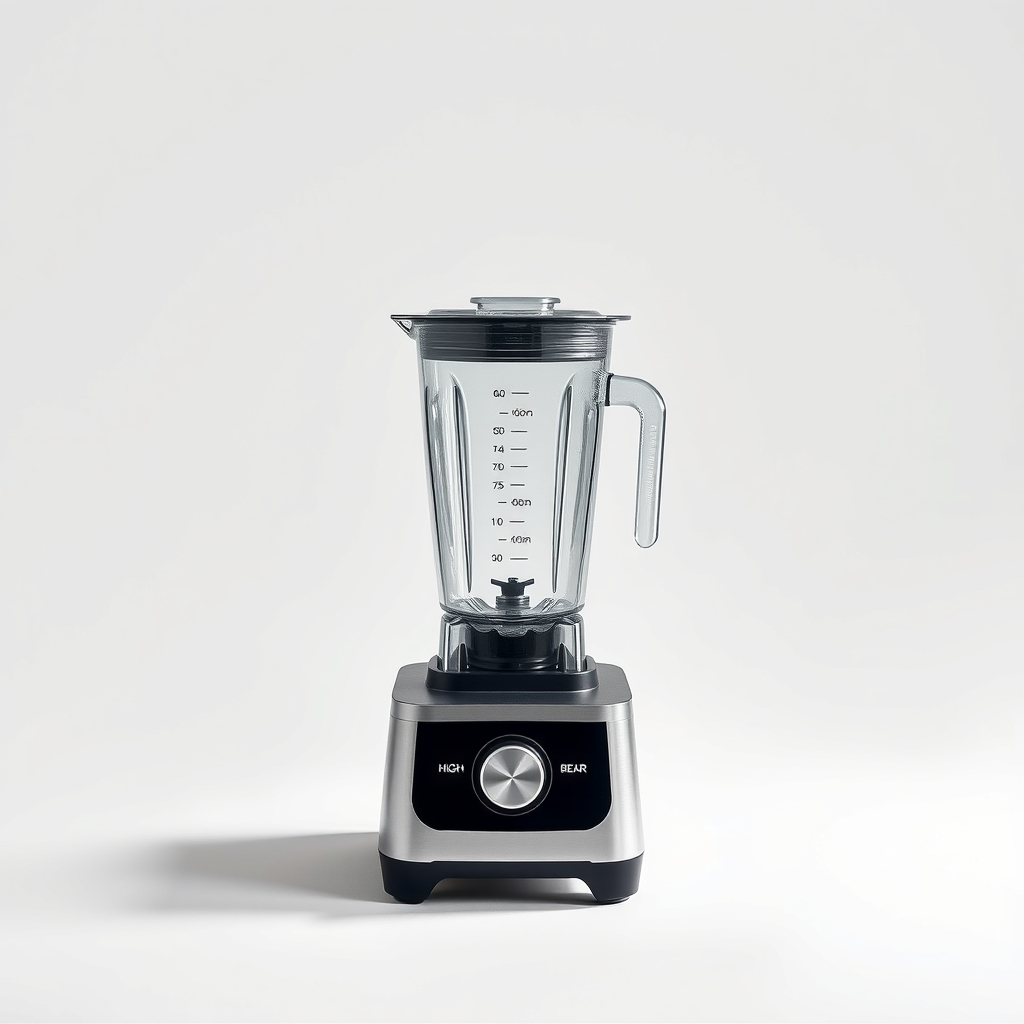
A high-power blender with a tamper
Frozen fruit is a solid. A weak motor and thin blades push it around instead of breaking it, so the blender stalls and wears out sooner. A motor of 1,000 watts or more with sharp blades and a tamper that pushes fruit down onto them blends it in one pass, with no stopping to stir.
What to get: High-power blender with a tamper
How long it lasts: Years of daily smoothies. A strong motor keeps its speed when the fruit is hard.
As an Amazon Associate I earn from qualifying purchases.
What you'll need
-
Measuring cup
Gets the liquid ratio right every time
You have it -
Long silicone spatula
To scrape and stir, with the blender unplugged
You have it -
Milk, juice or water
The liquid goes in first
You have it - Illustration
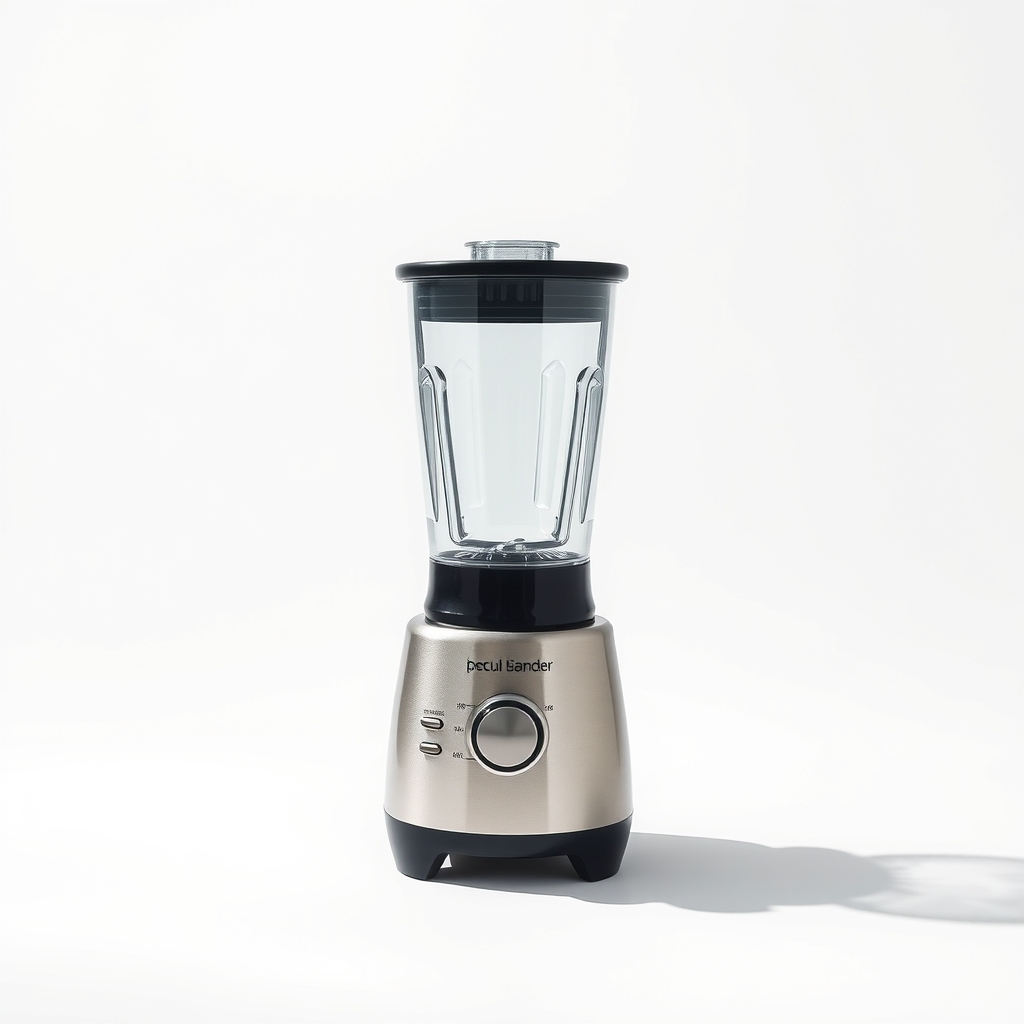
Single-serve personal blender
A smaller, cheaper machine for one portion at a time
- Our pick Illustration
High-power blender with a tamper
For when good technique still is not enough
Why it happens
No liquid around the blades
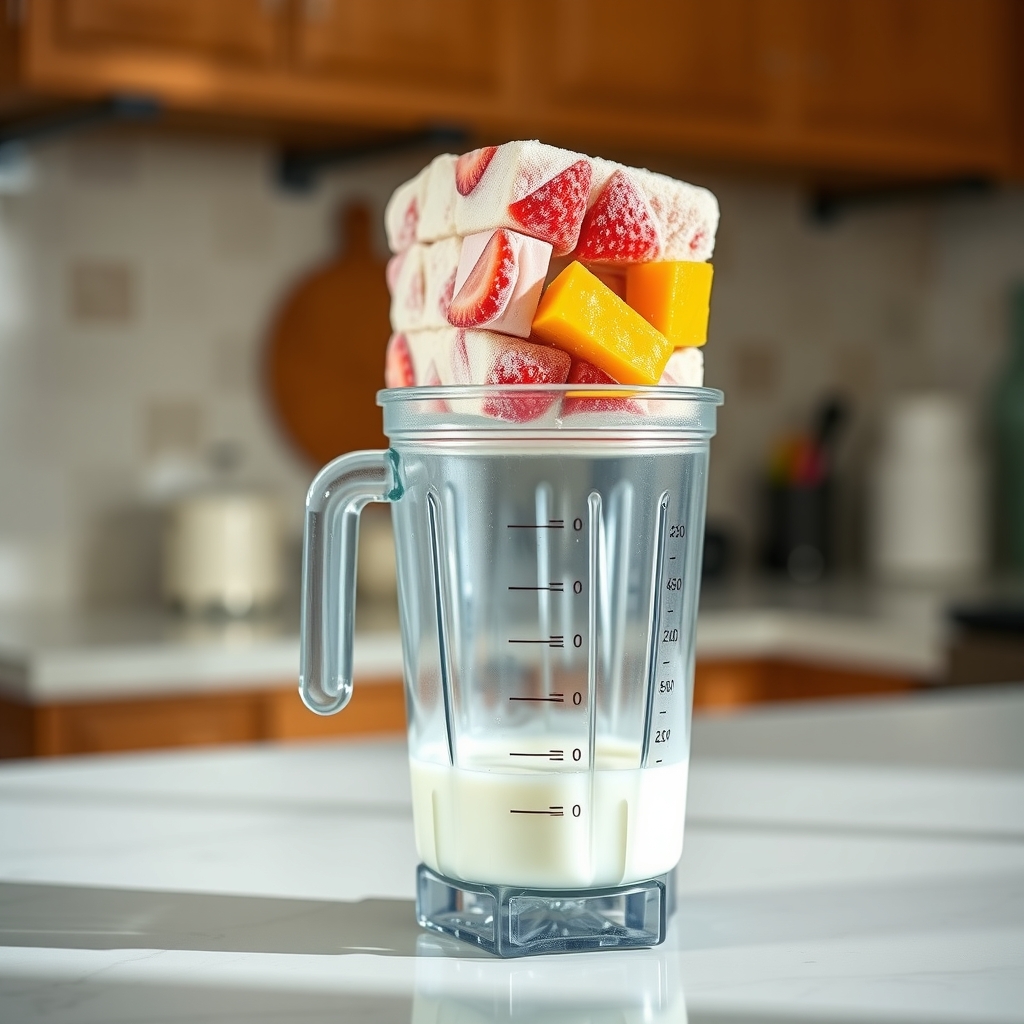
Frozen fruit packs into a solid mass. If the liquid sits on top, the blades spin in an air pocket under the fruit and nothing moves.
Fruit that is too hard and too big
Whole strawberries, big mango chunks and banana coins straight from the freezer are rock hard. Large pieces jam the blades before they can break up.
An overfilled or wrongly loaded jar
Past the max line nothing circulates. Loading hard fruit at the bottom and liquid on top is the most common mistake.
A motor that is too weak, or worn blades
Small motors, around 500 watts or less, handle a few soft pieces at best. Blades worn round, or a loose blade assembly, make it worse.
Try this first (free)
Do these in order, starting with the simplest.
-
Pour the liquid in first
Tool used: Measuring cupStart with about 1 cup of milk, juice or water for every 2 cups of frozen fruit. Liquid at the bottom lets the blades spin freely and pull the fruit down toward them.
-
Thaw the fruit for 5 minutes
Leave the frozen fruit on the counter for 5 to 10 minutes, until the edges just start to soften. The smoothie still ends up cold, and the blades bite in instead of skipping.
-
Layer from soft to hard
Go liquid, then yogurt or greens, then soft fruit, then frozen fruit on top. Cut big pieces to about an inch, and keep the jar at two-thirds full or less.
-
Start low, then ramp up
Run low speed for about 10 seconds so the blades pull fruit down, then go to high for 30 to 60 seconds. If your blender has a pulse button, use it for the first few bursts.
-
Unplug, scrape and stir if it stalls
Tool used: Long silicone spatulaTurn it off and unplug it before you reach in. Scrape the sides, push the fruit toward the blades, add a splash of liquid and run it again.
When free fixes aren't enough
If you still get chunks after those steps, the motor is the limit. The signs are a stall more than once in a batch, a jar or motor that smells hot, a growling sound as it slows, and a machine that only copes with a single serving. If you smell burning, stop and unplug it, and let it cool for 30 minutes. A high-power blender with a tamper changes this. The motor holds its speed under a load of hard fruit, and the tamper pushes the fruit into the blades so you do not have to stop and stir.
Buy the fix
Still stuck after the free fixes? These are the products we would look at.
| Pick | Product | Fixes | Who it's for | Buy |
|---|---|---|---|---|
| Best pick | High-power blender with a tamper | stalling and chunks when the fruit is rock hard | Anyone who makes smoothies, frozen drinks or acai bowls a few times a week and is tired of stopping to stir. | Check price |
| Budget pick | Personal single-serve blender, 900 watts or more | stalling on a single serving of frozen fruit | One person making one smoothie at a time, who has the layering down and wants a smaller, cheaper machine. | Check price |
| Upgrade pick | 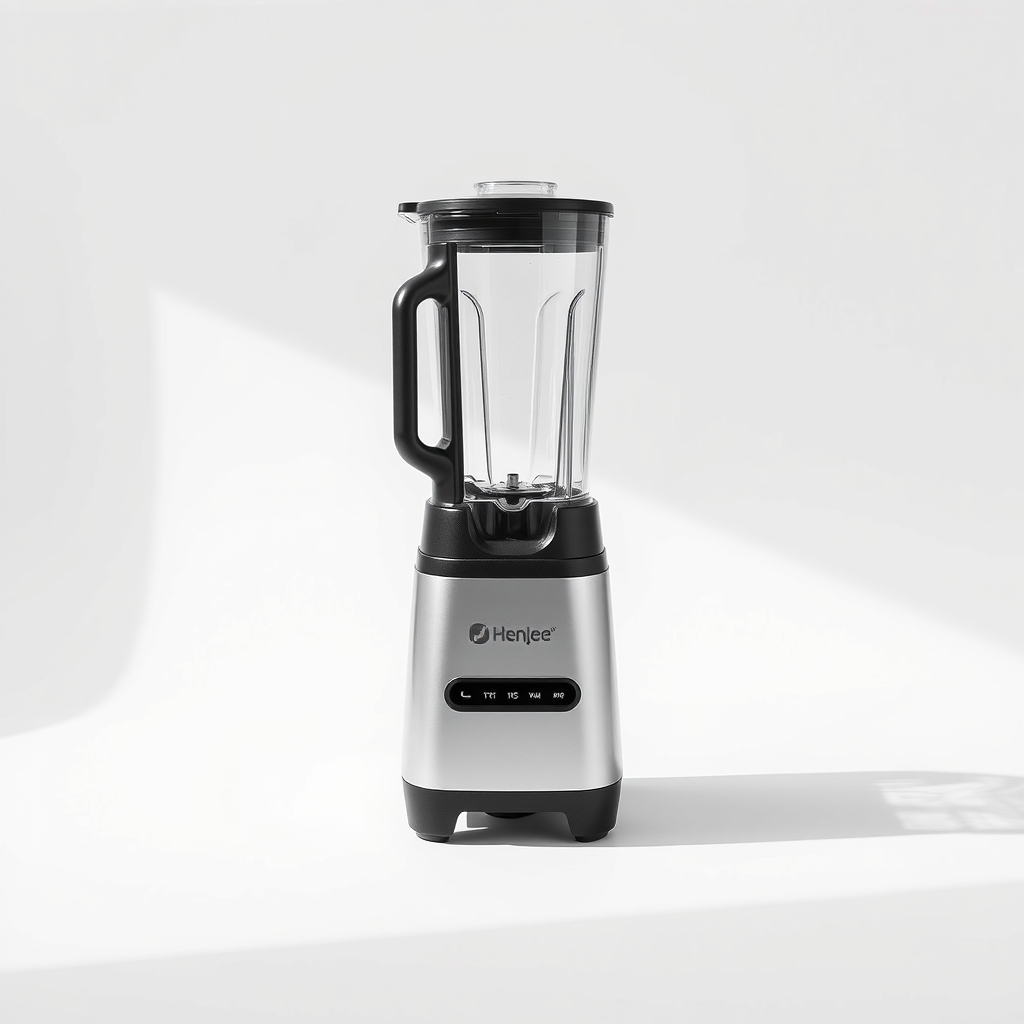 Professional-grade blender with a tall tamper, 1,400 watts or more | stalling on large batches, whole frozen chunks and thick frozen blends | Households making big batches every day, or anyone who also grinds nut butter or blends hot soup. | Check price |
High-power blender with a tamper
Fixes: stalling and chunks when the fruit is rock hard
Look for: 1,000 watts or more on the spec sheet, since peak horsepower alone is a marketing number; A tamper that fits through the lid; A variable speed dial with a pulse setting; Reviews that name frozen fruit smoothies.
- Who it's for
- Anyone who makes smoothies, frozen drinks or acai bowls a few times a week and is tired of stopping to stir.
- Honest downside
- You blend once a month, or your counter and cupboard space are tight. Good technique with a smaller blender may be enough.
Personal single-serve blender, 900 watts or more
Fixes: stalling on a single serving of frozen fruit
Look for: A motor of about 900 watts or more; Cross-blade design for frozen chunks; A cup that goes in the dishwasher; A clear max-fill line.
- Who it's for
- One person making one smoothie at a time, who has the layering down and wants a smaller, cheaper machine.
- Honest downside
- You make smoothies for two or more, or want to blend nuts, thick frozen bowls or hot soup. Go full-size instead.
Professional-grade blender with a tall tamper, 1,400 watts or more
Fixes: stalling on large batches, whole frozen chunks and thick frozen blends
Look for: A motor of about 1,400 watts or more; Hardened stainless steel blades; A container of 64 ounces or more; A long warranty, so check the listing.
- Who it's for
- Households making big batches every day, or anyone who also grinds nut butter or blends hot soup.
- Honest downside
- You mostly make one or two servings. The best pick is plenty, and these units are louder and taller.
As an Amazon Associate I earn from qualifying purchases. We don't show prices because they change, so use the button to see today's price.
How we picked: How we picked: this page is based on blender manuals, smoothie guides from appliance makers, and what owners report in reviews of high-power and personal blenders. We do not test products by hand.
Smoothie or smoothie bowl? Change the liquid
For a drinkable smoothie, use about 1 cup of liquid for every 2 cups of frozen fruit. For a thick smoothie bowl, use 1/4 cup or less and a tamper. Thick blends are where a weak blender gives up first, so if bowls are your goal, that is a reason to move up.
Blender safety
- Unplug the blender before you put a spatula or hand anywhere near the blades.
- Use a silicone spatula, not a metal utensil, in the jar.
- If you smell burning or see smoke, unplug it and stop using it until it has cooled.
- Keep the lid on, and hold it down for the first few seconds.
What to skip
Holding the button down and adding more ice
Running a stalled blender harder and longer heats the motor and can burn it out. Adding ice does not help either: ice is one more hard thing to break, while extra liquid is what lets the blades move. And never push fruit down with a knife or fork while the blender runs.
Frequently asked questions
Can I blend frozen fruit without thawing it?
How much liquid do I need for frozen fruit?
Why does my blender spin but not blend?
Is it bad for the blender to stall on frozen fruit?
Related problems
As an Amazon Associate I earn from qualifying purchases. Affiliate disclosure