Dishwasher Leaving White Residue? Hard Water Is the Likely Culprit
A white film on glasses and dishes is usually hard-water minerals. Confirm it with a vinegar test, fix the settings, then descale the machine on a schedule.
By Jamilur Rahman Updated November 5, 2026 · 6 min read
- Time
- 20 min, plus one cycle
- Cost
- Under $20
- Difficulty
- Easy
In this guide
Quick answer
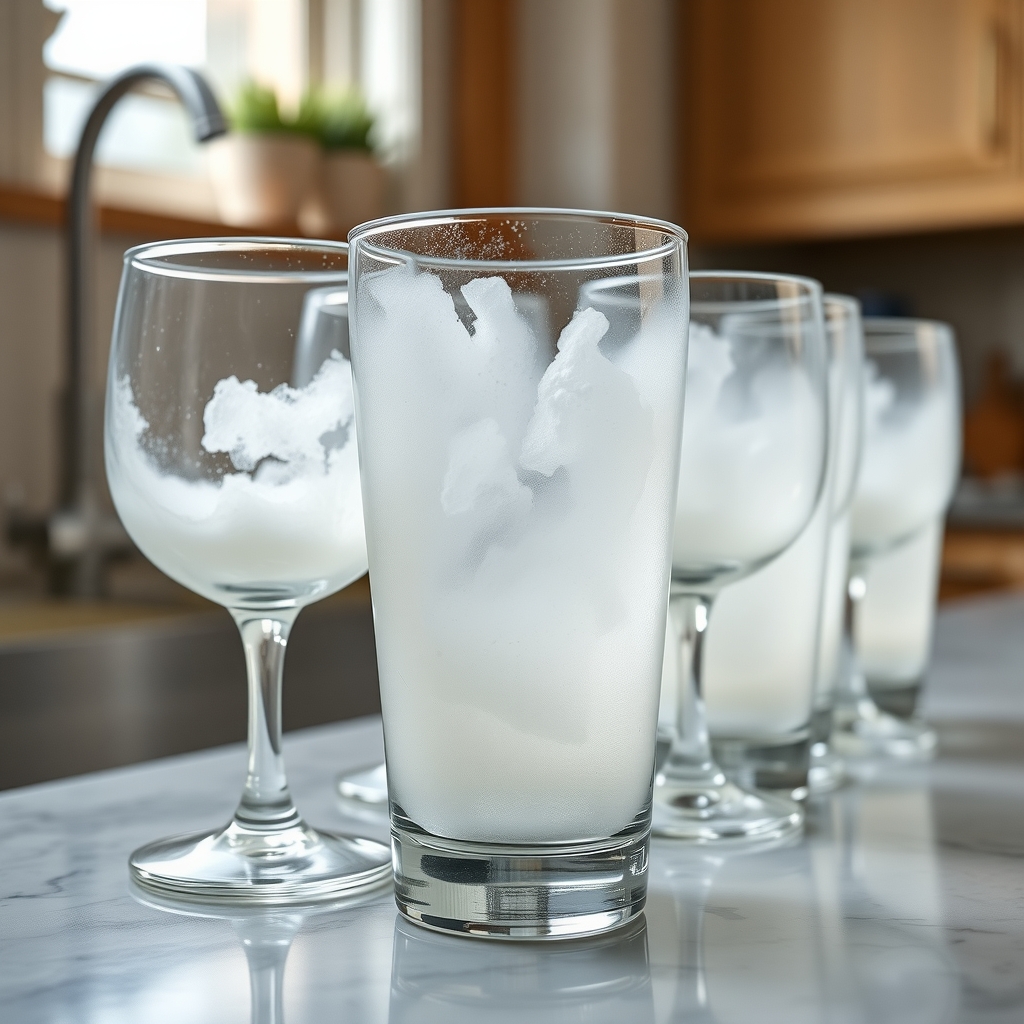
To stop a dishwasher from leaving white residue, first work out what the film is. Most often it is hard-water minerals left behind as the water dries, made worse by low rinse aid or the wrong amount of detergent. Vinegar helps some, but a dishwasher descaler dissolves the mineral scale inside the machine and is the fix to repeat on a schedule.
Free fix vs. permanent fix
Test it, refill rinse aid, run a vinegar cycle
- Soak a cloudy glass in white vinegar for 5 minutes to confirm it is minerals
- Fill the rinse aid and turn the dial up one notch
- Use the detergent amount on the pack, not extra
- Clean the filter and the spray arm holes
How long it lasts: A few weeks if your water is moderately hard. In very hard water the film returns as soon as the minerals do.
A dishwasher descaler on a monthly routine
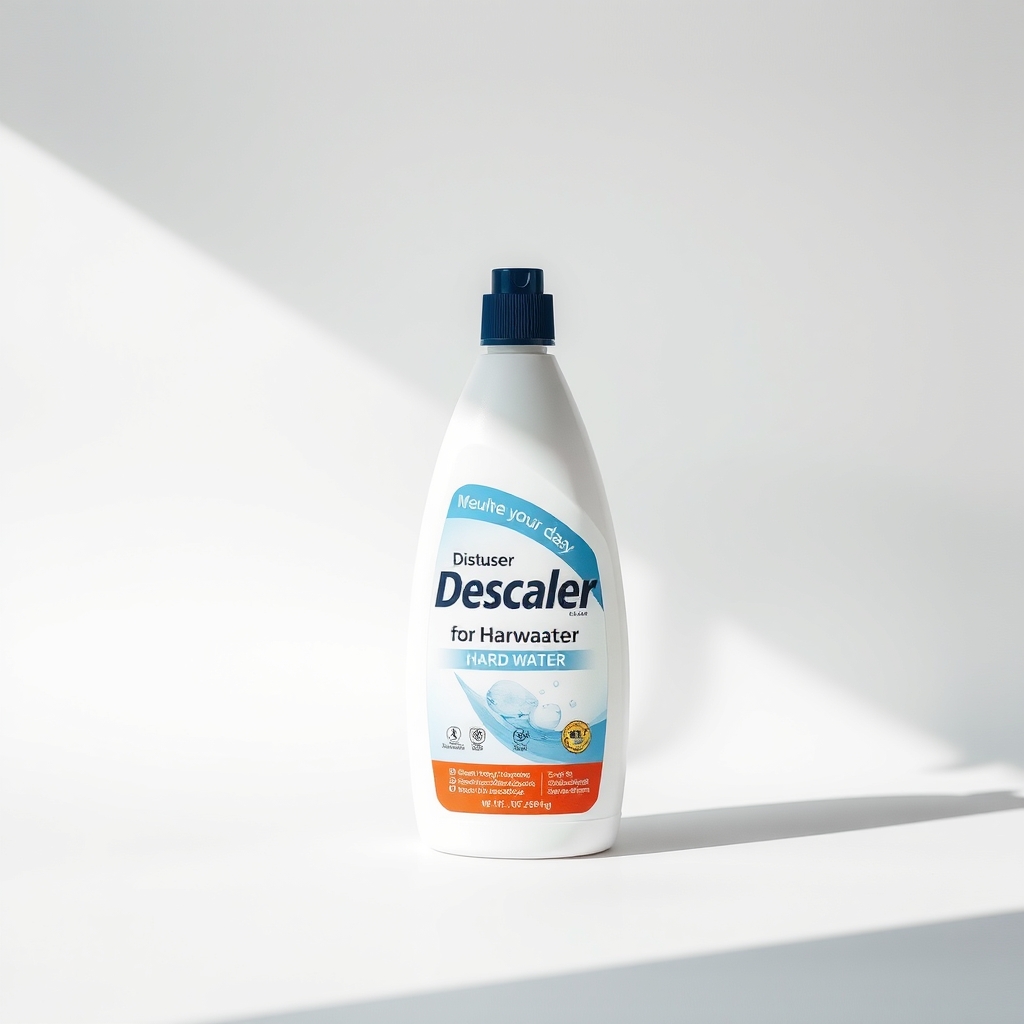
Hard water leaves scale on the tub, the spray arms and the heater. Scale clogs spray holes, so rinsing gets worse and more film lands on your dishes. A descaler dissolves it. The minerals arrive with every fill, so this fix is a routine, not a one-off.
What to get: Dishwasher descaler for hard water
How long it lasts: It works for as long as you keep it up. In hard water, run it about once a month.
As an Amazon Associate I earn from qualifying purchases.
What you'll need
-
White vinegar
For the glass test and an occasional hot cycle
You have it -
Cloudy drinking glass
Your test sample
Free - Illustration
Rinse aid
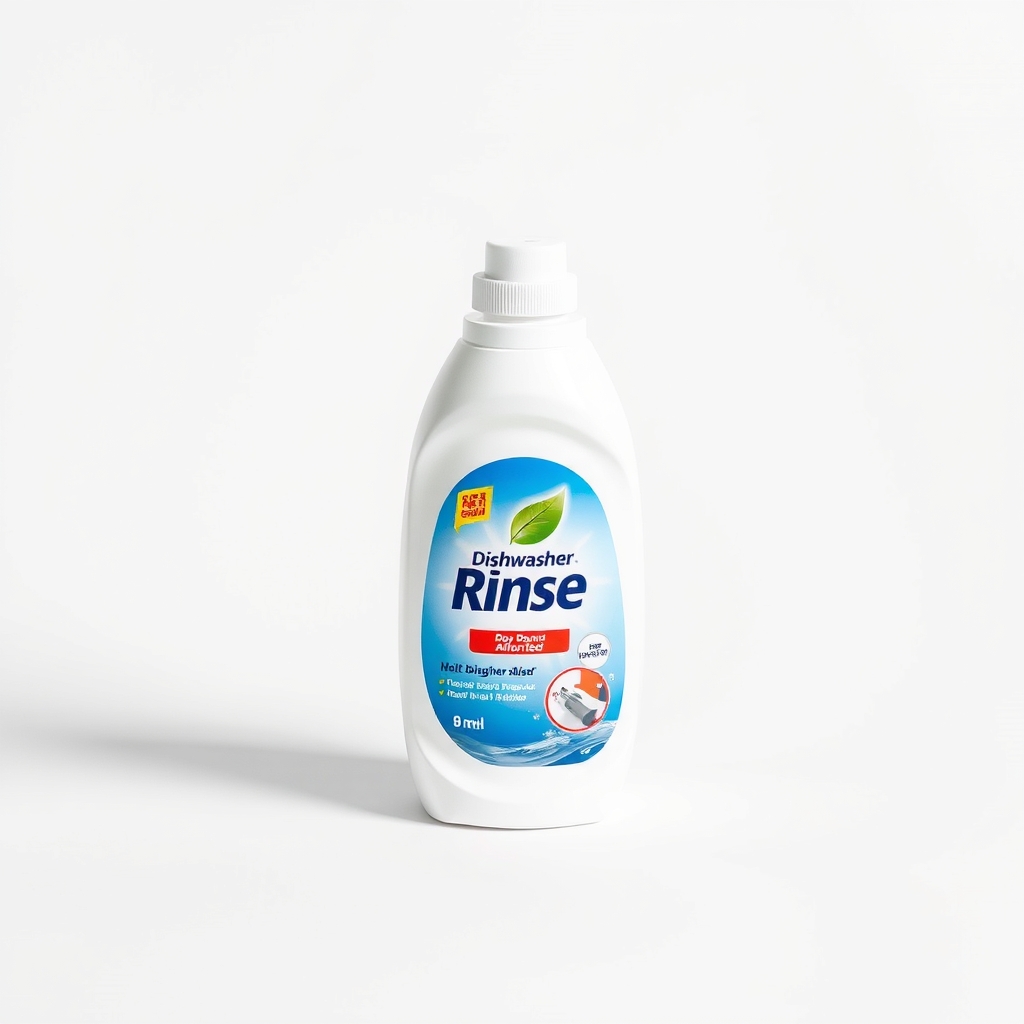
Helps water sheet off instead of drying in droplets
- Our pick Illustration
Dishwasher descaler
Dissolves scale inside the machine
- Illustration
Water hardness test strips
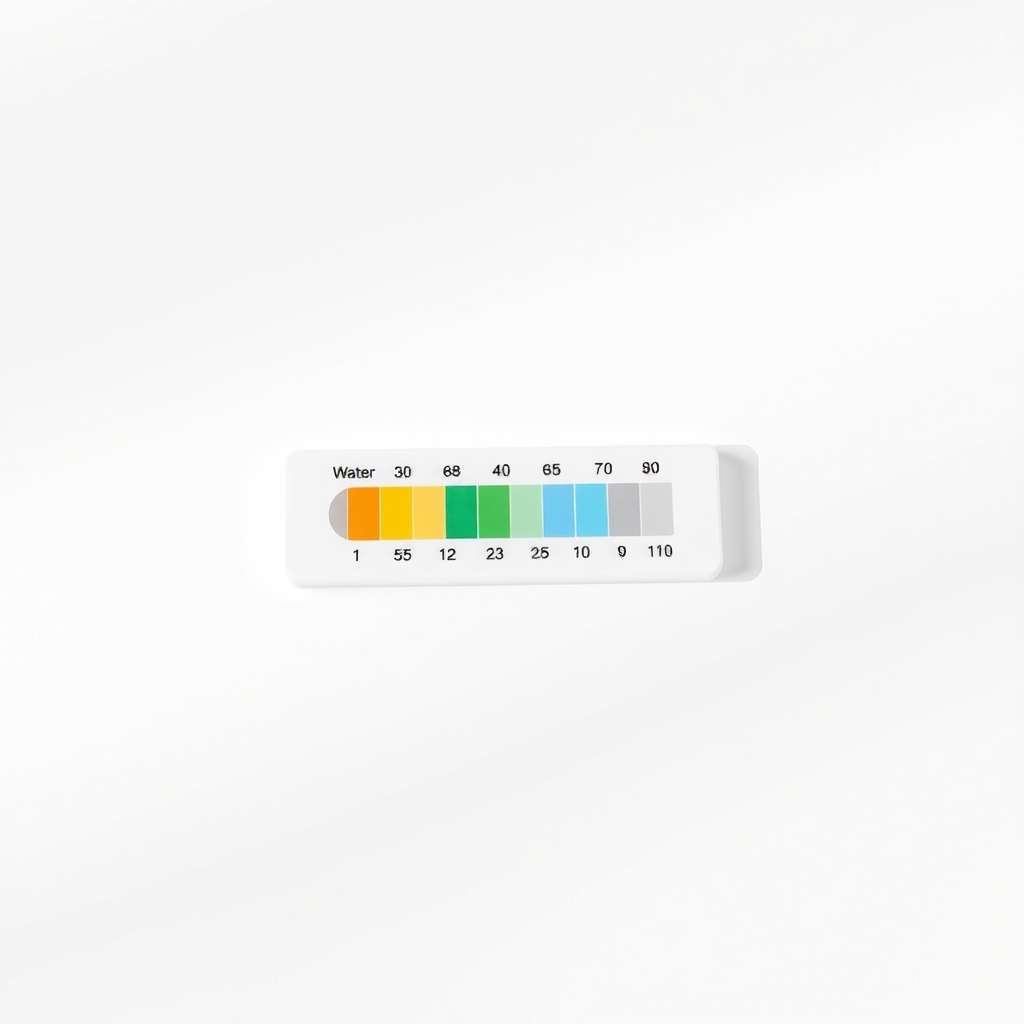
Over about 7 grains per gallon counts as hard
Why it happens
Hard-water minerals
Calcium and magnesium stay behind as water evaporates and leave a chalky film. Water over about 7 grains per gallon counts as hard.
Not enough rinse aid
Rinse aid helps water sheet off dishes instead of drying in droplets. An empty dispenser leaves minerals on glass.
Too much detergent
Extra soap does not rinse away fully, especially in soft water, and leaves a cloudy, soapy film.
Clogged spray holes or a dirty filter
If water cannot reach every dish, soap and minerals stay on them.
Etching, which is permanent
Soft water and too much detergent can wear the surface of glass. It looks like film, but it does not wipe or dissolve away.
Try this first (free)
Do these in order, starting with the simplest.
-
Do the vinegar test
Tool used: White vinegarSoak a cloudy glass in white vinegar for 5 minutes, then rinse it. If the film disappears, it is minerals you can fix. If the cloudiness stays, the glass is etched and will not clear.
-
Fill the rinse aid
Tool used: Rinse aidFill the dispenser and set the dial one notch higher. If you see streaks or foam, turn it back down.
IllustrationCheck price on AmazonTool for this step
Rinse aid · Helps water sheet off instead of drying in droplets
-
Measure your detergent
Use the amount on the pack. Check the label for a hard-water setting. Do not double up, since extra soap leaves more film.
-
Clean the filter and spray arms
Pull out the filter and rinse it. Poke out any clogged spray arm holes with a toothpick.
-
Run a hot vinegar cycle
Tool used: White vinegarSet a cup of white vinegar in a bowl on the top rack and run the hottest empty cycle. Check your manual first, since some makers advise against regular vinegar because it can wear rubber seals.
-
Descale on a schedule
Tool used: Dishwasher descalerRun a dishwasher descaler on an empty hot cycle as the pack directs. In hard water, plan on roughly once a month.
IllustrationCheck price on AmazonTool for this step
Dishwasher descaler · Dissolves scale inside the machine
When free fixes aren't enough
Vinegar helps with a light film, but scale builds up on the heater and in the spray arms, and one cup will not dissolve a thick layer. If your water is hard, expect the film to return within weeks, and a descaler is made for exactly that job. If your dishwasher has a salt compartment, which is common on European brands, make sure it is full. If the whole house has hard water, a water softener is the long-term fix, and it costs far more. If a glass stays cloudy after the vinegar test, it is etched and nothing will bring it back.
Buy the fix
Still stuck after the free fixes? These are the products we would look at.
| Pick | Product | Fixes | Who it's for | Buy |
|---|---|---|---|---|
| Best pick | Dishwasher descaler for hard water | mineral scale inside the machine that leaves white film | Households with hard water, or a white film that returns after a vinegar run. | Check price |
| Budget pick | Dishwasher rinse aid | water spots and film from droplets drying on dishes | Anyone whose rinse aid dispenser is empty or has never been filled. | Check price |
Dishwasher descaler for hard water
Fixes: mineral scale inside the machine that leaves white film
Look for: Made for dishwashers, with clear empty-cycle instructions; Citric-acid based or similar mineral remover; Safe for your tub type, such as stainless steel, per the label; Enough doses for monthly use.
- Who it's for
- Households with hard water, or a white film that returns after a vinegar run.
- Honest downside
- Your manual says to use only the maker's cleaner, or your glass is etched. A descaler will not undo etching.
Dishwasher rinse aid
Fixes: water spots and film from droplets drying on dishes
Look for: Made for dishwashers, not a laundry additive; Fits your dispenser size; Works with your detergent, as the label says.
- Who it's for
- Anyone whose rinse aid dispenser is empty or has never been filled.
- Honest downside
- Your dispenser is full and the dial is high. Then scale or detergent is the cause.
As an Amazon Associate I earn from qualifying purchases. We don't show prices because they change, so use the button to see today's price.
How we picked: How we picked: this page is based on dishwasher owner manuals, water hardness guidance from public water agencies, product instructions from descaler makers, and what owners report in reviews. We do not test products by hand.
Film, spots or etching? A 5-minute check
- Chalky white, wipes off with vinegar: hard-water minerals. Descale and use rinse aid.
- Foamy, slippery or soapy feel: too much detergent. Use less.
- Rainbow or cloudy haze that vinegar will not remove: etching. The glass is damaged, so use less detergent on future loads.
What to skip
Adding extra detergent
More soap does not beat hard water. It leaves more film and can etch glassware over time. Use the amount on the pack and fix the rinse aid and the scale instead.
Frequently asked questions
Is the white film on my dishes harmful?
Why is my dishwasher leaving white residue even with rinse aid?
Does vinegar or citric acid remove hard-water film better?
How do I know if my water is hard?
Related problems
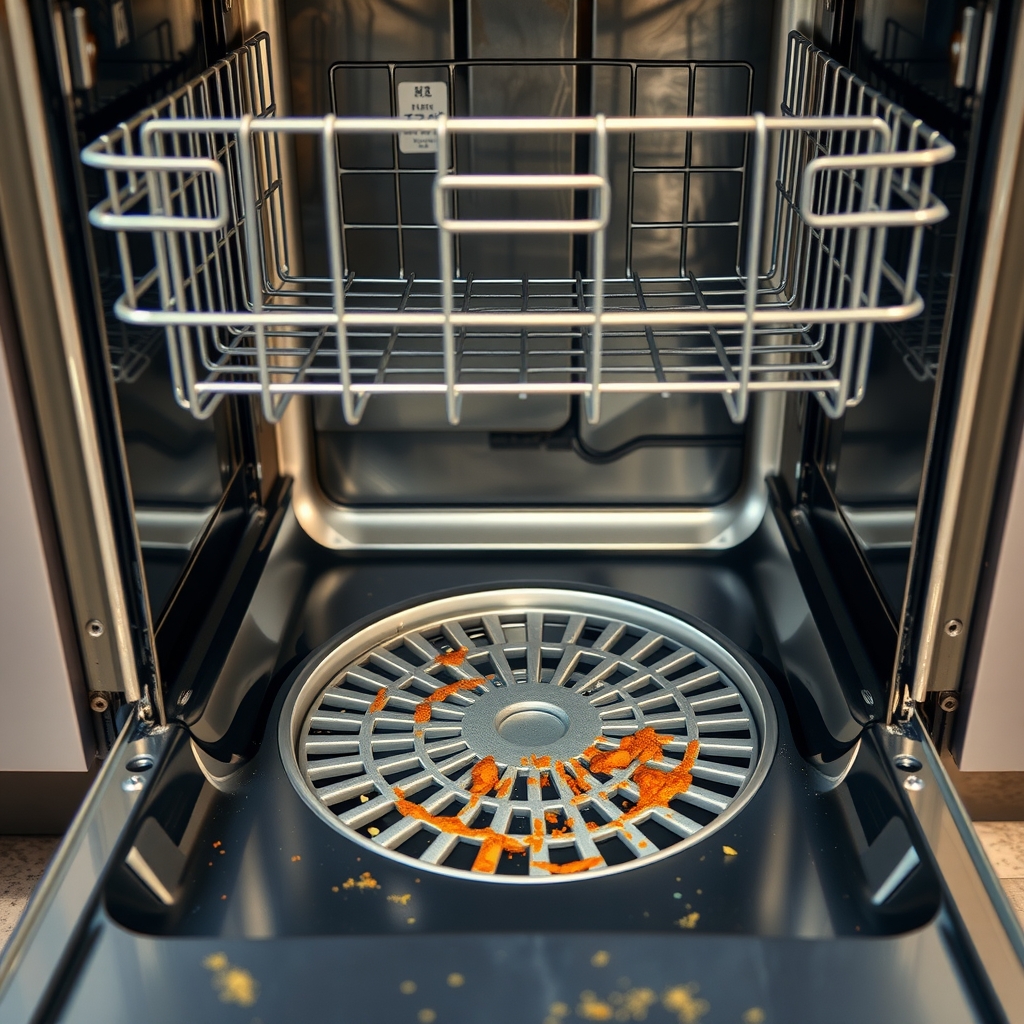 Free fix inside
Kitchen · Dishwasher
Dishwasher Smells Bad? Clean the Filter First, Then Run This Cycle
Read the fix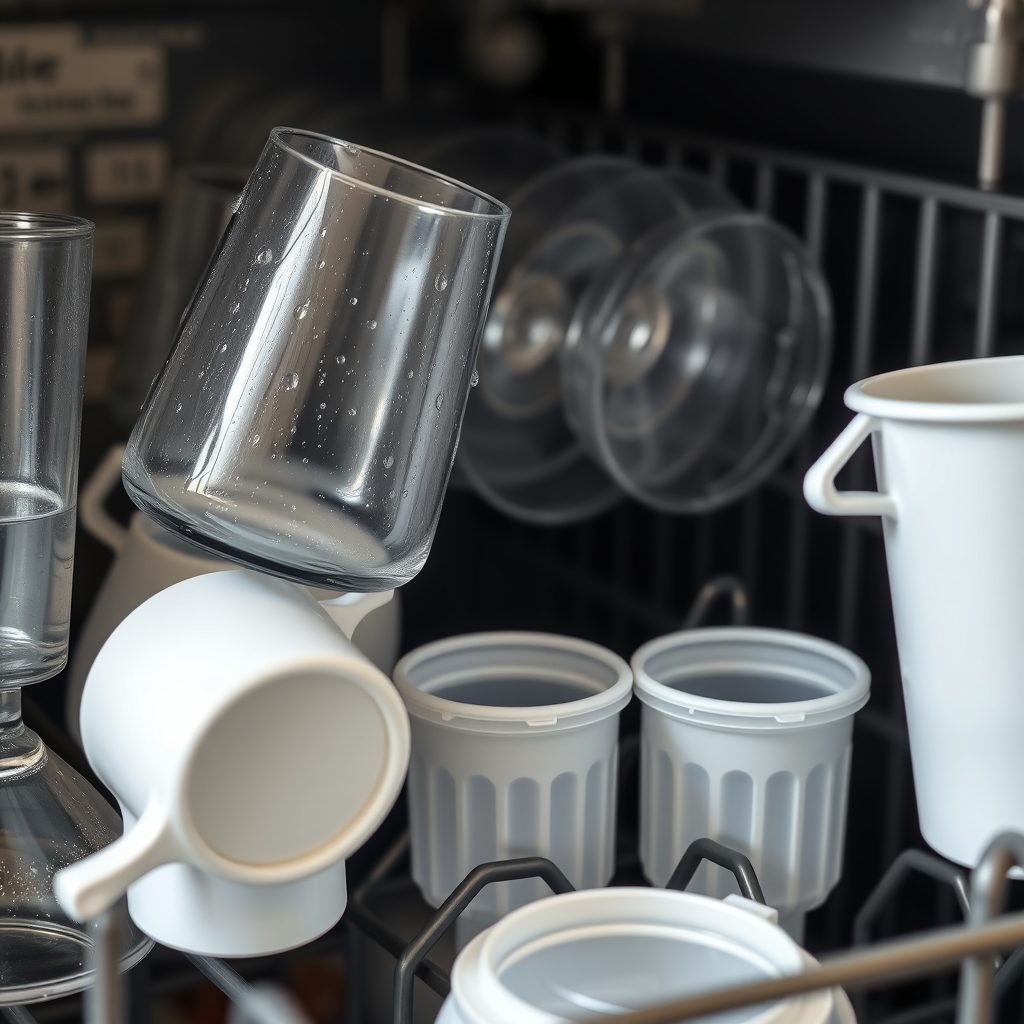 Free fix inside
Kitchen · Dishwasher
Dishwasher Not Drying Dishes? Rinse Aid and Rack Tricks That Help
Read the fix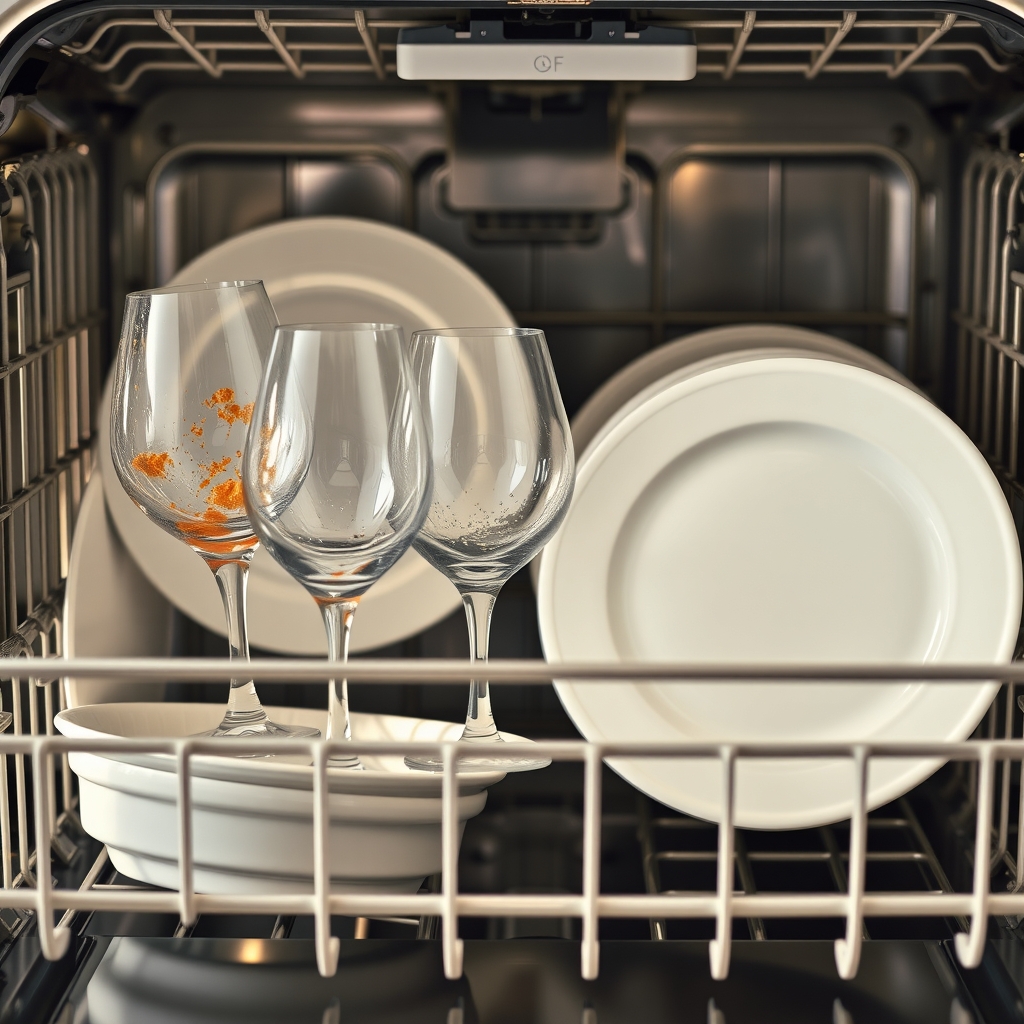 Free fix inside
Kitchen · Dishwasher
Dishwasher Not Cleaning Dishes? 5 Checks Before You Blame the Pods
Read the fix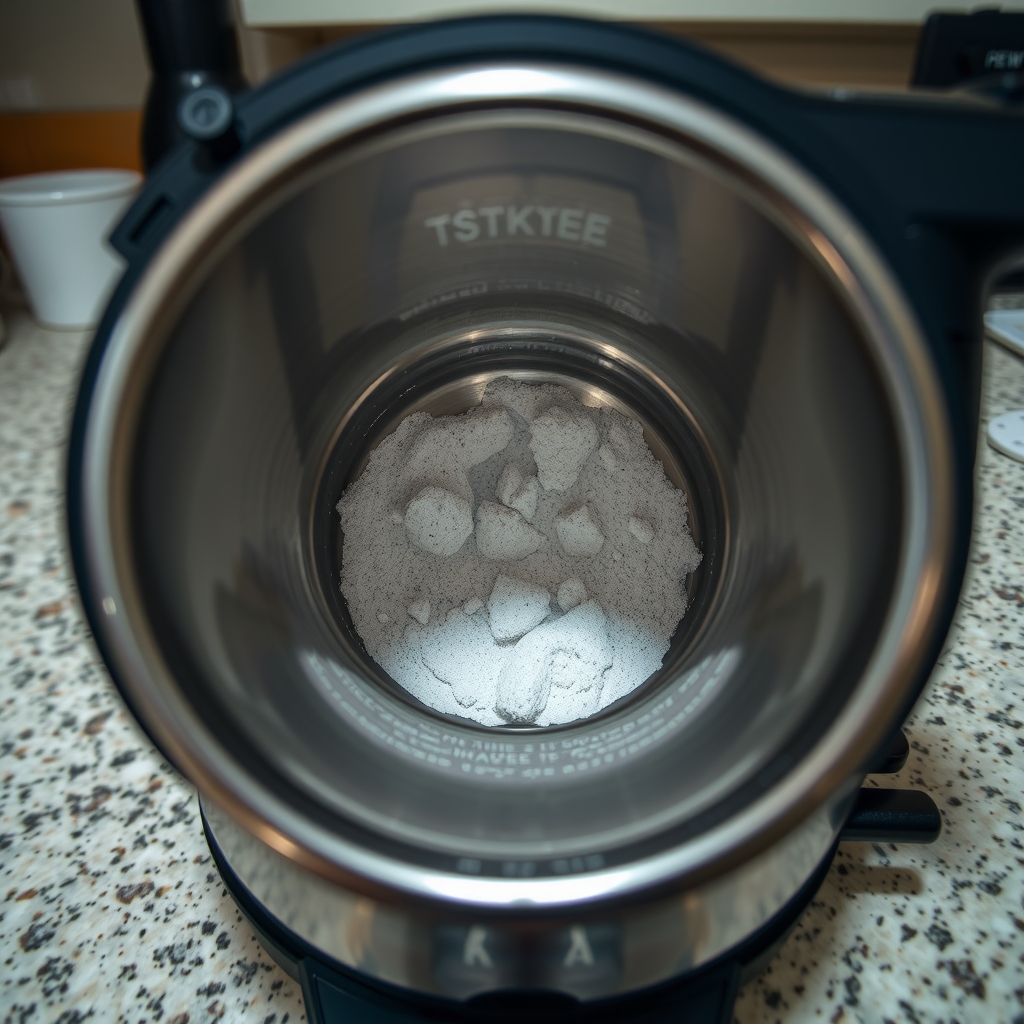 Free fix inside
Kitchen · Electric Kettle
White Stuff in Your Electric Kettle? It's Limescale: Remove It Fast
Read the fixAs an Amazon Associate I earn from qualifying purchases. Affiliate disclosure