Dishwasher Not Cleaning Dishes? 5 Checks Before You Blame the Pods
Gritty plates and cloudy glasses usually point to a dirty filter, blocked spray arms or hard water. Run five free checks before you buy anything.
By Jamilur Rahman Updated November 5, 2026 · 6 min read
- Time
- 30 min
- Cost
- Under $20
- Difficulty
- Easy
In this guide
Quick answer
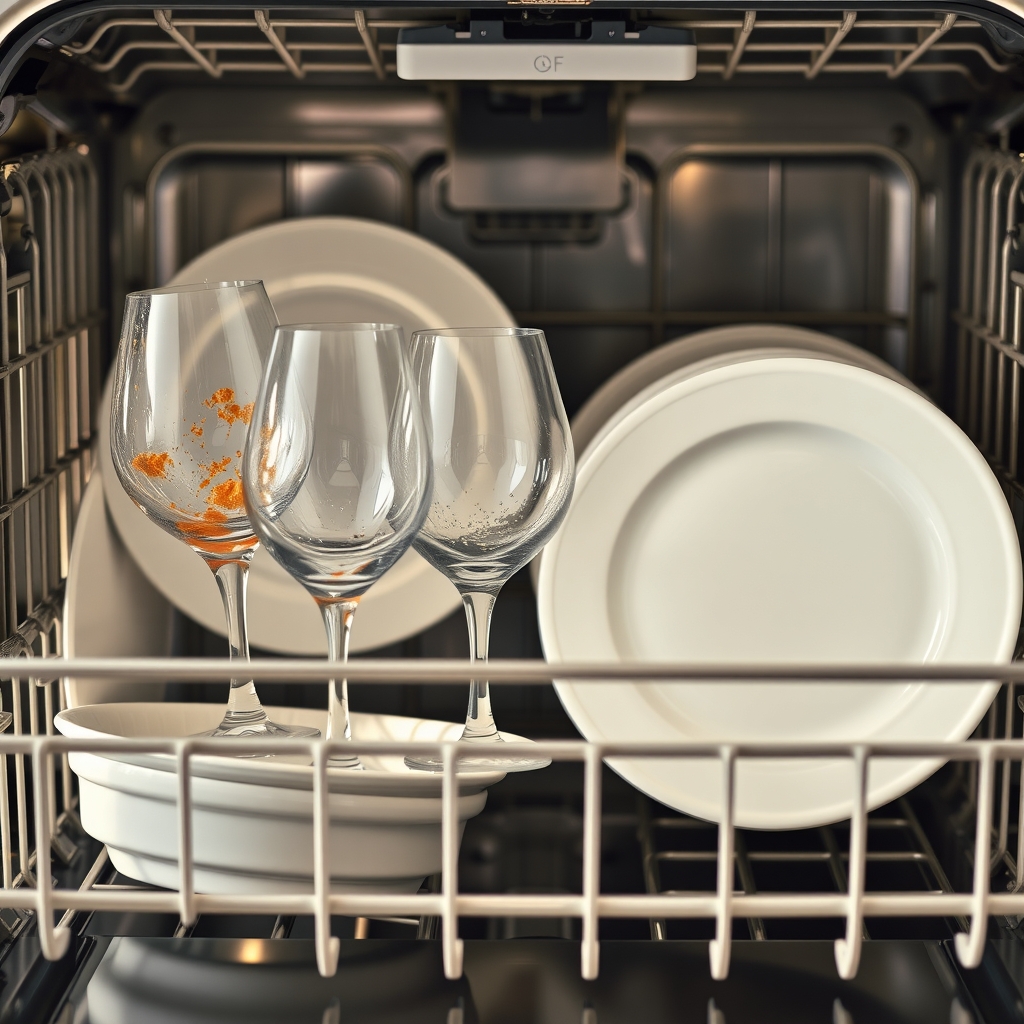
Why is my dishwasher not cleaning my dishes? The cause is usually a clogged filter, blocked spray arm holes, a crowded rack or lukewarm water, not the detergent. Run the five checks below in order. If dishes still come out with a white film or a gritty feel, hard water is fighting your detergent, and pods made for hard water fix that.
Free fix vs. permanent fix
Five checks: filter, spray arms, loading, heat and soap
- Rinse the filter at the bottom of the tub
- Poke food and scale out of the spray arm holes
- Load so water can reach every dish
- Run the kitchen tap hot before you start the cycle
How long it lasts: Fixes most cases for good. Clean the filter once a month to keep it that way. It will not beat very hard water.
Dishwasher pods made for hard water
In hard water, minerals use up detergent and leave a white film that looks like dirt. Pods made for hard water carry extra softening agents and a rinse aid, so you do not have to measure extras. Buy them only if the test strip says your water is hard. If it does not, the filter was the fix.
What to get: Dishwasher detergent pods for hard water
How long it lasts: Every load. They keep working against the minerals that dull dishes.
As an Amazon Associate I earn from qualifying purchases.
What you'll need
-
Old toothbrush and toothpick
For the filter and the spray arm holes
You have it -
Kitchen thermometer
To check the water coming from the tap
You have it - Illustration
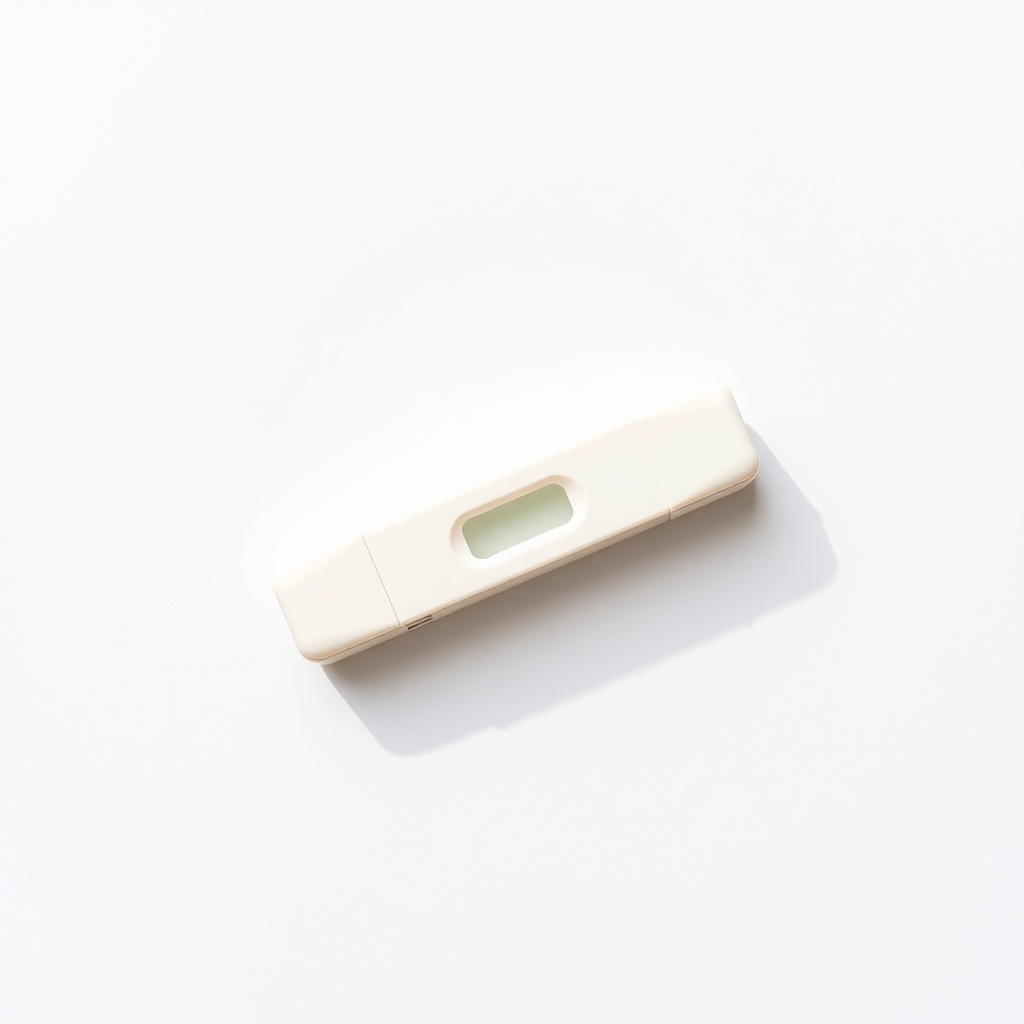
Hard water test strips
Show whether hard water is the real problem
- Our pick Illustration
Dishwasher detergent pods for hard water
Only needed if the strip says your water is hard
- Illustration
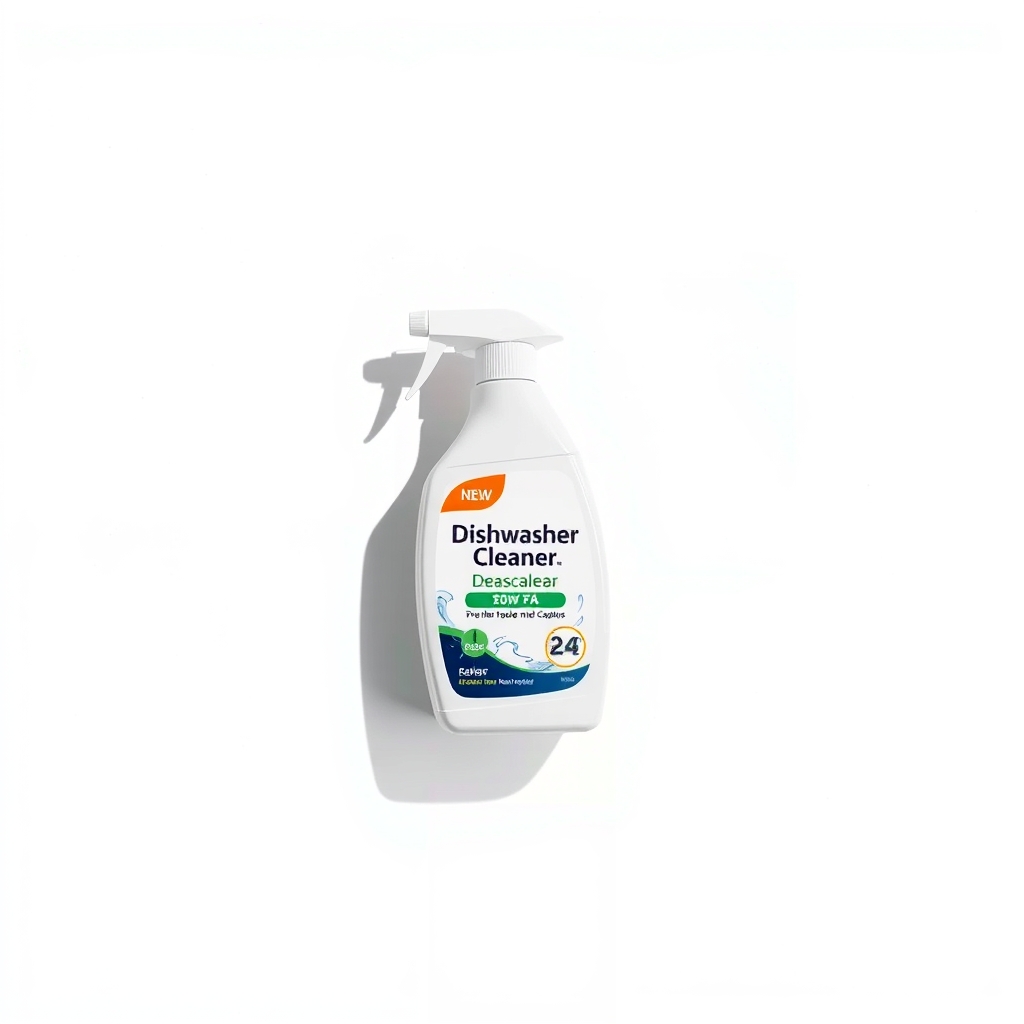
Dishwasher cleaner or descaler
A monthly run clears scale and grease from the tub
Why it happens
A clogged filter
Food and grease collect in the filter at the bottom of the tub. When it clogs, water cannot circulate and food specks get washed back onto the plates.
Blocked spray arm holes
Seeds, bits of label and mineral scale plug the small holes in the spray arms, so water sprays weakly or not at all.
Overloading or blocking the arm
Tall pans, big platters and nested bowls block the spray. Dishes that face away from the arm stay dirty.
Water that is not hot enough
Detergent works best with hot water, around 120°F. If the heater is far from the kitchen, the first water into the tub can be lukewarm.
Hard water
Minerals weaken the detergent and leave a white or cloudy film that looks like unrinsed soap.
Try this first (free)
Do these in order, starting with the simplest.
-
1. Clean the filter
Tool used: Old toothbrush and toothpickTwist out the filter at the bottom of the tub (check your manual), rinse it under the tap and scrub it with a soft brush. Do this once a month, or weekly with heavy use.
-
2. Clear the spray arm holes
Tool used: Old toothbrush and toothpickPop the arms off if they are removable, rinse them and poke debris out of each hole with a toothpick. Spin them by hand to confirm they turn freely.
-
3. Reload the machine
Face the dirtiest sides toward the center, keep tall items to the sides, do not nest bowls and keep anything from blocking the arm. Scrape off scraps but skip the pre-rinse, because detergent works best with some food on the dishes.
-
4. Run the tap hot first
Tool used: Kitchen thermometerRun the kitchen tap until the water is hot before you start the cycle. Check the temperature with a thermometer. About 120°F is the target, and do not set your water heater higher without thinking about scalding.
-
5. Check the detergent
Tool used: Hard water test stripsUse one fresh pod, or the amount on the box. Too little leaves grit and too much leaves film. If glasses still look cloudy, dip a test strip in tap water to see if it is hard.
IllustrationCheck price on AmazonTool for this step
Hard water test strips · Show whether hard water is the real problem
When free fixes aren't enough
If the filter and arms are clean, the load is loose, the water is hot and dishes still come out dirty, the problem is in parts you cannot see. A weak pump, a failing inlet valve or a broken spray arm mount means too little water reaches the dishes, and that needs a technician. If water sits in the tub after the cycle, check the drain hose and the manual first. If the strip reads hard, detergent is the weak link, and hard-water pods keep dishes clean without extra steps.
Buy the fix
Still stuck after the free fixes? These are the products we would look at.
Dishwasher detergent pods for hard water
Fixes: white film and cloudy glasses caused by hard water
Look for: Labeled for hard water or with water-softening ingredients; A built-in rinse aid; A tub or box that keeps the pods dry.
- Who it's for
- Households whose test strip reads hard, or with white scale on faucets and the tub.
- Honest downside
- Your water is soft and the filter was the problem. Regular pods are fine.
As an Amazon Associate I earn from qualifying purchases. We don't show prices because they change, so use the button to see today's price.
How we picked: How we picked: this page is based on dishwasher manuals and care guides, detergent maker instructions, and the problems owners report in reviews. We do not test products by hand.
Read the dishes: what each mess means
- Food specks and grit: dirty filter, blocked arm or crowded rack.
- White cloudy film: hard water.
- Greasy plates: water not hot enough, or too little detergent.
- Dirty only on the top rack: the upper spray arm is clogged or blocked.
What to skip
Pre-rinsing, and dish soap in the dishwasher
Rinsing every plate wastes water and leaves the detergent nothing to cling to. Switching brands before you clean the filter hides the problem for a load or two. And never put liquid hand dish soap in a dishwasher: it makes so many suds that it can flood the kitchen floor.
Frequently asked questions
Why is my dishwasher not cleaning my dishes even with new pods?
Why is my dishwasher not cleaning the top rack?
Why does my dishwasher leave a gritty film on dishes?
How often should I clean the dishwasher filter?
Related problems
 Free fix inside
Kitchen · Dishwasher
Dishwasher Smells Bad? Clean the Filter First, Then Run This Cycle
Read the fix Free fix inside
Kitchen · Dishwasher
Dishwasher Not Drying Dishes? Rinse Aid and Rack Tricks That Help
Read the fix Free fix inside
Kitchen · Dishwasher
Dishwasher Leaving White Residue? Hard Water Is the Likely Culprit
Read the fix Free fix inside
Kitchen · Dishwasher
Dishwasher Rack Rust? Repair It Now Instead of Buying a New Rack
Read the fixAs an Amazon Associate I earn from qualifying purchases. Affiliate disclosure