Dishwasher Not Drying Dishes? Rinse Aid and Rack Tricks That Help
Wet dishes after a full cycle usually mean water is beading instead of sheeting off. Fix the heat and the load first, then add rinse aid for good.
By Jamilur Rahman Updated November 5, 2026 · 6 min read
- Time
- 10 min plus one cycle
- Cost
- Under $20
- Difficulty
- Easy
In this guide
Quick answer
Most dishwashers that leave dishes wet are not broken. Many dry by condensation, so water has to run off the dishes and down the tub wall. Start with hot water, tilt cups and bowls, turn on heated dry and crack the door at the end. Then fill the rinse aid dispenser. Rinse aid is the one product that makes water sheet off, and it is what stops wet dishes coming back.
Free fix vs. permanent fix
Hot water, smarter loading, heated dry
- Run the kitchen tap hot before you start the cycle
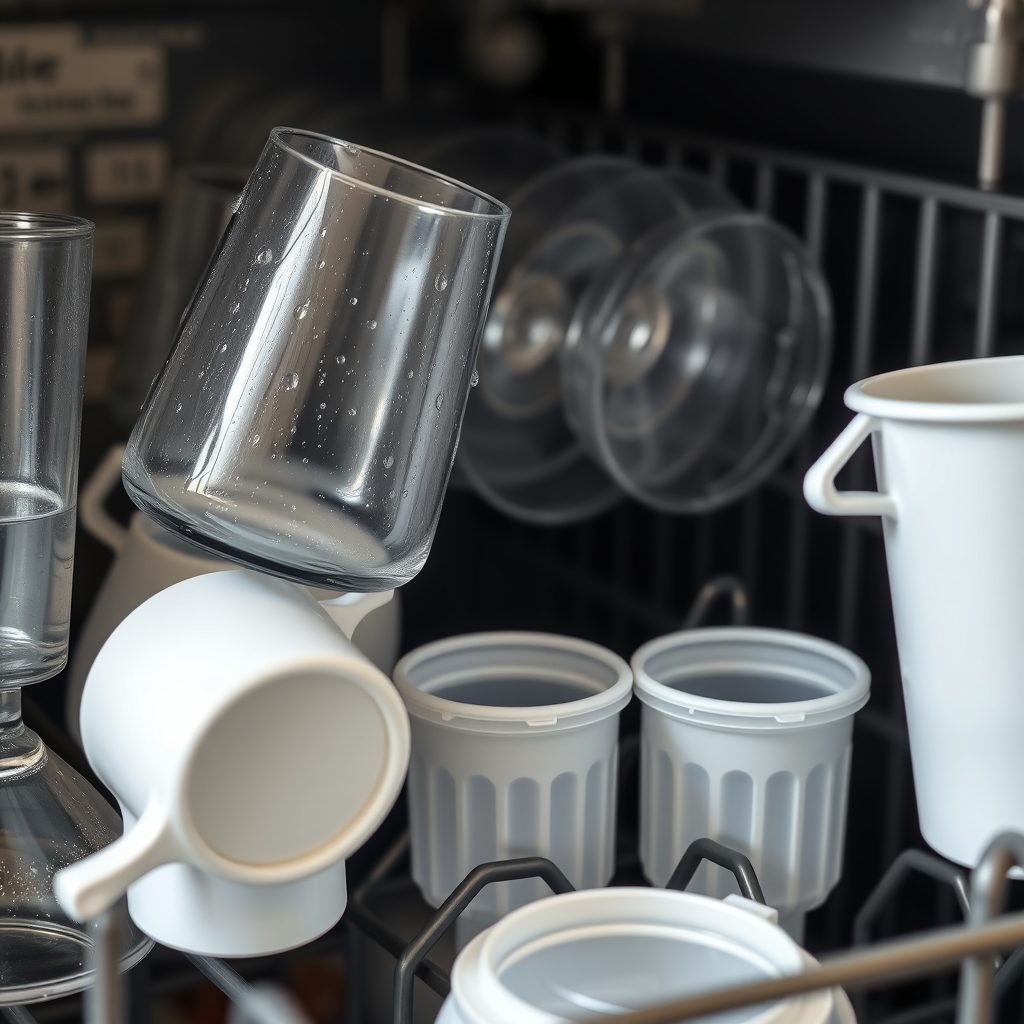
- Tilt cups and bowls so water runs off instead of pooling
- Turn on heated dry or extra dry
- Crack the door open when the cycle ends
How long it lasts: Helps on some loads. Plastic and cups that hold water still come out wet, because nothing makes the water slide off.
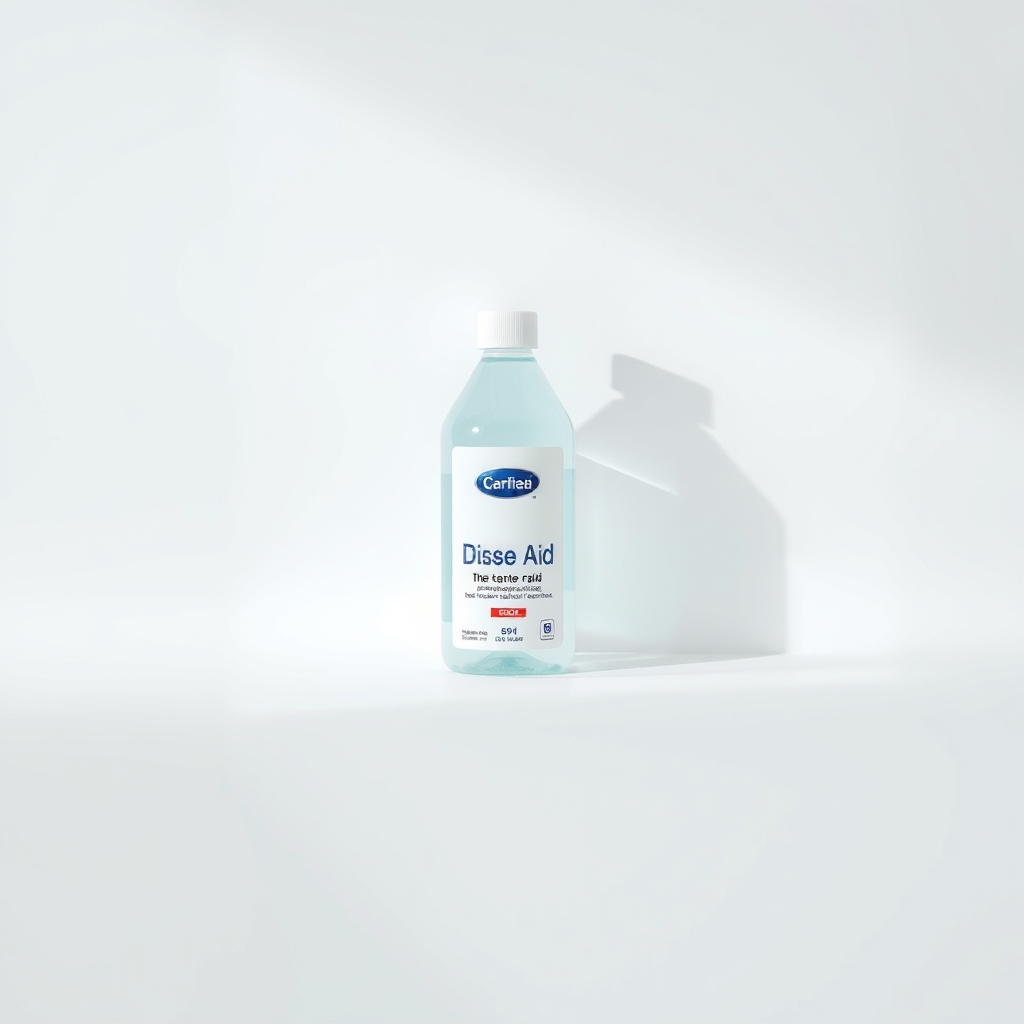
Liquid rinse aid in the dispenser
Rinse aid lowers the surface tension of water, so it runs off dishes in a sheet instead of clinging as droplets. The free steps add heat and a better load, but only rinse aid fixes the water that sits on plastic and in the dips of cups.
What to get: Liquid dishwasher rinse aid
How long it lasts: Every load. One refill lasts weeks, and dishes dry the same way each time.
As an Amazon Associate I earn from qualifying purchases.
What you'll need
-
Hot tap water
Run it until hot so the first fill is not cold
Free -
Microfiber towel
To wipe the few plastic pieces that stay wet
You have it -
Dishwasher manual or model number
Shows the rinse aid dial range and which cycles dry best
Free - Our pick Illustration
Liquid rinse aid
The refill goes in the small dispenser next to the detergent door
Why it happens
An empty rinse aid dispenser
Most machines hold a small reservoir of rinse aid. When it runs dry, water beads on glass and plastic instead of sliding off. Many owners go for months without noticing it is empty.
Not enough heat for condensation drying
Many dishwashers do not blow hot air. They heat the final rinse, then let steam condense on the cooler tub wall. If the incoming water is cold, or your water heater is set low, dishes never get hot enough to dry themselves. Makers often ask for water around 120°F at the machine.
Plastic and dips that hold water
Plastic holds far less heat than glass or ceramic, and water beads on it. Cup bottoms, bowls and anything with a dip collect pools that never run off.
Eco and quick cycles
Eco, light and quick cycles often cut or skip the heated dry step. Dishes come out damp by design.
Try this first (free)
Do these in order, starting with the simplest.
-
1. Run the tap hot before you start
Tool used: Hot tap waterHold your hand under the kitchen tap until the water runs hot, then start the cycle. That fills the machine with hot water from the first second. If the tap takes a long time to get hot, your water heater may be set below 120°F.
-
2. Reload so water can run off
Angle cups and bowls face down and tilted, never flat. Put plastic on the top rack, and do not nest bowls or crowd the racks, because steam needs room to move.
-
3. Pick a heated dry setting
Tool used: Dishwasher manual or model numberTurn on heated dry, extra dry or sanitize if your machine has it. Skip eco and quick cycles for loads that matter. The manual lists which cycles dry best.
-
4. Open the door when the cycle ends
Tool used: Microfiber towelWait until the cycle is fully done, then crack the door about 2 inches or slide the lower rack out. Trapped steam keeps dishes damp, and this lets it escape. Wipe stubborn plastic with a towel.
-
5. Fill the rinse aid dispenser
Tool used: Liquid rinse aidOpen the dispenser cap, pour to the fill line and wipe up any spill, since extra can cause suds and streaks. Most dispensers have a dial from 1 to 6. Start in the middle, raise it one number if dishes are still wet, and lower it if you see streaks or a sticky film.
IllustrationCheck price on AmazonTool for this step
Liquid rinse aid · The refill goes in the small dispenser next to the detergent door
When free fixes aren't enough
If the rinse aid is full, the water is hot and heated dry is on, but even glass and ceramics come out wet, the heating element may have failed. Signs: the inside is barely warm when the cycle ends and dishes are cold to the touch. Do not guess; turn the power off at the breaker and check the manual or call a technician. If only plastic stays wet, that is normal, and rinse aid plus a quick towel wipe is the lasting answer.
Buy the fix
Still stuck after the free fixes? These are the products we would look at.
Liquid dishwasher rinse aid
Fixes: water beading and pooling on dishes, which is why they stay wet
Look for: Made for automatic dishwashers and clearly labeled as rinse aid; A bottle big enough for a few months of loads; Safe for plastics and glassware, per the label; A fragrance-free option if you are sensitive to scents.
- Who it's for
- Anyone whose dishes come out wet, especially households with lots of plastic containers and glasses.
- Honest downside
- Your dishwasher has no rinse aid dispenser, or the dispenser is already full and dishes are still wet. Then the problem is heat, not rinse aid.
As an Amazon Associate I earn from qualifying purchases. We don't show prices because they change, so use the button to see today's price.
How we picked: How we picked: this page is based on dishwasher manuals and care guides, appliance-maker advice on rinse aid and water temperature, and the problems owners report in reviews. We do not test products by hand.
Is it the heating element? A safe check
Many dishwashers have a heating element on the tub floor. Wait until the machine is cool and turn the power off at the breaker. A crack, a blister or a visible break in the element means it is not heating. If you cannot see an element, yours is hidden, and a technician can test it. If you smell burning, turn the power off and call for service.
Cheaper ways to help drying
- Unload the bottom rack first: water pooled on cup bottoms in the top rack can drip onto dishes below.
- Leave space: overloaded racks block spray and steam.
- Check the water heater: about 120°F is common advice. Do not set it higher without thinking about scald risk.
What to skip
Vinegar in the rinse aid dispenser
It is a popular hack, but several appliance makers warn that acid can wear rubber seals over time, so check your manual. Owners also report it sheets water off less well than real rinse aid. If the manual is silent, use the real product.
Frequently asked questions
Why is my dishwasher not drying dishes after a full cycle?
Why does my dishwasher not dry plastic?
Is it safe to open the dishwasher right after the cycle?
How much rinse aid should I use?
As an Amazon Associate I earn from qualifying purchases. Affiliate disclosure