Water Filter Pitcher Not Plastic? 3 Glass Pitchers Worth Buying
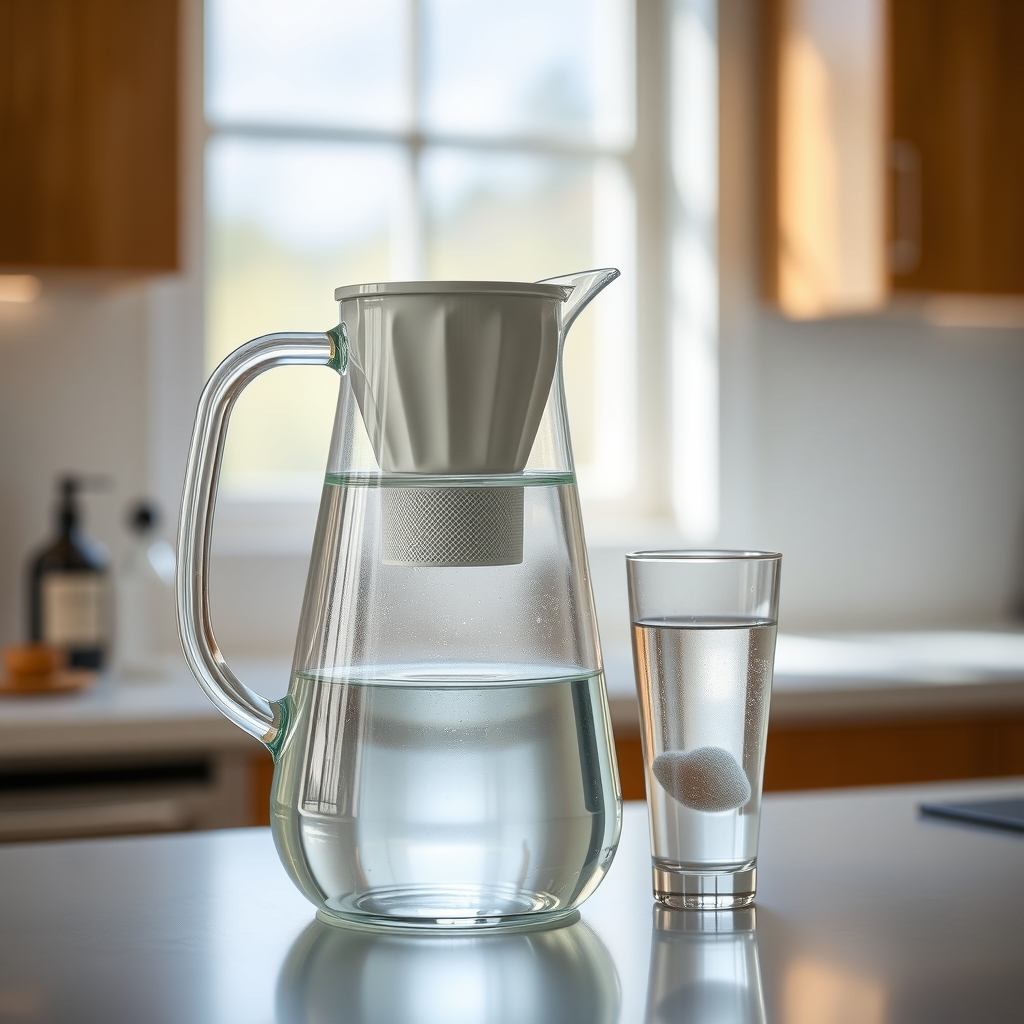
Most pitchers are plastic. Store filtered water in glass you own today, then pick a glass pitcher or dispenser, and check which parts stay plastic.
By Jamilur Rahman Updated November 5, 2026 · 7 min read
- Time
- 10 min
- Cost
- $20-$50
- Difficulty
- Easy
In this guide
Quick answer
Most filter pitchers are plastic, and glass versions still have a plastic lid and filter housing. Today, filter your water as usual but pour it into a clean glass jar or carafe to store. The lasting fix is a glass filter pitcher, where the water spends hours resting in glass. A gravity dispenser with a stainless or glass body is the step up for big households.
Free fix vs. permanent fix
Store filtered water in glass you own
- Filter as usual, then pour the water into a clean glass jar or carafe
- Keep the jar covered in the fridge
- Do not leave a plastic pitcher in the sun or near the stove
- Wash the jar and pitcher weekly with warm soapy water
How long it lasts: As long as you keep doing it. It cuts storage time in plastic, but the water still passes through plastic parts.
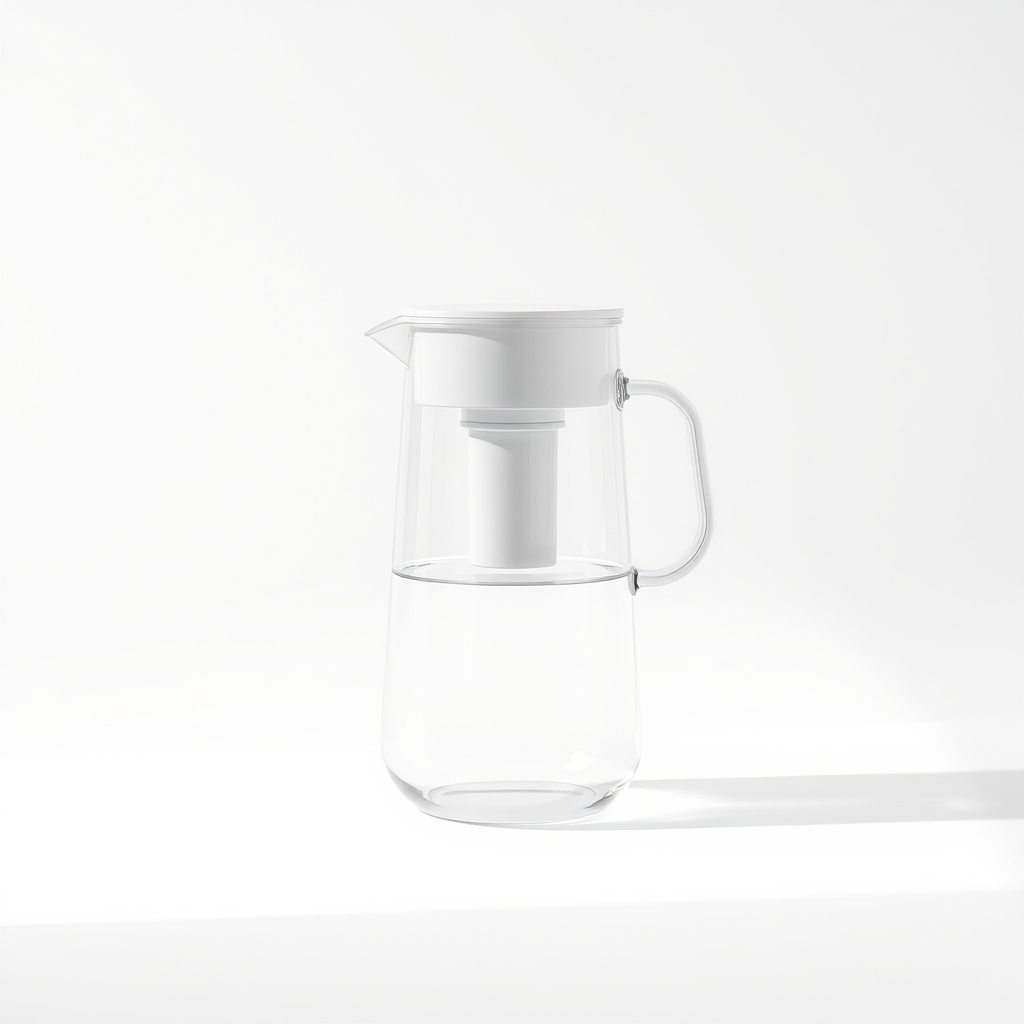
A glass body filter pitcher
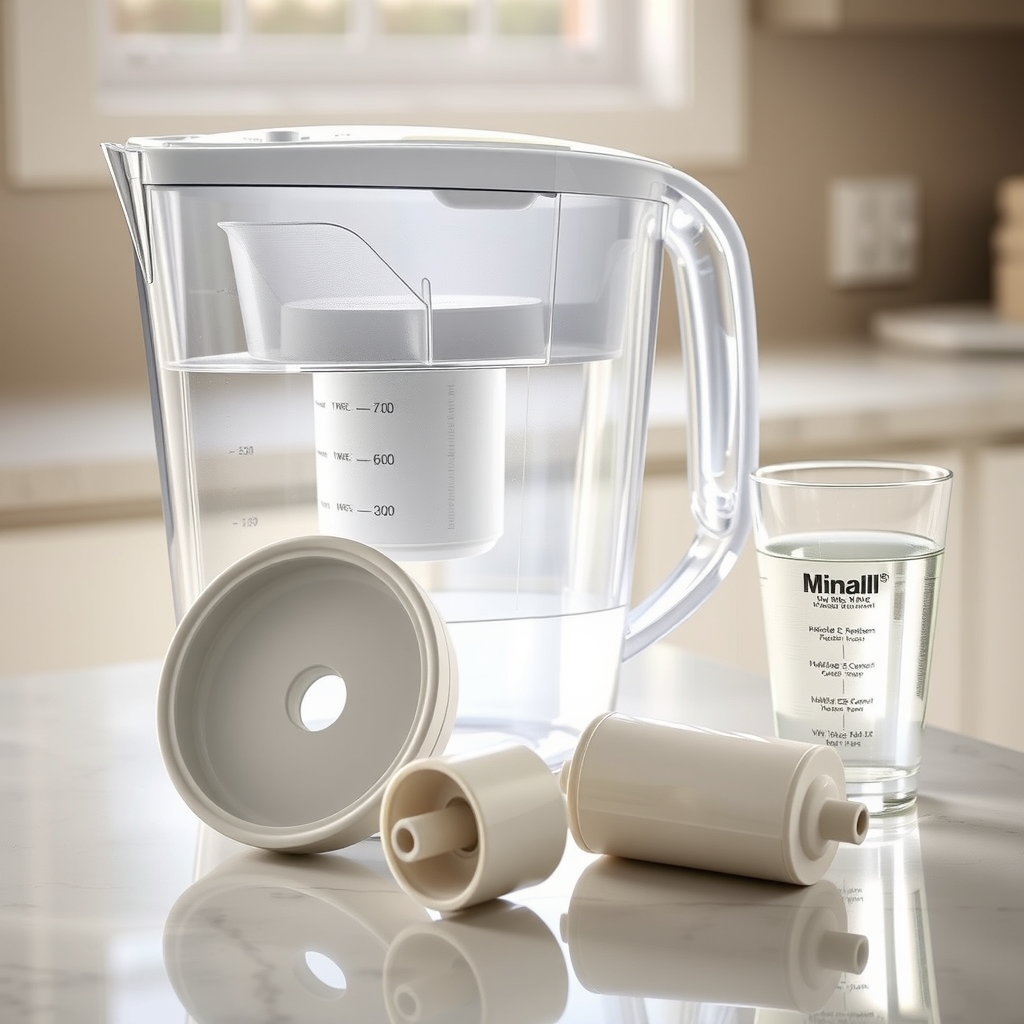
The long part of the process is the water sitting in the pitcher, not the minute it spends in the filter. A glass body takes care of that part and rinses clean. The lid, the filter holder and the cartridge are still plastic on most models, so read the listing.
What to get: Glass body water filter pitcher
How long it lasts: Years. Glass does not scratch, stain or hold smells the way plastic can.
As an Amazon Associate I earn from qualifying purchases.
What you'll need
-
Glass jar or carafe
A clean wide-mouth jar works for storing filtered water
You have it -
Soft bottle brush
For washing the jar and pitcher without scratching
You have it - Our pick Illustration
Glass filter pitcher
Check which parts are glass and which are plastic
- Illustration
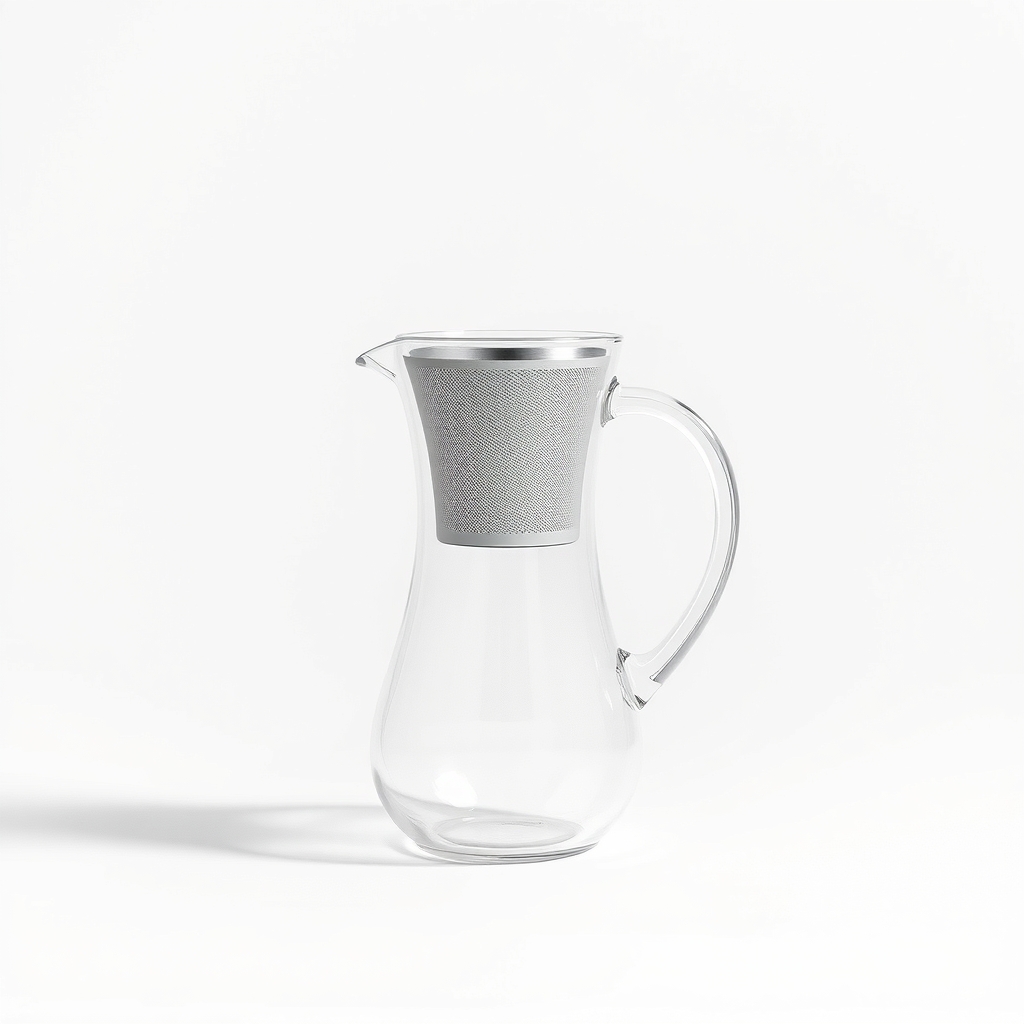
Compact glass filter pitcher
A smaller, cheaper size for one or two people
- Illustration
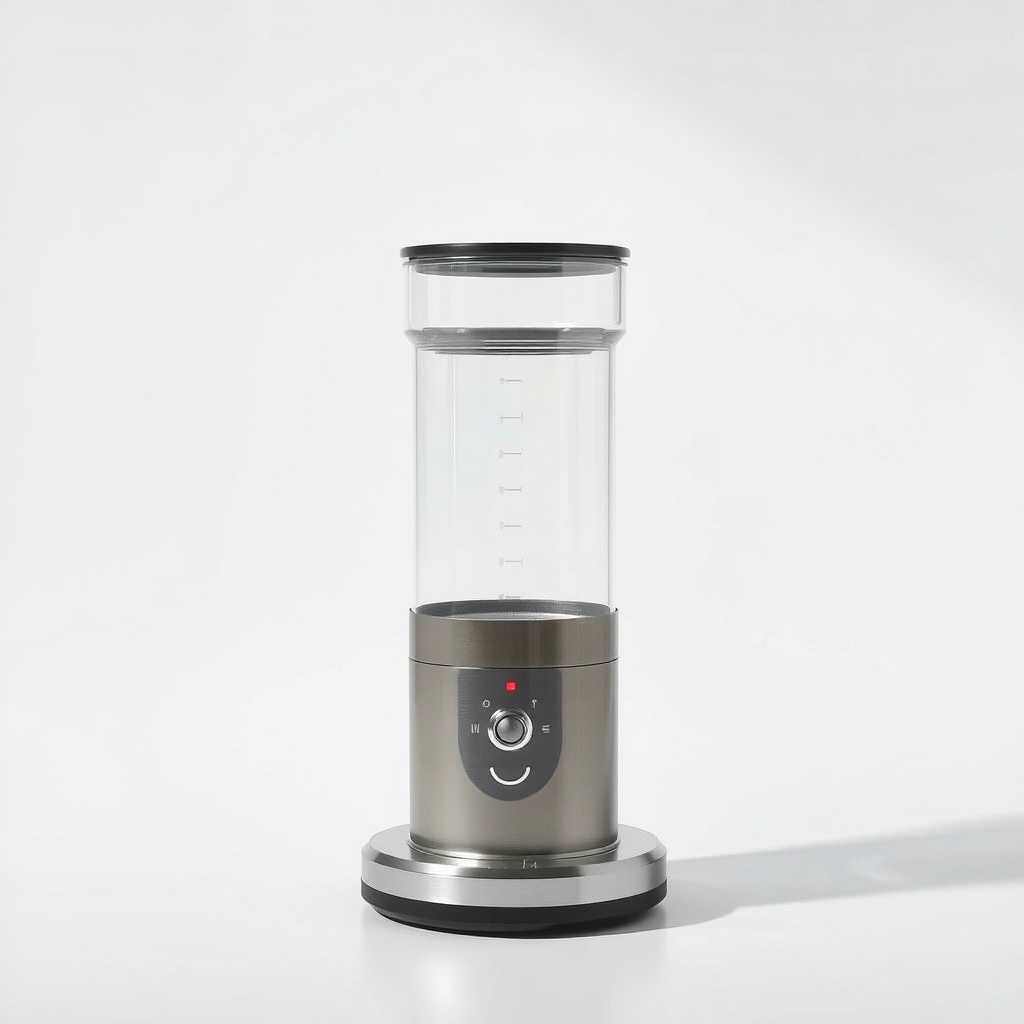
Gravity countertop filter dispenser
A glass or stainless steel body for large households
Why it happens
Water sits in plastic for hours
Filtering takes a few minutes. Storing takes the rest of the day. Whether you worry about taste or about chemicals, the storage time is where most of the contact happens.
Plastic scratches and holds smells
Brushing and age scratch the inside of a plastic reservoir. Scratches hold film and odors, and the plastic can cloud over the years.
Heat and sunlight
Warm plastic is where most people worry about taste and chemicals. A pitcher left near the stove or in a sunny window is the worst case.
Glass pitchers are rarely all glass
Most glass models still have a plastic lid, filter holder and cartridge. Some listings say glass in the title and mention the plastic only in the details.
Try this first (free)
Do these in order, starting with the simplest.
-
Pour filtered water into glass
Tool used: Glass jar or carafeOnce the pitcher has filtered, pour the water into a clean glass jar or carafe, cover it and keep it in the fridge. The water then rests in glass instead of the plastic reservoir.
-
Keep plastic out of heat and sun
Do not leave a plastic pitcher by the stove, the toaster or a sunny window. Keep it in the fridge or a cool cabinet.
-
Wash weekly without scratching
Tool used: Soft bottle brushWash the jar, pitcher and lid with warm soapy water and a soft brush. Avoid steel wool and gritty scrubbers that leave scratches.
-
Change the cartridge on schedule
An old cartridge hurts taste more than the pitcher does. Many standard cartridges are rated for about two months, but check your manual.
-
Read the listing before you buy glass
Tool used: Glass filter pitcherFind which parts are glass and which are plastic: lid, filter holder, spigot. Look for BPA-free parts and certification for the cartridge. NSF/ANSI 42 covers taste and odor, and 53 covers lead and other health contaminants.
IllustrationCheck price on AmazonTool for this step
Glass filter pitcher · Check which parts are glass and which are plastic
When free fixes aren't enough
Pouring into a jar works, but it adds a step to every refill and the water still passes through plastic. If you drink filtered water daily and want a simpler setup, a glass pitcher is worth buying. Be realistic: no pitcher is fully plastic-free, because the cartridge housing is plastic on most designs. If your main concern is lead or a specific contaminant, check the cartridge's certification before you worry about the material.
Buy the fix
Still stuck after the free fixes? These are the products we would look at.
| Pick | Product | Fixes | Who it's for | Buy |
|---|---|---|---|---|
| Best pick | Glass body water filter pitcher | water sitting for hours in a plastic reservoir | Households that drink filtered water daily and want it to rest in glass. | Check price |
| Budget pick | Compact glass filter pitcher | plastic storage at a lower price | One or two people, or a small fridge. | Check price |
| Upgrade pick | Gravity countertop filter dispenser with a glass or stainless steel body | filtering and storing large volumes with less plastic around the water | Large households and anyone who goes through several gallons a week. | Check price |
Glass body water filter pitcher
Fixes: water sitting for hours in a plastic reservoir
Look for: A glass body, with the listing saying which parts are plastic; A BPA-free lid and filter holder; A cartridge certified to NSF/ANSI 42, and 53 if you want lead reduction; About 8 to 10 cups of capacity for a household of two to four.
- Who it's for
- Households that drink filtered water daily and want it to rest in glass.
- Honest downside
- Children or guests will carry it, or you drop things often. Glass can chip or break.
Compact glass filter pitcher
Fixes: plastic storage at a lower price
Look for: A glass body; A cartridge certified for what you want to filter; A size that fits on a fridge door or shelf.
- Who it's for
- One or two people, or a small fridge.
- Honest downside
- You drink a lot of water. A small pitcher means constant refills.
Gravity countertop filter dispenser with a glass or stainless steel body
Fixes: filtering and storing large volumes with less plastic around the water
Look for: A stainless steel or glass body; Filters certified for what you want to remove; A spigot you can unscrew and wash; A stable base that fits your counter.
- Who it's for
- Large households and anyone who goes through several gallons a week.
- Honest downside
- Counter space is tight, or you want your water cold. Gravity dispensers sit at room temperature, and spigots and housings are often still plastic.
As an Amazon Associate I earn from qualifying purchases. We don't show prices because they change, so use the button to see today's price.
How we picked: How we picked: this page is based on pitcher filter manuals, certification standards for water filters (NSF/ANSI 42 and 53) and what owners report in reviews of glass pitchers. We do not test products by hand.
What to check on a glass pitcher listing
- Materials: which parts are glass, and which are plastic.
- Certification: NSF/ANSI 42 for taste and odor, and 53 for lead and other health contaminants, listed for the cartridge itself.
- Capacity: a household of two to four usually wants about 8 to 10 cups.
- Cartridge cost: add up the yearly cost of replacements, not only the pitcher price.
Looking after glass
Check the rim for chips before each use, because a chipped edge can crack. Do not pour boiling or very hot water into a cold glass pitcher. Set it on a stable shelf, away from the edge.
What to skip
Glass-look plastic and charcoal sticks alone
Some pitchers are clear acrylic that looks like glass. Check the material in the specs. Charcoal sticks can improve taste, but they are not certified to remove lead or other contaminants, so do not use them as your only filter.
Frequently asked questions
Is a glass water filter pitcher really plastic-free?
Does a glass pitcher filter better than a plastic one?
Is BPA-free plastic safe?
Can I put a glass pitcher in the dishwasher?
Related problems
As an Amazon Associate I earn from qualifying purchases. Affiliate disclosure