Grease on Kitchen Cabinets? Strip It Without Ruining the Finish
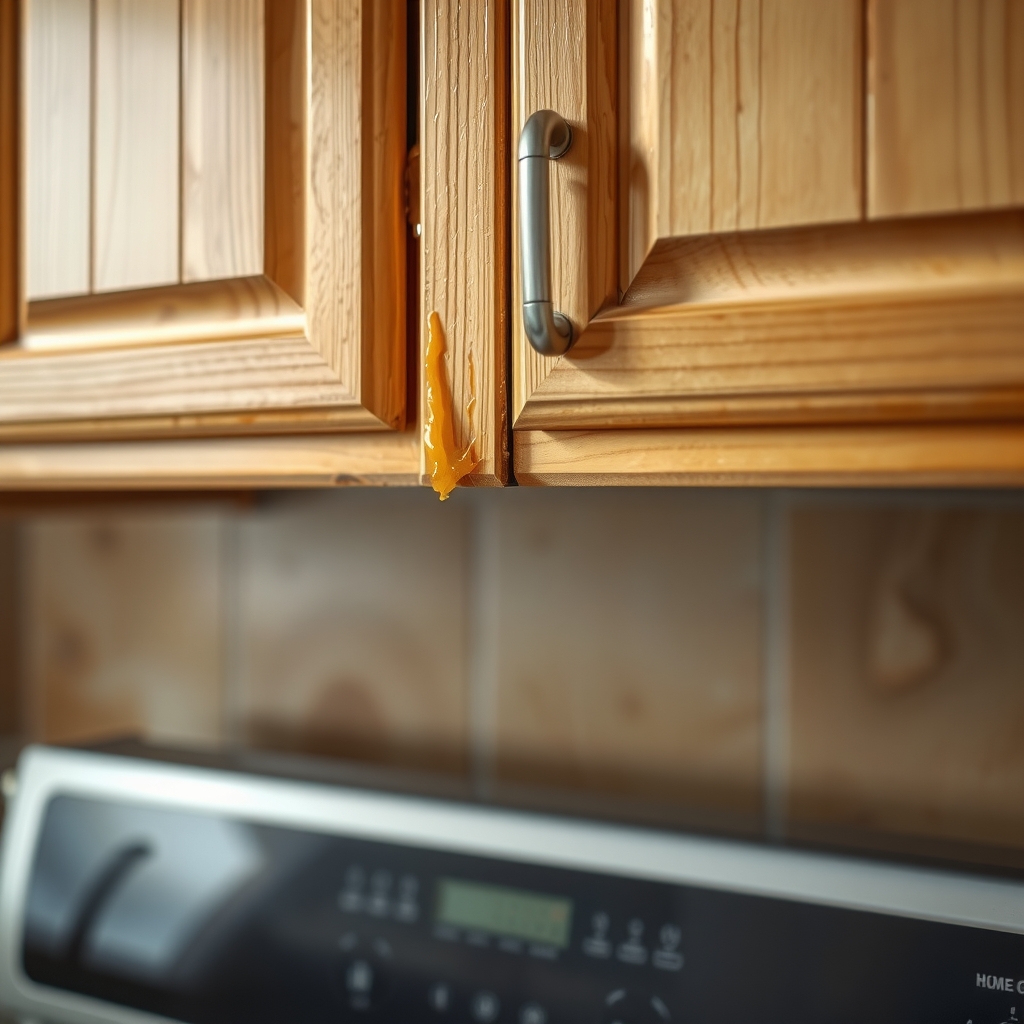
Cooking grease turns into a sticky film that traps dust. Dish soap lifts light grease; a wood-safe degreaser cuts thick buildup without stripping the finish.
By Jamilur Rahman Updated November 5, 2026 · 5 min read
- Time
- 30 min
- Cost
- Under $20
- Difficulty
- Easy
In this guide
Quick answer
To get rid of grease on kitchen cabinets, start with warm water and dish soap on a soft cloth, then rinse and dry right away. That lifts light grease. Thick, sticky buildup above the stove needs more, and a wood-safe degreaser spray dissolves it with less rubbing, which protects the finish.
Free fix vs. permanent fix
Dish soap, warm water and a soft cloth
- Wipe with warm water and a few drops of dish soap
- Lay a warm, soapy cloth on thick spots for 5 minutes
- Rinse with a clean damp cloth, then dry right away
- Test any paste or spray on a hidden spot first
How long it lasts: Until the next few weeks of cooking. Light grease comes off fully, but thick, sticky film takes repeat passes, and hard rubbing can dull the finish.
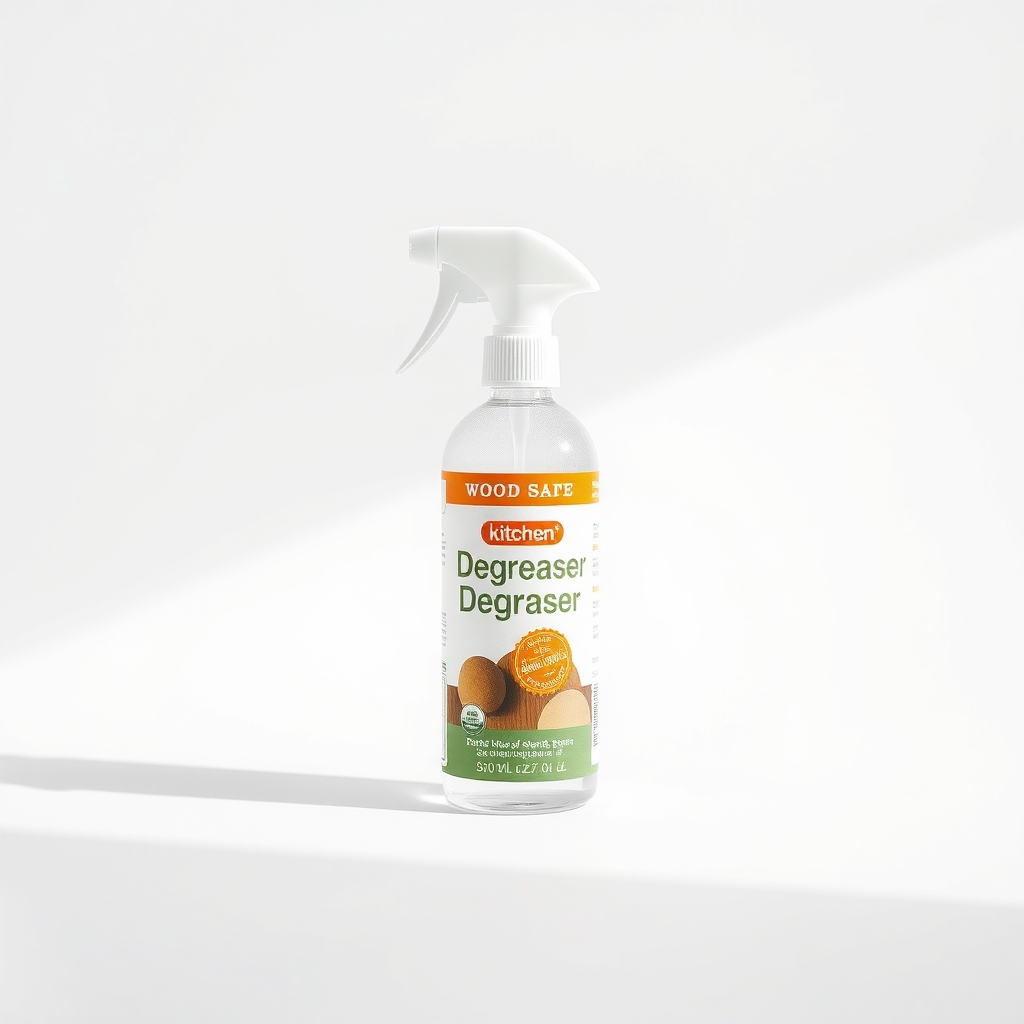
A wood-safe kitchen degreaser spray
Cooking grease and dust bake into a film that soap alone can only soften. A degreaser made for finished wood dissolves that film so you wipe it off instead of scrubbing it. Less rubbing means less damage to the finish.
What to get: Wood-safe kitchen degreaser spray
How long it lasts: It works every time you use it. A quick weekly wipe above the stove keeps the buildup from returning.
As an Amazon Associate I earn from qualifying purchases.
What you'll need
-
Microfiber cloths
Soft enough not to scratch the finish
You have it -
Dish soap
Cuts light grease in warm water
You have it -
Baking soda
Mixed into a paste for stubborn spots
You have it -
Old soft toothbrush
For grooves, corners and hardware
You have it - Our pick Illustration
Wood-safe kitchen degreaser spray
For sticky buildup soap cannot lift
Why it happens
Cooking aerosols settle on the doors
Steam and fine oil droplets rise and land on cabinets above and beside the stove. Dust sticks to them and turns the film tacky.
Grease that has aged
Old grease oxidizes into a sticky, yellow-brown layer that soap alone does not dissolve quickly.
Weak ventilation
A hood that is not run during cooking, or a clogged filter, lets more grease reach the cabinets.
Hands on handles
Skin oils and food on the handles and door edges leave dark, shiny patches.
Try this first (free)
Do these in order, starting with the simplest.
-
Test a hidden spot
Try your cleaner on the inside of a door or a bottom edge. If the finish dulls or color lifts, stop and use something gentler.
-
Wipe with soapy water
Tool used: Microfiber clothsMix a few drops of dish soap in warm water. Wring the cloth so it is damp, not dripping, and wipe with the grain.
-
Soak the thick spots
Tool used: Baking sodaLay a warm, soapy cloth over sticky areas for 5 minutes, then wipe. For stubborn spots, rub a baking soda paste on gently, then rinse well.
-
Detail the grooves
Tool used: Old soft toothbrushUse a soft toothbrush on panel edges, corners and hardware. Do not use steel wool or scrub pads.
-
Rinse and dry every time
Soap left behind is what makes cabinets sticky after cleaning. Wipe with a clean damp cloth, then dry with a towel. Do not leave wet wood.
-
Use a wood-safe degreaser for what is left
Tool used: Wood-safe kitchen degreaser spraySpray the cloth, not the cabinet, and wipe a small section. Wait the time on the label, wipe clean and rinse as directed.
IllustrationCheck price on AmazonTool for this step
Wood-safe kitchen degreaser spray · For sticky buildup soap cannot lift
When free fixes aren't enough
If you have done three or four soapy passes and the surface is still tacky, the grease has oxidized into a film that soap will not dissolve. More scrubbing will only wear the finish. A degreaser made for wood cabinets saves time and protects the finish. If the finish itself is sticky, flaking or gone bare and gray, cleaning cannot fix it, and the cabinets need refinishing. Do not wet-clean unfinished wood.
Buy the fix
Still stuck after the free fixes? These are the products we would look at.
| Pick | Product | Fixes | Who it's for | Buy |
|---|---|---|---|---|
| Best pick | Wood-safe kitchen degreaser spray | thick, sticky grease film that soap leaves behind | Anyone with greasy cabinets over or beside the stove, or whose cabinets get sticky again after soap. | Check price |
| Budget pick |  Microfiber cleaning cloths | scratches and streaks from rough sponges and paper towels | Anyone cleaning with soap and water who needs soft cloths. | Check price |
Wood-safe kitchen degreaser spray
Fixes: thick, sticky grease film that soap leaves behind
Look for: Label says safe on finished wood cabinets; Cuts grease without strong ammonia or bleach fumes; A spray bottle you can apply to a cloth; Clear rinse or wipe-off directions.
- Who it's for
- Anyone with greasy cabinets over or beside the stove, or whose cabinets get sticky again after soap.
- Honest downside
- Your cabinets are unfinished, peeling or waxed. Test a hidden spot first, or ask the cabinet maker.
Microfiber cleaning cloths
Fixes: scratches and streaks from rough sponges and paper towels
Look for: Soft and non-abrasive; Washable many times; A few, so you can swap a damp one for a dry one.
- Who it's for
- Anyone cleaning with soap and water who needs soft cloths.
- Honest downside
- You already have plenty of soft cloths.
As an Amazon Associate I earn from qualifying purchases. We don't show prices because they change, so use the button to see today's price.
How we picked: How we picked: this page is based on cabinet care guides from cabinet makers, cleaner labels for finished wood, and what owners report in reviews of kitchen degreasers. We do not test products by hand.
How to get rid of grease on wood, painted or laminate cabinets
- Sealed or varnished wood: damp soapy cloth, rinse, dry right away.
- Painted cabinets: be gentle. Hard scrubbing can lift the paint, so use a soft cloth and a light touch.
- Laminate or thermofoil: soap works, but avoid heat and steam, which can make the surface peel.
- Unfinished wood: do not wet-clean. Dry wipe, and refinish if the grease has soaked in.
What to skip
Harsh scrubbers, ammonia and too much water
Steel wool, bleach and ammonia dull or strip the finish, and soaked wood swells. Vinegar can dull some finishes too, so test first and skip it on unsealed or waxed wood.
Frequently asked questions
Why are my kitchen cabinets sticky after cleaning?
How to get rid of grease on cabinets above the stove?
How to get rid of grease stains on wood cabinets?
How to get rid of sticky grease and keep greasy cabinets from coming back?
Related problems
 Free fix inside
Kitchen · Kitchen Cabinets
Kitchen Cabinets Smell Musty? Dry Them Out and Stop the Return
Read the fix Free fix inside
Kitchen · Cabinet Finish
Kitchen Cabinet Paint Keeps Chipping? Why It Peels and the Fix
Read the fix Free fix inside
Kitchen · Stove
Stove Top Cleaner: What Works on Burnt-On Glass Cooktops
Read the fix Free fix inside
Kitchen · Stove
Stove Burners Smoking? Why Spills Burn and the Drip Pans That End It
Read the fixAs an Amazon Associate I earn from qualifying purchases. Affiliate disclosure