Kitchen Cabinets Smell Musty? Dry Them Out and Stop the Return
A musty cabinet means trapped damp. Find the moisture, wash and dry the inside, then keep it dry with an absorber so the smell does not creep back.
By Jamilur Rahman Updated November 5, 2026 · 8 min read
- Time
- 45 min plus drying
- Cost
- Under $20
- Difficulty
- Easy
In this guide
- Quick answer
- Free vs. permanent fix
- What you'll need
- Why it happens
- Try this first (free)
- When free fixes aren't enough
- Buy the fix
- Kitchen cabinet smells like mildew, mold or damp? How to tell
- Why do my kitchen drawers smell musty? And what about a bathroom cabinet?
- How to stop kitchen cupboards smelling musty and getting damp
- What to skip
- FAQ
- Related problems
Quick answer
When a kitchen cabinet smells musty, the cause is almost always damp: a slow leak, trapped steam or wet items put away. Empty the cabinet, find and fix the moisture, wash the inside and dry it fully with the doors open. A moisture absorber then keeps it dry so the smell does not come back, but it cannot fix a leak or a mold patch for you.
Free fix vs. permanent fix
Find the damp, wash, dry with the doors open
- Empty the cabinet and check for leaks with a flashlight
- Wash the inside with soapy water, then a vinegar spray on mildew spots
- Dry it completely with towels and a fan
- Leave the doors open for 24 hours
How long it lasts: Works as long as the cause is gone. If the cabinet is still humid, such as next to a dishwasher or an outside wall, the smell comes back in weeks.
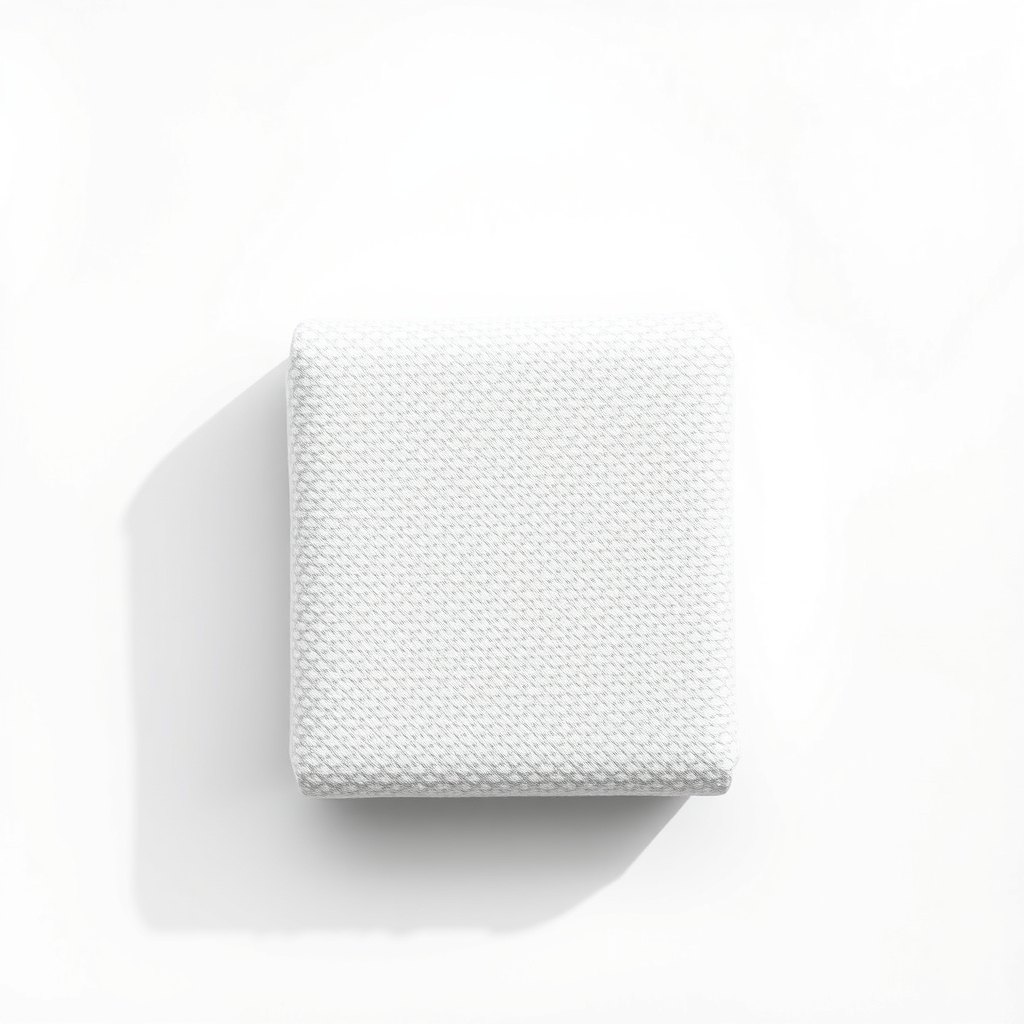
A moisture absorber inside the cabinet
A cabinet is a small closed box, so damp air stays put. An absorber pulls moisture out of that air continuously, so mildew has nothing to grow on. It works after the source is fixed, not in place of fixing it.
What to get: Moisture absorber for cabinets
How long it lasts: A month or two per refill in a small cabinet. You top it up, and the cabinet stays dry.
As an Amazon Associate I earn from qualifying purchases.
What you'll need
-
Flashlight and paper towel
To spot leaks and damp patches under the sink
You have it -
Dish soap, white vinegar and clean towels
For washing and drying the shelves
You have it -
Small fan or hair dryer
Speeds up drying
You have it - Our pick Illustration
Moisture absorber for cabinets
Keeps the humidity down once the cabinet is dry
- Illustration
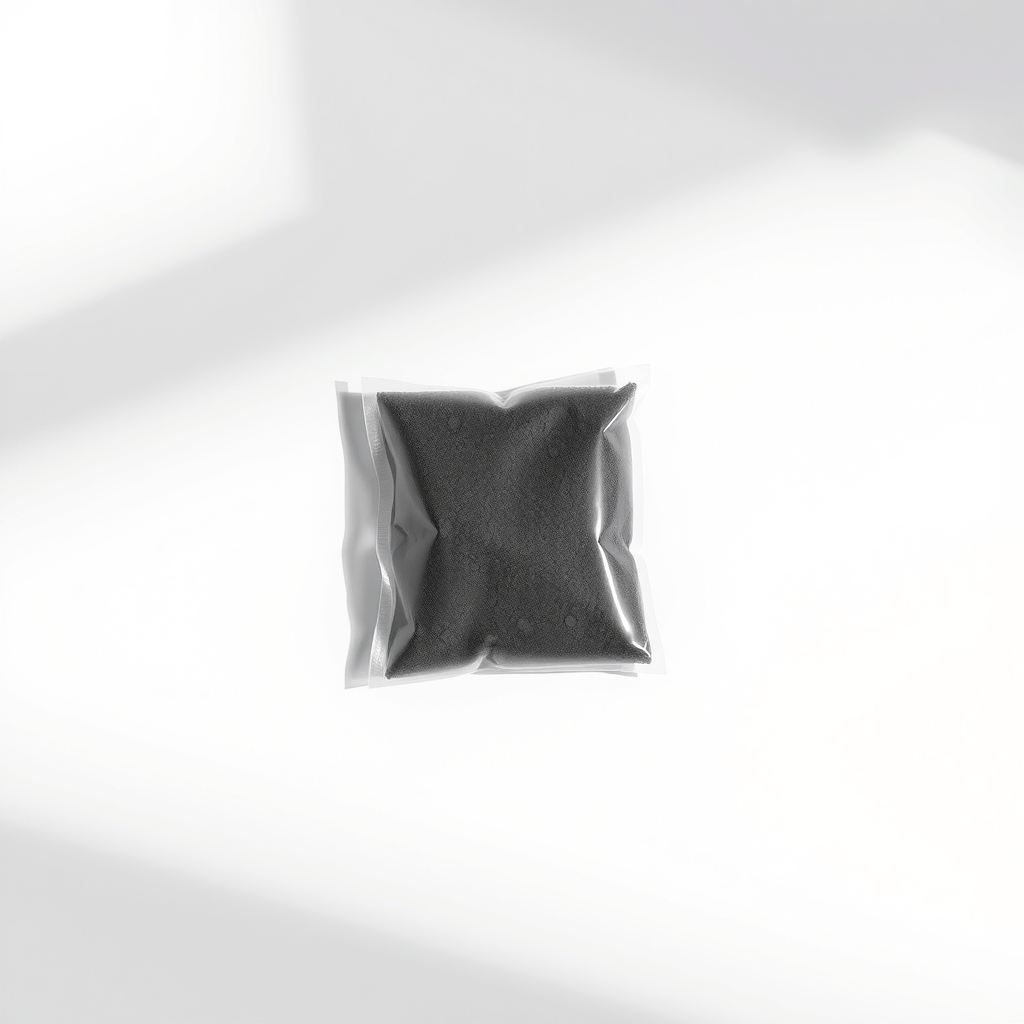
Activated charcoal odor bags
For a leftover smell when the damp is gone
Why it happens
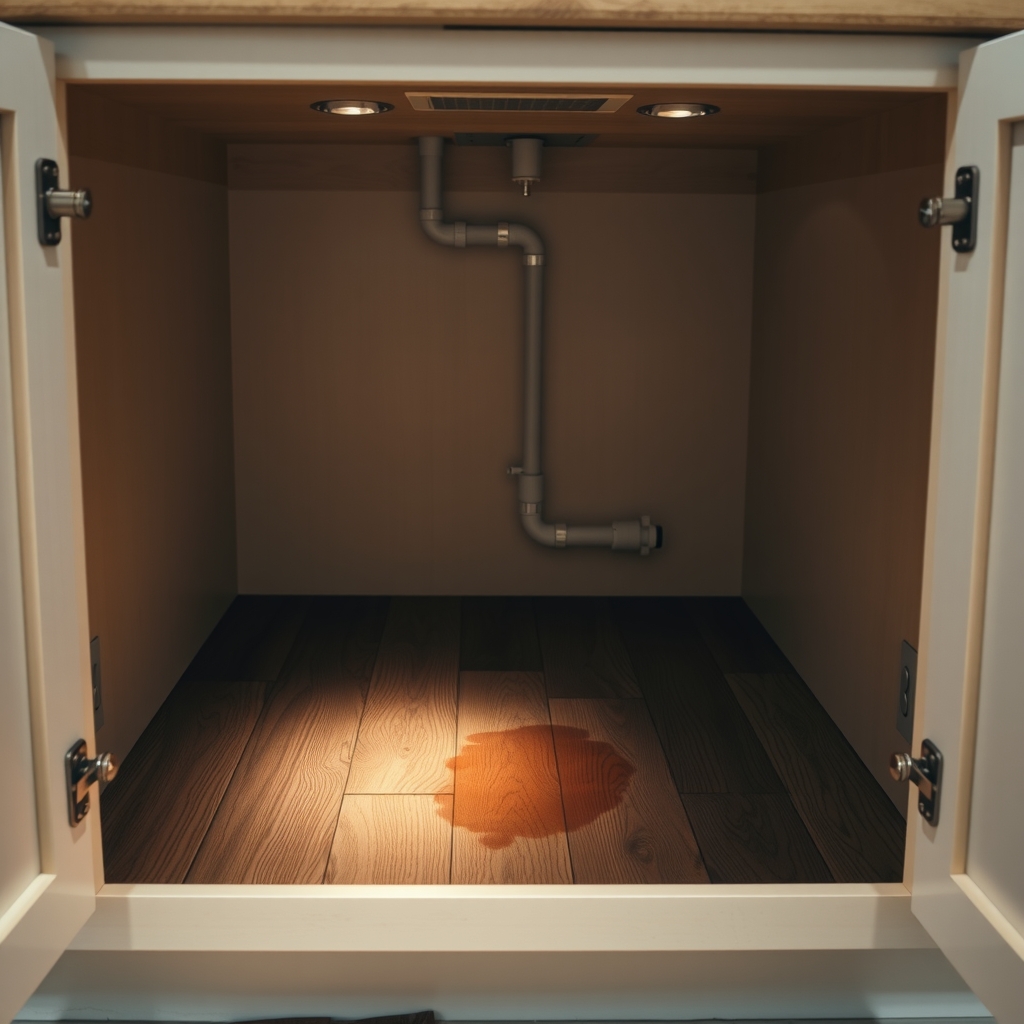
A slow leak under the sink
A drip from a supply line, drain trap, dishwasher hose or faucet base soaks the cabinet floor for weeks. The wood stays damp, and the smell builds up without any puddle.
Steam and humidity
A dishwasher next to the cabinet, a kettle, a pot on the boil and cooking all push moist air into the room. A closed cabinet traps it, and the air stays damp.
Wet items put away
Damp sponges, dish towels, pans and the wet bottom of a bin, put in before they were dry, keep the shelf moist. So do cleaning bottles that leak.
Little air movement or an outside wall
Cabinets against a cold exterior wall can build up condensation, and a cabinet that is always shut gets no airflow.
Spoiled food or pests
A forgotten onion, a split bag of flour or potatoes, or crumbs and rodent droppings can all make a sour, musty smell.
Try this first (free)
Do these in order, starting with the simplest.
-
1. Empty it and hunt for the source
Tool used: Flashlight and paper towelTake everything out. Shine a flashlight along the pipes and the cabinet floor. Run the tap and the dishwasher, and look for drips. Hold a dry paper towel against joints for 30 seconds to catch a slow leak.
-
2. Throw out anything spoiled or moldy
Bin spoiled food, soaked cardboard and wet sponges. Cardboard and paper soak up damp and can feed mildew.
-
3. Wash the inside
Tool used: Dish soap, white vinegar and clean towelsWipe the shelves and walls with warm soapy water. For mildew spots, spray equal parts white vinegar and water, wait 10 minutes, scrub with a soft brush and wipe. Never mix vinegar with bleach.
-
4. Dry it fully
Tool used: Small fan or hair dryerTowel the shelves dry, then point a fan or a hair dryer on low at the inside. Leave the doors and drawers open for 24 hours.
-
5. Absorb the leftover smell
Put an open box of baking soda on a shelf for a few days to take out stale odor. Replace it when the smell is gone.
-
6. Hang or place a moisture absorber
Tool used: Moisture absorber for cabinetsOnce the cabinet is dry, set an absorber on a shelf or hang it. Keep it upright and away from children and pets, since the collected liquid is irritating. Empty or refill it when it is full.
IllustrationCheck price on AmazonTool for this step
Moisture absorber for cabinets · Keeps the humidity down once the cabinet is dry
When free fixes aren't enough
Washing and drying removes the smell today. It does not stop it returning if the room stays humid. Cabinets by the dishwasher, under a window or on an outside wall often go damp again within weeks, and an absorber is the cheapest way to hold them dry. A few signs mean stop and get help: a leak you cannot stop, a swollen, soft or crumbling cabinet floor, or mold covering a large area. Particleboard that has soaked up water cannot be dried out properly and needs to be replaced. Call a plumber for the leak and a pro for large mold.
Buy the fix
Still stuck after the free fixes? These are the products we would look at.
| Pick | Product | Fixes | Who it's for | Buy |
|---|---|---|---|---|
| Best pick | Moisture absorber for cabinets | damp air in a closed cabinet that lets mildew and musty smell return | Anyone whose cabinet has dried out and who wants to stop the damp coming back, especially in a humid kitchen. | Check price |
| Budget pick | Activated charcoal odor bags | a stale smell left behind once the cabinet is dry | Anyone with a dry cabinet that still smells a little stale. | Check price |
Moisture absorber for cabinets
Fixes: damp air in a closed cabinet that lets mildew and musty smell return
Look for: A size matched to a small enclosed space like a cabinet; A spill-resistant container or hanging pouch; A fill line or window so you can see when it is full; Refills or replacements that are easy to find.
- Who it's for
- Anyone whose cabinet has dried out and who wants to stop the damp coming back, especially in a humid kitchen.
- Honest downside
- The cabinet is still leaking or wet. Fix the source first, because an absorber cannot keep up with running water.
Activated charcoal odor bags
Fixes: a stale smell left behind once the cabinet is dry
Look for: Loose activated charcoal in a breathable bag; A size small enough to fit a shelf; Instructions for recharging in sunlight.
- Who it's for
- Anyone with a dry cabinet that still smells a little stale.
- Honest downside
- The cabinet is still damp. Charcoal takes out odor, not moisture.
As an Amazon Associate I earn from qualifying purchases. We don't show prices because they change, so use the button to see today's price.
How we picked: How we picked: this page is based on public guidance on mold and indoor humidity, home maintenance guides for leak checks, and what owners report in reviews of moisture absorbers. We do not test products by hand.
Kitchen cabinet smells like mildew, mold or damp? How to tell
- Mildew: a flat gray or white film and a stale smell, usually on a surface that stays damp. It wipes off with soap and water.
- Mold: fuzzy or dark green, black or orange patches. Small areas can be cleaned. Large patches, or ones that keep coming back, need the moisture fixed.
- Damp without growth: a cold, clammy feel with no visible spots. Track the source, then dry it.
A kitchen cupboard that smells mouldy, musty or damp is telling you the same thing, so the fix is the same: remove the moisture first.
Why do my kitchen drawers smell musty? And what about a bathroom cabinet?
Kitchen drawers get musty from damp utensils or a humid room, and bathroom cabinets from shower steam. The steps are the same: empty, wash, dry, and keep the door open for a day. If a bathroom cabinet smells musty, smells like mold or just smells bad, run the fan during and after showers and keep an absorber on the shelf. Also check for a slow leak under the sink, since that is a common hidden cause.
How to stop kitchen cupboards smelling musty and getting damp
Dry dishes and sponges before putting them away, run the range hood when you cook, and open cabinet doors for a few minutes after the dishwasher finishes. Leave a little space between stored items and the back wall. Fix drips quickly, and keep humidity near 30 to 50 percent.
What to skip
Air fresheners and bleach on wood
Spray fresheners cover the smell and leave the damp. Bleach does not soak into porous wood, so it cleans only the surface, and it gives off fumes in a closed space. Never mix it with vinegar or ammonia.
Frequently asked questions
Why do my kitchen cupboards smell musty?
Why does my kitchen cabinet smell even after I cleaned it?
Is a kitchen cabinet that smells like mold dangerous?
How do I find a kitchen cupboard that smells damp?
How do I keep kitchen drawers smelling fresh?
Related problems
 Free fix inside
Kitchen · Pantry
Pantry Smells Musty? Track Down the Source and Clear the Air
Read the fix Free fix inside
Kitchen · Kitchen Cabinets
Grease on Kitchen Cabinets? Strip It Without Ruining the Finish
Read the fix Free fix inside
Kitchen · Kitchen Trash Can
Kitchen Trash Can Always Smells? Why It Happens and What Lasts
Read the fix Free fix inside
Small Spaces & Storage · Closet Moisture
Closet Keeps Getting Mold? Moisture Absorber vs. Dehumidifier
Read the fixAs an Amazon Associate I earn from qualifying purchases. Affiliate disclosure